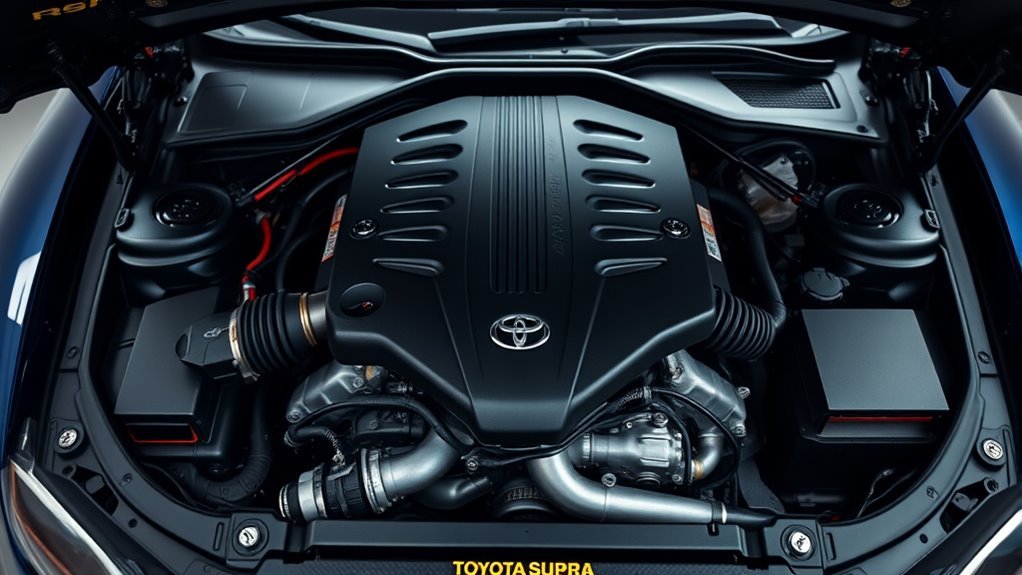
The BMW B58 is one of the strongest modern turbocharged inline-six engines because it starts with a rigid closed-deck block, direct injection, Valvetronic, double VANOS, and a turbo system that responds well to careful calibration. The B58TU is not a completely different engine, but it adds meaningful updates in fuel pressure, cooling control, chain-drive layout, and, on some versions, an integrated-exhaust-manifold cylinder head. If you are deciding between a Gen1 B58 and a B58TU for tuning, the right choice depends less on internet hype and more on your power goal, fuel choice, emissions requirements, DME access, and budget.
Quick Answer
Choose a Gen1 B58 if you want a proven, lower-cost platform and are comfortable upgrading fueling as needed. Choose a B58TU if you want the factory advantages of 350-bar fuel preparation, revised cooling control, and a single-part timing chain drive. Both can make strong power, but neither should be pushed without proper tuning, fuel system support, cooling, and maintenance.
Key Takeaways
- The Gen1 B58 already has a strong base: a closed-deck aluminum crankcase and electric-arc wire-sprayed cylinder walls.
- The B58TU’s biggest factory tuning advantage is its 350-bar fuel preparation system, compared with the lower-pressure Gen1 setup.
- The B58TU moved from a two-part to a single-part timing chain drive, reducing complexity in the camshaft drive layout.
- Not every B58TU version uses the same cylinder head; BMW documentation distinguishes medium-power integrated-manifold versions from upper-power non-integrated versions.
- The common 400–700 whp roadmap is possible only with the right supporting parts, fuel, calibration, cooling, and drivetrain planning.
Quick Take: Should You Upgrade a B58 Gen1 or TU?
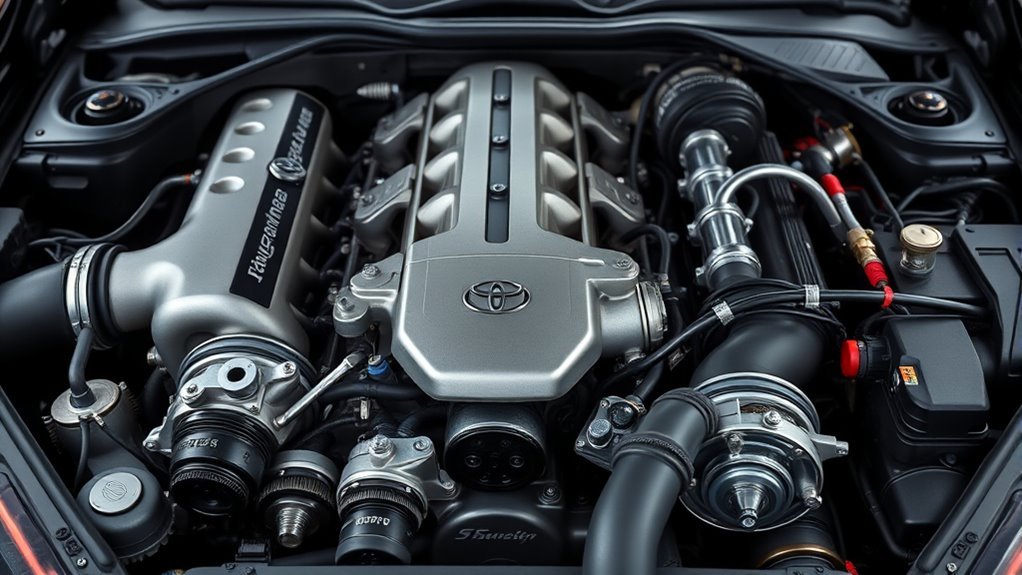
If you already own a healthy Gen1 B58, you usually do not need to swap engines just to reach a strong street setup. A Gen1 car with good maintenance, a quality calibration, an upgraded high-pressure fuel pump when needed, and sensible supporting parts can be a very rewarding build. For many owners, upgrading the fuel system is more cost-effective than chasing a full B58TU swap.
The B58TU makes the decision easier when you are starting from scratch. BMW’s B58TU technical training material lists several updates, including 350-bar fuel preparation, split cooling, a revised heat-management module, and a single-part chain drive. Those updates give the TU a cleaner factory baseline for ethanol blends, higher fuel demand, and more consistent thermal control.
Warning: Power tuning can affect emissions legality, warranty coverage, drivetrain life, and engine durability. On U.S. street-driven vehicles, removing or defeating emissions controls can violate the Clean Air Act. Keep street builds emissions-compliant and use a qualified tuner who understands your exact DME, fuel, and hardware.
B58 Gen1 vs B58TU Core Differences
The B58 family shares the same general identity: a 3.0-liter turbocharged inline-six with direct injection, Valvetronic variable valve lift, double VANOS camshaft adjustment, and BMW’s modular engine architecture. The B58TU, however, should be treated as a technical update, not merely a rebadged Gen1 engine.
| Area | Gen1 B58 | B58TU | Why It Matters |
|---|---|---|---|
| Block | Closed-deck aluminum crankcase | Same core strength concept | Strong base for boost when the tune is safe |
| Cylinder walls | Electric-arc wire-sprayed coating | Updated machining and honing details by version | Good wear resistance, but not meant for simple overbore machining |
| Fuel pressure | Lower-pressure direct-injection system | 350-bar fuel preparation | Better headroom for high load and ethanol blends |
| Chain drive | Two-part timing chain drive | Single-part timing chain drive | Fewer timing-drive components and a revised layout |
| Cooling | Advanced heat-management module | Split cooling with DME-controlled flow strategy | More precise warm-up and load-based thermal control |
| Cylinder head | Non-TU layout | Integrated exhaust manifold on medium-power versions; non-integrated on upper-power versions | Important for turbo compatibility, heat behavior, and parts selection |
B58 Block, Crank, and Valvetrain: Key Specs
The B58’s strength begins with its crankcase. BMW’s B58 technical training manual describes a closed-deck design, where the coolant ducts around the cylinders are closed from above and fed through coolant bore holes. This design improves rigidity around the cylinder bores, which is one reason the B58 tolerates boost well when the calibration is safe.
The cylinder walls are not traditional removable liners. They use electric-arc wire spray, also called LDS in BMW training material. BMW describes this coating as roughly 0.3 mm thick, wear-resistant, and helpful for heat transfer from the combustion chamber into the crankcase. The tradeoff is important: because the coating is thin, BMW notes that subsequent machining of the cylinder barrels is not possible in the normal way.
For the valvetrain, the B58 uses double VANOS on the intake and exhaust camshafts plus Valvetronic variable valve lift. That combination helps the engine make broad torque without relying only on boost pressure. For tuning, this means the DME calibration is doing more than just commanding boost; it is also coordinating valve lift, cam timing, fuel pressure, ignition, torque limits, and transmission requests.
Note: The B58 crankshaft itself is not “chain-driven.” The chain drive operates the camshaft system and related engine components. For accuracy, talk about the B58’s chain-drive layout, not a chain-driven crank.
B58 Turbo Layout and Exhaust-Side Design
The B58 uses a twin-scroll turbocharger layout to improve exhaust pulse separation and low-rpm response. In simple terms, the turbine receives exhaust energy in a more organized way, which helps the turbo build boost earlier and more smoothly than a comparable single-scroll arrangement.
| Component | What It Does | Tuning Impact |
|---|---|---|
| Twin-scroll turbo | Separates exhaust pulses more effectively | Better spool and midrange response |
| Closed-deck block | Supports cylinder rigidity | Helps the engine tolerate increased cylinder pressure |
| DME torque model | Coordinates boost, load, throttle, fuel, ignition, and drivetrain requests | A poor tune can create risk even with good hardware |
| Exhaust-side design | Varies by B58 generation and power level | Affects turbo fitment, heat management, and upgrade path |
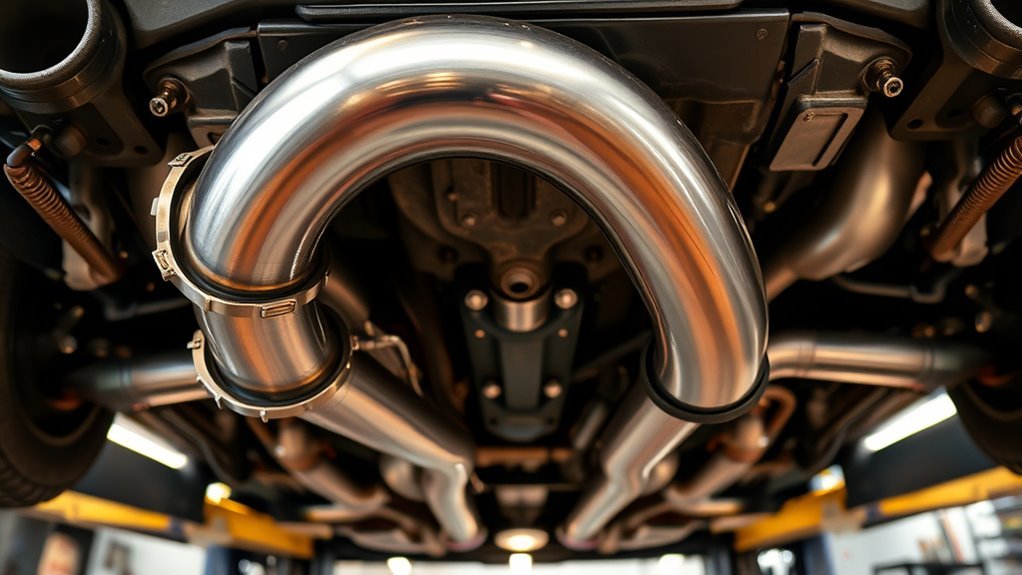
Be careful with one common oversimplification: not every B58TU cylinder head is the same. BMW’s B58TU training material explains that the medium-power version uses a cylinder-head-integrated exhaust manifold, while upper-power versions use a non-integrated exhaust-manifold layout because of higher mechanical and thermal loads. That distinction matters when comparing turbo upgrades, downpipe fitment, and heat behavior.
B58 Fueling: HDP5 vs HDP6 and the 350-Bar Impact
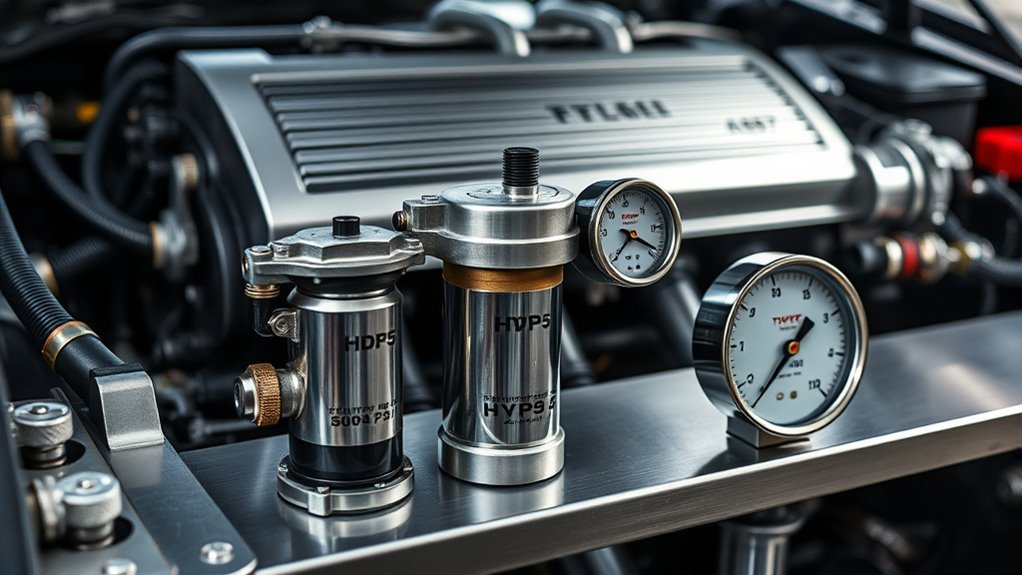
Fueling is where the B58TU has one of its clearest factory advantages. BMW lists the B58TU with 350-bar fuel preparation, and Bosch describes modern gasoline direct-injection high-pressure pump systems as supporting up to 250 bar or up to 350 bar system pressure, depending on the application.
Higher pressure is not magic by itself, but it helps the system maintain better fuel atomization and delivery control under load. That matters when you increase boost, increase airflow, or run ethanol blends that require more fuel volume than pump gasoline. On a Gen1 B58, the common path is to upgrade to the B58TU-style Bosch HDP6 pump or an equivalent high-pressure pump solution before asking for aggressive ethanol content or high-load torque.
Aftermarket pump suppliers commonly list the Bosch B58TU HDP6 pump at 1.178 cc/rev and the earlier HDP5 EVO at 0.954 cc/rev. Treat those numbers as part-selection guidance, not a guarantee that your car will safely make a certain wheel horsepower figure. The tune, injector duty cycle, low-pressure fuel system, fuel quality, ethanol content, turbo size, and engine condition all decide the safe ceiling.
Pro Tip: Before buying a turbo or ethanol sensor kit, confirm your high-pressure fuel pump, low-pressure fuel pump, injectors, spark plugs, coils, and DME unlock status. Fueling and calibration limits usually appear before the B58 block itself becomes the problem.
Cooling and Oiling: TU Changes That Matter for Tuning
The B58TU’s split-cooling strategy is often misunderstood. It does not mean you can ignore heat. It means the DME can control coolant distribution between the cylinder head and crankcase more precisely. BMW describes the system as using an electric split-cooling valve and a heat-management module so coolant flow can be adjusted according to warm-up phase, load request, and operating temperature.
That helps efficiency and thermal control, especially during warm-up and changing load conditions. For tuning, the practical benefit is more stable factory management of coolant flow, not unlimited heat tolerance. Once you push the engine beyond stock power, intake air temperature, coolant temperature, oil temperature, turbocharger speed, and exhaust backpressure still need to be watched carefully.
For a street-driven build, do not skip the basics: fresh coolant, correct bleeding procedure, a healthy heat exchanger, clean radiators, proper oil grade, shorter oil-change intervals, and datalogs after hardware changes. For track or repeated roll-race use, the stock cooling system may need additional support even if the engine is a TU.
Timing, Chain, and VANOS Updates on B58TU vs Gen1
The B58TU moved from the Gen1 B58’s two-part timing chain drive to a single-part timing chain drive. BMW’s training material states that the intermediate-shaft deflection used by the earlier layout is no longer needed. The TU also uses revised chain-drive geometry, including changed tooth counts on the crankshaft and VANOS adjusters.
That does not mean a Gen1 B58 timing system is automatically weak. It means the B58TU layout is simpler and updated for the revised engine package. In a tuned car, cleaner timing control and good chain-drive health matter because cam timing, boost, ignition timing, fuel delivery, and torque calculation all interact.
- Single-part chain drive: Simplifies the timing-chain path compared with the earlier two-part layout.
- Revised VANOS geometry: Works with the updated chain-drive design.
- Better packaging: Supports the B58TU’s updated fuel preparation, cooling, and emissions strategy.
- Maintenance still matters: Oil quality, oil level, and service history remain critical on both engines.
The B58TU’s single-part timing chain drive is best understood as a cleaner factory update, not a free pass to run excessive boost, poor fuel, or aggressive ignition timing.
What the Integrated Head Means for Power, Heat, and Reliability
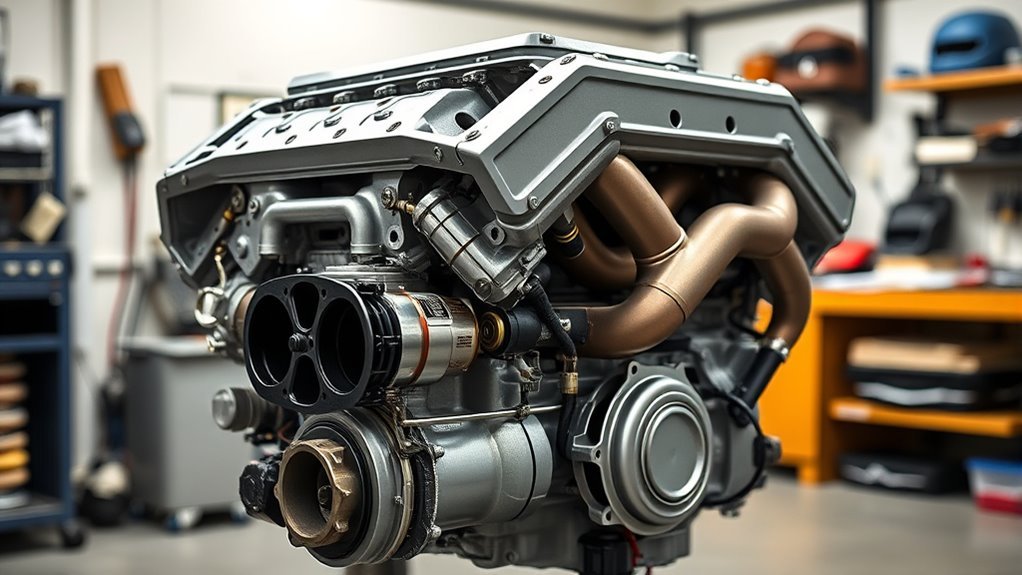
The integrated-exhaust-manifold cylinder head is one of the B58TU updates that gets repeated often, but it needs a precise explanation. BMW documentation says the medium-power B58TU cylinder head integrates the exhaust manifold into the cylinder head housing. BMW lists benefits such as faster warm-up, fuel-consumption and emissions advantages, weight reduction compared with a separate steel manifold, and simpler disassembly of the cylinder head and turbocharger.
For a stock or mild street car, those benefits are useful. Faster warm-up helps emissions and efficiency, while compact packaging can improve turbo response and reduce part count. For a high-power build, however, the picture changes. BMW notes that upper-power gasoline versions use a traditional non-integrated manifold layout because higher mechanical and thermal loads require a different approach.
| Benefit | Real-World Meaning | Tuning Caution |
|---|---|---|
| Faster warm-up | Improves emissions and efficiency in normal driving | Does not eliminate heat soak under repeated pulls |
| Compact exhaust path | Can help response and packaging | Turbo compatibility depends on the exact engine version |
| Fewer separate parts | Lower part count and fewer gasket interfaces | Failure modes can be more expensive if major cast parts are involved |
| Factory thermal strategy | Designed around OEM emissions and drivability targets | Large-turbo builds may favor different exhaust hardware |
Upgrade Roadmap: Parts, Tunes, and Risks to Reach 400–700 whp
A B58 can make impressive power, but “400–700 whp” is not one single build. It is a wide range that moves from mild bolt-ons to serious fuel, turbo, drivetrain, and internal-engine planning. Wheel horsepower also varies by dyno type, correction factor, tires, transmission, drivetrain loss, ambient temperature, and fuel blend.
At a Glance
| Time Required | A weekend for basic bolt-ons; several weeks for turbo, fueling, and custom tuning |
| Difficulty | Moderate for Stage 1/2; advanced for fuel-system, turbo, and built-engine setups |
| Tools Needed | Diagnostic scanner, datalogging software, proper sockets, torque tools, fuel-safe tools, lift or jack stands, and tuner support |
| Cost | Hundreds for basic tuning; thousands to tens of thousands for turbo, fuel, cooling, drivetrain, and built-engine work |
Stage 0: Health Check Before Any Power Upgrade
Before chasing numbers, make sure the engine is worth tuning. A tired ignition system, weak fuel pump, coolant issue, boost leak, dirty heat exchanger, or poor fuel quality can turn a mild tune into a risky setup.
- Scan for DME, transmission, fuel pressure, misfire, boost, and cooling faults.
- Check spark plugs, coils, injectors, fuel trims, and high-pressure fuel pump behavior.
- Inspect the charge system, intake tract, PCV system, turbo inlet, coolant system, and oil leaks.
- Use fresh oil and verify the correct oil level before datalogging.
- Confirm whether your DME is locked, unlockable, bench-unlocked, or flash-ready.
Fueling & Injection Upgrades
Fueling is the first serious bottleneck once boost, ethanol content, or turbo size increases. On a Gen1 B58, a B58TU-style HDP6 high-pressure pump is a common upgrade because it supports more fuel demand than the earlier pump. On a B58TU, the factory 350-bar system gives you more headroom, but you still need to verify rail pressure, injector duty, and low-pressure fuel supply in logs.
- High-pressure fuel pump: Needed when the stock system cannot maintain commanded rail pressure.
- Low-pressure fuel system: Must feed the high-pressure pump consistently, especially on ethanol blends.
- Injectors: Must match the tune, pressure target, spray behavior, and duty-cycle needs.
- Ethanol content: Adds knock resistance but demands more fuel volume.
- Calibration: Required after fuel-system changes; hardware alone does not make the car safe.
Airflow, Turbo, and Charge-System Upgrades
Basic bolt-ons can improve airflow and reduce restriction, but the turbocharger defines the personality of the build. A stock turbo setup can be fast and responsive. A hybrid turbo can extend the powerband without completely changing the car. A large-frame turbo can chase bigger numbers, but it adds heat, lag, fuel demand, drivetrain stress, and tuning complexity.
| Power Goal | Typical Direction | Main Risk |
|---|---|---|
| Around 400 whp | Tune, good fuel, basic supporting maintenance | Poor fuel quality, heat soak, weak ignition |
| 450–500 whp | Fueling upgrade, ethanol blend, stronger cooling support | Rail-pressure drop and torque overload |
| 500–600 whp | Hybrid turbo or upgraded turbo, upgraded fueling, custom tune | Turbo speed, exhaust backpressure, transmission stress |
| 600–700+ whp | Large turbo, major fuel-system work, drivetrain upgrades, possible built engine | Ringlands, rods, head lift, heat, traction, and drivability tradeoffs |
Strengthening Internal Components
The B58’s closed-deck block gives it a strong foundation, but factory internals still have limits. Once torque and cylinder pressure climb far beyond stock, the risk shifts toward rods, pistons, ringlands, head sealing, bearings, and crankcase pressure management. The safest high-power builds use conservative torque ramp-in, clean fuel, controlled ignition timing, and datalog-driven calibration rather than simply chasing peak boost.
Forged pistons, stronger rods, head studs, upgraded bearings, improved crankcase ventilation, and professional machine work become more relevant as you move toward the upper end of the 600–700 whp range or plan repeated abuse. Do not build only for the dyno number. Build for the way the car will be used.
DME, Transmission, and Drivetrain Planning
Modern B58 cars rely heavily on the DME and transmission control strategy. Some later Bosch MG1 DME-equipped vehicles require unlocking before full flashing is available. Check this before buying parts, because a locked or limited DME can change the entire build plan.
The ZF 8-speed automatic used in many B58 applications is strong, but torque management still matters. At higher power levels, plan for transmission software, differential condition, axle stress, engine mounts, tires, brakes, and cooling. A fast B58 that cannot put power down or stop repeatedly is not a finished build.
Common B58 Tuning Mistakes to Avoid
- Chasing peak boost instead of clean logs: Rail pressure, knock correction, timing, lambda, fuel trims, and temperature data matter more than a boost target.
- Ignoring ethanol content: E30, E50, and full E85 are not interchangeable. Your tune and fuel system must match the measured blend.
- Skipping maintenance: Plugs, coils, oil, coolant, filters, and leak checks are part of the power recipe.
- Over-torquing the midrange: Big low-rpm torque feels great but can be harder on rods, transmission, and traction than a smoother power curve.
- Assuming all B58TU parts interchange: Engine code, production date, model, market, and power level can affect compatibility.
- Removing emissions equipment on a street car: It can create legal problems and may make the car fail inspection.
Frequently Asked Questions
What is the architecture of the B58 engine?
The B58 is a 3.0-liter turbocharged inline-six from BMW’s modular engine family. It uses an aluminum closed-deck crankcase, electric-arc wire-sprayed cylinder walls, direct injection, Valvetronic variable valve lift, double VANOS camshaft adjustment, and a twin-scroll turbocharger layout.
What makes the B58 engine special?
The B58 stands out because it combines strong factory hardware with refined turbo response and advanced engine controls. Its closed-deck block, direct injection, variable valve systems, and efficient turbo packaging give it a strong balance of daily drivability and tuning potential.
What are the engine specs of the Toyota Supra B58?
Current U.S.-market GR Supra 3.0 models use a 3.0-liter turbocharged inline-six rated by Toyota at 382 horsepower and 368 lb-ft of torque. Earlier U.S. MkV Supra 3.0 models were rated lower, so always check the exact model year before comparing output.
How many different B58 engines are there?
There are multiple B58 variants across BMW and Toyota applications, including Gen1 B58 versions and B58TU technical-update versions. The exact hardware can vary by model, market, production year, and power level, so engine code matters more than the broad “B58” label.
Is the B58TU always better than the Gen1 B58?
Not always. The B58TU has useful factory updates, especially in fuel pressure, cooling control, and timing-chain layout. A well-maintained Gen1 B58 with the right fuel pump, tune, and supporting parts can still be an excellent platform. The better choice depends on your starting car, budget, DME access, and power goal.
Can a stock-internal B58 make 600 whp?
Some stock-internal B58 builds reach that range, but it should not be treated as risk-free. Fuel quality, torque curve, turbo choice, heat control, maintenance, and tune quality decide whether the setup lives. For repeated abuse or higher torque, built internals become the safer path.
Conclusion
The Gen1 B58 and B58TU are both strong platforms, but they reward different upgrade strategies. The Gen1 B58 gives you a proven foundation and usually makes the most sense when you already own the car. The B58TU adds valuable factory updates, especially 350-bar fuel preparation, split cooling, and a single-part chain-drive layout, making it the cleaner starting point for many modern builds.
The smart move is not to chase the biggest dyno number first. Start with a healthy engine, confirm DME access, choose the right fuel system, manage heat, and tune around clean datalogs. Do that, and the B58 can deliver the kind of fast, responsive, reliable power that made the platform so popular in the first place.
Sources
- BMW B58 Engine Technical Training Manual — closed-deck crankcase, electric-arc wire-sprayed cylinder walls, Valvetronic, VANOS, and base engine architecture.
- BMW B58TU Engine Technical Training Manual — 350-bar fuel preparation, split cooling, single-part chain drive, heat-management changes, and integrated exhaust-manifold cylinder-head details.
- Bosch Mobility High-Pressure Pump HDP — gasoline direct-injection pump system pressure range and high-pressure pump role.
- Bosch High-Pressure Pump Product Summary — HDP pump system-pressure versions up to 250 bar and up to 350 bar.
- Toyota 2026 GR Supra Brochure — current U.S. GR Supra 3.0 output rating of 382 horsepower and 368 lb-ft of torque.
- U.S. EPA: Tampering and Aftermarket Defeat Devices — emissions-tampering legal guidance for street-driven vehicles.