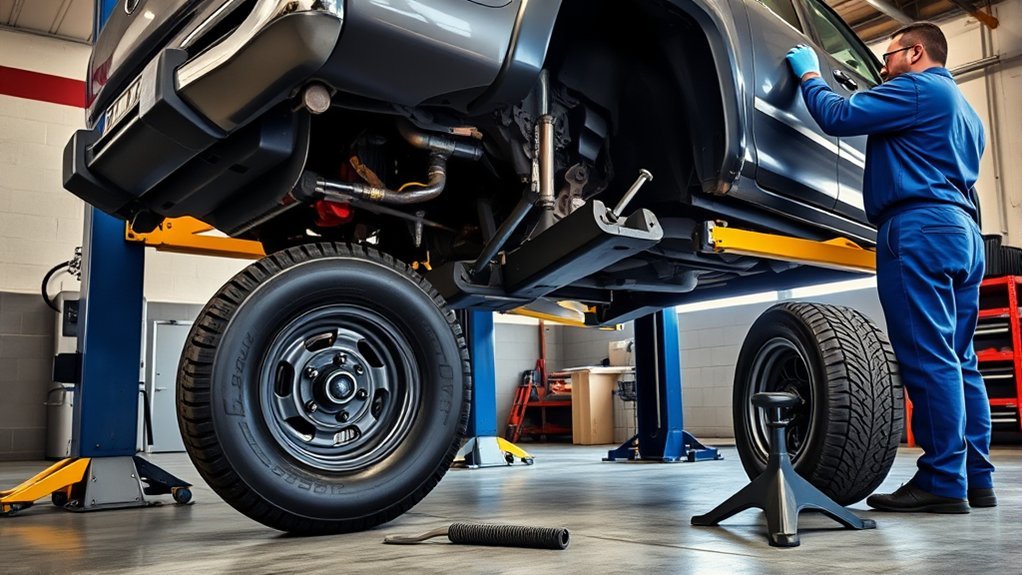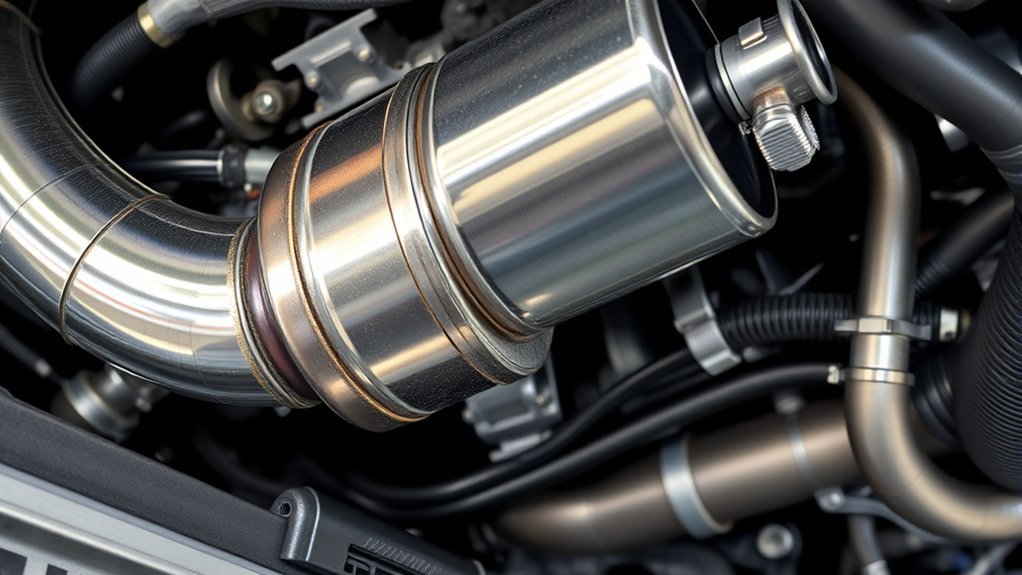
The Toyota Tacoma’s emissions system includes key components like the charcoal canister, purge air line, and EVAP valve. The charcoal canister captures fuel vapors during refueling and releases them for combustion, reducing emissions. The purge air line directs these vapors to the engine, enhancing efficiency. The EVAP valve manages pressure and detects leaks, ensuring compliance. Neglecting maintenance can lead to increased emissions and engine issues. Learn how to maintain these systems for peak performance and compliance.
How the Charcoal Canister Works
The charcoal canister plays an important role in managing fuel vapors, making sure they don’t escape into the atmosphere. Its primary function is vapor capture during refueling, storing harmful vapors from the fuel tank. When the engine runs, the canister works in tandem with a purge valve, releasing these vapors back into the intake manifold for combustion. This process not only reduces emissions but also boosts engine efficiency.
However, if the charcoal canister malfunctions, you’ll likely experience increased emissions and poor engine performance, potentially triggering the Check Engine light. Regular inspection and maintenance of the canister and its components are vital to guarantee peak function and compliance with emissions regulations. By understanding the charcoal canister’s function, you empower yourself to maintain your vehicle better, contributing to a cleaner environment and a more efficient driving experience.
What Role Does the Purge Air Line Play in Emissions Control?
Understanding the charcoal canister’s function paves the way to recognizing the importance of the purge air line in emissions control. This critical component directs fuel vapors from the charcoal canister into the engine, enabling combustion. It works closely with the purge valve, which opens under specific conditions, allowing the engine to draw in vaporized fuel. This process not only enhances fuel efficiency but also plays a significant role in reducing harmful emissions.
When the purge air line is damaged or clogged, improper vapor flow occurs, leading to increased hydrocarbon emissions. This can trigger the Check Engine Light (CEL), signaling potential issues. Maintaining the purge air line is essential for the emissions system’s overall functionality, as it helps prevent harmful vapors from escaping into the atmosphere. By understanding its role, you can effectively troubleshoot emissions-related problems and make informed decisions about necessary repairs or modifications.
How the Evap Valve Affects Your Tacoma’s Emissions Control
While you might not think about it often, the Evap Valve in your Toyota Tacoma plays a significant role in controlling fuel vapors from the fuel tank. This component is essential for minimizing hydrocarbon emissions and ensuring your vehicle runs efficiently. Here’s how the Evap Valve impacts your Tacoma’s emissions control:
- Vapor Management: It directs fuel vapors into the engine for combustion, preventing atmospheric release.
- Pressure Regulation: Maintaining pressure within the fuel system is crucial for peak performance.
- Leak Detection: A malfunctioning Evap Valve can trigger the check engine light, indicating potential leaks in the EVAP system.
- Environmental Compliance: Proper maintenance reduces harmful emissions, helping you meet environmental regulations.
Effects of Deleting Emissions Systems
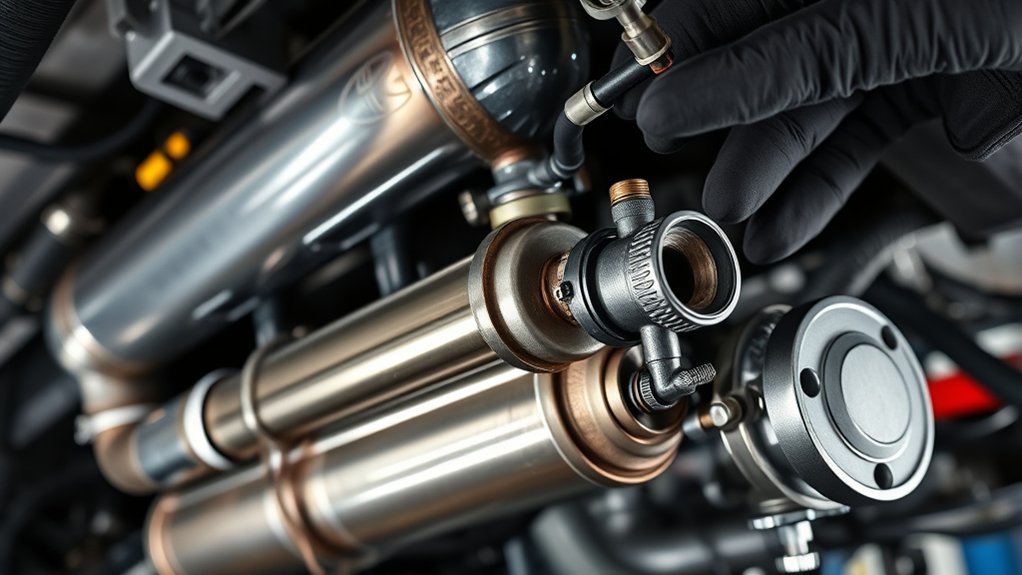
Although deleting emissions systems might seem appealing for boosting performance, it comes with considerable drawbacks that you should consider. While you may experience performance benefits like enhanced throttle response and improved airflow, these modifications can lead to unregulated fuel mixtures, ultimately decreasing vehicle efficiency.
Moreover, removing components such as the charcoal canister can release harmful vapors, greatly impacting air quality and violating environmental regulations. You’ll likely encounter a check engine light post-deletion, necessitating mimic valves to avoid error codes.
| Pros | Cons |
|---|---|
| Increased engine performance | Potential loss of vehicle efficiency |
| Enhanced throttle response | Environmental impact |
| Improved airflow | Check engine light triggers |
| Smoother operation with O2 delete | Complications in inspections |
How to Maintain Emissions Compliance While Modifying Your Vehicle
Modifying your Toyota Tacoma can enhance performance, but it’s vital to stay emissions compliant to avoid legal issues and maintain vehicle efficiency. Here are some strategies to guarantee you stay within regulatory guidelines:
Modifying your Toyota Tacoma can boost performance, but staying emissions compliant is crucial for legal and efficiency reasons.
- Understand Local Regulations: Research emissions laws in your area before making any modifications.
- Use the URD O2 Sensor Delete: This tool mimics original components to prevent error codes while allowing performance upgrades.
- Maintain Emissions Components: Keep essential parts like the charcoal canister and purge valve functional to support your vehicle’s Powertrain Control Module (PCM).
- Regularly Check Parts: Replace components like the PCV valve and thermostat to ensure peak emissions system performance.
Frequently Asked Questions
What Are the Components of the Evap System?
The EVAP system includes the charcoal canister, purge valve, vent valve, and fuel tank pressure sensor. Each component functions to absorb and manage fuel vapors, preventing emissions and ensuring ideal vehicle performance during operation.
What Is the Most Common Problem With a Toyota Tacoma?
One of the most common challenges you’ll face with your Toyota Tacoma involves engine performance issues tied to fuel efficiency concerns, particularly stemming from the secondary air injection system and fuel system components.
Conclusion
As you navigate the complexities of your Tacoma’s emissions system, remember that every component plays an essential role in maintaining compliance and performance. Neglecting these parts could lead to unexpected failures or costly repairs, leaving you stranded on the side of the road. Stay vigilant in your maintenance and modifications; the balance between power and responsibility is delicate. Will you take the necessary steps to protect your investment, or risk it all for fleeting gains? The choice is yours.