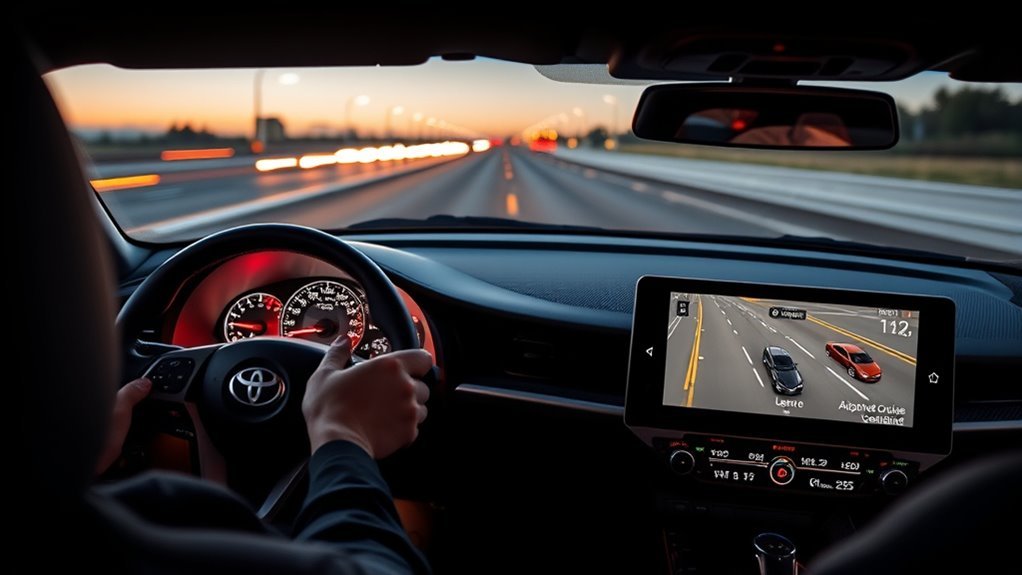
You use a sensor-fusion ADAS that combines camera, radar, and ultrasonic detectors to manage pre-collision braking, adaptive cruise control, lane tracking, and blind-spot monitoring. These systems provide warnings and intervene through automatic braking or steering within specific speed and sensor limits. Environmental factors and improper repairs can reduce performance, so you must prioritize regular maintenance and professional recalibration.
Quick Answer
The Toyota Supra ADAS uses radar and camera fusion to detect obstacles, maintain speed, and keep your vehicle in its lane. You must keep sensors clean and perform recalibration after bodywork or windshield replacements to ensure the system functions correctly. Always remain attentive, as these tools assist but do not replace your active control of the vehicle.
How Supra ADAS Works: Sensors, Camera, and Radar
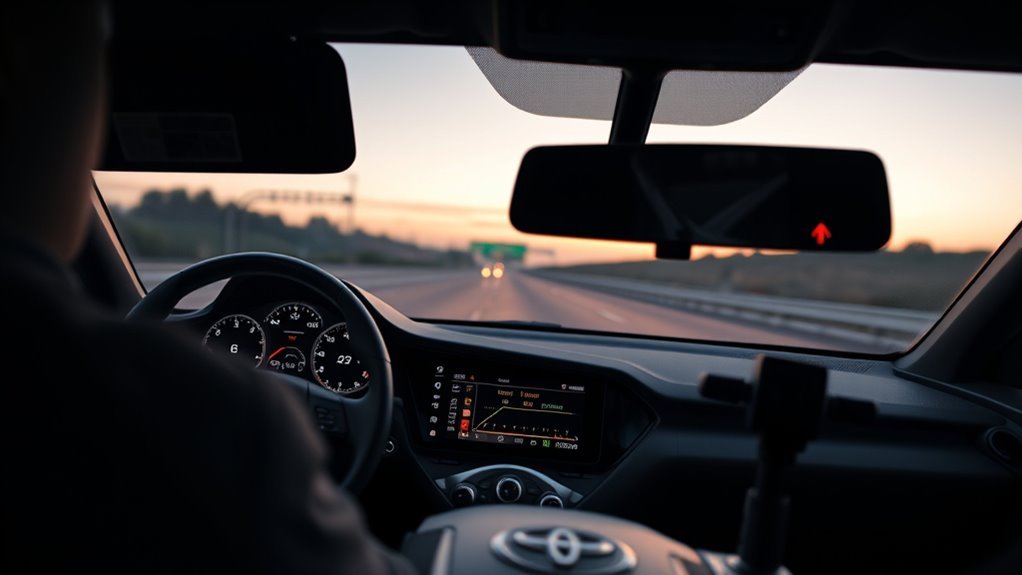
The Supra’s ADAS relies on a coordinated suite of sensors that monitor surroundings and feed real-time data to onboard control units. You use Sensor Fusion to merge camera inputs and radar data, creating a unified object model for the Pre-Collision System and Dynamic Radar Cruise Control. While the camera governs lane departure alerts and sign recognition, radar provides reliable range and velocity data in poor visibility.
Environmental factors like rain, glare, and dirt challenge detection and define clear system limits. Technology improves these algorithms over time, but you must respect the physical constraints of the hardware. This integration maintains your driving freedom while adding a protective layer of safety.
Key Driver Assistance Systems
The Supra features two primary systems designed for front-end safety. The Pre-Collision Braking System fuses radar and camera inputs to detect pedestrians or vehicles and applies automatic emergency braking when collision risk exceeds safe thresholds. Adaptive Cruise Control maintains your set speed while adjusting to the flow of traffic, which reduces driver workload on long highway trips.
Pre-Collision Braking System
This system tracks vehicles and pedestrians by calculating relative distance and closing speed. It issues audio and visual warnings if it detects a high risk of impact. If you do not react to these alerts, the system applies the brakes to mitigate or avoid a collision entirely.
| Component | Function | Benefit |
|---|---|---|
| Camera | Classifies objects | Precise target ID |
| Radar | Measures range | Reliable in poor light |
| Alerts | Audio/visual | Timely driver cue |
| Braking | Autonomous intervention | Reduces impact |
| Scope | Urban/highway | Broad protection |
Adaptive Cruise Control
Dynamic Radar Cruise Control (DRCC) maintains a preset following distance by adjusting your throttle and braking automatically. You engage this system at speeds above 20 mph to manage flow in varying traffic conditions. It processes sensor inputs in milliseconds to ensure smooth deceleration. Pair this with Lane Tracing Assist to reinforce your confidence during highway travel.
Pre-Collision System: Detection and Intervention
The Pre-Collision System (PCS) with Pedestrian Detection constantly measures your distance to objects in your path. You will see and hear warnings tuned to common collision scenarios. At speeds above 7 mph, the system calculates impact probability and applies the brakes if necessary. You retain full steering authority, but the system acts as a backup for split-second reaction times.
Dynamic Radar Cruise Control Operation
When you engage full-speed adaptive mode, the system keeps your set speed down to a complete stop and resumes automatically when traffic clears. You select the following distance based on your comfort and the current density of traffic. Always monitor the system feedback on your dash to ensure the gap remains appropriate for your speed.
Managing Following Distance
You can choose from multiple distance settings to define how closely you follow the lead vehicle. Customization lets you balance safety and traffic flow, especially during stop-and-go situations. Always use driver comfort settings to define your tolerance for proximity and remain ready to intervene if conditions change. Always consult your owner’s manual before relying on these settings in heavy rain or snow.
Lane Departure and Tracing Assist
The Supra’s Lane Departure Alert (LDA) and Lane Tracing Assist (LTA) monitor lane markings to prevent unintentional departures. LDA issues warnings if you drift without signaling, while LTA provides gentle steering input to keep you centered. Both systems engage at speeds above 30 mph. You can override these inputs at any time, as the system serves to amplify your control rather than replace it.
Road Sign Assist and Head-Up Display
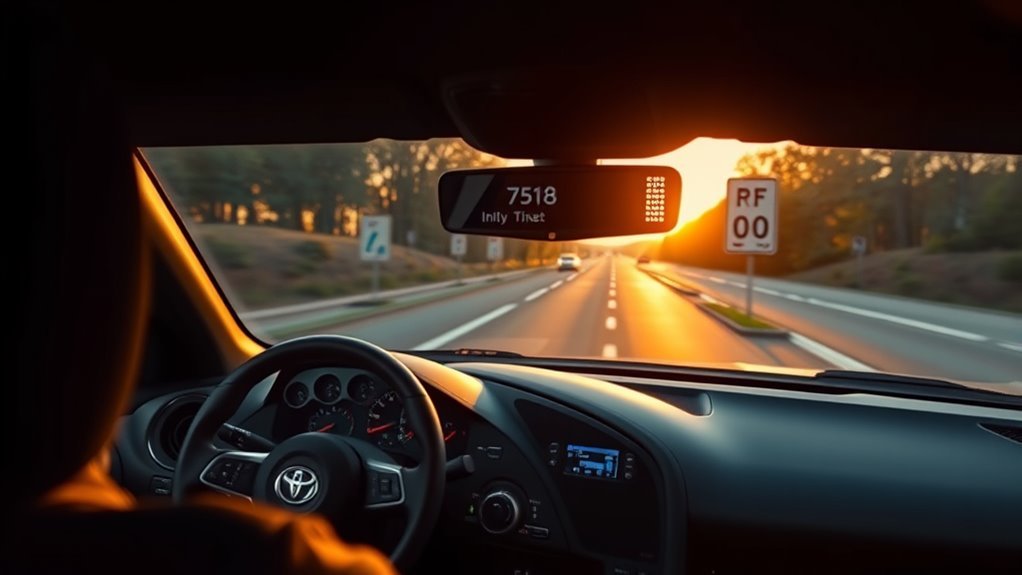
Road Sign Assist (RSA) and the Head-Up Display (HUD) work together to keep essential data in your line of sight. An intelligent camera detects speed limits and yield signs, then relays them to the HUD on your windshield. This reduces the time you spend looking away from the road. The system updates in real time to ensure you stay aware of changing traffic restrictions.
Blind Spot, Cross-Traffic, and Parking Sensors
Use the Blind Spot Monitor (BSM) for highway lane changes, as it provides visual alerts in your side mirrors when a vehicle occupies your blind zone. In parking lots, Rear Cross-Traffic Alert (RCTA) detects vehicles moving laterally behind you. Complementary ultrasonic parking sensors provide proximity warnings for low-speed maneuvers.
Blind Spot Monitor Performance
BSM engages at speeds above 20 mph to provide lane-change warnings. It watches adjacent lanes and warns you if sensors detect vehicles in your blind zones. Treat this as an augmenting sensor rather than a replacement for manual mirror checks. Always perform a visual scan before committing to a lane change.
Parking Sensor and Low-Speed Maneuvers
Ultrasonic sensors provide progressive audio cues to help you avoid obstacles when parking. These work differently than the radar systems used at highway speeds. They activate automatically at low speeds to help you navigate tight spots. When you combine these with RCTA, you gain better situational awareness while backing out of crowded spaces.
Troubleshooting System Failures and Environmental Limits
Obstructions like dirt, ice, or heavy mud can cause sensors to disengage or provide inaccurate data. You may experience false alerts if cameras misclassify reflections or heavy rain as obstacles. Keep your sensor lenses and mounting areas clean to preserve line-of-sight. Brief inspections before you start your drive prevent most common system malfunctions.
Calibration and Repair Requirements
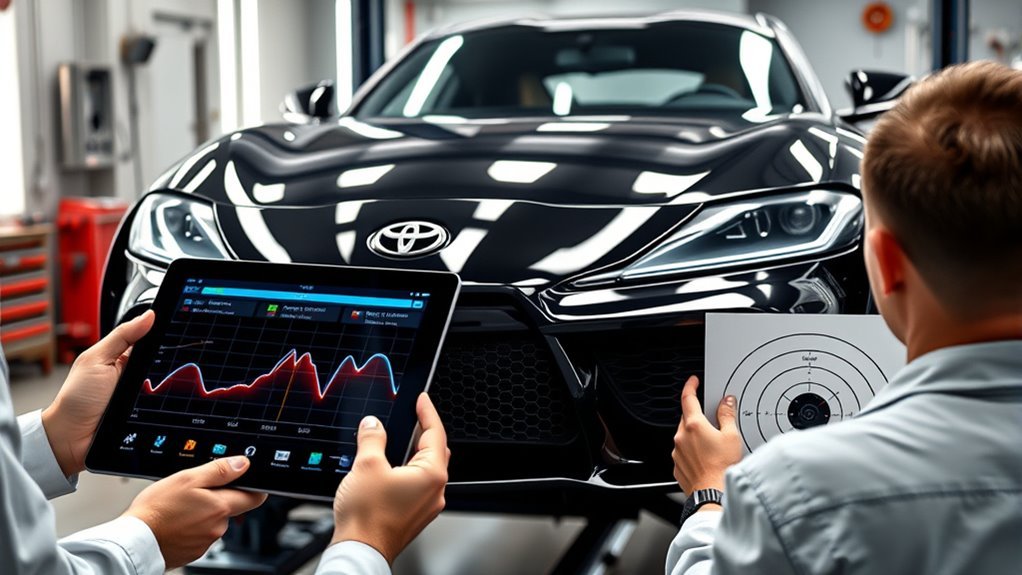
Any repair involving the windshield or body sensors requires a full ADAS recalibration. You must insist on manufacturer-grade diagnostic tools to verify that all cameras and radar modules meet original factory specifications. Keep documentation of all calibration steps for your vehicle records. Always consult a certified professional to ensure these complex systems maintain safety compliance after a crash or replacement.
Daily Use and Best Practices
Access your settings through the infotainment menu to customize your preferences for lane alerts and cruise control. Only trust these systems under their intended conditions, such as using cruise control on highways rather than complex urban streets. Maintain a hands-on approach and stay ready to take over at any moment. If you experience persistent performance drift, check for sensor blockages or contact a dealer for a system update.
Frequently Asked Questions
What is included in the Supra Driver Assist Package?
The package combines Pre-Collision braking, Lane Departure Alert with Steering Assist, Dynamic Radar Cruise Control, Automatic High Beams, and Blind Spot Monitoring. These technologies complement the vehicle’s performance by improving situational awareness.
Conclusion
The Supra’s ADAS functions as a sophisticated assistant that monitors your surroundings to help you avoid danger. While these tools manage repetitive tasks, you remain the primary pilot of the vehicle. You should keep your sensors clean, stay updated on calibration, and always prioritize your own observations over system automation. Drive with focus to ensure that these safety features truly enhance your experience on the road.