Quick Answer
The Toyota GR Supra Safety and Tech package includes the JBL premium audio system, adaptive cruise control, blind-spot monitoring, rear cross-traffic alert, and parking sensors. These features enhance both your entertainment experience and your safety by providing driver assistance and collision avoidance. Always verify your specific build with your local dealer to confirm which features are included in your chosen trim.
You access a precise suite of active and passive systems in the Toyota GR Supra. Toyota Safety Sense provides adaptive cruise control, automatic emergency braking, and lane-tracing assist to manage speed and steering inputs. Blind-spot monitors and rear cross-traffic alerts use side and rear sensors to detect obstacles. Anti-lock brakes, electronic stability control, and traction control modulate braking to preserve stability. Multiple airbags and a high-strength body structure protect you in a collision. The Safety and Tech package bundles JBL audio with these advanced driver-assistance systems.
Safety and Tech Package on the Supra: What’s Included
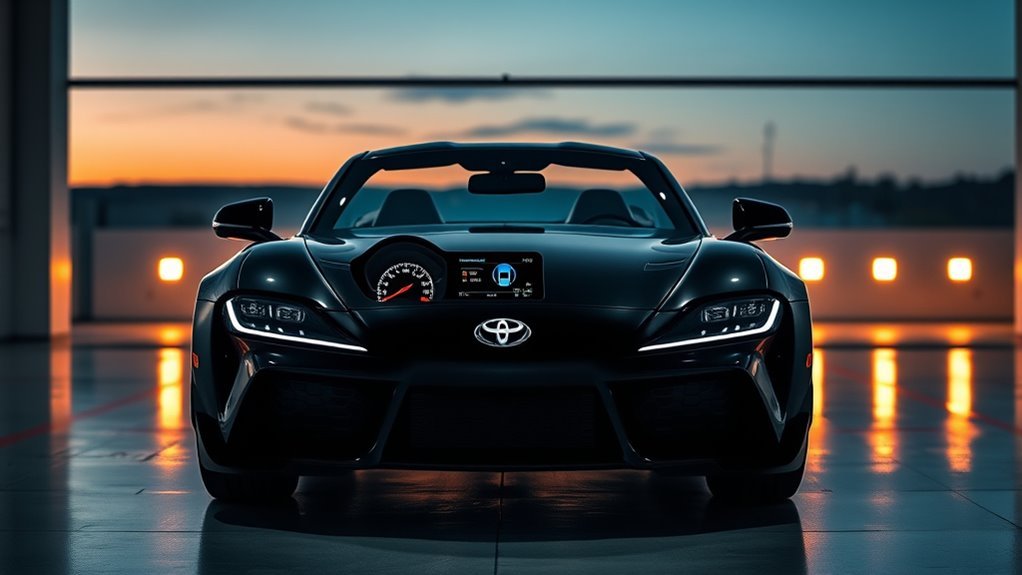
The Safety and Tech package adds a standard JBL audio system and several safety upgrades to your Supra. These additions boost driver protection and cabin comfort. You should verify exact contents with your dealer before ordering because online configurators sometimes show inconsistent information. The package remains available regardless of your paint choice. This bundle allows you to add advanced driver-assistance features without needing to select a specific trim level.
Toyota Safety Sense: ACC, AEB, and Lane Assist Explained
Toyota Safety Sense in the Supra uses three main systems to monitor your surroundings. Adaptive Cruise Control maintains a set speed while adjusting to the vehicle ahead to keep a safe following distance. Automatic Emergency Braking scans for obstacles and applies the brakes if you don’t respond to an imminent collision warning. Lane Departure Alert with Lane Tracing Assist provides corrective steering input if the car drifts from its lane. These standard features help you maintain control and improve your overall awareness on the road.
Blind-Spot Monitor and Rear Cross-Traffic Alert: How They Help
The Blind-Spot Monitor uses radar sensors to detect vehicles within 10 feet of your rear quarter panels. It provides a visual warning in your side mirrors to help you change lanes safely. Rear Cross-Traffic Alert identifies vehicles approaching from up to 65 feet away while you reverse. This helps prevent collisions in crowded parking lots. These systems integrate directly with Toyota Safety Sense to provide constant monitoring while you drive.
Blind-Spot Detection Benefits
The Supra’s blind-spot system provides electronic oversight to reduce collision risks during routine driving. Radar sensors scan adjacent lanes and trigger mirror indicators when another vehicle occupies your blind zone. These visual and audible cues help you make better decisions when changing lanes. By supplementing your visual checks, the system reduces the risk of side-impact collisions.
Rear Cross-Traffic Safety
Rear Cross-Traffic Alert provides rearward surveillance that lowers your collision risk when backing out of spaces. The radar sensors detect lateral motion from cars that might be blocked by larger vehicles or structures. This feature works with your rearview camera to give you a complete picture of your surroundings. It acts as a safety backup for your own perception during low-speed maneuvers.
ABS, ESC, and Traction Control: How They Work
The Supra uses three core stability systems to keep the car on the road. The Anti-lock Braking System prevents wheels from locking up during hard braking. Electronic Stability Control counters yaw and sliding by applying brakes to individual wheels. Traction Control manages engine torque to stop wheels from spinning during hard acceleration. These systems share sensor data to provide smooth, proportional interventions that keep you safe without hindering your driving experience.
| System | Trigger | Primary Action |
|---|---|---|
| ABS | Hard braking | Modulate brake pressure |
| ESC | Yaw/slide | Apply individual brakes |
| Traction Control | Wheel spin | Reduce torque/apply brake |
Airbags and Occupant Protection
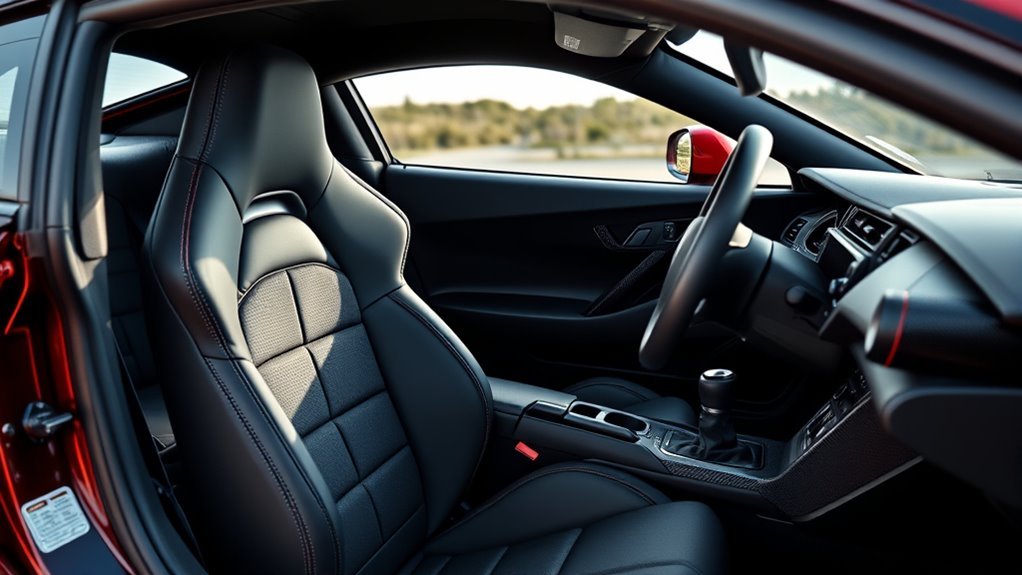
The Supra features a comprehensive occupant-protection package. This system includes multiple airbags, seatbelt pre-tensioners, and a high-strength body structure to manage crash energy. Front, side, and curtain airbags adapt their deployment strategy based on crash severity and seating occupancy. A passenger-detection sensor prevents unnecessary inflation while optimizing safety for occupants of different sizes. Always consult a qualified professional if you suspect issues with your airbag or restraint systems.
Parking Sensors, Cameras, and Low-Speed Aids
Parking aids in the Supra combine ultrasonic sensors and camera feeds to assist with low-speed maneuvers. You rely on visual cues from the rearview camera and audible tones from the parking sensors to avoid obstacles. Some models include automatic braking if the system detects an imminent impact. These tools provide reliable assistance in tight spaces like garages or narrow parking spots.
Why JBL Audio Is Bundled With the Safety and Tech Package
Toyota bundles JBL audio with the Safety and Tech package to increase the value of the option for buyers. This approach allows you to upgrade your sound system and safety features at a lower total cost than purchasing them separately. It also simplifies the production process for the manufacturer, which keeps vehicle costs lower for you.
Package Value Perception
Many buyers prioritize both audio fidelity and vehicle safety when they select options. By combining these features, the package offers improvements in two distinct areas of your daily experience. You gain a better signal-to-noise ratio and frequency response from the JBL system. Simultaneously, you benefit from the collision-avoidance capabilities of the driver-assistance suite.
Cost and Bundle Logic
Bundling provides cost-efficiency because it reduces the number of individual options you must choose. This simplified selection process helps you avoid errors when ordering your vehicle. It also ensures that the audio components and safety sensors use consistent wiring and electronic architecture. You get a predictable, factory-integrated experience that often performs better than third-party aftermarket modifications.
Technical Integration Benefits
The JBL audio system and safety warnings share the vehicle’s electronic bus. Toyota tunes these systems to ensure audio alerts remain clear and audible even when the music plays at high volume. The firmware harmonizes the timing of alerts to keep them intelligible while you drive. This integration minimizes distraction and ensures that important warnings reach you without delay.
Choosing Packages and Colors: What Affects the Supra’s Safety Options

Your exterior color choice does not change the availability or content of the Safety and Tech package. You can choose any color without sacrificing safety features or audio upgrades. Use the online configurator as a starting point, but always confirm your final build sheet with a dealer. Community forums can also help you see what other buyers have received in their specific production runs.
Common Configurator Issues and How to Verify Your Build
Online configurators sometimes display incorrect information due to system glitches. You should treat the information you see online as a general guide rather than a final contract. Always verify package contents by checking the official spec sheet against your specific VIN or order number. Consult with your dealer to ensure your final order contains the exact items you expect.
Configurator Display Errors
The Toyota build tool can occasionally mislabel package components or suggest incorrect availability. This often happens with the JBL audio system and specific safety bundles. If you notice a discrepancy, capture a screenshot and show it to your dealer. This helps them understand what you were looking for and allows them to clarify any errors in the system.
Verify Package Contents
You ensure accuracy by comparing the configurator’s output to official PDF brochures or spec sheets. Check multiple sources to see if others have reported the same issue with your chosen configuration. If you identify a conflict, ask your dealer for a written list of standard and optional equipment for your specific build. This proof helps you avoid surprises when your vehicle arrives.
Cross-Check With Dealer
Your dealer has access to the most current system information. Request a VIN-level build sheet before you put down a deposit. Ask them specifically if the Safety and Tech package includes the JBL system in your chosen trim. Document their answers to protect yourself against delivery errors.
Maintenance, Common Faults, and Troubleshooting
Consistent maintenance prevents many common performance issues. Follow the recommended schedule for oil changes, brake inspections, and tire pressure checks. If you notice electronic glitches, check your battery connections first, as low voltage often causes sensor errors. If a warning light stays on, consult your dealer for a diagnostic scan. Keep a record of all service performed to preserve your warranty and vehicle reliability.
Frequently Asked Questions
What Are the Safety Features of the GR Supra?
The GR Supra includes adaptive cruise control, lane departure alert, lane tracing assist, pre-collision detection, blind-spot monitoring, and rear cross-traffic alert. These features help you stay aware of your surroundings and react to hazards quickly.
Does the Supra Have Blind Spot Monitoring?
Yes, the Supra offers blind-spot monitoring as part of the Safety and Tech package. It uses radar to detect cars in your side blind zones and alerts you via indicators in the side mirrors.
At What Speed Does the Toyota Pre-Collision System Work?
The pre-collision system typically detects vehicles and pedestrians at speeds up to approximately 50 mph. It provides an audible alert first and will apply the brakes automatically if the system determines a crash is unavoidable. Always maintain focus while driving as these systems serve as supplemental protection.
Conclusion
Understanding the contents of the Safety and Tech package helps you make an informed decision when buying your Supra. You now know that this package includes essential safety and audio upgrades that are not affected by your color choice. Remember to verify your build directly with your dealer to confirm every feature. Regular maintenance ensures these systems continue to work correctly throughout the life of your vehicle.