Quick Answer
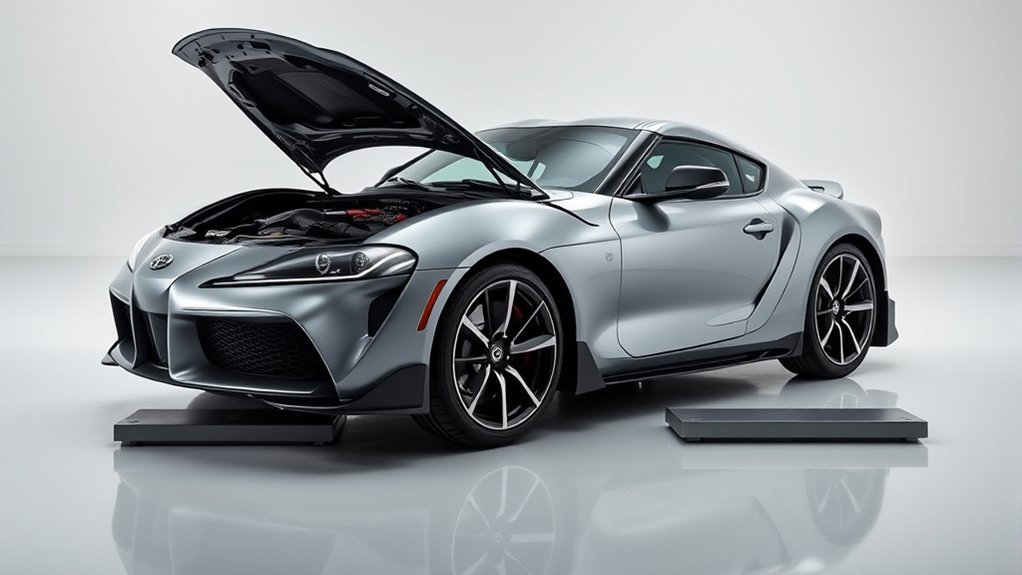
The Toyota GR Supra Sport Top features a removable two-piece composite roof designed to provide open-air driving without losing chassis rigidity. Unlike a full convertible, this system utilizes targeted underbody bracing to keep the car handling sharply. While currently a concept, the design focuses on preserving the coupe’s performance while honoring the removable roof legacy of the MK4 Supra.
Driving the Toyota GR Supra Sport Top brings a rare mix of open-air freedom and track-ready stiffness. This two-piece removable roof allows you to enjoy the wind and engine noise while keeping the car’s handling sharp through reinforced underbody bracing. If you want to understand how this system maintains performance while losing the roof, read on for the details on construction and driving dynamics.
Understanding the Targa Roof Experience
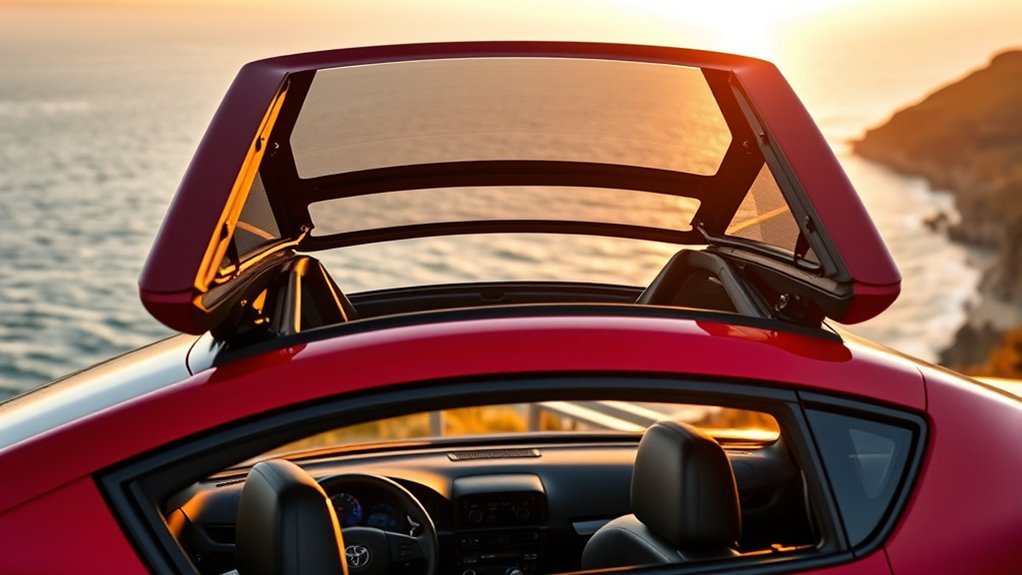
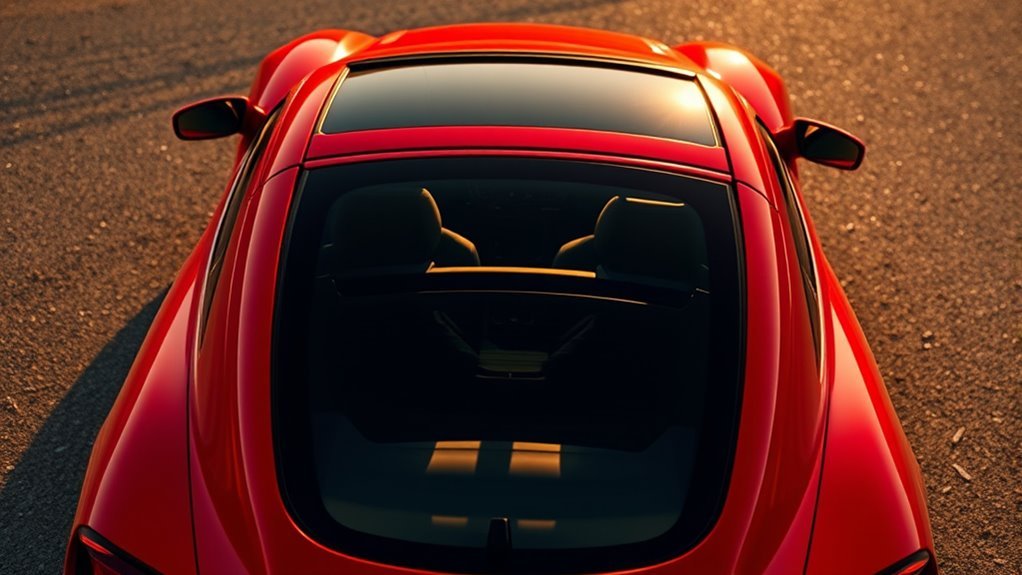
A targa roof acts as a compromise between coupe rigidity and open-air freedom. It uses a removable panel system to offer a convertible-like experience without the structural loss of a full roof delete. You remove two lightweight panels, stow them in the trunk, and open the cabin to the elements without a bulky central support bar. Extensive reinforcements maintain the car’s torsional stiffness, ensuring that handling remains precise during cornering.
Why Toyota Designed the GR Supra Sport Top
Toyota created the GR Supra Sport Top to blend nostalgia with modern engineering. By reviving the targa style of the iconic MK4 Supra, they provide you with an open-top experience on a high-performance, 500-horsepower platform. Enthusiasts frequently requested this feature, prompting Toyota to show that they could deliver an open-air driving experience without ruining the car’s track capabilities. This project demonstrates how the manufacturer uses fan feedback to explore future production possibilities.
Targa Roof Construction and Operation
The Sport Top roof uses two lightweight composite panels that you can remove manually. A specialized latch system with twin pull levers replaces standard fasteners to make the process quick and easy. 3D-printed inserts help align the panels and route drainage to prevent leaks inside the cabin. Follow these steps to remove the roof:
- Grip the composite panel and lift from the rear.
- Release the two pull levers to disengage the front catches.
- Stow both panels flat in the trunk area.
- Snap the 3D-printed inserts into place for a clean finish.
How Engineers Maintained Chassis Rigidity
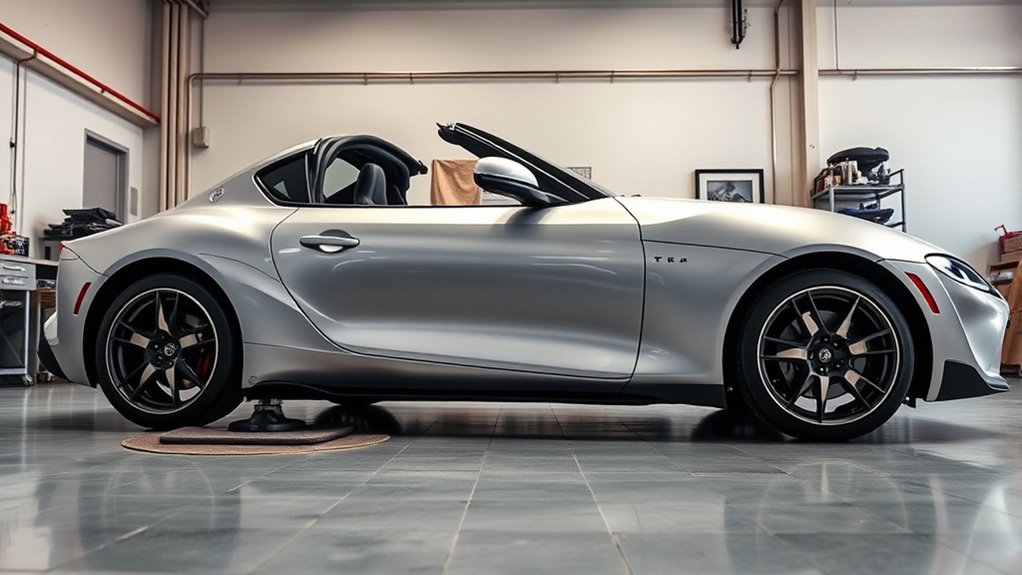
Removing a roof usually weakens a car’s structure, so engineers added custom metal supports extending from the engine bay to the rear. These reinforcements connect the floor and rails, keeping the chassis stiffness comparable to the standard coupe. These structural changes ensure you can push the car hard through corners with confidence. Always consult a qualified professional before making decisions based on this information regarding vehicle safety or structural modifications.
Performance Differences: Targa Versus Stock Coupe
Driving the Targa provides a more sensory experience, as the exhaust note sounds more immediate. The reinforced structure keeps the car’s handling crisp and predictable. However, the added weight of the structural reinforcements creates a minor penalty in 0-60 acceleration and turn-in sharpness compared to the lighter stock coupe. You gain an immersive driving feel while sacrificing only a small fraction of track-day agility.
Roof Removal, Storage, and Weatherproofing
The system stores the two panels flat in the trunk without requiring tools. The reinforced mounting points and engineered seals prevent rattles and cabin noise during high-speed driving. The fit remains OEM-level, meaning panel gaps appear consistent with the rest of the body. Proper storage prevents damage to the composite surfaces, so ensure the panels sit securely in the dedicated slots.
| Component | Benefit |
|---|---|
| Dual-lever latch | Tool-free removal |
| Nested storage | Anti-rattle security |
| Reinforced mounts | Structural integrity |
| Engineered seals | Noise reduction |
Styling and Heritage Design Elements
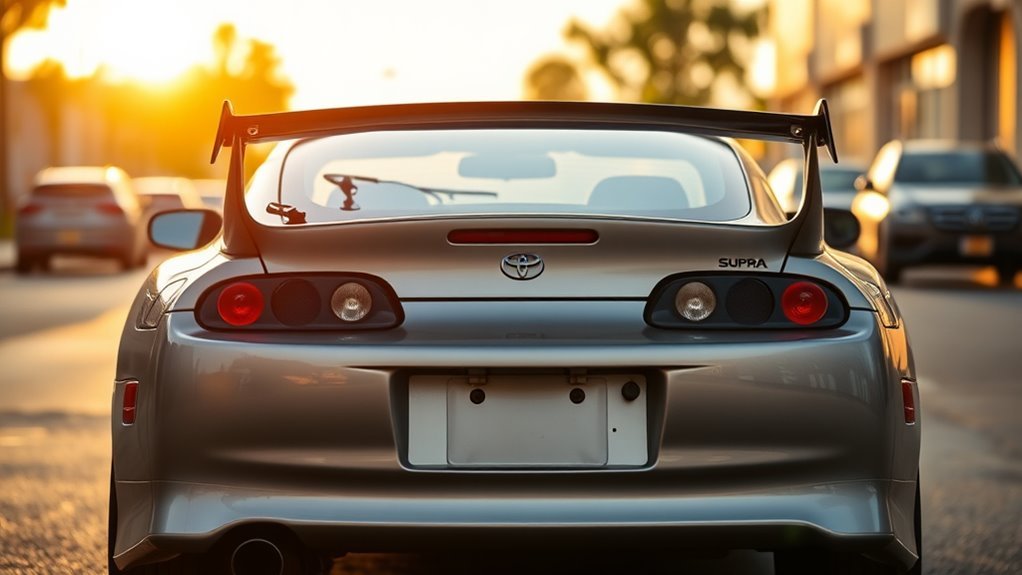
The car features MK4-style round LED taillights that reference the 1990s performance era. Designers revived the basket-handle spoiler to function as a genuine aerodynamic element rather than just a cosmetic upgrade. This piece improves high-speed stability and connects the modern GR Supra to its legendary predecessor. These choices prove that modern performance can exist alongside historical design cues.
Functional Aerodynamics of the Spoiler
The basket-handle spoiler serves a dual purpose by adding downforce and reducing drag at high speeds. This shape helps the car remain planted during spirited driving. By integrating this design, Toyota honors collectors while giving new drivers a car that feels grounded on the road. It represents a successful marriage of nostalgia and wind-tunnel testing.
Production Outlook and Aftermarket Options
Toyota has not confirmed a production version of the Targa. If they decide to build one, the factory-engineered solution will offer superior structural integrity and sealing compared to aftermarket kits. Aftermarket options often struggle with variable fitment and reduced chassis strength. For now, the Sport Top remains a concept intended to gauge interest among enthusiasts.
Common Questions About the Supra Targa
How does a targa differ from a T-top?
A targa top consists of one or two removable panels that span the full width of the roof without leaving a central support bar. A T-top uses two panels with a permanent bar running down the center of the roof.
Will a targa roof affect the vehicle warranty?
Standard factory warranties cover the vehicle as built. Because the Targa is currently a concept, no specific warranty information exists. If you modify a production Supra with an aftermarket roof, you risk voiding portions of your factory coverage.
Summary
The Supra Targa concept provides an open-air driving experience while keeping the chassis strength of a coupe. It balances the nostalgia of the MK4 era with the precision of modern engineering. If Toyota puts this model into production, it will offer a unique choice for drivers who want a classic aesthetic without compromising handling.