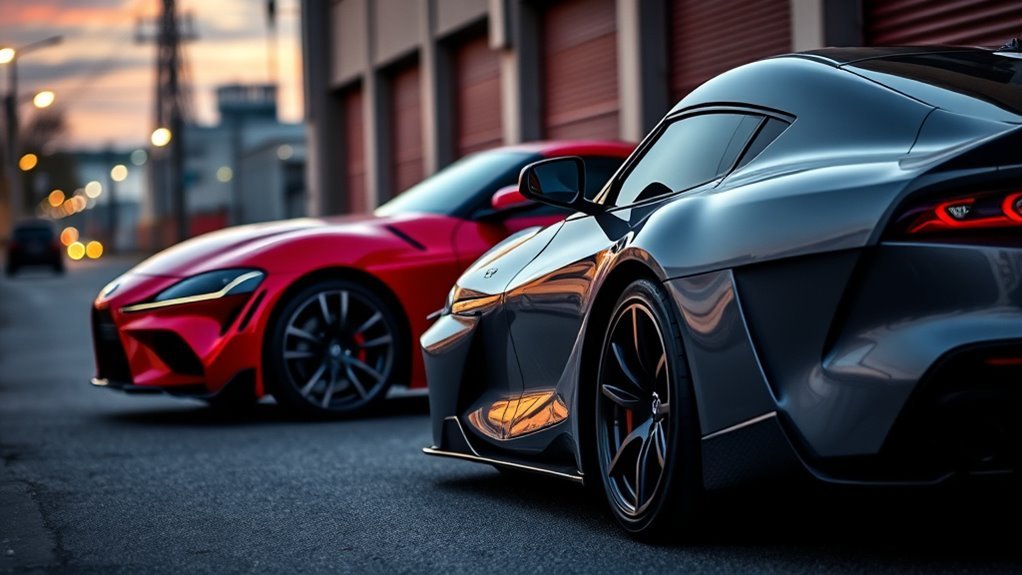
Choosing between a Toyota Supra A90 and A91 depends on whether you prioritize raw tuning potential or factory-refined performance and exclusivity. While both models use the legendary B58 inline-six engine, the transition from the 2020 A90 to the 2021+ A91 introduced significant mechanical and aesthetic updates. This guide clarifies these differences to help you select the right Supra for your driving style.
Quick Answer
The A90 refers to the 2020 model, while the A91 represents 2021 and newer versions with a more powerful 382-hp engine and structural refinements. Choose the A90 for its lower entry price and tuning flexibility, or opt for the A91 if you prefer superior out-of-the-box performance and limited-edition styling.
Engine Performance: B58 2-Port vs B58H 6-Port
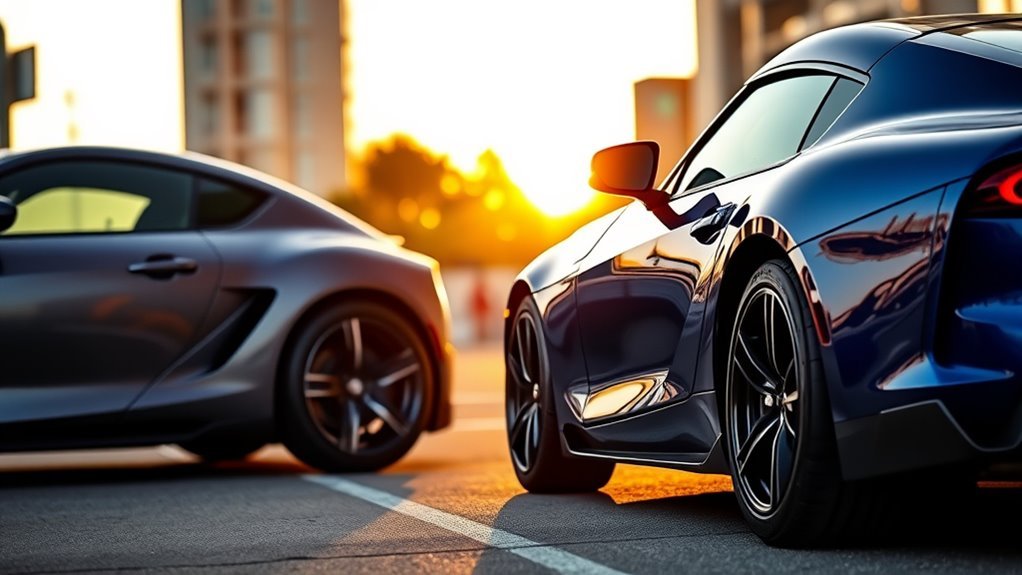
The primary difference between these models lies in the engine configuration. The 2020 A90 utilizes the B58 2-port engine, which produces approximately 335 hp. In 2021, Toyota upgraded the platform to the B58H 6-port engine, pushing output to 382 hp.
The 6-port head design on the A91 improves airflow efficiency. You will notice faster throttle response and a stronger pull in the mid-range RPMs compared to the 2020 model. Both engines pair with an eight-speed automatic transmission that delivers quick and precise gear shifts.
- A90 (B58 2-port): Offers reliable power and is a favorite for those planning custom engine builds.
- A91 (B58H 6-port): Provides higher peak output and better thermal efficiency for spirited driving.
- Shared trait: Both rely on a turbocharged inline-six architecture known for excellent durability.
Special Editions: A91 and A91-MT Features
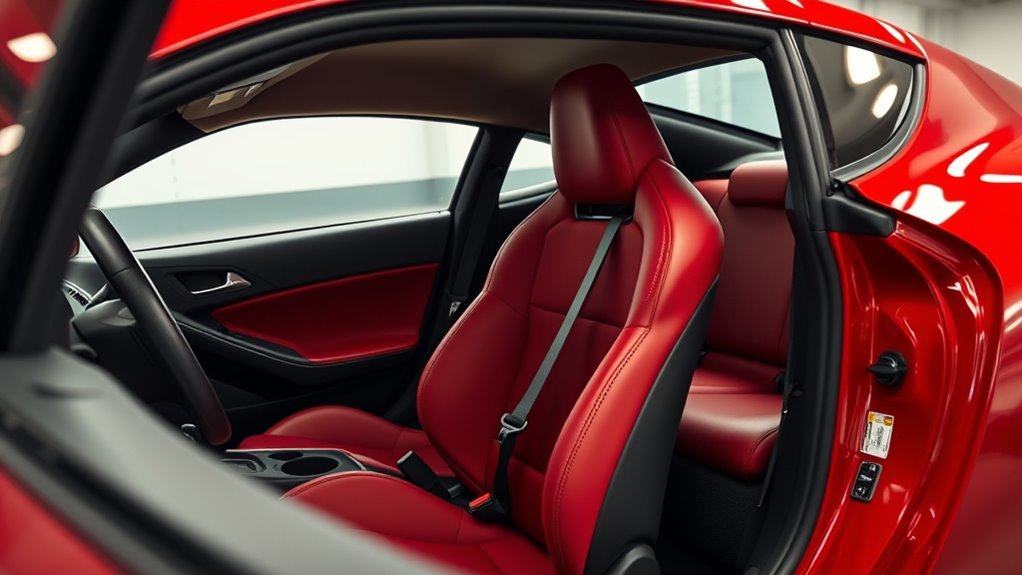
The A91 trim level introduced limited-edition variants that focus on aesthetics and driver engagement rather than just engine power. The A91 Edition, limited to 1,000 units, features unique color options and interior styling touches like blue stitching.
The A91-MT Edition caters to purists who demand a manual transmission. This model includes a specifically tuned six-speed manual gearbox, a reinforced clutch, and altered final drive ratios. With only 500 units produced for the launch year, this variant carries significant collectibility potential for automotive enthusiasts.
Driving Dynamics and Chassis Refinements
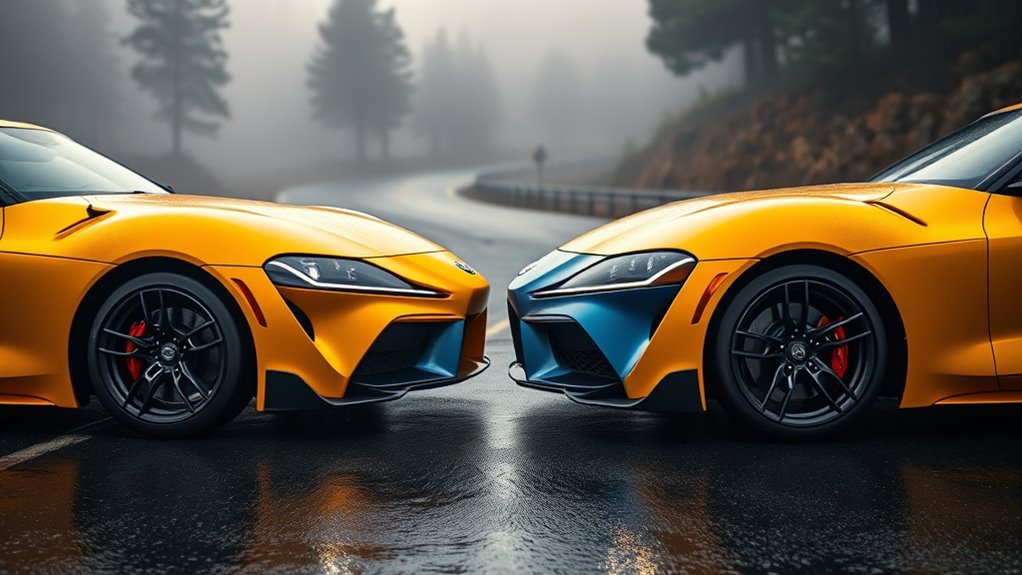
Toyota implemented several chassis updates on the A91 to improve handling precision. Engineers revised the dampers and added extra structural bracing to tighten body control during cornering. These changes create a more communicative steering feel and improve the car’s stability on uneven surfaces.
Real-World Performance Feel
While both models feel fast, the A91 offers a more polished experience. You will find that the car stays planted more easily when pushed through tight turns. The steering is slightly sharper, which helps you place the vehicle with more confidence on winding back roads.
Handling and Chassis Updates
The mechanical changes made to the A91 focus on reducing body roll and sharpening turn-in. Toyota adjusted the power steering software to provide more feedback, which translates into a more natural connection between the driver and the road.
| Element | A91 Improvement |
|---|---|
| Dampers | Retuned for better body control |
| Bracing | Increased rigidity for stiffness |
| Steering | Enhanced feedback and precision |
Daily Driving Comfort
If you use the Supra as a daily commuter, the A91 offers a slight edge in ride quality. The revised damper tuning manages bumps and road imperfections better than the 2020 setup. Both cars remain highly practical for daily use thanks to their reliable drivetrains and comfortable cabin ergonomics.
Price and Resale Trends
The A91 trims command a higher MSRP due to their limited production numbers. While standard models represent a rational choice for those avoiding excessive depreciation, the A91-MT has shown potential to retain value better due to its rarity. Always remember that market conditions for collector cars fluctuate based on mileage and condition.
Choosing the Right Supra
If you want the most mechanical connection, the A91-MT remains the top choice. Collectors who value provenance should target the limited-run A91 trims to preserve value over time. For those who want a capable base for performance modifications, the A90 remains a fantastic value.
Transmission Comparison
The manual transmission in the A91-MT provides a tactile experience that the automatic lacks, though it is slightly slower in a straight-line sprint. The automatic transmission remains the better choice for those who frequently navigate heavy traffic. Choose based on your primary use case, whether that is track performance or comfortable road travel.
Collector Considerations
Scarcity drives collector value. With only 500 A91-MT units available, these cars offer a unique opportunity for long-term ownership. Standard A90 models offer a lower cost of entry, which makes them perfect for owners who plan to drive their cars frequently without worrying about odometer miles.
Quick Buying Checklist
- Pick the A90 if you want the most affordable way to enjoy the Supra platform and intend to modify the engine.
- Pick the A91 if you want a more refined factory suspension and the extra power of the 382-hp engine.
- Pick the A91-MT if you prioritize manual shifting, exclusivity, and a unique interior color palette.
Frequently Asked Questions
What distinguishes the A91 Edition?
The A91 Edition features cosmetic upgrades like carbon-fiber rear trim and exclusive colors, though the engine power remains identical to the standard 2021+ Supra.
Why is the A91 considered an upgrade?
The A91 features a more powerful 6-port engine and structural chassis improvements that result in a more controlled, comfortable, and precise driving experience.
Are there common issues to watch for?
Owners occasionally report electrical gremlins or suspension wear. Regular maintenance and prompt attention to warning lights will keep your vehicle performing reliably. Always consult a certified mechanic before purchasing a pre-owned vehicle.
Can I tune the A91?
Yes, the B58H engine is highly responsive to tuning. Many owners achieve significant horsepower increases while maintaining the car’s excellent drivability.
Conclusion
The A91 offers a more powerful engine and refined handling, while the A90 remains a strong and capable performer that provides excellent value. Focus on your specific goals—whether that is collector rarity, manual engagement, or tuning potential—to determine which model suits you. Once you have identified your needs, check local listings to find a well-maintained example that matches your budget.