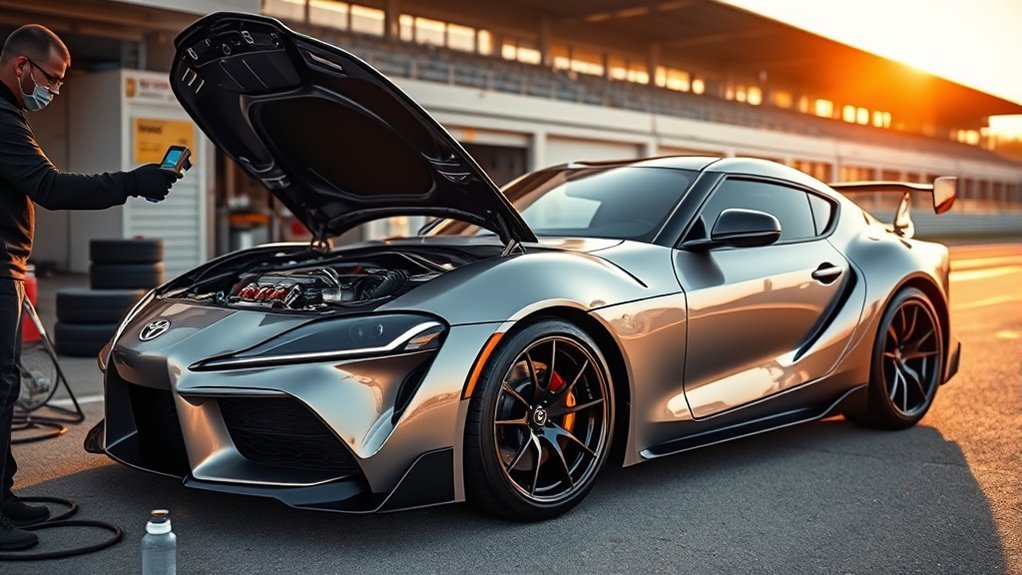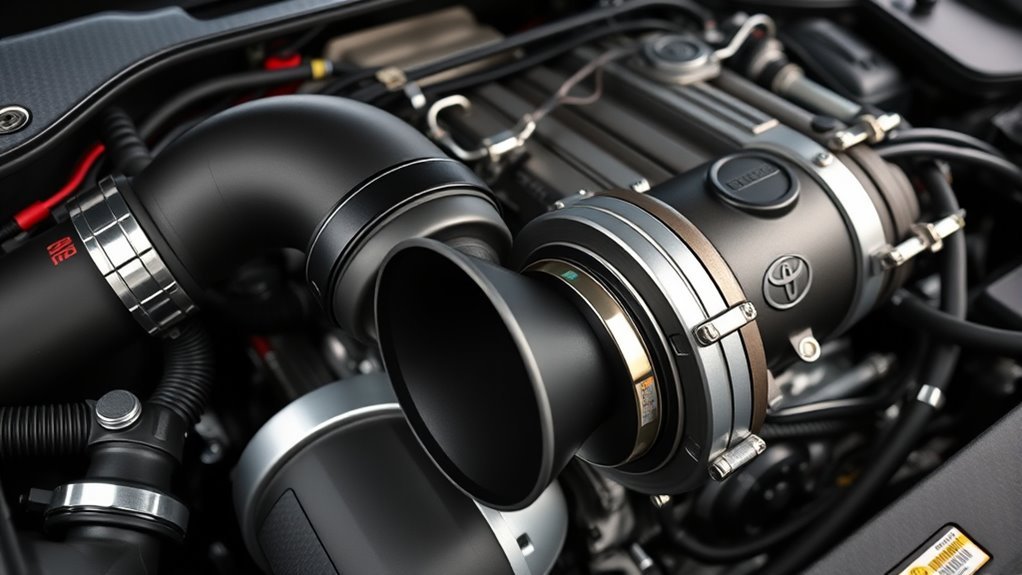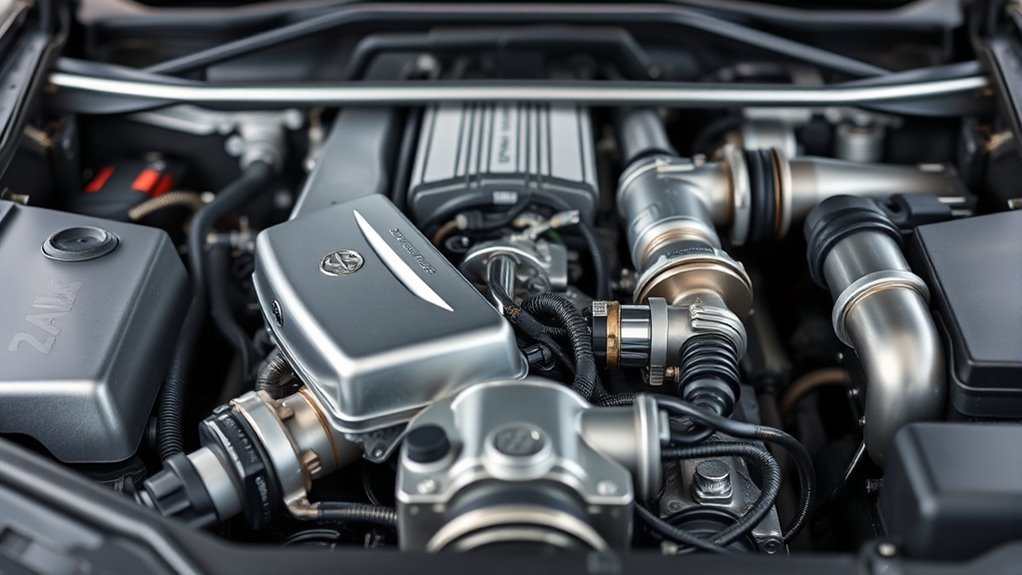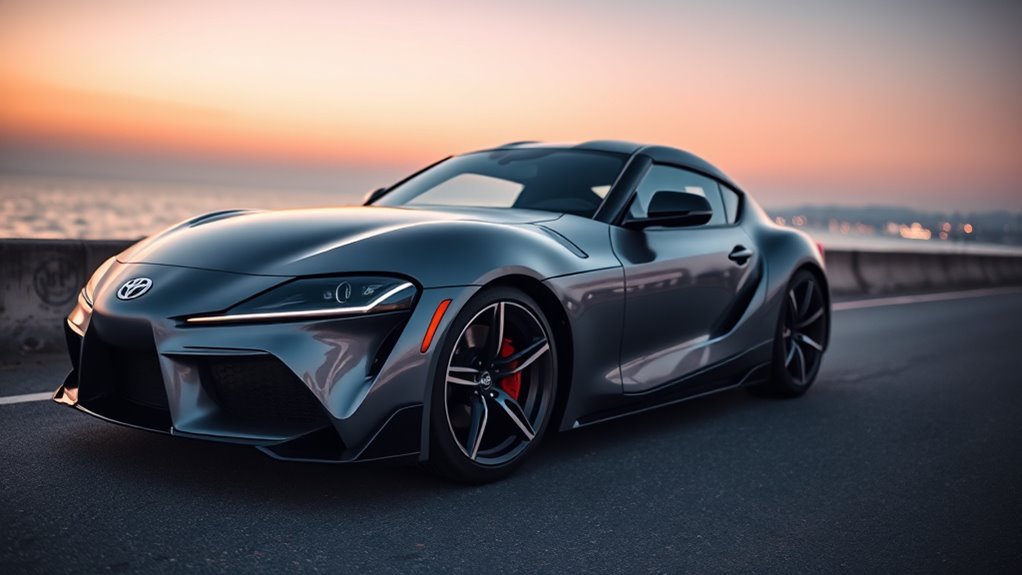
The MK5 Toyota GR Supra combines track-ready performance with daily usability. It utilizes a powerful turbocharged inline-six engine and a balanced chassis to deliver sharp handling and quick acceleration. While it shares core components with BMW, Toyota’s specific tuning gives the car a distinct character that appeals to both performance enthusiasts and daily drivers.
Quick Answer
The MK5 Toyota GR Supra is a high-performance sports car co-developed with BMW, featuring a 3.0L turbocharged inline-six engine. It offers superior acceleration and modern technology compared to the older MkIV model. This car serves drivers who want a balance of daily comfort and track-capable agility.
Development and Platform Origins
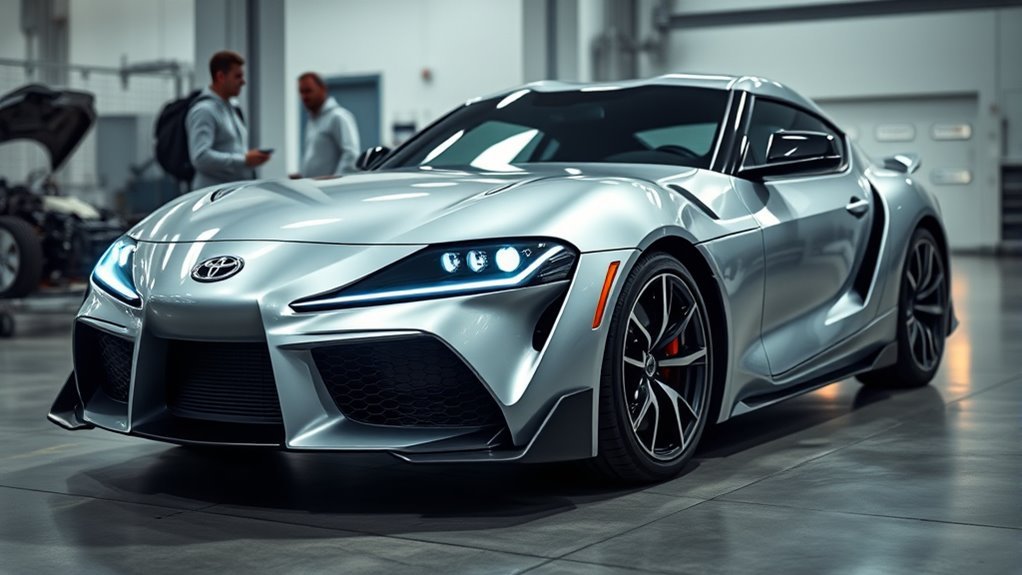
Toyota launched the MK5 GR Supra in 2019 to revive the legendary nameplate. The project grew from a partnership with BMW, which provided the platform shared with the Z4. Engineers aimed for a 50-50 weight distribution to ensure precise handling.
Designers drew inspiration from the FT-1 concept car to create a compact, purposeful shape. Toyota took the lead on chassis tuning and final identity, while BMW provided the engine and transmission technology. This collaboration allowed for a focused sports car that avoids the complexity of a completely new platform.
Performance and Real-World Metrics
The MK5 GR Supra features a 3.0L turbocharged inline-six engine known as the B58. This unit produces between 335 and 382 horsepower depending on the model year and trim. You can choose between an 8-speed automatic or a 6-speed manual transmission.
Acceleration is a strong suit for this platform. Most independent tests record 0-60 mph times near 3.9 seconds for the 382-horsepower models. The B58 engine is also popular in the tuning community, as its robust design supports significant power increases with aftermarket modifications.
Driving Dynamics and Interior Technology
The car’s design focuses on functional aerodynamics, such as a flat underbody that reduces drag at high speeds. Stiff suspension tuning sharpens turn-in, making the car feel agile on winding roads. The interior prioritizes the driver, with deep-bolstered sport seats that hold you firmly in place during hard cornering.
Technology inside the cockpit centers on the Supra Command dial. This interface allows you to manage navigation and audio settings without looking away from the road. The cabin blends luxury materials with a driver-focused layout to ensure you stay comfortable during daily commutes.
Comparison with the MkIV and Industry Rivals

The MK5 Supra offers significant upgrades over the classic MkIV, including better safety systems and faster acceleration. While the MkIV remains a cultural icon due to the 2JZ engine, the MK5 provides better reliability and modern convenience features. It competes directly with cars like the BMW M2 and Porsche 718 Cayman.
Compared to these rivals, the Supra often wins on value and straight-line speed. However, it trails slightly in pure tactile feedback compared to the Porsche. Always consult a qualified mechanic if you plan to push your car on a track regularly.
- Heritage: MkIV remains a cult classic, while MK5 offers modern reliability.
- Performance: MK5 delivers higher stock horsepower and better transmission response.
- Usability: MK5 features updated infotainment and driver assistance systems.
- Engagement: Competitors like the Cayman offer more raw, analog driving sensations.
Ownership and Maintenance Considerations
Owning an MK5 Supra requires an understanding of its BMW-derived mechanical parts. You should expect maintenance costs similar to luxury European vehicles rather than standard Toyota economy cars. Parts such as plastic intake components and cooling system seals may require attention over time.
Higher-performance driving often increases wear on these specific parts. If you plan to buy one, verify the service history to ensure the previous owner maintained the cooling and turbo systems. Limited editions generally hold their value better than base models.
| Factor | Impact |
|---|---|
| Ownership costs | Higher than average |
| Common repairs | Intake, coolant, turbo |
| Limited editions | Higher value |
| Ideal buyer | Performance-focused |
Frequently Asked Questions
What is the MK5 Supra based on?
The MK5 Supra shares its platform and many mechanical components with the BMW Z4. This partnership allowed Toyota to use a proven, powerful inline-six engine while focusing on their own suspension and chassis tuning.
Which is faster: MkIV or MK5?
The MK5 is faster in stock form. With 382 horsepower and modern transmission technology, it completes the 0-60 mph sprint quicker than the factory-spec MkIV.
Are MK5 Supras rare?
The model remains relatively exclusive due to targeted production numbers and special editions. While you can find them on the secondary market, low-mileage examples and special editions are becoming harder to locate.
Conclusion
The MK5 Toyota GR Supra represents a balanced approach to the modern sports car. It provides enough performance to satisfy track enthusiasts while remaining comfortable enough for daily use. Focus your search on well-maintained models to ensure the best experience with this platform. Now that you understand the mechanics and capabilities of the GR Supra, you can decide if it belongs in your garage.