Toyota chose the name “Supra” from the Latin word for “above” to signal a clear departure from the Celica. The company built the car to deliver more power, better handling, and a premium feel. This guide covers how that name evolved from a trim level into a standalone automotive icon.
Quick Answer
The name “Supra” comes from the Latin term meaning “above” or “to surpass.” Toyota selected it to position the model as a high-performance flagship that offered more power and luxury than the standard Celica. Today, it remains a symbol of Toyota’s commitment to advanced sports car engineering.
What Supra Literally Means (And Why Toyota Chose It)
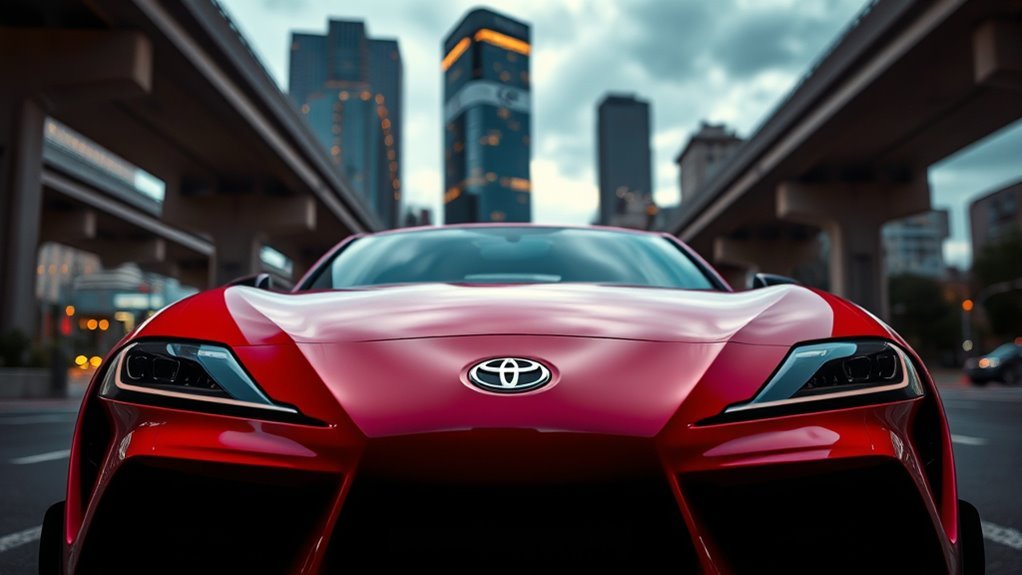
Names carry weight in the automotive industry. By choosing a Latin-derived term that means “above” or “to surpass,” Toyota signaled that the Supra was not just another trim level. The company wanted to distinguish the model from the mainstream Celica lineup.
Engineers and marketers used the name to set specific goals for each generation. They prioritized higher power output, advanced technical features, and a unique badge. This approach helped the Supra find a home with drivers who wanted more than an ordinary sports car.
How Toyota Positioned the Supra Above the Celica
Toyota launched the first-generation Supra in 1979 as a direct upgrade to the Celica. It featured a 2.6-liter inline-six engine and premium cabin materials that justified its higher price point. These choices helped the model stand out as a legitimate grand tourer rather than just a modified hatchback.
The second generation furthered this gap by adding a 2.8-liter engine and independent rear suspension. Toyota also introduced distinct trim levels like the P-type and L-type to cater to different driver needs. These upgrades proved that Toyota viewed the Supra as a flagship vehicle for the brand.
How the Supra Badge Changed Across Generations
Tracking the Supra badge reveals the story of the car’s independence. Early models relied on the Celica connection to build trust with buyers. By the late 1980s, the A70 generation introduced a standalone badge that represented the model’s shift toward high-performance engineering.
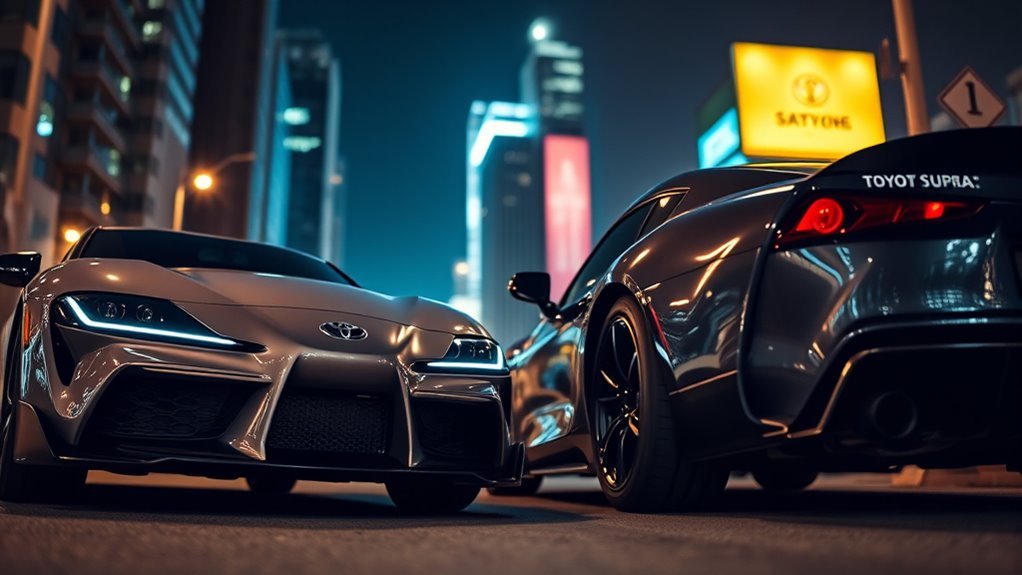
The A80 generation solidified the name in popular culture, often associated with extreme tuning potential. The modern GR badge honors that history while highlighting current collaborative efforts.
- 1979: Celica Supra — emphasized family ties and entry-level luxury.
- Late 1980s/A70: Supra — marked the shift to a dedicated performance model.
- A80: Iconic Performance Badge — defined by massive power potential and racing success.
- 2019 GR: Modernized Badge — reflects a partnership focused on agility and precision.
Why Supra Became a Cultural Icon
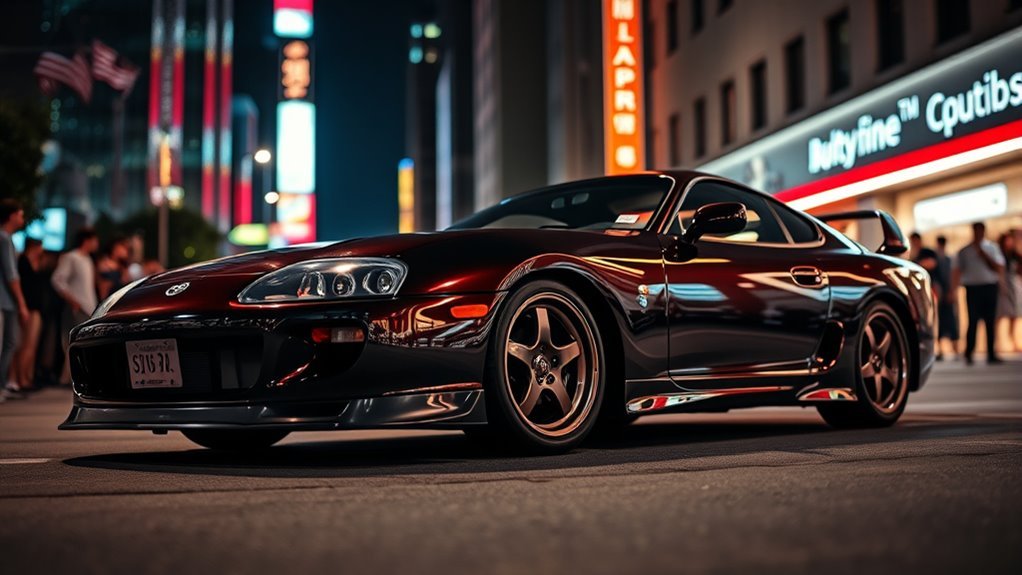
Heritage turned the Supra into a legend. Toyota established a clear trajectory starting in 1979 by focusing on durability and raw power. The introduction of turbocharged variants in the 1980s and the legendary 2JZ-GTE engine in the 1990s gave tuners a platform to build cars that could exceed factory limits.
Film appearances and grassroots racing success amplified this reputation. Enthusiasts documented massive power gains from simple modifications, which turned the Supra into a symbol of automotive freedom. The car became a favorite because it provided a solid foundation for owners to build their own unique machines.
What the Supra Means Today
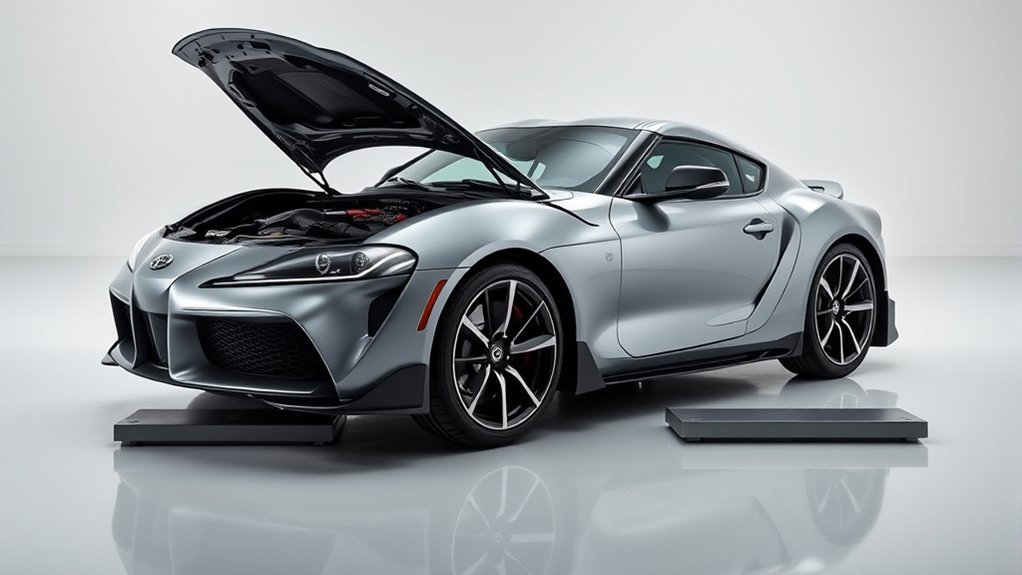
The 2019 GR Supra serves as a modern bridge to the car’s performance roots. It uses a turbocharged 3.0-liter inline-six engine to deliver strong acceleration and precise handling. Toyota collaborated with BMW to develop the chassis, ensuring the car remains competitive against rivals like the Porsche 718 Cayman.
This generation proves that the “Supra” name still stands for performance. It combines modern technology with the balanced weight distribution that defined past models.
Frequently Asked Questions
Why does Toyota use the name Supra?
Toyota uses the name to signal that the car surpasses ordinary models. It represents a commitment to high-performance engineering and the pursuit of a superior driving experience.
What makes the Supra different from a Celica?
The Supra features larger engines, advanced suspension systems, and more luxurious interiors. It functions as a standalone flagship, whereas the Celica occupied a more mainstream position in Toyota’s lineup.
Is the modern Supra a true descendant of the original?
Yes. The modern GR Supra carries over the front-engine, rear-wheel-drive layout and the signature inline-six engine configuration that defined the brand’s heritage for decades.
Conclusion
The name “Supra” reflects a clear evolution from a simple trim level to a global performance icon. By prioritizing engineering and power at every step, Toyota turned a Latin term into a badge that enthusiasts respect. This legacy remains vital as new generations of drivers explore the limits of the current GR lineup.