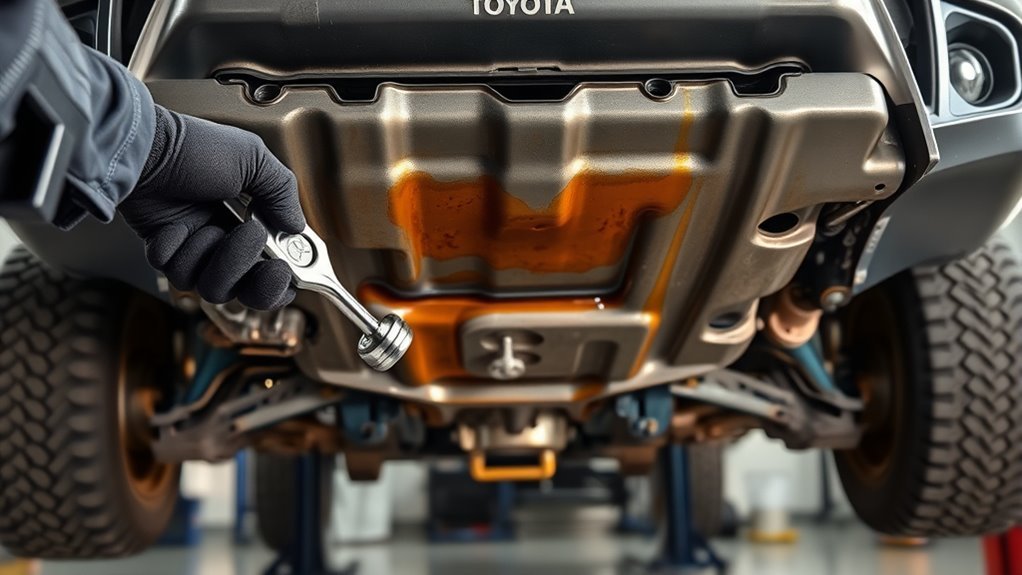
You can often find and fix a Toyota Tacoma oil leak yourself by methodically cleaning suspect areas, inspecting gasket seams, and watching for fresh wetness after a short drive. Use brake cleaner, a flashlight and mirror to expose drips, or add UV dye and scan with a black light to trace the source. Focus on valve cover, timing cover, oil pan, filter and drain plug. Tighten to spec or use RTV for small gaps, and keep following for step‑by‑step repair and prevention.
Quick Diagnosis: Find a Tacoma Oil Leak in 5 Minutes
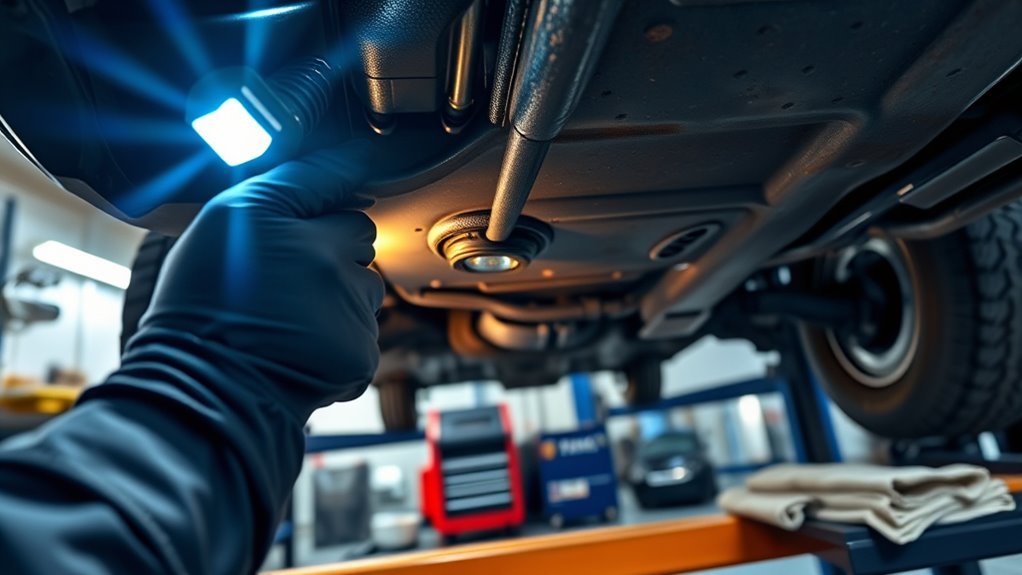
Want to find a Tacoma oil leak fast? Start with a focused visual inspection: scan the oil pan, valve cover gaskets, timing cover seal, oil filter, and drain plug for fresh wetness or buildup. You’re looking for clear leak symptoms — drips, pooled oil, or dark grime that reappears after wiping. Use brake cleaner to degrease the suspect area so new spots stand out; clean surfaces shorten diagnostic time and reduce false leads.
After cleaning, apply simple diagnostic tools: a flashlight for shadows, a mirror for hard-to-see areas, and gloves to feel for seepage. Monitor the cleaned zones for a short run or a brief drive; check again for fresh oil deposits. Repeat inspections at intervals to catch intermittent leaks before they worsen. This methodical, minimal routine frees you from guesswork and gets you to targeted repairs with efficient, actionable information.
Pinpoint the Leak: Clean, UV Dye, and Tracing Steps
You’ve cleaned and monitored the suspect areas; now focus on isolating the exact leak path with a methodical tracing approach. Start with targeted cleaning methods: spray brake cleaner, wipe thoroughly, and remove all residue so fresh oil shows immediately. Mark cleaned zones with tape or chalk to watch for new stains.
Next, apply a UV leak detection dye to the oil system per product directions. Run the engine and drive a couple hundred miles to circulate dye and let leaks manifest under normal pressure and vibration. In a dark environment, scan with a black light—follow bright trails back to their origin rather than the largest drip.
While tracing, inspect hardpoints: filter interface, drain plug, pan seams, and seals for accumulation or wetness. Log observations and photos; this frees you from guesswork and lets you target repairs. Consult community forums for tips on tricky trails, then plan the corrective step with confidence.
Most Likely Culprits: Valve Cover, Timing Cover, Oil Pan
Start by focusing on the three most common leak sources—valve cover gasket, timing cover, and oil pan—since each has distinct clues and repair scopes you’ll want to distinguish before committing time or money. You’ll inspect seals, trace drips, and prioritize fixes that restore control over your vehicle and budget. The valve cover often fails from heat and age, seeping oil at the head. Timing cover leaks, common on 4.0 V6 Tacomas, usually show above the power steering pump. The oil pan leaks from impacts or worn gasket, leaving drips beneath the engine.
| Component | Typical symptom |
|---|---|
| Valve cover | Oil around rocker cover, slow seep |
| Timing cover | Leak above PS pump, concentrated spray |
| Oil pan | Puddles under engine, impact damage |
Expect leaks across wide mileages (20k–400k). Repairs can be labor-intensive; out-of-warranty jobs often approach $1,500. Inspect methodically, document findings, then decide whether to repair or seek liberation via professional help.
Fix Tacoma Oil Leaks Yourself: Safe DIY and Temporary Tricks
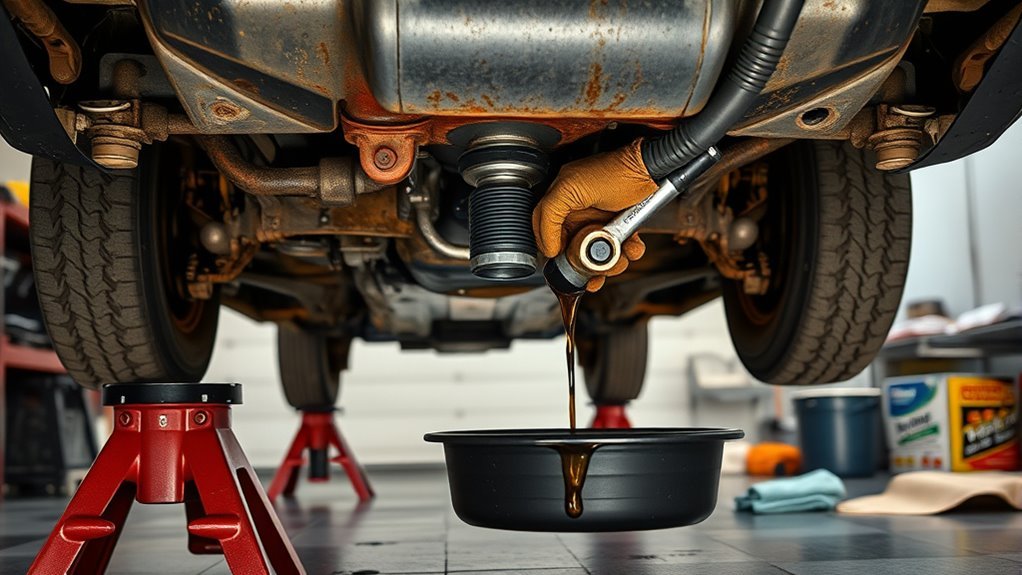
When you find the leak source, clean the area with brake cleaner, let it dry, and watch for fresh oil to confirm the exact location before applying any fixes. You’ll use disciplined engine cleaning techniques to verify the problem and avoid wasted effort. Follow methodical steps that free you from dependency on a shop.
- Locate and confirm: inspect after cleaning; note gasket edges, bolt areas, and seals.
- Tighten bolts: torque to spec where accessible to reduce seepage; don’t overtighten and risk damage.
- Apply DIY sealant options: use RTV silicone sparingly on small gasket gaps as a temporary seal; allow full cure before running.
- Additives and monitoring: consider stop-leak additives for minor rubber-seal leaks, then check oil level daily and re-inspect leak points.
These actions buy time and autonomy. Keep records of interventions and monitor closely; temporary fixes are tactical, not permanent solutions.
When to See a Shop: Warranty, Cost Estimates, and What to Demand
After you’ve verified the leak and tried temporary fixes, know when to stop and take the Tacoma to a shop: if the truck is under 60,000 miles check warranty coverage first—oil pan seal issues are often covered—and get a dealer estimate before spending on parts or additives. You should prioritize a dealer inspection to confirm coverage and document the defect; warranty coverage can eliminate labor and parts costs that otherwise run high.
If out of warranty, expect repair options that include full oil pan reseal using Toyota FIPG sealer and potential component replacement. Labor dominates cost: 20–30 hours at $80–$125/hour yields a typical $1,500 range. Ask the shop for a written estimate with labor hours, hourly rate, parts list, and the specified FIPG sealer. Demand a clear timeline and test-drive verification. Choose the option that preserves your autonomy: documented estimates let you seek second opinions or negotiate, preventing overcharge and ensuring durable repair.
Prevent Repeat Leaks: Maintenance Checks and Monitoring Tips
If you want to prevent repeat oil leaks on a Tacoma, set up a regimented inspection and maintenance routine that focuses on seals, fasteners, and fluid levels; check the oil pan, timing cover area, oil filter flange, and visible gasket seams every oil change, and immediately note any fresh seepage or residue. You’ll combine preventive maintenance with active oil monitoring to keep freedom from recurring failures.
- Inspect seals and gaskets for cracking or displacement; prioritize timing cover and oil pan corners.
- Maintain correct oil level and intervals; track consumption and top-off dates in a log.
- Clean engine surfaces before inspections; remove buildup so new leaks are obvious.
- Use high-quality sealants (Permatex black RTV) and torque fasteners to spec; re-torque after break-in.
Schedule routine checks before warranty deadlines and after repairs. You’ll act decisively on small leaks to prevent escalation, reclaiming control over reliability and cost.
Frequently Asked Questions
Why Is My Toyota Tacoma Leaking Oil?
Your Tacoma’s leaking oil because worn gaskets, degraded seals, or loose oil-filter connections cause oil leak causes; common symptoms include visible drips, low oil level, and smell. You’ll inspect, monitor, and liberate yourself with decisive repairs.
Is There a Recall on Tacoma Oil Leaks?
No, there isn’t a recall on Tacoma oil leaks; you’ll review recall history and TSBs, note leak symptoms like seepage at the timing cover, and assert your rights to warranty repairs if under 60,000 miles.
Are Toyotas Prone to Oil Leaks?
Yes — you’ll spot seepage in many Toyotas; their Toyota reliability coexists with occasional oil maintenance needs. You’ll methodically inspect timing covers, seals, and gaskets, using decisive, liberating repairs or professional service when necessary.
Conclusion
You’ve got the steps—diagnose fast, trace thoroughly, and fix smart or hand it over when needed. I once found a hairline timing-cover drip by watching a UV trail like a tiny river on a slope; that single test cut repair time in half. Follow the valve-cover, timing-cover, oil-pan checklist, keep fluids and seals inspected, and you’ll prevent repeat leaks instead of chasing them—methodical, measured, and cost-efficient.