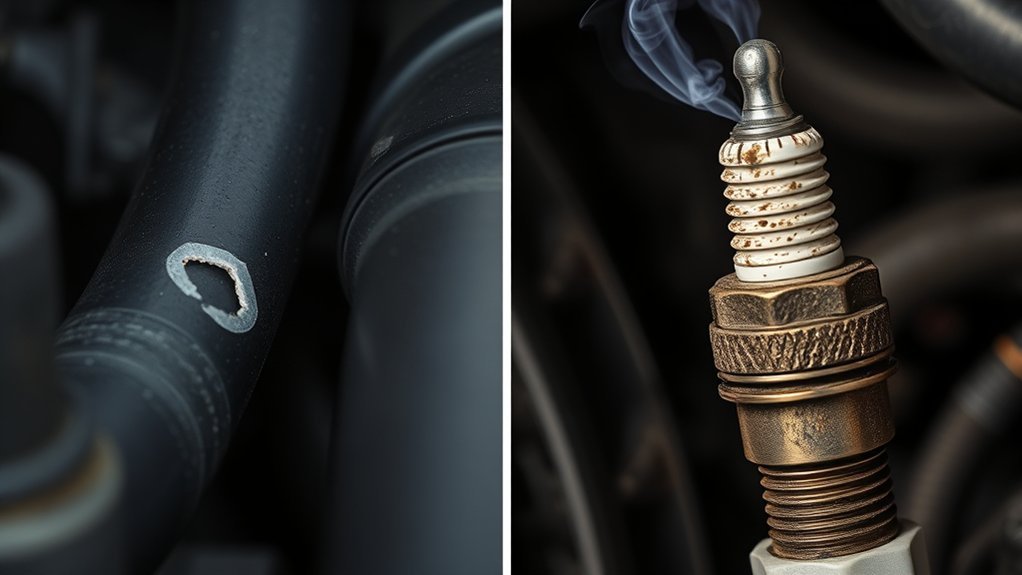
A vacuum leak occurs from damaged hoses or loose connections, causing issues like rough idling and increased fuel consumption. Symptoms include hissing noises and a check engine light for lean mixture codes. In contrast, a misfire results from ignition issues, leading to fluctuating RPMs and unusual engine noises. Both require diagnostics, but repair costs vary greatly. Understanding these differences is essential for effective troubleshooting; explore further to discover diagnostic techniques and prevention strategies.
What Causes Vacuum Leaks and How They Affect Your Car
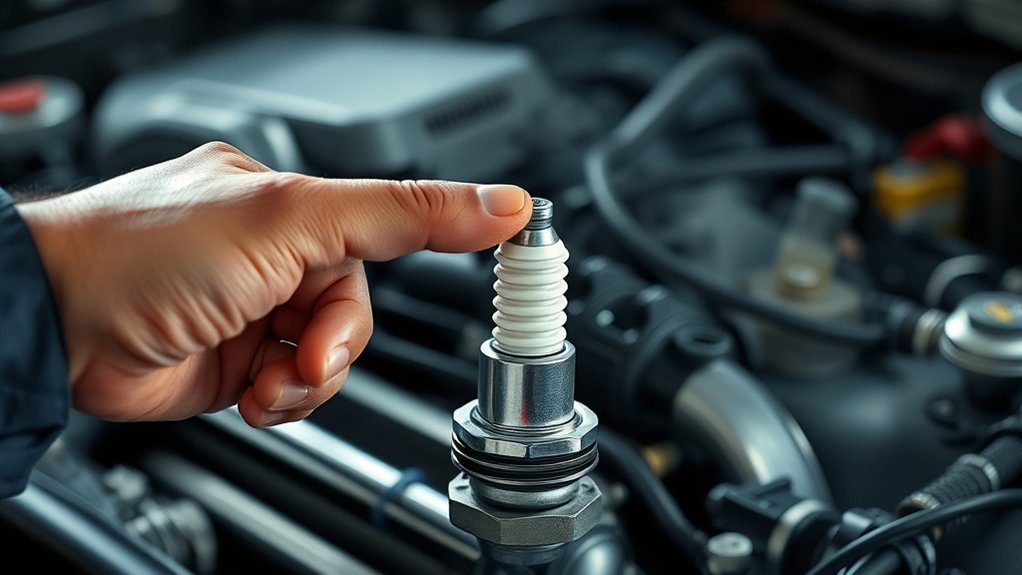
Vacuum leaks can occur when damaged or cracked vacuum hoses, loose connections, or faulty intake manifold gaskets allow unintentional air to enter your engine. These leaks disrupt the balance of vacuum sources, altering the air-fuel mixture, which negatively impacts engine performance. You might notice rough idling, decreased acceleration, or even stalling due to improper combustion.
Additionally, the malfunction indicator lamp (MIL) may illuminate, indicating issues that can be diagnosed with engine codes. As excess air enters, your engine could run lean, leading to increased fuel consumption and higher costs at the pump. Repairs for vacuum leaks can vary considerably, ranging from simple hose replacements to more extensive intake manifold gasket repairs, with costs from $14 to over $2,000. Addressing these leaks promptly is essential for maintaining peak engine performance and preventing further complications down the line.
Misfire Symptoms: Key Signs to Watch For
When you’re experiencing a misfire, you’ll notice several key symptoms. A rough engine idle, loss of acceleration power, and increased fuel consumption are all critical signs to watch for. Addressing these issues promptly can help maintain your vehicle’s performance and efficiency.
Rough Engine Idle Issues
Rough engine idle issues can often indicate underlying misfire problems that require immediate attention. You’ll notice fluctuating RPMs and instability, which can considerably impact engine performance and idle stability. Pay attention to unusual noises like backfiring, as these may signal deeper issues.
| Symptoms | Effects |
|---|---|
| Fluctuating RPMs | Decreased engine performance |
| Backfiring or popping noises | Increased emissions, MIL illumination |
| Poor fuel efficiency | Altered air-fuel mixture |
| Unstable engine running | Difficulty gaining speed |
Address these signs promptly to avoid further complications and guarantee your vehicle runs smoothly. Ignoring rough idling can lead to more severe performance issues down the road.
Loss of Acceleration Power
Experiencing a loss of acceleration power can be one of the most frustrating symptoms of a misfire. When your vehicle struggles to respond, it indicates a significant performance impact on acceleration dynamics. The engine’s inability to maintain ideal combustion leads to sluggishness, making driving feel unresponsive. You might notice unusual engine noises, like popping or sputtering, particularly when accelerating. Additionally, a rough engine idle with fluctuating RPMs may heighten your concern. These signs suggest that the fuel-air mixture isn’t functioning correctly, resulting in incomplete combustion and increased emissions. If you recognize these symptoms, it’s essential to address the misfire promptly to restore your vehicle’s performance and guarantee a smooth driving experience.
Increased Fuel Consumption
A misfire can lead to increased fuel consumption, as the engine struggles to achieve the correct air-fuel mixture. When this happens, you might notice a noticeable drop in fuel efficiency, with some drivers reporting consumption rates exceeding normal levels by up to 20%. The engine may run lean, requiring extra fuel to maintain performance, which exacerbates the issue. Symptoms like rough idling, loss of power, and unusual noises—such as backfiring or sputtering—can indicate a misfire, contributing to further fuel waste and higher emissions. Monitoring your vehicle’s onboard diagnostics can reveal trouble codes associated with misfires, often correlating with spikes in fuel consumption metrics. Addressing these issues promptly can restore engine performance and improve fuel efficiency.
How to Diagnose Vacuum Leaks and Misfires Like a Pro
To diagnose vacuum leaks and misfires effectively, start with a thorough visual inspection of hoses for any signs of wear or damage. Utilize testing tools like a smoke machine for leaks and a cylinder drop test for misfires to pinpoint issues accurately. Understanding these techniques will streamline your troubleshooting process and enhance your diagnostic skills.
Visual Inspection Techniques
When diagnosing vacuum leaks and misfires, a thorough visual inspection is vital for pinpointing issues before they escalate. Start with vacuum hose inspection; check for cracks, damage, or loose connections. Next, conduct an intake manifold analysis to identify wear or gaps in the gasket that can disrupt the air-fuel mixture.
Consider these essential steps:
- Inspect EGR valve functionality to guarantee it’s operating correctly.
- Look for visible smoke during smoke testing to reveal hidden leaks.
- Attach a vacuum gauge to monitor abnormal readings.
Addressing these areas can greatly improve engine performance and prevent costly repairs. Your proactive approach empowers you to maintain control over your vehicle’s health and performance.
Testing Tools Overview
While diagnosing vacuum leaks and misfires, utilizing the right testing tools is essential for accurate results. Start with a vacuum gauge connected to the intake manifold; it reveals abnormal readings that indicate leaks. For a more visual approach, consider smoke testing. This method involves introducing smoke into the intake system, allowing you to spot leaks quickly and effectively. Another useful technique is the carburetor cleaner test—spray around suspected areas; if the engine RPM changes, you’ve found a leak. Finally, don’t overlook compression testing to assess cylinder health, as low compression can contribute to misfires and be related to vacuum leak conditions. With these tools, you’ll diagnose issues like a pro.
Repair Costs: Vacuum Leaks vs. Misfires-What to Expect
Repair costs for vacuum leaks and misfires can vary greatly, so it’s crucial to understand what to expect. Here’s a quick cost comparison to help you navigate your options:
Repair costs for vacuum leaks and misfires can differ significantly, making it essential to know what to anticipate.
- Vacuum leak repairs range from $10 to $2,000, depending on the issue.
- Diagnostic tests for misfires can cost between $100 and $500, often requiring multiple assessments.
- Intake manifold gasket replacement for misfires typically costs between $337 and $615, usually higher than vacuum leak fixes.
- EGR valve replacement, a potential misfire contributor, may add another $260 to $360 to your expenses.
- Complex interventions for misfires often lead to higher repair pricing overall.
Understanding these differences empowers you to make informed decisions, ultimately liberating you from unexpected costs and frustrations.
Preventing Vacuum Leaks and Misfires: Essential Tips
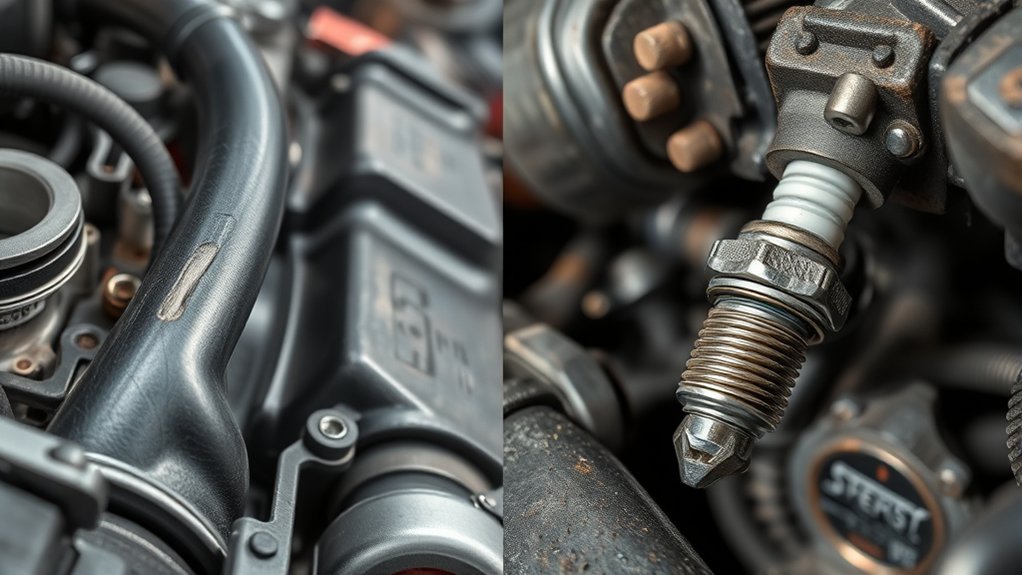
To keep your engine running smoothly and prevent issues like vacuum leaks and misfires, regular maintenance is key. Start with hose maintenance; regularly inspect and replace any damaged or cracked vacuum hoses. Make certain all connections are tight to avoid air escape, which can disrupt your air-fuel mixture. Don’t overlook gasket inspection; monitor and replace intake manifold gaskets when necessary, as a faulty gasket can lead to unmetered air and potential misfires. Conduct routine smoke testing to visually identify vacuum leaks early, allowing you to address them before they escalate into bigger problems. Finally, keep records of previous repairs and maintenance. Understanding your vehicle’s history helps you anticipate issues related to vacuum leaks and misfires, guaranteeing peak performance. By implementing these essential tips, you’ll enhance your engine’s reliability and efficiency, leading to a smoother driving experience.
When to Seek Professional Help for Engine Problems?
When should you consider bringing your vehicle to a professional for engine issues? If you’re facing persistent symptoms like rough idle, decreased acceleration, or increased emissions that you can’t pinpoint, it’s time for a mechanic consultation. A check engine light that won’t turn off, despite your troubleshooting efforts, indicates the need for specialized engine diagnostics.
Consider seeking help if you notice:
- Unusual engine noises that raise alarms
- Significant power loss during acceleration
- Difficulty conducting diagnostic tests like compression testing
- Inconsistent performance despite regular maintenance
- Uncertainty about the condition of your vacuum hoses or intake components
Ignoring these signs can lead to serious problems. A professional can provide a thorough evaluation and prevent further damage. Don’t hesitate to get the expert assistance your vehicle deserves!
Frequently Asked Questions
Would a Vacuum Leak Cause a Misfire?
Yes, a vacuum leak can cause misfire symptoms. It alters the air-fuel mixture, leading to lean conditions. Check for vacuum leaks and monitor for misfire causes to guarantee peak engine performance and efficiency.
What Does a Vacuum Leak Misfire Feel Like?
Feeling like your engine’s auditioning for a horror movie, a vacuum leak misfire disrupts smooth performance. You’ll notice rough idling, power loss during acceleration, and unusual noises—symptom identification at its finest. Fuel efficiency? Forget about it!
Conclusion
In conclusion, understanding the differences between vacuum leaks and misfires is essential for maintaining your vehicle’s performance. Both issues can lead to significant engine problems if left unaddressed. Are you prepared to tackle these challenges head-on? Regular maintenance and prompt diagnosis can save you time and money in the long run. By staying informed and proactive, you can guarantee a smoother ride and extend your engine’s lifespan. Don’t wait—take action today!