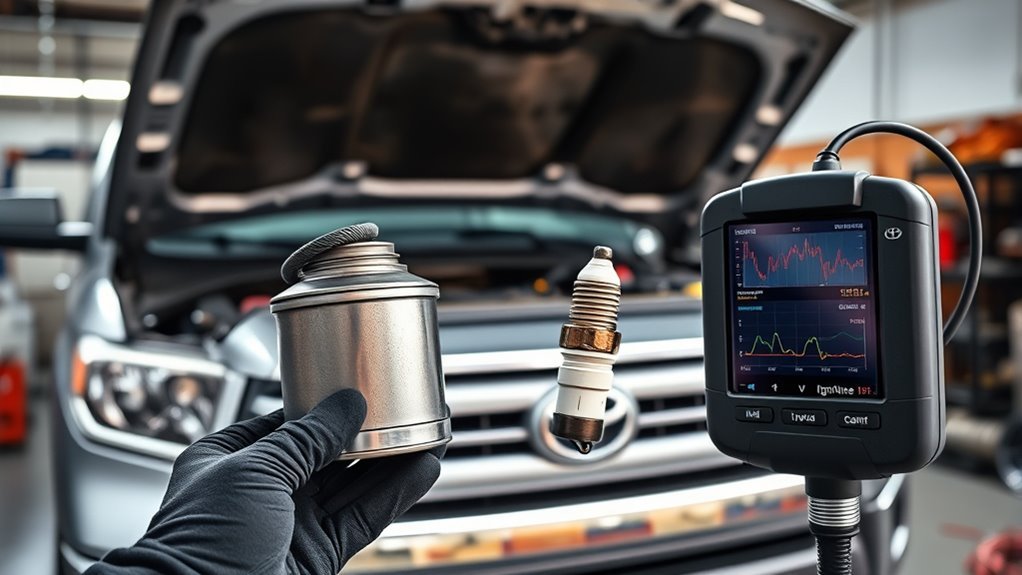
If your Tundra’s AC blows warm, start by confirming warm air at the vents, checking cabin filters and flap actuators, and inspecting the AC ignition fuse and MGCLT relay for power; measure clutch-coil resistance (~1.1 Ω is healthy) and continuity on the clutch wire, then verify refrigerant pressure for leaks. A blown fuse or no relay voltage points upstream; clutch or compressor failures need repair or replacement. Keep going and you’ll get clear diagnostic steps, cost options, and DIY versus pro guidance.
Quick Checklist: Tundra AC Not Cold
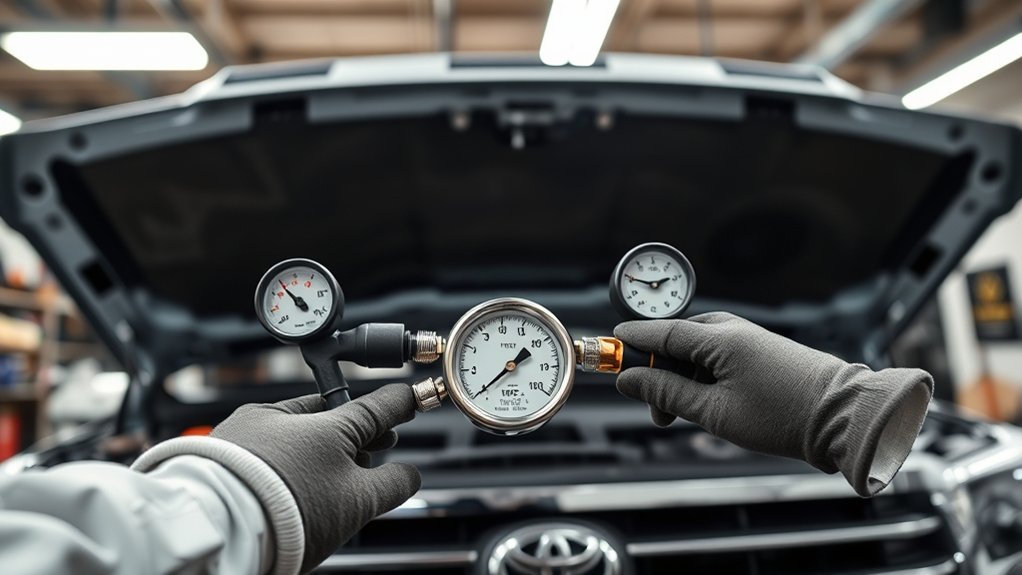
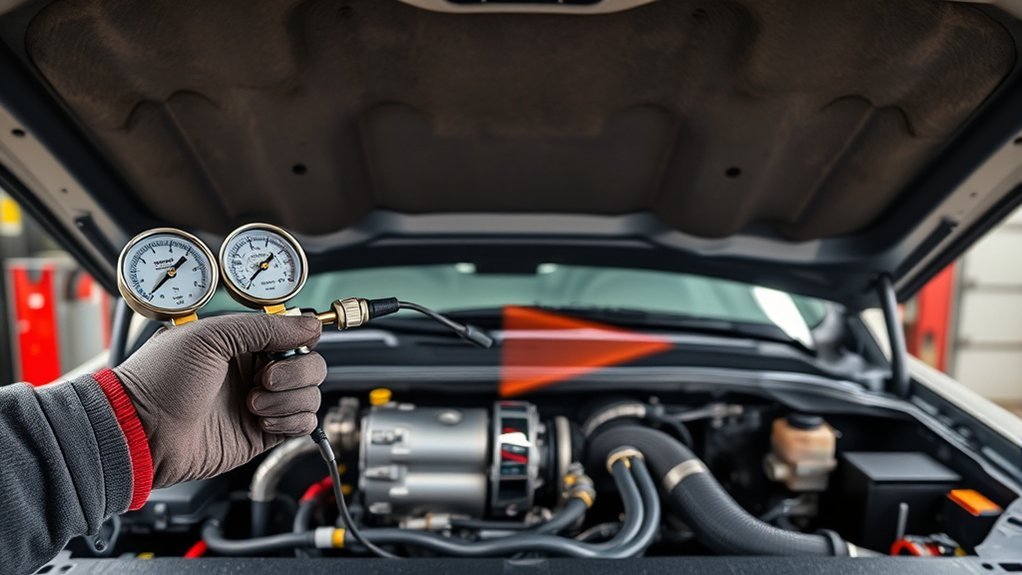
Start with a quick, targeted checklist so you can diagnose why your Tundra’s AC is blowing warm air. First, confirm warm output at vents despite a low temp setting — that’s your starting symptom. Rule out airflow issues: check cabin filters and vent actuators so air can move freely; restricted flow mimics cooling failure. Next, assess refrigerant levels; low refrigerant prevents the system from chilling air, so look for leaks or pressure anomalies. Avoid diving into fuses, relays, or clutch signals here — you’ll test electricals separately. If the compressor isn’t engaging but airflow and refrigerant seem okay, note that for the next step. Use a gauge set or have a tech check pressures if you aren’t equipped; don’t guess. If you prefer liberation from recurring shop visits, document symptoms and basic checks before seeking professional repair estimates — knowing facts gives you leverage when discussing potential clutch or compressor replacement costs.
Test Fuses, Relays, and Clutch Signal
If your Tundra’s vents are warm after the basic checks, move on to fuses, relays, and the clutch signal—these electrical components often reveal why the compressor won’t engage. Start with fuse troubleshooting: inspect the AC ignition fuse and replace any blown 10 A unit you find. A blown fuse often stops the whole circuit, so replacing it is liberation from guessing.
Next, do relay testing. With a multimeter, check for voltage at both sides of the MGCLT relay; no voltage before replacing the fuse confirms upstream power loss. After the fuse is swapped, recheck voltage—power present means the relay itself isn’t the root cause.
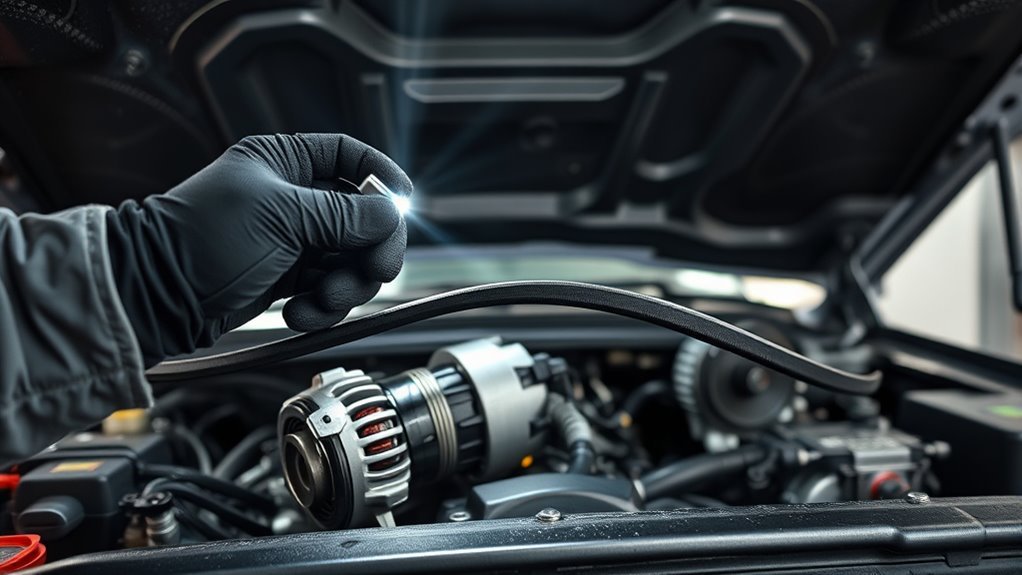
Isolate the clutch wire with a continuity test. If disconnecting it prevents further fuse blowouts, you’ve confined the fault to the clutch. Measure coil resistance: about 1.1 ohm indicates a shorted clutch coil. Don’t hot-wire a faulty clutch; replace it and restore reliable cooling.
Diagnose Compressor & Clutch : Interpret Test Results
Once you’ve run the relay, fuse, continuity, and coil-resistance checks, interpret the results to pinpoint whether the problem is electrical, mechanical, or both. If you see no voltage at the magnetic clutch relay, the fault lies upstream—relay, wiring, or control circuit—so focus on restoring electrical continuity before blaming the clutch. A blown AC ignition fuse that fails a continuity test confirms an electrical interruption; if that fuse blows again after reinstalling the relay, suspect a short in the clutch circuit or a failing clutch drawing excessive current.
If coil-resistance measures near 1.1 ohms, the clutch coil is likely healthy; considerably higher resistance suggests internal damage. Hot-wiring the clutch is the last definitive check: if the pulley spins and you get clutch engagement when directly powered, the compressor and clutch are mechanically sound and the issue is control wiring or relay. If hot-wiring fails, the magnetic clutch is defective and mechanical repair is required.
Repair Choices, Costs, and When to Replace
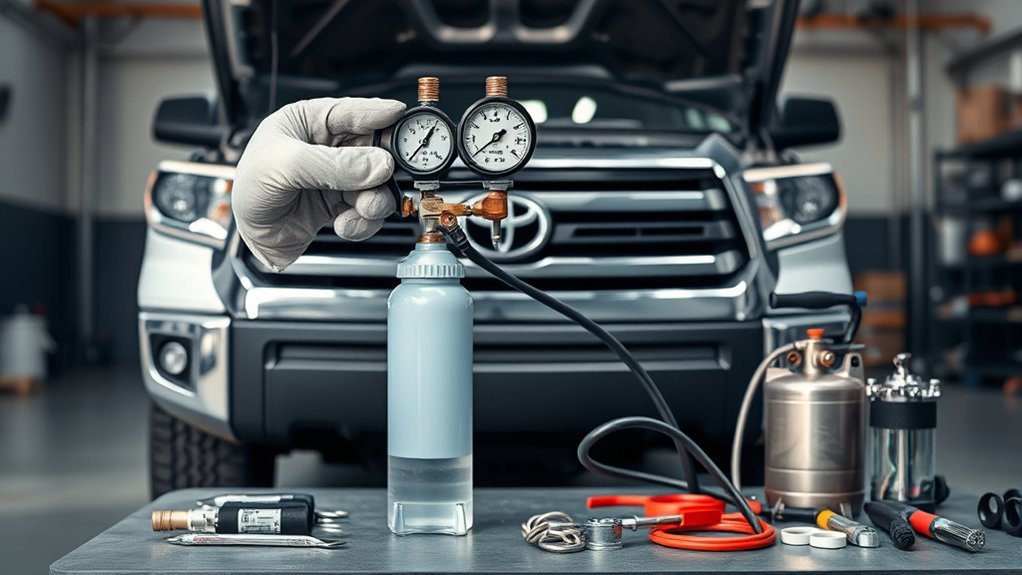
When weighing repair options for a Tundra with a faulty AC clutch, consider both immediate cost and long-term reliability: you’ll balance repair options and a clear cost analysis to free yourself from repeat trips to the shop. If relay and coil tests show abnormal readings or the 10A fuse blew, the clutch may be failing.
- Replace just the clutch (~$1,400): lower upfront cost, faster fix, but assess coil resistance (1–5 Ω) and relay voltage first.
- Replace compressor and clutch (~$1,950): higher initial expense, reduces risk of near-future failure, often same labor since compressor removal is required.
- Hold off and monitor: acceptable only if diagnostics are borderline and you accept possible future downtime.
Use diagnostic results—resistance, relay continuity, fuse history—to guide choices. Do a pragmatic cost analysis: compare projected maintenance cycles and the value of reliability. Choose the path that liberates you from recurring issues.
DIY vs Pro Repair: Tools, Steps, and Risks
You’ll need the right tools and a clear plan before tackling a Tundra AC repair yourself: multimeter, refrigerant gauges, wrenches, and safety gear are must-haves, and you should be comfortable testing relay/fuse continuity and measuring clutch-coil resistance (1–5 Ω expected) before touching the compressor. Start by diagnosing: check fuses/relays, measure coil resistance, verify refrigerant pressure. If readings are out of range, replace the faulty component or evacuate and recharge only if you have certification and proper equipment.
Know DIY Limitations: specialized tools, refrigerant handling, and hidden faults can quickly escalate costs and damage. If you’re short on time, skill, or diagnostic certainty, don’t push it.
Weigh Professional Benefits: pros bring tools, trained diagnostics, warranty coverage, and avoid rookie mistakes that inflate costs. Use DIY for simple checks and learning; choose a pro when the compressor, system evacuation, or complex electrical faults are involved to protect your freedom and wallet.
Frequently Asked Questions
Why Is My Toyota Tundra AC Not Blowing Cold?
Your AC’s not cold because the compressor isn’t engaging—likely magnetic clutch failure, blown fuse, low refrigerant from leaks, or electrical faults. Use AC troubleshooting tips, check common refrigerant issues, and reclaim control with repairs.
How Much Does It Cost to Repair the AC in a Toyota Tundra?
Budgetary breakdown: you’ll be paying roughly $1,400 to $1,950 for repairs, so you’ll want AC maintenance tips and DIY troubleshooting; seek multiple quotes, prioritize preventative care, and demand transparent diagnostic details to stay empowered.
Conclusion
You’ve run the checklist, swapped fuses like coins in a fountain, and watched the relay click—yet the dash still blows warm air. That coincidence of tests narrowing to one suspect—the compressor clutch—gives you direction: if the clutch fails to engage, you’ll either replace the clutch or the compressor. Weigh cost versus age, then decide DIY if you’ve got tools and skill, or get a pro to avoid costly mistakes and get cool air back fast.