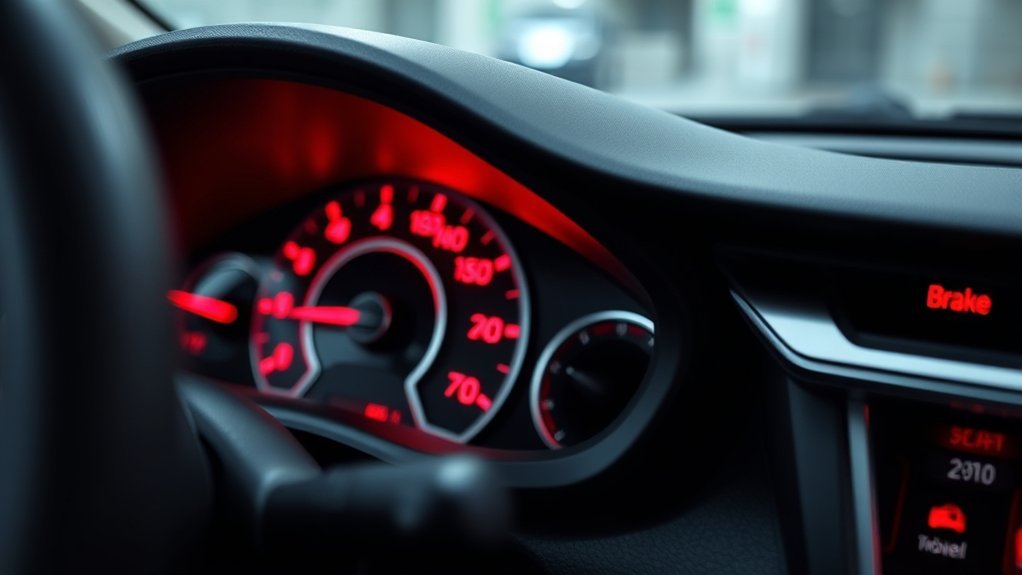
The brake warning light in your Toyota Camry signals potential issues with your brake system, like low brake fluid or worn pads. If it lights up, check that your parking brake is fully released and inspect the brake fluid level—both should be between the MAX and MIN markings. If the light stays on, it’s best to consult a professional and avoid driving. Stay tuned to learn more about effective troubleshooting and maintenance tips for your brake system.
Understanding the Brake Warning Light in Your Toyota Camry
When you see the brake warning light illuminate in your Toyota Camry, it’s not just a simple annoyance—it signals a potential issue that needs your attention. This light indicator can point to various problems within your brake system, such as low brake fluid levels or worn brake pads. If the light stays on after you start the vehicle, don’t ignore it. It’s essential to inspect the brake system immediately to avoid dangerous situations.
Other common triggers include a partially engaged parking brake, issues with the pressure differential valve, or air in the brake system. To help prevent the warning light from activating, regularly check your brake fluid levels, ensuring they sit between the MAX and MIN lines. If the light turns on while driving, pull over safely and arrange for towing to protect your braking system from further damage. Taking these steps can help maintain your vehicle’s safety and performance.
Common Causes of Brake Warning Light Activation
Several factors can trigger the brake warning light in your Toyota Camry, each indicating a potential issue that requires prompt attention. One common culprit is a handbrake that isn’t fully disengaged, so make certain it’s completely released. Low brake fluid levels in the master cylinder reservoir can also activate the warning light, necessitating a refill or an inspection for leaks.
Another frequent issue arises from a pressure differential valve malfunction, which disrupts fluid balance in the brake system and triggers the warning light. Stretched emergency brake cables might need adjustment or replacement, as they can also set off the alert. Finally, air trapped in the brake system—often from improper bleeding—can lead to activation of the warning light, highlighting the need for thorough brake system diagnostics. Addressing these warning light triggers promptly guarantees your safety and the reliability of your vehicle.
What to Do When Your Brake Warning Light Activates?
The moment your brake warning light activates, it’s essential to take immediate action to secure your safety. First, check that your parking brake is fully released, as this is a common trigger for the warning light. Next, inspect the brake fluid level in the master cylinder; low fluid can indicate worn brake pads or leaks in the system. If the light remains on after these checks, it’s time for warning light troubleshooting—consult a brake specialist to diagnose potential issues like faulty sensors or wiring problems. Avoid driving until the issue is resolved; ignoring the brake warning light can lead to serious safety risks and costly repairs. Regular brake system maintenance, including inspections of components and fluid condition, can help prevent future activations of the warning light. Stay proactive to secure a safe driving experience and keep your vehicle in top shape.
How to Inspect Brake Fluid Levels and Quality

Inspecting your brake fluid levels and quality is crucial for maintaining your vehicle’s safety and performance. Start by locating the master cylinder reservoir, usually near the back of the engine bay. Verify the fluid levels sit between the MAX and MIN markings. Regular brake fluid inspection helps you identify fluid contamination signs; clean fluid should be clear or light amber, while dark or cloudy fluid indicates it may need flushing.
| Fluid Quality | Appearance | Action Required |
|---|---|---|
| Clean Brake Fluid | Clear or Light Amber | No action needed |
| Contaminated Fluid | Dark or Cloudy | Flush and replace |
| Low Fluid Level | Below MIN Mark | Investigate for leaks or wear |
If levels are low, you might have worn brake pads or a leak. Always use the manufacturer-recommended brake fluid type and replace it every 1-2 years for peak performance.
Identifying Worn Brake Pads and Sensors
When it comes to your Toyota Camry, knowing how to identify worn brake pads and check sensor functionality is essential for your safety. Pay attention to any high-pitched squealing or grinding noises, as these are clear signs that your pads may need replacing. Regular inspections and understanding replacement timing can save you from costly repairs down the line.
Signs of Wear Detection
Although brake wear can be subtle, recognizing the signs early can save you from costly repairs. Pay attention to these indicators to avoid further damage:
- Squealing sounds: High-pitched noises often mean your brake pads are worn and need replacement.
- Grinding noises: This suggests your brake pads are completely worn down, leading to harmful metal-on-metal contact.
- Visual inspection: Check that brake pads are at least 4.5 mm thick; anything thinner indicates immediate replacement.
Modern vehicles, like your Toyota Camry, often include electronic brake pad indicators that alert you when pads are excessively worn. Regularly inspecting your brake components is essential for maintaining peak braking performance and safety. Don’t wait—stay proactive about your brake health!
Sensor Functionality Checks
To guarantee your Toyota Camry’s braking system operates smoothly, checking the functionality of brake pad sensors is essential. These sensors alert you when your brake pads wear down to about 4.5mm, making sure you replace them before performance declines. If you notice a warning light on your dashboard, don’t ignore it; it’s your system’s way of saying something’s wrong. A firm brake pedal indicates everything’s working well, while a soft pedal might mean air in the system or worn pads. Regularly inspect your brake fluid levels, as low fluid can trigger false warnings. Using diagnostic tools, professional technicians can perform sensor calibration checks to guarantee accurate readings and maintain your car’s overall braking health.
Replacement Timing Guidelines
Understanding when to replace your brake pads and sensors is essential for maintaining your Toyota Camry’s braking system. Keeping an eye on your brake pad lifespan can save you from costly repairs down the road. Here’s what to watch for:
- Replace pads when they reach about 4.5mm thickness.
- Pay attention to the brake pad wear indicator light; it signals when pads need replacing.
- Regularly inspect your brakes every 10,000 to 15,000 miles to catch wear early.
Ignoring these issues can lead to metal-on-metal contact, causing damage to your rotors. Stick to replacement intervals and be proactive about your brake maintenance to guarantee safety and peak performance on the road.
Should You Fix It Yourself or Call a Pro for Brake Repairs?
When faced with a brake warning light on your Toyota Camry, you might wonder whether to tackle the repairs yourself or call in a professional. Evaluating your mechanical skills is vital. If you’re inexperienced with brake systems, seeking professional help is often the safest choice. While DIY repairs can save you money, they come with serious DIY risks; one mistake could lead to costly consequences, especially with critical components like brake pads and calipers.
On the flip side, professional mechanics have specialized tools and diagnostic equipment. They guarantee thorough inspections and accurate repairs, which can prevent future issues. With brake repair costs typically ranging from $200 to $250, it’s important to weigh potential savings against the risks of inadequate repairs. Regular maintenance checks can identify issues early, making professional inspections a wise investment for your safety and peace of mind.
How to Troubleshoot Brake Warning Light Problems
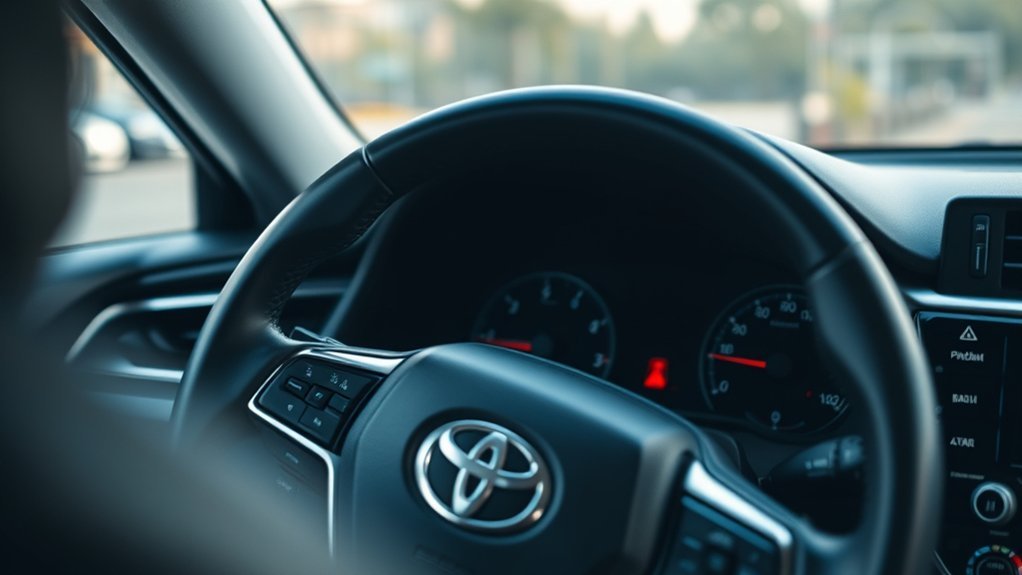
Addressing a brake warning light on your Toyota Camry starts with some straightforward troubleshooting steps. First, make sure the parking brake is fully released; an engaged brake can trigger the warning light. Next, check your brake fluid level in the master cylinder reservoir. It should be between the MAX and MIN lines—low fluid can activate the warning light. If the light stays on, consider bleeding the brake system to eliminate air that could cause pressure issues.
Here are some key points to remember:
- A firm brake pedal indicates a properly functioning system; a spongy pedal suggests leaks or air in the lines.
- Inspect for any visible leaks or worn components.
- If the warning light persists, consult a professional for thorough brake system maintenance and warning light diagnostics.
Taking these steps can help you get back on the road safely!
Preventive Measures for Maintaining Your Brake System
Preventing brake system issues is easier than you think, especially when you make regular maintenance a priority. Start with brake fluid checks; verify the levels in the master cylinder remain between the MAX and MIN lines to avoid system failure. Regularly inspect your brake pads for wear—replace them when they reach about 4.5mm to keep your braking performance sharp.
Don’t skip those routine brake system inspections at least once a year. They help spot potential problems before they turn into costly repairs. Stay alert for warning signs like unusual noises, vibrations, or longer stopping distances; these could signal issues that need immediate attention.
Finally, keep your brake system components clean and well-lubricated, especially caliper slide pins. These simple brake maintenance tips will enhance your braking efficiency and extend the life of your system, giving you peace of mind on the road.
Frequently Asked Questions
Is It Expensive to Fix a Brake System Issue?
Yes, fixing a brake system issue can be expensive. Repair costs often range from $100 to over $500, especially if you need new brake fluid, pads, or major components. Regular checks can save you money.
Conclusion
To sum up, keeping an eye on your Toyota Camry’s brake warning light can save you from unexpected hassles. Coincidentally, regularly checking your brake fluid and pads not only guarantees safety but also extends your vehicle’s lifespan. If the light pops on, don’t ignore it—address it promptly, whether you tackle it yourself or call a pro. Investing a little time now can lead to smoother, safer drives down the road. Your brakes deserve that attention!