The P0012 code in your Toyota Camry indicates over-retarded intake camshaft timing, which can hurt engine performance. Start by checking your engine oil level and condition; dirty or low oil can worsen timing issues. Inspect the variable valve timing (VVT) solenoid for damage, and verify the camshaft position sensor is functioning correctly. If you’re still facing problems, it’s wise to consult a mechanic who can accurately diagnose complex timing issues. Discover more about these solutions and keep your engine running smoothly.
What’s up With the P0012 Code in Your Camry?

What causes the P0012 code in your Toyota Camry? This code indicates that the intake camshaft timing is over-retarded on bank one, reflecting a timing issue the onboard computer has detected. Such discrepancies can greatly impact engine performance. Start troubleshooting by checking your engine oil level and its condition; low or dirty oil can hinder the function of essential components. Next, inspect the variable valve timing solenoid, usually found on the left side of the engine. This part’s proper operation is critical for maintaining ideal camshaft timing. If these initial checks don’t resolve the issue, you may need to investigate the cam position sensors and the timing chain or belt. Slippage or stretching in these components can also lead to timing problems, further affecting your engine’s efficiency. Addressing these issues promptly can restore your Camry’s performance and guarantee a smooth driving experience.
Common Causes of the P0012 Code
When dealing with the P0012 code, several common causes can disrupt your Toyota Camry’s engine performance. Understanding these factors can help you address the issue effectively.
| Cause | Description |
|---|---|
| Malfunctioning VVT Solenoid | A defective variable valve timing solenoid can hinder camshaft timing. |
| Low or Degraded Engine Oil | Insufficient lubrication can lead to timing problems. |
| Faulty Cam Position Sensor | An inaccurate reading can trigger the P0012 code. |
| Timing Belt/Chain Issues | Slippage or stretching can disrupt engine timing. |
| Electrical Problems | Damaged wiring or blown fuses related to the VVT system can cause detection issues. |
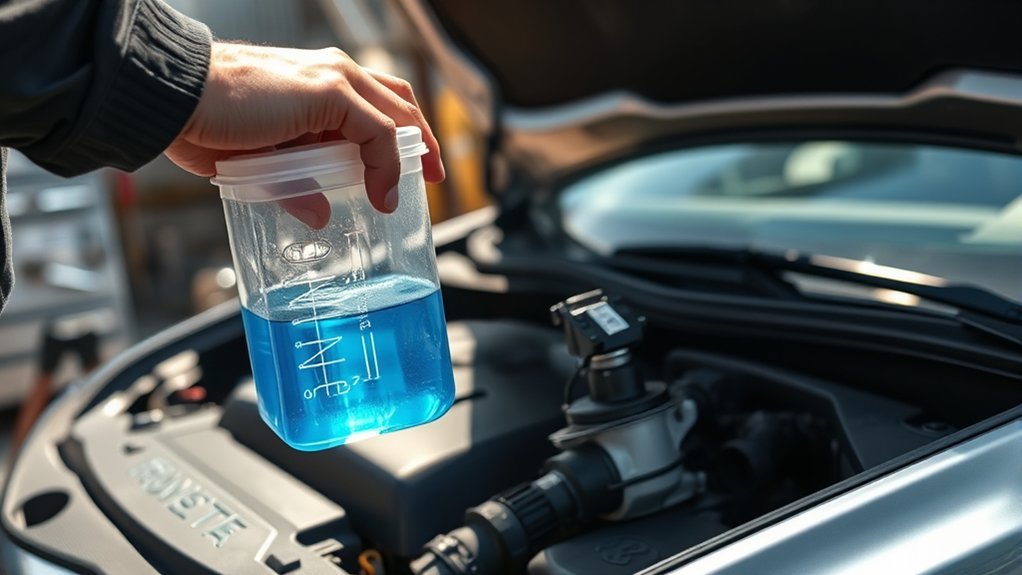
How to Check Your Engine Oil Level and Condition
Maintaining proper engine oil levels and condition is essential for preventing issues like the P0012 code in your Toyota Camry. Follow these steps for effective oil inspection techniques:
Maintaining proper engine oil levels is crucial to prevent issues like the P0012 code in your Toyota Camry.
- Park on a Level Surface: Verify your vehicle is on a flat area and wait for the engine to cool down.
- Check the Dipstick: Pull out the dipstick, wipe it clean, reinsert it fully, then remove it again to read the oil level.
- Evaluate the Oil Level: The oil should be between the “min” and “max” marks; add oil if it’s below the minimum.
- Inspect Oil Condition: Look for a dark, gritty appearance, which signals the need for an oil change.
Regular dipstick maintenance and checking your oil every few thousand miles can help prevent engine issues and keep your Camry running smoothly.
How to Inspect Your Variable Valve Timing Solenoid for Issues
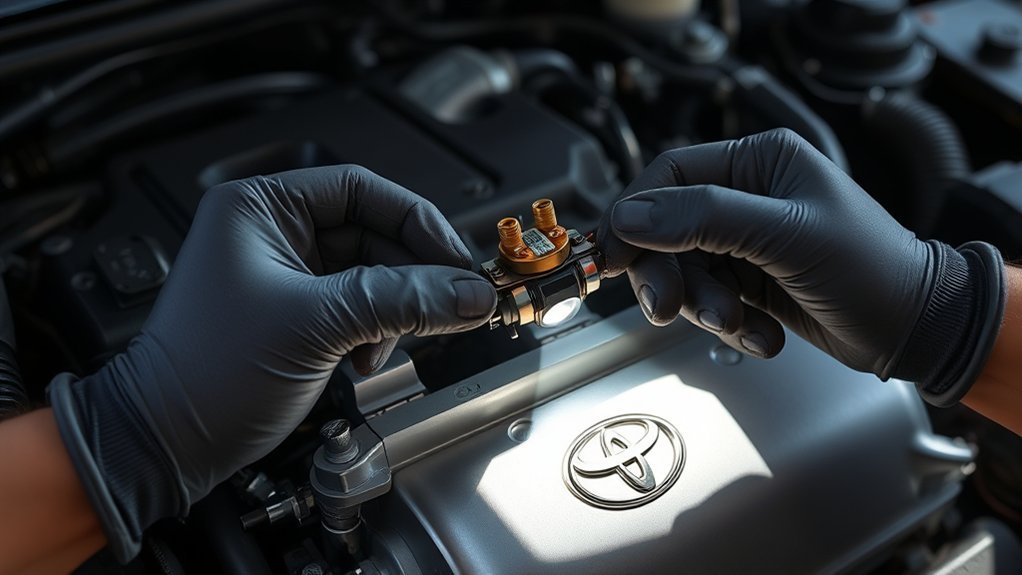
To effectively diagnose the P0012 code in your Toyota Camry, start by inspecting the variable valve timing (VVT) solenoid, as it’s a critical component in regulating camshaft timing. Located on the left side of the engine, the VVT solenoid is secured by a single bolt for easy removal. Begin your VVT solenoid inspection by checking the wiring connected to it. Look for signs of damage, shorts, or blown fuses, as these issues can severely impact its performance and contribute to the P0012 code. If you find any damage, replacing the VVT solenoid is a cost-effective solution, typically ranging between $24 and $56. After replacement, don’t forget to clear any diagnostic trouble codes and perform a test drive to confirm the issue is resolved. This proactive approach can help you regain peak engine performance and guarantee longevity.
How to Test Your Camshaft Position Sensor for P0012 Code
Testing your camshaft position sensor is essential for diagnosing the P0012 code in your Toyota Camry. Follow these steps for effective sensor testing:
- Use a multimeter: Measure the sensor’s resistance, ensuring it falls within the manufacturer’s specified range.
- Inspect wiring and connectors: Look for signs of damage, corrosion, or loose connections that could impact performance.
- Check for additional codes: Use an OBD-II scanner to identify any related trouble codes that may affect the sensor or other components.
- Monitor voltage output: While the engine runs, observe the sensor’s voltage; it should fluctuate as the engine turns over.
If any tests fail or resistance readings are outside the acceptable range, consider replacing the camshaft position sensor. Replacement costs typically range from $30 to $50, ensuring your engine runs smoothly.
Check Your Timing Belt or Chain
Since the timing belt or chain is vital for synchronizing your engine’s camshaft and crankshaft, any slippage or wear can trigger the P0012 code. Regular timing belt inspection and chain wear assessment are important to maintaining peak engine performance.
| Component | Inspection Interval | Signs of Wear |
|---|---|---|
| Timing Belt | Every 60,000 – 100,000 miles | Unusual noise, visible damage |
| Timing Chain | Periodically, every 100,000+ miles | Poor performance, stretching |
If you notice any signs of deterioration, it’s time to act. Replacing a worn timing belt or chain promptly can prevent further engine damage and resolve timing codes like P0012. Don’t wait for a minor issue to escalate; proactive maintenance is key to a well-functioning engine.
Should You Consult a Mechanic for P0012 Code Issues?

If you can’t pinpoint the P0012 code issues after basic checks, it’s wise to consult a mechanic. They can accurately diagnose complex problems, preventing costly DIY mistakes. Ensuring proper repairs through professional evaluation can save time and protect your engine from further damage.
Diagnosing Complex Issues
When you encounter a P0012 code, addressing the issue promptly is essential, especially if basic checks like oil level and condition don’t yield results. At this stage, consulting a mechanic can enhance your engine performance and save time. Here are some reasons to weigh professional help:
- Specialized Diagnostic Tools: A mechanic can use advanced equipment to test the variable valve timing solenoid and cam position sensor.
- Timing Belt or Chain Assessment: They can evaluate the condition of these components, which may cause complex timing issues.
- Wiring Issues: If you notice any wiring problems, a mechanic can diagnose and repair them to prevent further damage.
- Comprehensive Evaluations: Multiple suspected components can be thoroughly assessed, pinpointing the exact cause of the P0012 code.
Avoiding DIY Mistakes
While diving into DIY repairs can be tempting, tackling a P0012 code without proper knowledge can lead to costly mistakes. Many DIY enthusiasts often overlook checking the engine oil level and condition, a common oversight that can result in misdiagnosis. Additionally, inspecting the variable valve timing solenoid and cam position sensor wiring for shorts or damage is essential before making any repairs. Timing belt or chain issues can be complex to diagnose; if your initial checks don’t resolve the P0012 code, it’s wise to consult a mechanic. Professional mechanics possess specialized diagnostic tools that can quickly pinpoint timing issues, helping you avoid DIY pitfalls that could lead to further complications down the road.
Ensuring Proper Repairs
Tackling a P0012 code can be challenging, especially if initial DIY efforts don’t yield results. Consulting a mechanic might be your best bet for ensuring proper repairs. Here’s why:
- Advanced Diagnostics: Mechanics can uncover hidden issues like timing chain wear or sensor malfunctions.
- Accurate Assessments: They’ll determine if the variable valve timing solenoid or cam position sensor needs replacement, ensuring you get the right parts.
- Specialized Tools: Mechanics have access to manufacturer-specific software for resetting error codes and adjusting settings post-repair.
- Preventive Care: Investing in professional evaluation can avert more extensive engine damage, ultimately saving you money.
Choosing a mechanic not only streamlines the repair process but also safeguards your vehicle’s longevity.
Frequently Asked Questions
How Do You Fix the Code P0012 on a Toyota?
To fix the P0012 code, check the camshaft adjustment and inspect the timing chain for slippage. Confirm the engine oil is clean and at the proper level, and consider replacing the variable valve timing solenoid if necessary.
How Much Does It Cost to Fix a P0012 Camshaft Position Timing Bank 1?
Repair costs for a P0012 camshaft position timing issue typically range from $100 to $500. Factors like solenoid replacement, cam position sensor needs, or timing belt issues can greatly impact your final expenses.
Conclusion
To summarize, tackling the P0012 code in your Toyota Camry is much like piecing together a puzzle. By checking your oil, inspecting the variable valve timing solenoid, and testing the camshaft position sensor, you can often pinpoint the issue. If the pieces don’t fit, don’t hesitate to consult a mechanic. After all, even the best detectives sometimes need a partner to crack the case. Keep your engine running smoothly, and you’ll be back on the road in no time.