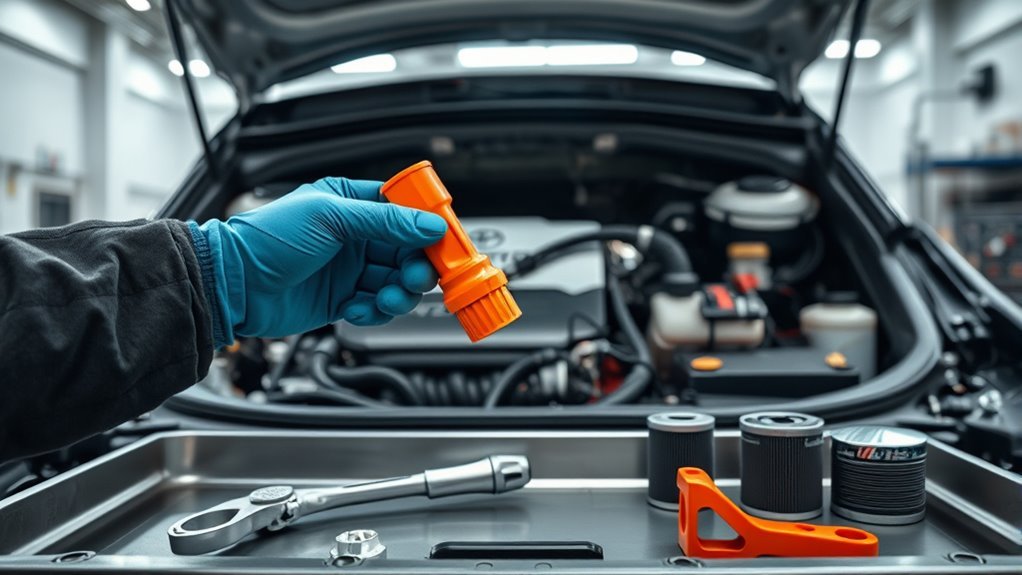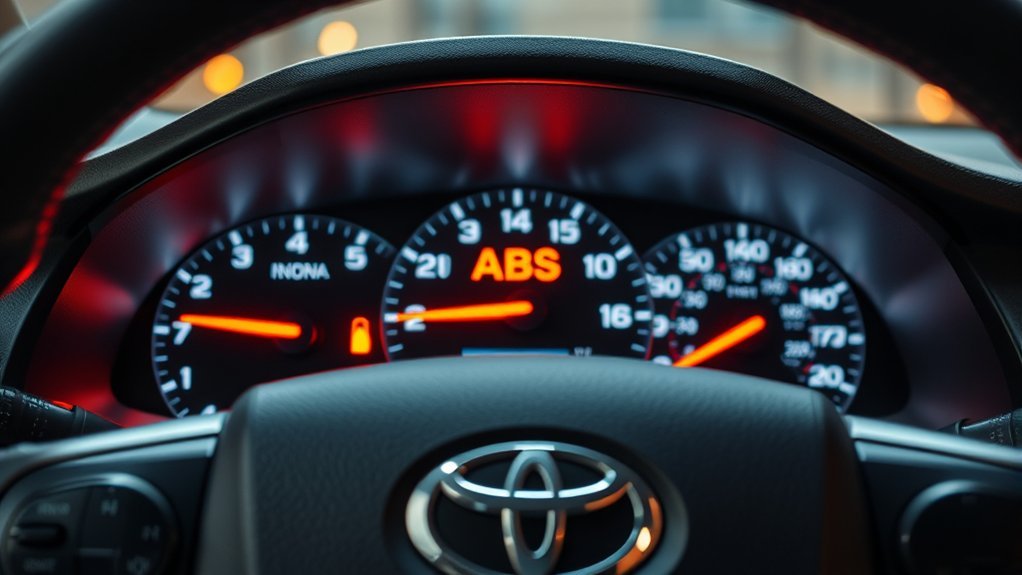
If your Toyota Camry’s ABS light is on, it usually means there’s a problem with the Anti-lock Braking System. Common causes include low brake fluid, faulty wheel speed sensors, blown fuses, or worn brake pads. To troubleshoot, inspect fluid levels and sensors, and clear any error codes. Regular maintenance is key, as it extends the ABS system’s lifespan. For detailed fixes and further preventive measures, you’ll discover more about keeping your ABS in top shape.
What Does the ABS Light Indicate?
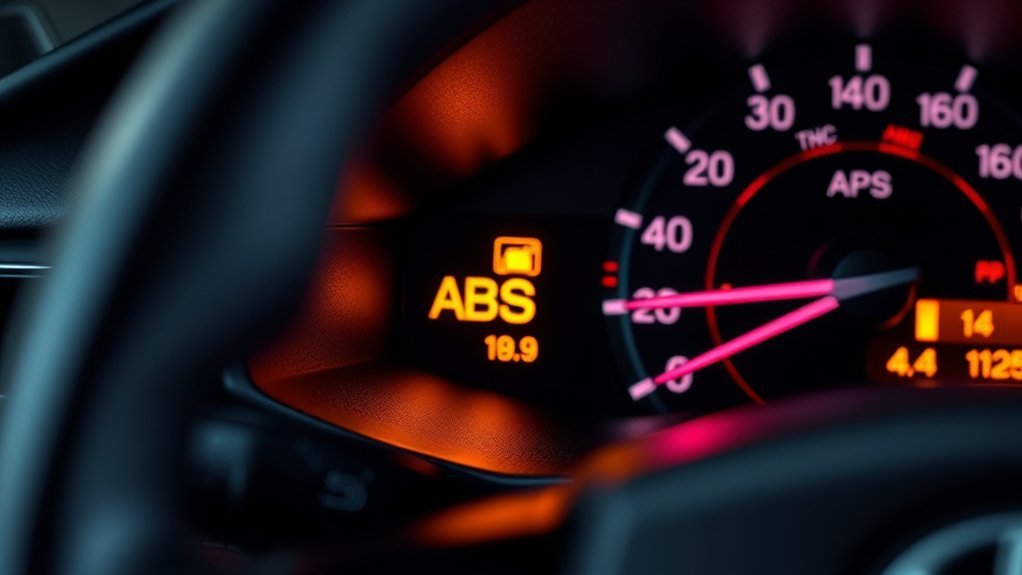
The illumination of the ABS light signifies a malfunction within the Anti-lock Braking System, indicating that the system may not operate effectively. Understanding the ABS functionality overview is vital because this system prevents wheel lock-up during hard braking, maintaining steering control. When the ABS light stays on, it signals potential issues, such as low brake fluid levels or damaged wheel speed sensors, that can compromise your safety.
The importance of the ABS system can’t be overstated; without it, you may experience increased stopping distances and impaired steering during emergency braking situations. This could lead to dangerous accidents. Proper diagnostics are necessary to pinpoint the root cause of the ABS light activation, as it may also relate to the traction control system. Addressing these issues promptly guarantees your vehicle remains safe and responsive, giving you the freedom to drive with confidence.
Common Causes of ABS Light Activation
When the ABS light activates, several common issues could be at play, affecting your vehicle’s braking performance. One primary cause is low brake fluid levels, which can impair brake operation and trigger warning signals. Additionally, malfunctioning or dirty wheel speed sensors often disrupt ABS functionality, leading to the light’s illumination. A blown fuse in the ABS system may indicate electrical issues, contributing to the warning signals you’re seeing.
Worn brake pads can also impact the performance of the ABS system, causing the light to activate. Finally, damage to tone wheels or wiring issues within the ABS system can further complicate matters, making thorough inspections essential. Addressing these potential problems promptly will help guarantee your brake system operates effectively and safely, allowing you to drive with confidence and peace of mind.
Step-by-Step Guide to Troubleshooting ABS Issues
When troubleshooting ABS issues in your Toyota Camry, start by identifying common symptoms that indicate system problems. Next, follow essential diagnostic steps to pinpoint the cause, ensuring you address any underlying issues effectively. This approach will help you maintain peak braking performance and safety.
Common Symptoms Explained
Understanding the common symptoms of ABS issues can help you diagnose problems more effectively. Here are key indicators to watch for:
- Intermittent ABS and brake warning lights
- Hard brake application needed at low speeds
- Speedometer reading dropping to zero at 5 mph
These symptoms often relate to brake performance and can indicate problems like malfunctioning wheel speed sensors or low brake fluid levels. Regular sensor maintenance is essential; inspect each wheel speed sensor for dirt or damage and check brake fluid levels. Clear ABS error codes and test sensor resistance to identify ongoing issues. Addressing these symptoms promptly can enhance your braking system’s reliability and safety.
Essential Diagnostic Steps
To effectively troubleshoot ABS issues, start by systematically checking key components that could trigger the ABS light. Begin with the brake fluid reservoir; low fluid levels can activate the ABS warning. Next, inspect the wheel speed sensors for any damage or debris, as these are common culprits in ABS malfunctions. Utilize a diagnostic tool to read error codes from the ABS system, helping pinpoint specific faults related to brake system integration. Don’t forget to examine wiring and connectors for corrosion or damage, which can lead to intermittent ABS light activation. After making repairs, clear any stored ABS codes to check if the issue recurs, guiding your next steps in troubleshooting.
Why Wheel Speed Sensors Matter
Wheel speed sensors are vital components in modern vehicles, as they continuously monitor the rotational speed of each wheel. This data is important for your Anti-lock Braking System (ABS), helping to prevent wheel lock-up during braking. Here’s why you should pay attention to these sensors:
Wheel speed sensors are essential for monitoring wheel rotation, ensuring your ABS functions effectively to prevent lock-up during braking.
- Guarantee peak braking performance, especially in slippery conditions.
- Maintain vehicle stability during hard braking.
- Prevent potential ABS malfunctions that could compromise safety.
A malfunctioning wheel speed sensor can trigger the ABS light and lead to serious braking system issues. Dirty or damaged sensors disrupt speed readings, resulting in false ABS activation or deactivation. Regular sensor maintenance, including inspection and cleaning, not only enhances ABS performance but also prolongs the lifespan of your braking components. By staying proactive with your wheel speed sensors, you can secure a safer and more reliable driving experience.
Checking Brake Fluid Levels and Conditions

To keep your Toyota Camry’s braking system functioning at its best, regularly check the brake fluid reservoir. Make certain the fluid is clear or light amber; dark or cloudy fluid signals contamination that needs addressing. Also, watch for any leaks around the brake lines, as even minor losses can trigger the ABS light.
Inspect Brake Fluid Reservoir
Although the brake fluid reservoir may seem like a minor component, keeping a close eye on its levels and condition is vital for your Toyota Camry’s braking system. Regular brake fluid maintenance can prevent ABS malfunctions and guarantee safety on the road.
- Low fluid levels can trigger the ABS light.
- Moisture absorption can lead to fluid contamination effects.
- Inspect for leaks around the reservoir.
Confirm the reservoir is filled to the recommended mark. If the brake fluid appears dark or contaminated, it’s important to replace it to maintain peak brake performance. Check for any leaks in the brake lines or connections that could lead to reduced fluid levels. Your vigilance here can prevent costly repairs and assure reliable braking.
Assess Fluid Quality Regularly
Regularly evaluating the quality of your brake fluid is essential for maintaining peak braking performance in your Toyota Camry. Start by checking the brake fluid reservoir to confirm levels are adequate; low fluid can trigger the ABS light and compromise braking. Inspect the fluid for contamination—clean fluid should be clear or slightly yellow. If it appears cloudy or dark, it’s time for a change, as fluid contamination affects braking efficiency. Brake fluid absorbs moisture over time, leading to corrosion in the system, so aim for brake fluid maintenance every two years or as specified in your manual. Finally, check for leaks around the brake lines or reservoir, and always use quality fluid that meets manufacturer specifications to guarantee ideal ABS functionality.
When to Seek Help for ABS Light Issues?
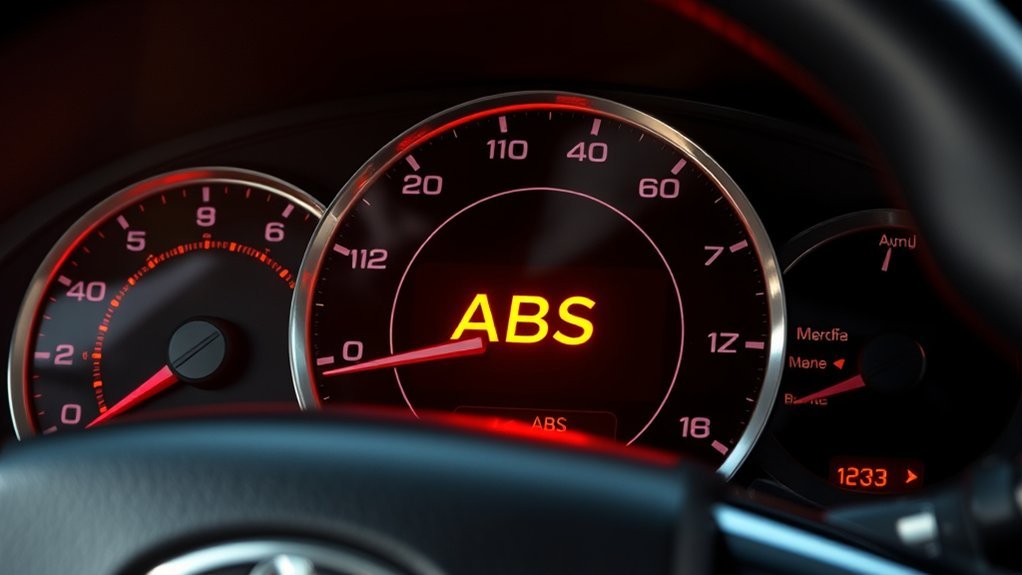
Wondering when to seek help for your ABS light issues? Ignoring this warning signal can compromise your safety. Here are key situations to reflect on:
- ABS light remains illuminated: This indicates potential malfunctions in your braking system.
- Hard brake application or intermittent ABS activation: These signs suggest you should consult a qualified mechanic to prevent further damage.
- Other warning lights or symptoms: If you notice additional issues like speedometer drops, immediate professional assessment is essential.
Don’t underestimate the importance of preventive maintenance. Regular inspections can identify underlying problems, such as faulty wheel speed sensors or ABS modules, before they escalate. If your ABS light frequently activates, it’s time to get a diagnostic check. Staying proactive can save you from larger issues down the road and guarantee your safety on the road.
Repair and Replacement Costs
When your ABS light stays on, addressing the underlying issues can lead to significant repair and replacement costs. Repairing or replacing a faulty ABS sensor typically runs between $100 and $160 for the part, with labor considerations adding around $200 for professional installation. If your diagnostic tools are outdated, you might need to invest in a new one, further increasing costs.
Should you discover damaged wiring, pricing can vary widely based on the extent of the damage, necessitating a professional assessment. If multiple error codes appear, addressing them can escalate repair costs due to the need for additional parts and extensive labor. Additionally, ensuring sensor compatibility is crucial; incompatible sensors may require further adjustments or replacements. Regular maintenance, such as changing brake fluid and cleaning sensors, can help prevent these costly repairs and keep your ABS system functioning properly.
Keeping Your ABS System in Good Shape
To keep your ABS system functioning at its best, it’s vital to perform routine inspections and maintenance. Neglecting these tasks can lead to safety issues and costly repairs. Here are some effective brake maintenance tips to follow:
Routine inspections and maintenance are crucial for your ABS system’s performance, preventing safety issues and expensive repairs.
- Regularly inspect and clean wheel speed sensors to prevent debris buildup.
- Maintain proper brake fluid levels and replace fluid as recommended.
- Check for damaged wiring or poor connections within the ABS system.
Additionally, timely testing and replacement of worn brake pads are important since their degradation can impact ABS performance. Employ sensor cleaning techniques to guarantee the sensors remain free from obstructions. Finally, consider using professional diagnostics for recurring ABS issues, as this will help maintain the safety and reliability of your braking system. By staying proactive, you can greatly enhance the longevity and effectiveness of your ABS system.
Frequently Asked Questions
How Much Does It Cost to Fix the ABS on a Toyota Camry?
Fixing the ABS on your Toyota Camry typically costs between $100 and $1,000, depending on whether you need parts, labor, or diagnostic tools. Regular brake system maintenance can help minimize future expenses and issues.
Why Does the ABS Light Stay on in My Toyota Camry?
The ABS light stays on due to issues in the ABS system, warning signals of low brake fluid, faulty sensors, or damaged components. Use diagnostic tools to guarantee your brake safety isn’t compromised.
How Much Would It Cost to Fix an ABS Light?
Fixing an ABS light typically costs between $100 and $200, depending on your brake system’s issues. Using diagnostic tools helps identify the problem accurately, ensuring you address the right components for effective repair.
Conclusion
In conclusion, if your Toyota Camry’s ABS light comes on, don’t just brush it off. It’s vital to address the issue promptly, as ignoring it could lead to bigger problems down the road. By following the troubleshooting steps and checking key components, you can often pinpoint the cause. However, if you’re out of your depth, don’t hesitate to seek professional help. Keeping your ABS system in top shape guarantees safety and peace of mind behind the wheel.