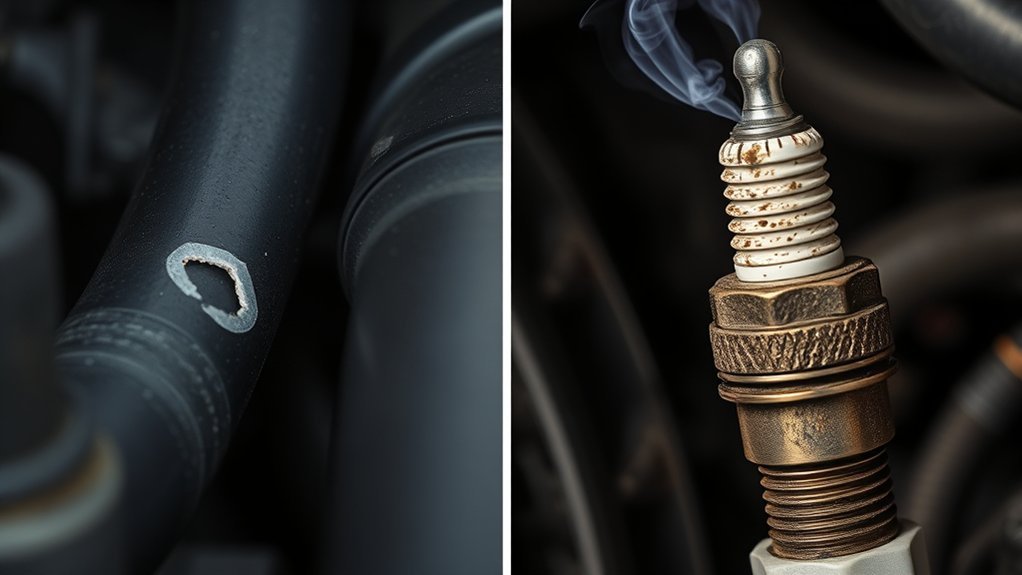
If your Toyota Camry’s steering wheel vibrates when you brake, the most likely causes are uneven front brake rotors, disc thickness variation, worn brake pads, pad deposits, hub runout, wheel/tire imbalance, or loose front suspension parts. Do not ignore the shake, especially if the brake pedal pulses, the car pulls to one side, or the vibration gets worse at highway speeds.
Quick Answer
A Camry steering wheel usually shakes while braking because the front brake rotors are uneven, the pads are worn or leaving deposits, or the wheel/hub/suspension assembly has runout or looseness. Start with a brake inspection, then check tires, wheel balance, hub rust, calipers, and front-end suspension parts.
Key Takeaways
- A steering wheel shake during braking usually points to the front brake, wheel, hub, or suspension area.
- “Warped rotor” is common wording, but the real issue may be disc thickness variation, lateral runout, rust, heat spots, or pad material transfer.
- If the Camry also shakes while cruising without braking, check tire balance, tire damage, wheel runout, and alignment before blaming the brakes.
- Severe vibration, grinding, pulling, smoke, or a soft brake pedal means the car should be inspected before normal driving continues.
At a Glance
| Time Required | 15–30 minutes for basic checks; 1–3 hours for shop diagnosis and repair |
| Difficulty | Easy for symptom checks; moderate to advanced for rotor, hub, and caliper measurement |
| Tools Needed | Flashlight, tire pressure gauge, torque wrench, jack stands, dial indicator, micrometer, and brake tools |
| Typical Cost | Inspection may be low-cost or included with service; Camry brake pads average about $307–$372, while rotor replacement often runs about $577–$719 before taxes, fees, and local labor differences |
Warning: If the brake pedal feels soft, the car pulls hard to one side, you hear grinding, smell burning, see smoke near a wheel, or the steering wheel shakes violently, avoid normal driving and have the Camry inspected as soon as possible.
Identifying Causes of Steering Wheel Vibration While Braking

The first clue is when the vibration happens. If your Camry is smooth while cruising but the steering wheel shakes only when you press the brake pedal, the front brake system is the first place to inspect. If the shake also happens while driving at highway speed without braking, tire balance, tire damage, wheel runout, or alignment may be involved.
Brake-related vibration often comes from disc thickness variation, lateral rotor runout, pad deposits, rust on the rotor or hub face, or worn brake pads. Many drivers call this a “warped rotor,” and that shorthand is understandable, but the fix is more accurate when the rotor and hub are measured instead of guessed.
Toyota’s official maintenance information for the Camry includes regular visual inspection of brake linings, drums, pads, and discs in the maintenance schedule. You can also confirm model-specific owner and maintenance documents through Toyota’s manuals and warranties portal.
Quick Diagnosis: What the Shake Is Telling You
Use these clues before replacing parts:
| Symptom | Most Likely Area | What to Check |
|---|---|---|
| Steering wheel shakes only while braking | Front brakes, front hubs, or front suspension | Rotor runout, pad wear, caliper operation, hub rust, tie rods, control arm bushings |
| Brake pedal pulses | Rotor thickness variation or runout | Rotor thickness, rotor surface, hub face, wheel lug torque |
| Car shakes while cruising without braking | Tires or wheels | Tire balance, tire pressure, bent wheel, tire separation, alignment |
| Vehicle pulls while braking | Caliper, hose, pad, or tire issue | Sticking caliper, seized slide pins, collapsed brake hose, uneven pad wear |
| Grinding noise with vibration | Severely worn brake pads or damaged rotor | Pad thickness, rotor grooves, metal-to-metal contact |
Common Causes of Vibration During Braking
Several problems can create a Camry brake shudder. The most common are:
- Uneven front rotors: Rotor thickness variation or runout can send a pulsing force through the caliper and steering system.
- Worn brake pads: Thin or uneven pads reduce smooth contact and can make an existing rotor issue feel worse.
- Pad material deposits: Overheated pads can leave uneven material on the rotor surface, creating a pulsing feel.
- Rust or debris between the rotor and hub: If the rotor does not sit flat, it can rotate with runout even if the rotor is new.
- Improper lug nut torque: Uneven or excessive torque can distort the rotor-hub assembly.
- Wheel or tire imbalance: This is more likely if the car vibrates even when you are not braking.
- Suspension looseness: Worn control arm bushings, ball joints, or tie rods can amplify brake vibration.
- Sticking caliper or seized slide pins: A dragging brake can overheat one rotor and cause uneven pad wear.
How Uneven Rotors Affect Your Braking Performance
When the brake rotor surface is not consistent, the brake pads do not clamp with the same force through the full rotation of the wheel. That uneven contact can create a pulsing brake pedal and a steering wheel shake, especially during moderate or highway-speed braking.
A technical brake-pulsation bulletin available through the NHTSA database explains that brake-related vibration can have multiple root causes, including disc thickness variation, pad material transfer, corrosion, runout, worn pads, suspension issues, and wheel/tire imbalance. Wagner Brake also explains how disc thickness variation can create brake pedal pulsation.
Causes of Rotor Runout and Thickness Variation
Rotor problems usually develop from heat, wear, installation errors, or contamination. Common triggers include:
- Hard repeated braking without enough cooling time
- Holding the brake pedal firmly after a hot stop, which can leave pad deposits
- Rust buildup on the rotor or hub face
- Loose, uneven, or over-tightened lug nuts
- Old pads wearing into the rotor surface
- A sticking caliper that keeps one brake partly applied
Symptoms of Rotor Problems
You may notice a rotor-related issue when the steering wheel shakes during braking, the brake pedal throbs, the vibration worsens as the brakes heat up, or the shake feels stronger when braking from highway speeds. A rotor can look smooth and still have runout or thickness variation, so measurement is more reliable than appearance alone.
Repair and Replacement Options
A shop may recommend resurfacing, replacing, or cleaning and reinstalling the rotor depending on the rotor thickness, surface condition, runout measurement, and manufacturer specifications. If the rotor is below minimum thickness, deeply grooved, heat-damaged, cracked, or repeatedly pulsating, replacement is usually the better repair.
Pro Tip: If rotors are replaced, ask the shop whether they cleaned the hub face and torqued the lug nuts in the proper pattern. A new rotor installed on a rusty hub can develop the same vibration again.
Worn Brake Pads and Their Impact on Shaking
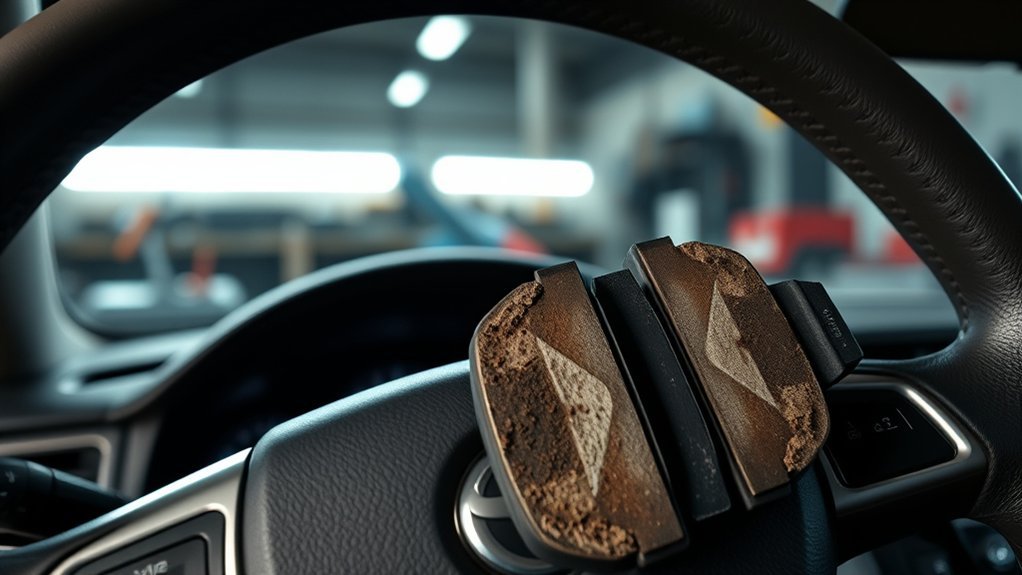
Worn brake pads can make braking rough, noisy, and uneven. As the pad material gets thin, the pad may not press evenly against the rotor. If the rotor already has runout or disc thickness variation, worn pads can make the steering wheel shake feel stronger.
Brake Pad Wear Effects
Brake pad wear does not always look dramatic at first. A pad can still have some material left but be worn unevenly, glazed from heat, cracked, contaminated, or paired with a rotor surface that is no longer smooth. During a proper inspection, the technician should check pad thickness, inner and outer pad wear, caliper slide movement, rotor surface condition, and whether the wear indicator is close to contacting the rotor.
Importance of Quality Pads
Quality pads matter because different materials handle heat, noise, dust, and pedal feel differently. The best choice is not always the most aggressive pad; it is the pad that fits your Camry’s braking system, driving style, and rotor material.
| Brake Pad Material | Typical Strength | Possible Trade-Off |
|---|---|---|
| Organic | Quiet feel and smooth stops | Can wear faster under heat |
| Semi-Metallic | Good heat handling and durability | May create more noise or dust |
| Ceramic | Low dust and consistent street performance | May cost more than basic pads |
Signs Your Brake Rotors Need Replacement

Your Camry’s rotors may need replacement if you notice strong steering wheel vibration while braking, a pulsing brake pedal, deep grooves, blue heat marks, cracks, heavy rust, or a grinding noise. Rotors should also be replaced if they are below minimum thickness or if runout cannot be corrected within specification.
It is usually best to service brakes in axle pairs, meaning both front rotors or both rear rotors are handled together when replacement is needed. This helps keep braking balanced from side to side.
Note: If the steering wheel shakes, the front brake and front suspension area deserve extra attention. If the vibration is felt more in the seat or floor, rear brakes, rear tires, or other driveline issues may also need inspection.
Why Wheel Balancing Matters
Wheel balancing matters because an unbalanced tire and wheel assembly can shake at certain speeds. If the steering wheel vibrates while cruising and the shake does not depend on brake pedal pressure, the tires and wheels should be checked before replacing brake parts.
Wheel/tire imbalance can also amplify a brake vibration that is already present. That is why a complete diagnosis should include tire pressure, tread condition, bent wheels, missing wheel weights, wheel bearing play, and alignment-related tire wear.
Checking Your Vehicle’s Maintenance History for Brake Issues
Your Camry’s service history can reveal why the vibration returned. Look for recent brake pad replacement, rotor resurfacing, tire rotation, wheel balancing, suspension work, or wheel removal. A shake that began right after tire or brake service may point to incorrect lug torque, hub debris, a bent dust shield, uneven pad bedding, or a wheel balance issue.
For Toyota-specific guidance, check your owner documents through Toyota’s official manual portal and review the maintenance schedule for brake pad, disc, fluid, steering, and suspension inspections. Toyota also provides access to repair publications through its Technical Information System.
What to Expect During a Brake Inspection
A good brake inspection should do more than glance at the pads. The technician should confirm when the vibration occurs, test drive the car safely, inspect the front and rear brakes, measure rotor thickness and runout if needed, and check related steering and suspension parts.
| Inspection Area | What Should Be Checked | Why It Matters |
|---|---|---|
| Brake pads | Thickness, inner/outer wear, glazing, cracks, contamination | Uneven pads can cause noise, vibration, and weak braking |
| Rotors | Thickness, runout, grooves, rust, heat marks, cracks | Rotor variation is a common source of brake pulsation |
| Calipers | Slide pins, piston movement, leaks, uneven heat | A sticking caliper can overheat one brake and damage pads or rotors |
| Hub and wheel bearing | Rust, debris, runout, looseness, noise | A rotor must sit flat on the hub to spin true |
| Tires and wheels | Balance, pressure, tread wear, bent wheel, radial runout | Tire problems can mimic or amplify brake vibration |
| Suspension and steering | Control arm bushings, ball joints, tie rods, struts | Loose parts can turn a small brake pulse into a strong steering shake |
How Much Does It Cost to Fix Camry Brake Shudder?
The cost depends on the cause. A tire rebalance is usually less expensive than a brake job, while pads, rotors, calipers, and suspension parts raise the price. Current RepairPal estimates list Toyota Camry brake pad replacement at about $307–$372 on average, while general brake rotor replacement averages about $577–$719. Your final quote can change based on your Camry year, trim, local labor rate, OEM vs. aftermarket parts, and whether calipers or hoses also need service.
Before approving the repair, ask for a written quote that separates pads, rotors, hardware, labor, brake fluid service, taxes, and any recommended suspension or tire work. If a shop recommends rotors, ask whether they measured rotor thickness and runout or found visible damage such as scoring, heat marks, or cracking.
Tips for Choosing Quality Brake Components
When selecting brake components, prioritize fit, heat performance, and proven quality over the cheapest price. Poor-quality rotors or pads can create noise, dust, uneven wear, and repeat vibration.
- Match pads and rotors to your exact Camry year, trim, and engine.
- Replace brake hardware when recommended, especially clips and shims that affect pad movement.
- Clean the hub face before installing rotors.
- Torque lug nuts evenly to the correct specification.
- Break in new pads and rotors according to the part manufacturer’s instructions.
- Repair sticking calipers or seized slide pins before installing new pads and rotors.
How to Prevent Steering Wheel Vibration When Braking
You can reduce the chance of brake shudder returning by keeping up with tire rotations, brake inspections, and suspension checks. Avoid repeated hard stops when possible, do not ride the brakes down long hills, and avoid holding heavy pedal pressure after a very hot stop unless traffic safety requires it.
After any wheel or brake service, make sure the wheels are torqued properly and the car is test driven. If the vibration returns quickly after a brake job, ask the shop to recheck rotor runout, hub cleanliness, pad bedding, lug torque, and caliper movement.
Frequently Asked Questions
Why does my steering wheel shake when I brake my Toyota Camry?
The most common reason is an issue in the front brake system, such as rotor thickness variation, lateral runout, pad deposits, worn brake pads, or a rotor that is not sitting flat on the hub. Tire imbalance, worn suspension parts, or a sticking caliper can also cause or amplify the shake.
How do I fix a shaking steering wheel when braking?
Start with a brake inspection. Check pad thickness, rotor condition, rotor runout, hub rust, caliper slide pins, and lug nut torque. If the car also shakes when you are not braking, check tire balance, tire pressure, bent wheels, and suspension wear before replacing brake parts.
How much does it cost to fix brake shudder on a Camry?
Cost depends on the cause. A wheel balance may be relatively inexpensive, while pads, rotors, calipers, or suspension repairs cost more. RepairPal lists Toyota Camry brake pad replacement around $307–$372 on average, and brake rotor replacement around $577–$719 on average before taxes, fees, and location-specific labor differences.
Why does my 2012 Camry shudder when I brake?
A 2012 Camry can shudder when braking for the same reasons as other Camry years: uneven rotors, worn pads, pad deposits, caliper drag, hub runout, tire imbalance, or worn suspension components. Because age and mileage matter, also inspect rubber bushings, tie rods, ball joints, and wheel bearings.
Can I keep driving if my Camry shakes when braking?
A mild vibration on a short local drive to a repair shop may be manageable, but do not ignore it. Avoid normal driving if the vibration is severe, the pedal feels soft, the car pulls, braking distance increases, you hear grinding, or you smell burning from a wheel.
Do I need rotors, brake pads, or both?
You need measurement and inspection to know. Pads may be enough if the rotors are smooth, thick enough, and within runout specification. Rotors may need resurfacing or replacement if they are grooved, heat-damaged, cracked, below minimum thickness, or causing measurable runout or thickness variation.
Sources
- Toyota Owners — 2019 Camry manuals and warranties — official Toyota manual and maintenance document access.
- Toyota 2019 Camry Warranty & Maintenance Guide — Camry brake pad/disc inspection schedule reference.
- NHTSA-hosted brake pulsation diagnostic bulletin — brake pulsation causes including disc thickness variation, pad transfer, corrosion, runout, worn pads, suspension, and wheel/tire imbalance.
- Wagner Brake — Brake Pedal Pulsation and Disc Thickness Variation — explanation of how rotor thickness variation creates pedal pulsation.
- RepairPal — Toyota Camry brake pad replacement cost — current average cost estimate for Camry brake pad replacement.
- RepairPal — Brake rotor replacement cost — current average brake rotor replacement estimate.
Conclusion
A Camry steering wheel that vibrates when braking is usually a sign of uneven front rotors, worn pads, pad deposits, hub runout, tire imbalance, or loose suspension parts. The safest repair starts with diagnosis, not guessing. Check whether the shake happens only while braking, inspect the brake pads and rotors, measure runout when needed, and rule out tires, calipers, hubs, and suspension before replacing parts. Fix it early and your Camry will brake smoother, feel safer, and be less likely to wear out new brake parts too soon.