You should choose brake fluid by the specification on your reservoir cap or owner’s manual first, then by how hard the brakes are used. DOT 3 is usually enough for light-duty commuting when the vehicle calls for it. DOT 4 gives a higher boiling-point margin for modern, heavier, high-speed, mountain, towing, or repeated-braking use. Both fluids absorb moisture over time, so clean handling and regular replacement matter as much as the DOT rating.
Quick Answer
Use DOT 3 only when your vehicle allows it and your driving is normal. Use DOT 4 when the vehicle specifies it or when brakes face more heat from ABS-equipped systems, towing, mountains, spirited driving, or repeated hard stops. DOT 3 and DOT 4 can usually mix in an emergency, but a proper flush to the correct spec is the safer long-term fix.
Key Takeaways
- DOT 4 handles more heat: its federal minimum dry/wet boiling points are higher than DOT 3.
- DOT 3 is not “bad”: it is fine when the vehicle specifies DOT 3 and the brakes are used lightly.
- DOT 4 LV is different from regular DOT 4: low-viscosity DOT 4 is often used for modern ABS, ESC, and stability-control systems.
- Moisture is the enemy: glycol-based brake fluids absorb water, which lowers boiling point and can cause a soft pedal or vapor lock.
- Manufacturer spec wins: never downgrade a DOT 4 system to DOT 3 for normal service unless the vehicle maker explicitly allows it.
Which Brake Fluid Should I Choose?
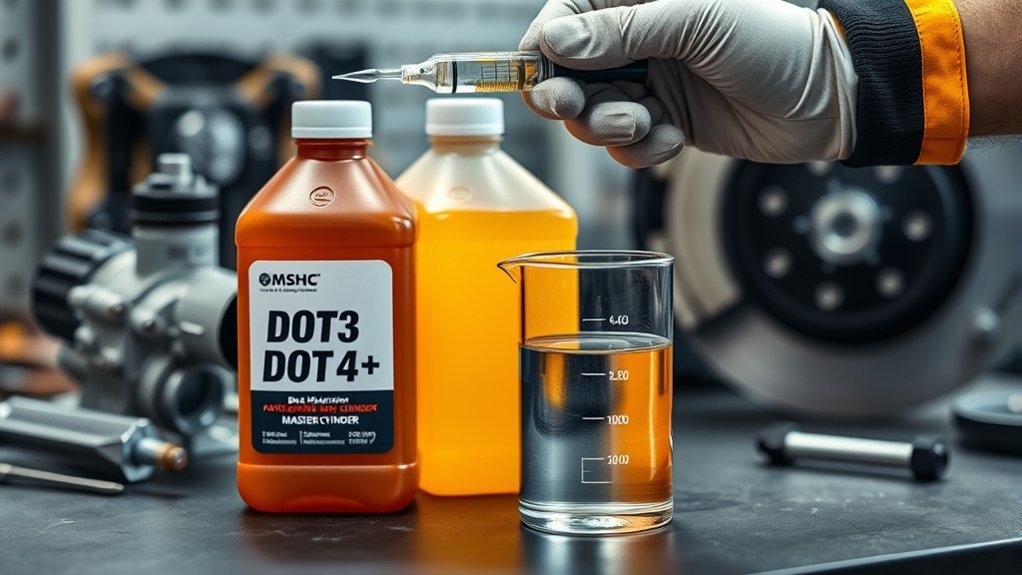
Start with the label on the brake-fluid reservoir cap or the vehicle maintenance manual. That specification is based on the seals, ABS hydraulic unit, operating temperature, and brake-system design. If the vehicle calls for DOT 4, do not use DOT 3 as a routine replacement just to save money.
For a normal commuter car that specifies DOT 3, DOT 3 is usually adequate. For a vehicle that sees repeated hard stops, heavy loads, steep descents, towing, sporty driving, or modern electronic brake controls, DOT 4 or DOT 4 LV is often the better match when approved by the manufacturer.
Warning: Brake fluid is safety-critical. Do not guess, do not use fluid from an old open bottle, and do not let dirt, water, engine oil, power-steering fluid, or petroleum products enter the brake system.
| Situation | Better choice | Why |
|---|---|---|
| Older or economy vehicle that specifies DOT 3 | DOT 3 | Meets the intended system requirements for normal use. |
| Vehicle that specifies DOT 4 | DOT 4 | Keeps the designed boiling-point safety margin. |
| Modern ABS/ESC system requiring low-viscosity fluid | DOT 4 LV, if specified | Low-viscosity fluid can respond better in some electronic brake-control systems. |
| Towing, mountain driving, performance use, repeated heavy braking | DOT 4 or higher approved fluid | Higher boiling-point margin helps resist vapor lock and fade. |
| Emergency top-off when only DOT 3 is available for a DOT 4 system | Temporary only | Get the system flushed and refilled with the correct specification as soon as practical. |
[Products Worth Considering]


Brake Fluid DOT 4 – Reliable Performance: STP Synthetic DOT 4 brake fluid is designed to help protect brake systems and support consistent braking performance in a wide range of driving conditions

What Are the DOT 3 Vs DOT 4 Differences?
The main difference between DOT 3 and DOT 4 is boiling-point performance. DOT 4 must meet higher federal minimum boiling-point requirements, so it gives more heat margin before vapor bubbles can form in the brake lines.
| Fluid type | Base family | Minimum dry boiling point | Minimum wet boiling point | Best fit |
|---|---|---|---|---|
| DOT 3 | Glycol-based | 401°F / 205°C | 284°F / 140°C | Normal commuting when specified by the vehicle maker |
| DOT 4 | Glycol-based | 446°F / 230°C | 311°F / 155°C | Higher-heat braking, many modern vehicles, towing, hills, and performance use |
These values come from FMVSS 116, the U.S. federal brake-fluid standard. Many premium fluids exceed these minimums, so always read the bottle and match the vehicle’s required specification.
Chemical Composition Differences
DOT 3 and DOT 4 are both non-silicone, glycol-based brake fluids. DOT 4 usually uses a more advanced additive package, often including borate-ester chemistry, to raise boiling-point performance. That does not mean every DOT 4 fluid is automatically better for every system; the correct choice is still the grade and subtype approved for your vehicle.
Do not confuse these with DOT 5, which is silicone-based and generally not interchangeable with DOT 3 or DOT 4 systems. DOT 5.1 is a different non-silicone, glycol-based high-performance category, despite the similar name.
Dry And Wet Boiling Points
Dry boiling point is the boiling point of fresh fluid before it has absorbed moisture. Wet boiling point reflects performance after controlled moisture exposure. Wet boiling point matters because brake fluid lives in a real vehicle for months or years, not in a sealed laboratory bottle.
DOT 4’s federal minimum wet boiling point is 311°F, compared with 284°F for DOT 3. That extra margin can matter during towing, mountain descents, repeated hard stops, or high-speed braking.
Water Absorption Rates
Both DOT 3 and DOT 4 absorb moisture from the air over time. That moisture lowers boiling point and raises the chance of vapor bubbles under heat. It can also contribute to corrosion inside the hydraulic system.
Avoid broad claims that DOT 3 or DOT 4 always lasts longer. Real service life depends on the vehicle, climate, driving style, fluid formulation, and how carefully the system is sealed and serviced. A safe rule is to follow the manufacturer’s service schedule and test or replace the fluid sooner if it is dark, cloudy, contaminated, or the pedal feels soft.
Note: The “wet boiling point” test uses a controlled lab condition. It should not be treated as a universal field-service cutoff. Use the vehicle service schedule, a quality brake-fluid tester, and symptoms to decide when service is due.
Can You Mix DOT 3 and DOT 4? Risks and Exceptions
DOT 3 and DOT 4 are generally chemically compatible because both are glycol-based brake fluids. If you are stranded and need to top off a system to get to a safe repair location, mixing DOT 3 and DOT 4 is usually better than driving with dangerously low brake fluid.
That said, mixing is not best practice. If a DOT 4 system is topped off with DOT 3, the final blend may not keep the same boiling-point margin the vehicle was designed to have. If a system specifies DOT 4, flush and refill it with DOT 4 as soon as practical.
Warning: Do not mix DOT 5 silicone brake fluid with DOT 3 or DOT 4 unless the vehicle manufacturer specifically designed the system for it. DOT 5 is a different fluid family.
Also, a low brake-fluid level can indicate worn brake pads or a leak. If the level has dropped noticeably, inspect the brake system rather than repeatedly topping it off.
Which Cars and Driving Styles Need DOT 3 Vs DOT 4?
The right brake fluid depends on the vehicle specification and how much heat your brakes produce. Heat comes from speed, weight, repeated braking, long downhill grades, towing, larger wheels, aggressive pads, and performance driving.
[Products Worth Considering]
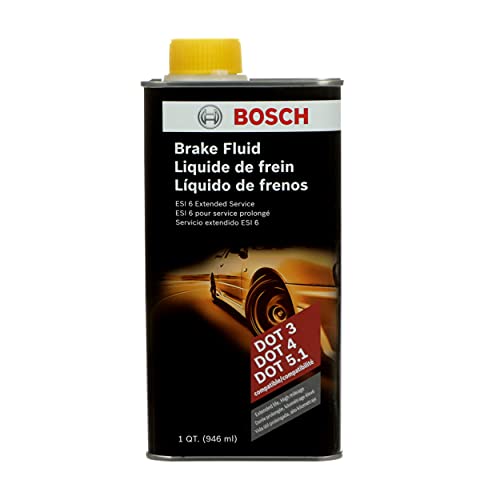
[NEXT GENERATION FLUID] - Bosch ESI6 is a next generation brake fluid designed for today's modern braking systems and is the first fluid to simultaneously combine both low viscosity and high wet boiling point (365 Degrees Fahrenheit)
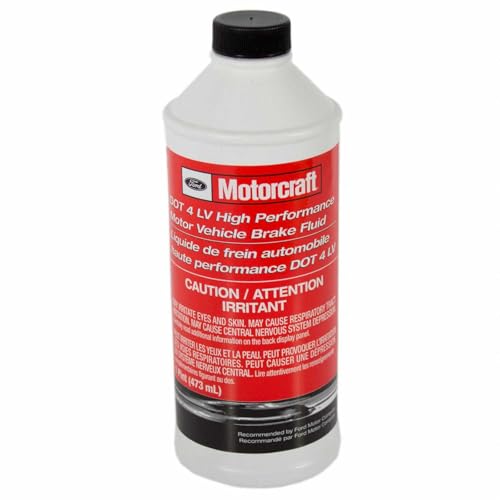
New low viscosity formulation, faster response at lower temperatures

Genuine OEM - direct fit
Daily Commuters’ Needs
For a basic daily commuter that specifies DOT 3, DOT 3 is usually enough. It meets the federal requirements for its class and works well when braking temperatures stay moderate.
Choose DOT 4 instead if the owner’s manual specifies it, if the vehicle has a higher-demand braking system, or if you regularly drive in steep, congested, or hot conditions where brakes work harder.
Modern ABS And Stability-Control Systems
Some newer vehicles specify DOT 4 LV or another low-viscosity brake fluid for faster hydraulic response in ABS, ESC, traction-control, and electronic brake-force systems. Do not assume standard DOT 4 and DOT 4 LV are interchangeable. Check the exact wording on the cap or service manual.
Brembo notes that DOT 4 Low Viscosity fluid is recommended for newer vehicles with electronic braking and stability systems such as ABS, ESP, ASR, TCS, and EBD.
Performance And Track Use
DOT 4 is the better starting point for spirited driving, performance cars, mountain roads, and occasional track days when approved for the vehicle. Higher boiling-point fluid helps maintain a firmer pedal under repeated heavy braking.
For real track use, choose a high-performance fluid that meets the vehicle’s required DOT category and has published dry and wet boiling points suitable for the brake temperatures you expect. Track fluids often need more frequent replacement than normal street fluids.
Heavy Loads And Towing
Towing, hauling, and long downhill grades put more heat into the brake system. If the vehicle allows DOT 4 or requires it, DOT 4 is usually the safer choice because it gives more heat margin before vapor lock.
Use engine braking where appropriate, avoid riding the brake pedal on long descents, and service the brake fluid on schedule. The best fluid cannot compensate for overloaded brakes, worn pads, or poor driving technique.
How Water in Brake Fluid Affects Braking
Brake fluid transfers pedal force through hydraulic pressure. Liquid does not compress much, so the pedal feels firm when the system is clean, full, and properly bled. Vapor does compress, which is why boiled brake fluid can cause a soft or sinking pedal.
When glycol-based brake fluid absorbs moisture, its boiling point drops. Under heavy braking, the fluid near the calipers can get hot enough to form vapor bubbles. Those bubbles compress when you press the pedal, reducing hydraulic force and making the brakes feel spongy.
Common signs of old, contaminated, or moisture-heavy brake fluid include:
- Soft, spongy, or sinking brake pedal
- Brake fade after repeated stops
- Dark, cloudy, or dirty-looking fluid in the reservoir
- Brake warning light or low fluid level
- Longer stopping distance under heat
- Recent brake work followed by a pedal that does not feel normal
Pro Tip: Brake fluid absorbs moisture once opened. For best results, use fluid from a fresh sealed container and keep the cap on the reservoir and bottle whenever you are not actively filling.
Check, Flush, and Replace DOT 3/4: Step-by-Step Maintenance
At a Glance
| Time Required | 10 minutes for inspection; 45–90 minutes for a basic flush if the vehicle supports normal bleeding |
| Difficulty | Inspection: easy; flushing: moderate to advanced |
| Tools Needed | Correct brake fluid, gloves, eye protection, clean rags, brake-fluid tester, bleed hose/bottle, wrench, and service manual |
| Cost | Usually low for fluid and test strips; higher if a shop or ABS scan-tool bleed is required |
Brake-fluid maintenance should be clean, careful, and vehicle-specific. A basic inspection is simple; a full flush can be risky if you let the reservoir run dry, introduce air, damage bleeder screws, or miss an ABS procedure.
- Confirm the required fluid. Check the reservoir cap and owner’s manual for DOT 3, DOT 4, DOT 4 LV, DOT 5.1, or another exact specification.
- Inspect the reservoir. The fluid should usually be between the minimum and maximum marks. A low level can mean worn pads or a leak.
- Check fluid condition. Fresh fluid is usually clear to amber. Dark, cloudy, or dirty fluid is a warning sign.
- Test for moisture or boiling point. Use a quality brake-fluid tester as a screening tool, but do not ignore the vehicle’s time-based service schedule.
- Use only fresh, correct fluid. Keep the container closed and avoid fluid from old open bottles.
- Flush only with the proper procedure. Follow the factory bleed order and instructions. Some ABS systems require a scan tool to cycle valves.
- Protect paint and skin. Brake fluid can damage paint. Wipe spills immediately and rinse according to the product label.
- Verify pedal feel before driving. The pedal should feel firm. If it sinks, feels spongy, or the warning light stays on, do not drive until the system is fixed.
Warning: If you are not comfortable bleeding brakes, if the vehicle has a complex ABS system, or if the pedal feels soft after service, use a qualified technician. Brake mistakes can cause loss of stopping power.
[Products Worth Considering]

150mL Premium DOT4 Brake Fluid

【Exclusive Design】Specifically engineered for SRAM brake systems, this bleed kit ensures a perfect fit and optimal performance during maintenance.

Manufacturer Specs & Safety: Performance Trade-Offs and Recommendations
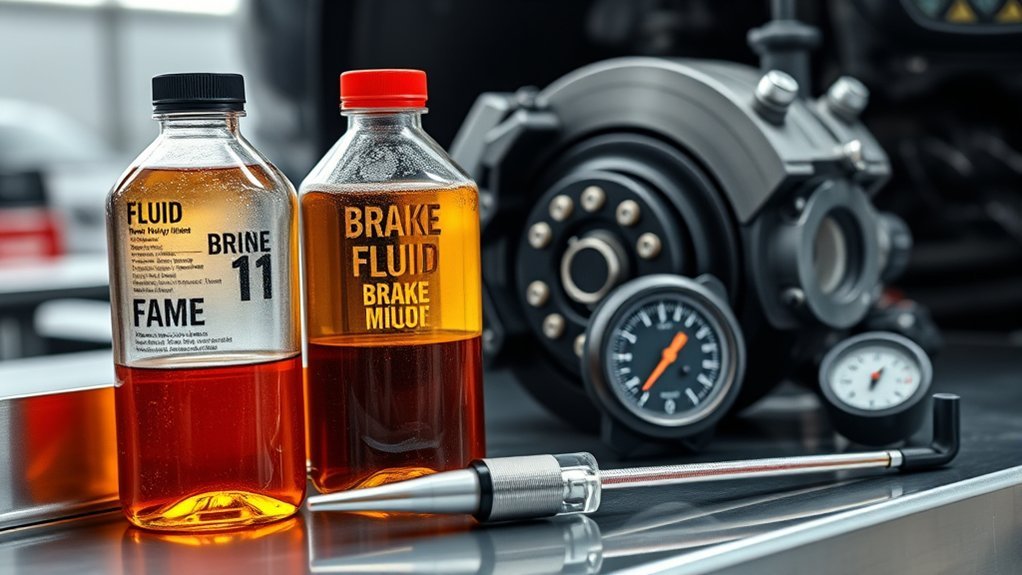
The best brake fluid is not simply the one with the highest DOT number. It is the fluid that matches the brake system and driving conditions. A vehicle designed for DOT 3 may not need DOT 4 for normal use, while a vehicle that specifies DOT 4 should not be downgraded to DOT 3 for regular service.
The FMVSS 116 standard covers brake-fluid performance requirements, packaging, labeling, and warnings. The same standard requires labels to tell users to follow the vehicle manufacturer’s recommendations and keep brake fluid clean and dry.
For most street vehicles, brake fluid is commonly replaced every 2–3 years, but the correct interval is the one in your maintenance schedule. Brembo also recommends replacing brake fluid according to the vehicle manufacturer and generally after a 2–3 year interval because moisture lowers boiling-point performance over time.
Common Brake Fluid Mistakes to Avoid
- Using DOT 3 in a DOT 4 system as normal service: this can reduce heat margin.
- Assuming all DOT 4 is low-viscosity: use DOT 4 LV only when that exact spec is required or approved.
- Confusing DOT 5 with DOT 5.1: DOT 5 is silicone-based; DOT 5.1 is non-silicone and closer to DOT 3/DOT 4 chemistry.
- Using old opened fluid: opened brake fluid absorbs moisture from air.
- Overfilling the reservoir: level changes as pads wear and pistons move.
- Ignoring a low level: low fluid can point to worn pads or leaks.
- Getting fluid on paint: brake fluid can damage painted surfaces.
Frequently Asked Questions
Can I use DOT 3 instead of DOT 4?
Only as a temporary emergency top-off if you have no safer option. If your vehicle specifies DOT 4, use DOT 4 for normal service because DOT 3 has lower minimum dry and wet boiling points. After an emergency mix, have the system flushed and refilled with the correct fluid.
Can I use DOT 4 instead of DOT 3?
Often yes, if the vehicle manufacturer allows it, because DOT 4 has higher minimum boiling points and is glycol-based like DOT 3. Still, check the manual first, especially on older vehicles or systems with specific seal or service requirements.
Is DOT 4 always better than DOT 3?
DOT 4 has higher minimum boiling points, so it handles heat better. But “better” still depends on the vehicle. If the car specifies DOT 3 and is driven normally, DOT 3 can be the right choice. If the car specifies DOT 4 or sees high brake heat, DOT 4 is usually the better fit.
What is DOT 4 LV brake fluid?
DOT 4 LV means DOT 4 Low Viscosity. It is designed to flow more easily at low temperatures and is often specified for modern vehicles with ABS, stability control, traction control, and other electronic brake-control systems. Use it only when the vehicle calls for it or approves it.
How often should DOT 3 or DOT 4 brake fluid be changed?
Follow your vehicle’s maintenance schedule. Many street vehicles fall around every 2–3 years, but severe use, humid climates, towing, track driving, or tester results may justify earlier service.
Why does old brake fluid make the pedal feel soft?
Old glycol-based fluid can absorb moisture. When the brakes get hot, that moisture can lower the boiling point and help form vapor bubbles. Vapor compresses under pedal pressure, so the pedal can feel spongy or sink farther than normal.
Conclusion
Choose DOT 3 when the vehicle specifies it and your driving is light-duty. Choose DOT 4 when the vehicle requires it or when braking heat is higher from towing, mountains, performance driving, or repeated hard stops. Use DOT 4 LV only when that low-viscosity specification is required or approved. DOT 3 and DOT 4 can usually mix in an emergency, but the safest long-term move is to flush and refill with the exact manufacturer-recommended fluid.
Sources
- eCFR — 49 CFR § 571.116, Standard No. 116; Motor Vehicle Brake Fluids — DOT 3/DOT 4 federal boiling-point minimums, viscosity limits, labeling, color, and safety warnings.
- NHTSA — Laboratory Test Procedure for FMVSS 116 Motor Vehicle Brake Fluids — official compliance-test procedure context for brake-fluid performance testing.
- Brembo — Brake Fluids for Cars — manufacturer guidance on choosing fluid, DOT 4 LV, ABS/ESC use, moisture, vapor lock, and consulting the maintenance manual.
- Brembo Parts — Brake Fluid: When Changing It Saves the Whole Team — replacement interval guidance, hygroscopic behavior, and practical handling cautions.