You can improve a Toyota Tundra’s MPG, but the biggest wins usually come from restoring lost efficiency rather than chasing miracle gains. A 5.7L V8 Tundra is a heavy full-size pickup, so realistic improvements come from correct tire pressure, smooth driving, reduced drag and weight, proper maintenance, and careful tracking before spending money on mods.
Quick Answer
To improve Tundra MPG, start with the low-cost basics: set cold tire pressure to the driver-door placard, remove unnecessary weight, avoid aggressive acceleration, limit idling, use the manufacturer-recommended oil grade, and keep maintenance current. Track fuel economy before buying intakes, exhausts, or tunes because mod gains are often small and variable.
Key Takeaways
- Use the cold tire pressure listed on the driver-door label or owner’s manual, not the maximum PSI printed on the tire sidewall.
- Driving style matters most: rapid acceleration, hard braking, high speed, and long idling can wipe out any small gain from parts.
- For modern fuel-injected Tundras, replacing a clogged engine air filter can improve performance, but it is not a guaranteed MPG gain.
- A 2021 5.7L Tundra is EPA-rated at 15 combined MPG for 2WD and 14 combined MPG for 4WD, so set expectations realistically.
- Treat cold-air intakes, exhausts, and tuners as optional experiments, not guaranteed fuel-savers, and use only emissions-compliant parts.
At a Glance
| Time Required | 15 minutes for basic checks; 2–4 weeks for accurate MPG tracking |
| Difficulty | Easy for tire pressure, cargo, and driving habits; moderate for service inspections |
| Tools Needed | Tire-pressure gauge, air pump, fuel log app or notebook, basic maintenance records |
| Cost | $0–$25 for basic checks; more for repairs, tires, alignment, or scheduled maintenance |
Realistic Tundra MPG Baseline Before You Start
Before you make changes, know your starting point. The EPA lists the 2021 Toyota Tundra 5.7L 2WD at 15 MPG combined, 13 city, and 17 highway. The 2021 5.7L 4WD is listed at 14 MPG combined, 13 city, and 17 highway. Other model years, trims, tire sizes, lifts, towing setups, and driving conditions can vary.
Note: This guide is written mainly for gas Toyota Tundra owners, especially the 5.7L V8 generation. Newer turbocharged and hybrid Tundras have different engines, maintenance schedules, and MPG baselines, so always verify your exact year, drivetrain, and owner’s manual.
Immediate MPG Wins for Your Tundra: What To Do Now
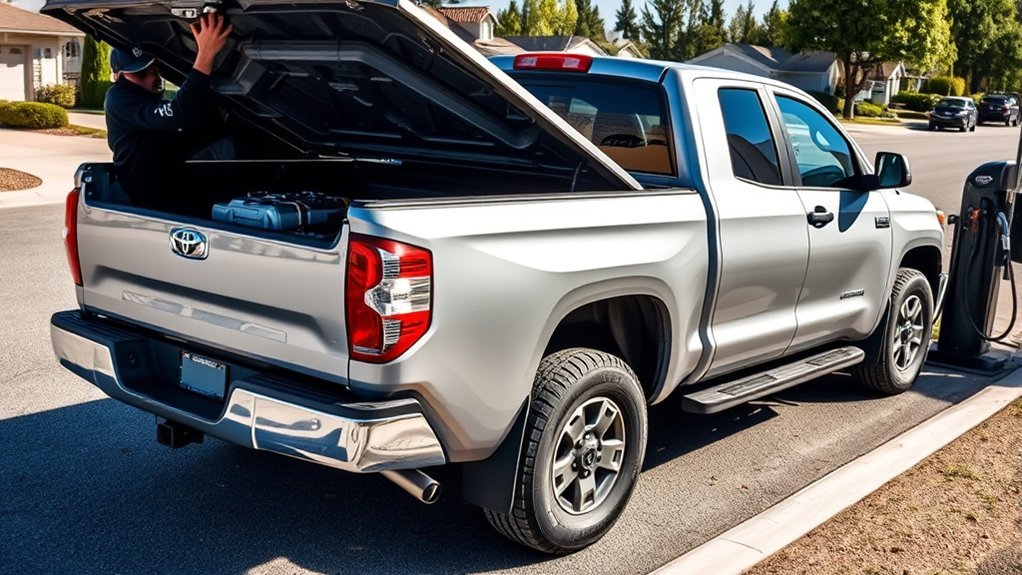
Start with the fixes that cost little, protect the truck, and are easiest to verify. The goal is to remove the common causes of lost MPG first.
| Action | Realistic MPG Effect | What To Do |
|---|---|---|
| Set correct tire pressure | Up to 3% in some cases if tires were underinflated | Check tires cold and inflate to the driver-door placard or owner’s manual pressure. |
| Use the correct motor oil grade | About 1%–2% versus using the wrong grade | Use the viscosity and specification listed for your exact engine. |
| Drive smoothly | Often bigger than any bolt-on part | Avoid hard launches, late braking, and unnecessary speed changes. |
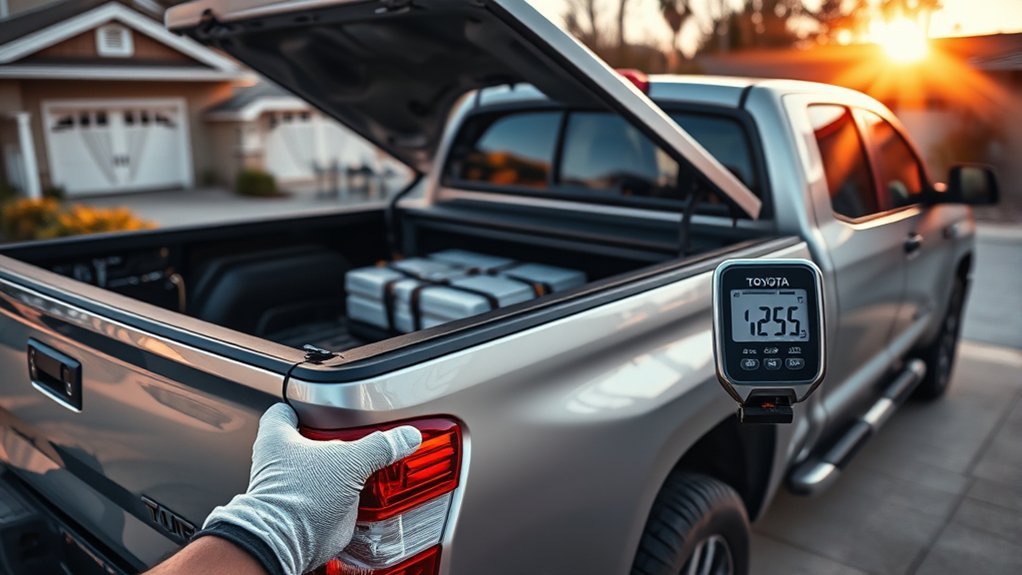
| Remove unnecessary weight | Small but real over time | Take out unused tools, cargo, sandbags, and heavy accessories when you do not need them. |
| Reduce drag | Most noticeable at highway speed | Remove unused roof racks, baskets, oversized flags, or exterior cargo. |
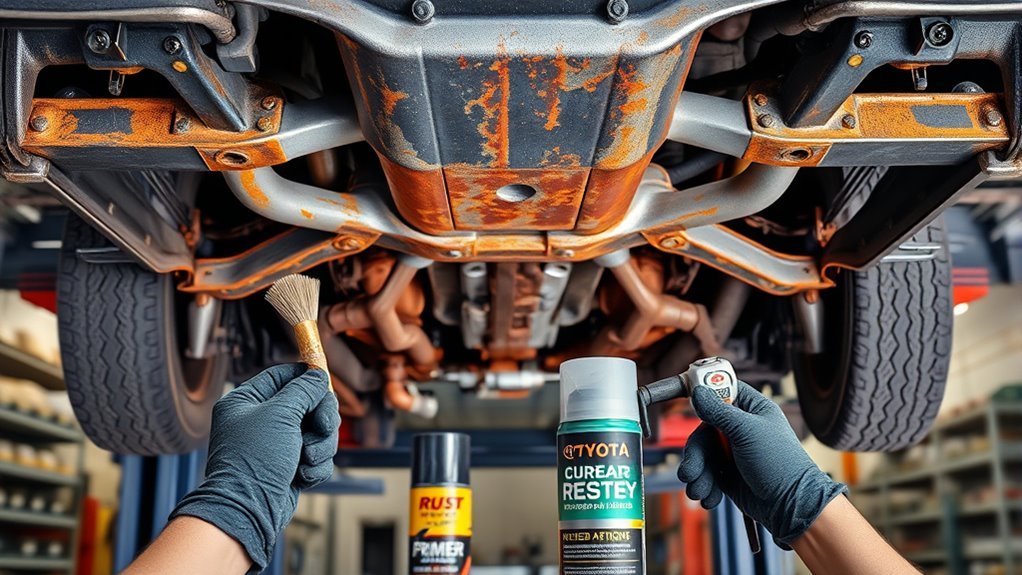
| Fix mechanical problems | Can be large if a fault exists | Do not ignore a check-engine light, dragging brake, bad alignment, misfire, or low fluid issue. |
The FuelEconomy.gov maintenance guide reports that proper tire inflation can improve gas mileage by 0.6% on average and up to 3% in some cases. It also notes that underinflated tires can lower mileage by about 0.2% for every 1 PSI drop in the average pressure of all tires.
Pro Tip: Do one change at a time when possible, then track at least two full tanks. If you inflate tires, remove 150 pounds of cargo, and change your route all at once, you will not know which change actually helped.
How To Track Tundra MPG the Right Way
Do not rely only on the dashboard MPG display. Use it as a quick reference, but calculate fuel economy by hand for a more consistent before-and-after comparison.
- Fill the tank fully until the pump clicks off once. Avoid topping off repeatedly.
- Reset Trip A before leaving the station.
- Drive normally until the next fill-up. Try to use a similar route, load, and speed.
- Fill at the same station and pump angle when practical.
- Calculate MPG: miles driven ÷ gallons added.
- Average at least three tanks before judging a part, repair, or habit change.
Example: if you drove 315 miles and added 21 gallons, your tank average is 15 MPG. If your Tundra normally gets 13.5 MPG and suddenly drops to 11 MPG with no change in towing, weather, or route, look for a mechanical or tire issue before buying performance parts.
Driving Techniques That Actually Save Tundra MPG
The fastest way to waste fuel in a Tundra is to drive a heavy truck like a sports car. The U.S. Department of Energy says aggressive driving, such as speeding, rapid acceleration, and hard braking, can lower highway gas mileage by 15%–30% and city mileage by 10%–40%.
Accelerate Like You Are Paying for Each Throttle Push
Use steady throttle and let the truck build speed smoothly. You do not need to crawl away from every light, but repeated wide-open throttle makes the engine burn more fuel and often triggers more downshifts.
Keep Highway Speed Reasonable
Fuel economy drops quickly as speed rises. DOE guidance notes that above 50 mph, every additional 5 mph is like paying more per gallon because aerodynamic drag rises fast. For a brick-shaped full-size pickup, this matters even more on long highway trips.
Use Cruise Control When Conditions Are Safe
On flat, open highways, cruise control can reduce speed creep and throttle surging. Turn it off in heavy traffic, rain, snow, steep hills, or any condition where you need direct speed control.
Coast Early and Brake Less
Look ahead. If a light is red or traffic is slowing, lift early and let the truck roll instead of staying on the gas and braking hard at the last second. Every hard brake turn fuel you already burned into heat.
Limit Idling
Idling gets 0 MPG. DOE notes that idling can use about a quarter to a half gallon of fuel per hour depending on engine size and air-conditioning use. If you are safely parked and waiting, shut the truck off when it makes sense for the weather, passengers, and battery condition.
The cheapest MPG mod is the driver. A smoother right foot can save more fuel than many bolt-on parts.
Maintenance Checklist That Protects Tundra MPG
Maintenance does not magically add MPG to a perfect truck. It restores efficiency when wear, low pressure, wrong fluids, or neglected parts are making the engine and drivetrain work harder than they should.
For the 2021 Tundra, Toyota’s Warranty & Maintenance Guide recommends scheduled maintenance every 5,000 miles or six months, whichever comes first. Always check the guide for your exact model year because service intervals can change.
[Products Worth Considering]

This steering clock spring is designed to restore reliable steering wheel controls across a wide range of Toyota models. It supports audio, cruise control, and other multifunction commands while matching OEM part numbers for confident replacement fitment. Built for dependable signal transfer and straightforward installation, it is an effective solution for repairing steering column control issues.

This ignition coil and iridium spark plug kit is designed to restore smooth engine performance, reliable starts, and efficient combustion for compatible Toyota models. Built for a precise fit across select Camry, RAV4, Sienna, Highlander, and Venza applications, it helps improve idle stability, fuel economy, and emissions. The kit includes durable replacement parts backed by a one-year unlimited-mileage guarantee for added confidence on the road.

This ignition coil pack and pre-gapped spark plug set is designed for select 3.5L V6 Toyota and Lexus models, helping restore smooth engine performance and reliable starting. Built to meet or exceed OEM specifications, it can help fix common issues like misfires, rough idle, poor fuel economy, and reduced power. The complete 6-piece set offers a convenient replacement solution for compatible vehicles.
Regular Fluid & Filter Changes
Use the oil grade Toyota specifies for your engine. FuelEconomy.gov says using the manufacturer-recommended motor oil grade can improve gas mileage by 1%–2% compared with using the wrong grade.
For a 2021 Tundra, Toyota’s maintenance guide lists engine air filter replacement at 30,000-mile intervals and more frequent inspection when driving on dirt or dusty roads. A clean air filter is still important, but be accurate about the benefit: on modern fuel-injected gasoline engines, replacing a clogged air filter can improve acceleration but is not a guaranteed MPG increase.
Tire Pressure and Alignment
Check tire pressure when the tires are cold. Use the pressure on the driver-door tire placard or in the owner’s manual. Do not inflate to the maximum PSI printed on the tire sidewall unless that number also matches Toyota’s specified pressure for your exact truck and load.
Alignment also matters. If the truck pulls, the steering wheel is off-center, or tire edges are wearing unevenly, the tires may be scrubbing down the road. That adds rolling resistance and shortens tire life.
Spark Plugs and Ignition
Bad spark plugs, weak coils, and misfires can waste fuel. For the 2021 Tundra, Toyota lists spark plug replacement at 120,000 miles or 144 months. If you own a different model year, verify the interval in your maintenance guide.
Do not wait for a severe misfire. A flashing check-engine light can indicate catalyst-damaging misfire conditions. If the truck runs rough, smells rich, hesitates, or loses MPG suddenly, scan for codes and inspect the ignition system.
Brakes, Bearings, and Drivetrain Drag
A dragging brake caliper, failing wheel bearing, low differential fluid, or driveline issue can make the truck work harder. Signs include a hot wheel, burning smell, vibration, grinding noise, or sudden MPG drop. These are repair issues first and fuel-economy issues second.
Warning: Never ignore a check-engine light, brake smell, overheating, or misfire just because the truck still drives. Some problems can damage the catalytic converters, transmission, brakes, or engine if you keep driving.
Low-Cost Tundra MPG Mods: What Is Actually Worth Trying?
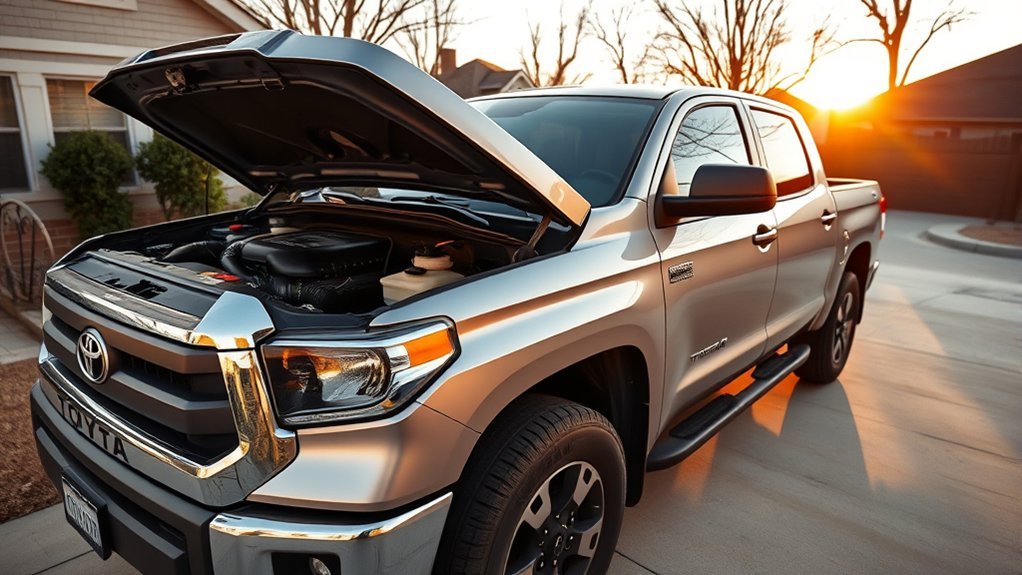
Start with low-risk changes before buying performance parts. The best “mods” for MPG are often not engine mods at all.
| Change | Worth It for MPG? | Why |
|---|---|---|
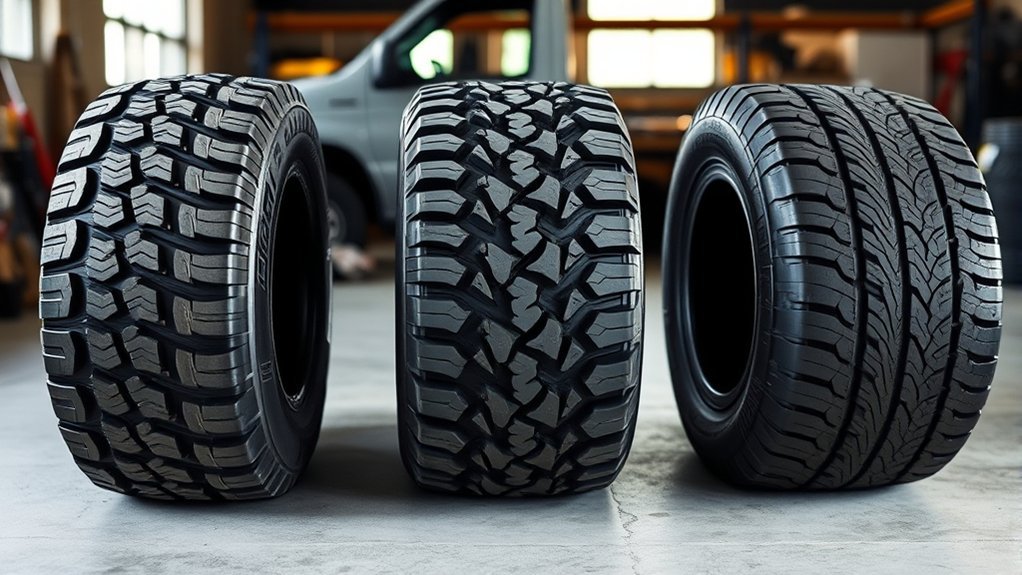
| Low-rolling-resistance highway tires | Maybe | Can help if you currently run heavy, aggressive all-terrain or mud tires, but traction, load rating, and use case matter. |
| Removing oversized tires | Often yes | Oversized, heavy tires increase rotational weight and can hurt gearing and MPG. |
| Tonneau cover | Maybe | Can reduce bed turbulence at highway speed, but real-world MPG gains vary and may be small. |
| Roof rack removal | Often yes | External cargo and roof racks add drag, especially on highway trips. |
| Cold-air intake | Usually not for MPG alone | May change sound and throttle feel, but fuel savings are not guaranteed. |
| Cat-back exhaust | Usually not for MPG alone | May improve sound, but payback from fuel savings alone is usually weak. |
If your Tundra has a lift, heavy bumper, winch, roof tent, mud tires, and constant bed cargo, restoring MPG may mean removing or downsizing accessories when you do not need them. The more weight and drag you add, the more fuel the truck needs to move.
[Products Worth Considering]

This ignition coil and spark plug set is designed to restore reliable starting, smooth engine performance, and efficient combustion for compatible Toyota, Lexus, Scion, and Pontiac models. Built with durable materials and engineered to meet or exceed OE design standards, it offers dependable fitment and long-lasting operation. The package includes four ignition coils and four double iridium spark plugs for a complete tune-up solution.

These heavy-duty running board side steps are designed to improve access to your Toyota Tundra without reducing ground clearance. Built for Double Cab and CrewMax front door applications, they offer practical convenience for everyday entry, roof loading, and off-road use. The durable iron construction and easy no-drill installation make them a reliable upgrade for rugged driving.
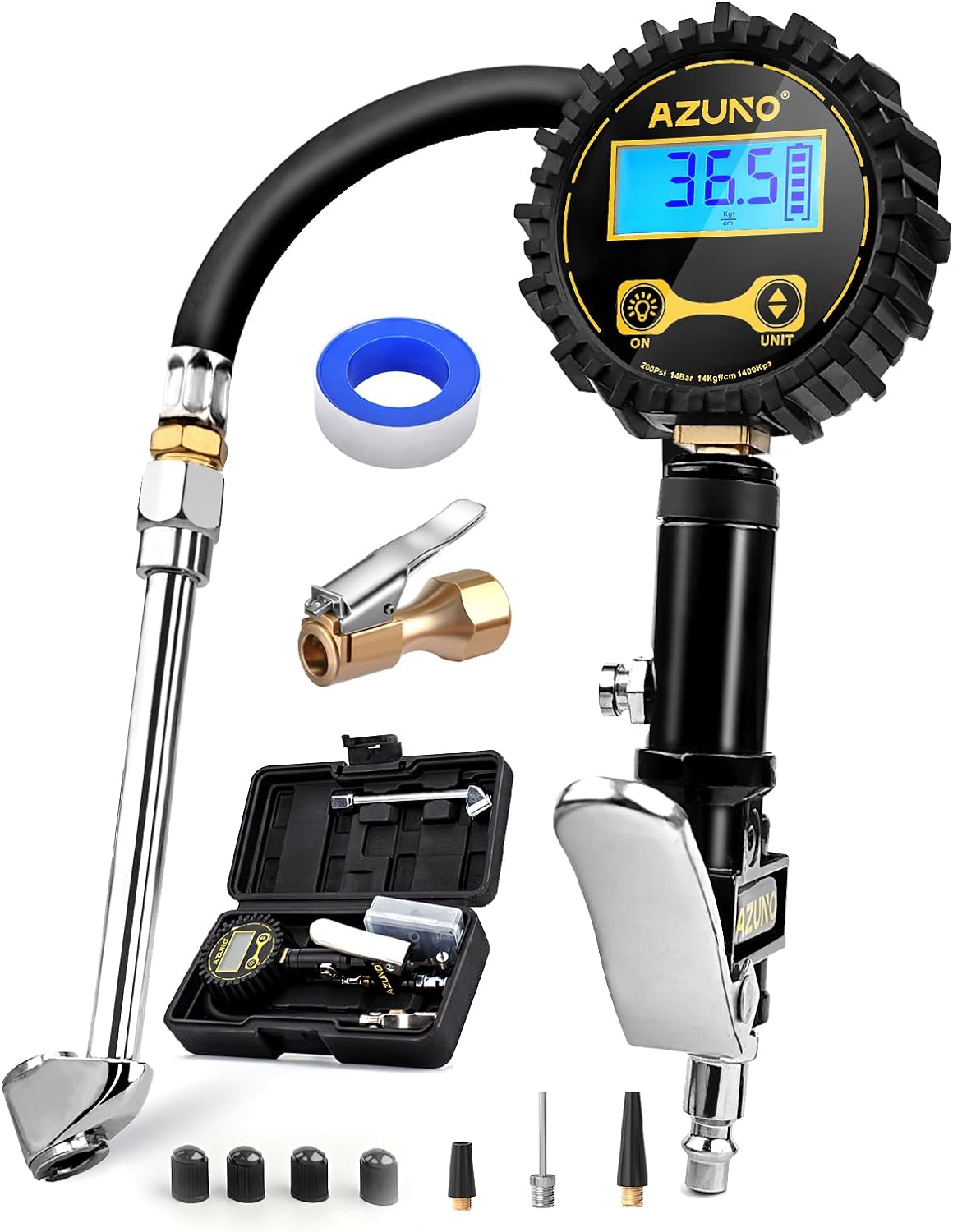
This digital tire inflator delivers accurate, easy-to-read pressure measurements with a bright backlit LCD and precise 0.1 resolution for confident inflation. Designed for single-handed use, it makes it simple to inflate or deflate tires while staying organized in the included portable carrying box. Built for a wide range of vehicles, it is a practical air compressor accessory for cars, trucks, SUVs, motorcycles, and more.
Tuning & Performance Mods: What Helps MPG and What’s Hype
Most factory Tundras are already calibrated to balance emissions, drivability, durability, towing capability, and fuel economy. A tuner, intake, or exhaust may change the driving feel, but that does not mean it will pay for itself in fuel savings.
[Products Worth Considering]

This Toyota replaceable air filter element is designed to help keep your engine intake clean by effectively removing contaminants. Built for reliable fit and routine maintenance, it supports cleaner airflow and helps protect engine performance over time. It is a practical replacement part for drivers looking to maintain proper filtration in compatible Toyota vehicles.

This mech-style metal key fob cover adds a sleek armored look while helping protect your Toyota key from scratches, drops, and everyday wear. Designed for compatible 4-button Toyota smart keys, it preserves full remote functionality with no signal interference and includes glow-in-the-dark buttons for easier nighttime use.

This complete ignition kit includes six direct replacement coil packs and six pre-gapped iridium spark plugs designed for select Toyota and Lexus 3.5L V6 vehicles. It can help address misfires, rough idle, hard starting, hesitation, and check engine light issues caused by worn ignition components while supporting smooth, reliable engine performance. Built for easy installation and backed by testing, warranty coverage, and technical support, it is a convenient tune-up solution.
Real Gains vs. Hype
Be skeptical of any product that promises huge MPG gains without independent testing on your exact truck. The EPA evaluates aftermarket retrofit devices when manufacturers claim fuel-economy or emissions benefits, which is a reminder that fuel-saving claims should be tested, not assumed.
| Mod | Typical MPG Reality | Best Use Case |
|---|---|---|
| Chip tuner | Variable; not guaranteed | Drivability changes, tire-size correction, legal calibrated use |
| Cold-air intake | Usually small or none | Sound, serviceability, throttle feel |
| Cat-back exhaust | Usually small or none | Sound and corrosion replacement |
| Oversized tires | Often hurts MPG | Off-road traction or appearance |
Safe and Legal Tuning Practices
Use only emissions-compliant parts and calibrations for street-driven vehicles. The EPA warns that tuning can increase emissions, interfere with emissions controls, or prevent onboard diagnostics from recognizing problems if it is done improperly.
Warning: Do not remove catalytic converters, disable oxygen sensors, delete emissions equipment, or use a tune that bypasses emissions controls on a street vehicle. It can be illegal, can fail inspection, and can create expensive repair problems.
Cost Versus Return
Before buying any MPG mod, calculate the payback period:
Annual fuel savings = miles driven per year × (1 ÷ current MPG − 1 ÷ improved MPG) × fuel price per gallon
Example: if you drive 12,000 miles per year, improve from 14 MPG to 15 MPG, and fuel is $4 per gallon, you save about 57 gallons per year, or about $229. If a part costs $700 installed, fuel savings alone would take about three years to break even, assuming the gain is real and consistent.
Is It Worth It? Prioritize Mods by Ownership Time
How long you plan to keep your Tundra should guide every fuel-economy decision. If you may sell the truck soon, stick with maintenance, tire pressure, driving habits, and removing unnecessary weight. Those steps cost little and help resale condition.
If you plan to keep the truck for years and drive many highway miles, you can test modest aero or tire changes more seriously. But keep expectations conservative. A part that adds noise or looks good may still be a poor fuel-economy investment.
Best Order To Improve Tundra MPG
- Record your baseline MPG for at least two tanks.
- Set cold tire pressure correctly using the door placard.
- Remove unused weight and drag from the cab, bed, hitch, and roof.
- Drive smoothly for two tanks and compare your average.
- Catch up on scheduled maintenance using your Toyota maintenance guide.
- Fix mechanical problems such as misfires, dragging brakes, alignment issues, or warning lights.
- Evaluate tires and accessories if you run heavy off-road gear.
- Consider mods last only if they are legal, useful for your driving, and measurable.
Frequently Asked Questions
How can I improve the gas mileage on my Toyota Tundra?
Start with tire pressure, smoother driving, reduced idling, less cargo weight, correct oil grade, and scheduled maintenance. Then track MPG over several tanks. Only consider parts like tires, tonneau covers, intakes, or exhausts after the basics are handled.
How do I save gas on a Toyota Tundra?
Drive at moderate speeds, accelerate smoothly, coast early, avoid long idling, remove unnecessary weight, and keep tires properly inflated. On highways, reducing speed and avoiding roof-mounted cargo can make a noticeable difference.
Is there any way to increase Tundra MPG?
Yes, but gains are usually modest unless the truck has a problem or heavy accessories. The best path is to restore efficiency through tire pressure, maintenance, driving habits, reduced drag, lighter load, and fixing faults such as misfires or dragging brakes.
How many MPG does a 5.7 Tundra get?
A 2021 Toyota Tundra with the 5.7L V8 is EPA-rated at 15 MPG combined for 2WD and 14 MPG combined for 4WD. Both are listed at 13 MPG city and 17 MPG highway. Your real MPG depends on tires, load, speed, route, weather, maintenance, and driving style.
Will a cold-air intake improve Tundra MPG?
Do not buy a cold-air intake for MPG alone. It may change sound or throttle feel, but fuel savings are not guaranteed. If you install one, choose an emissions-compliant part and track several tanks before and after.
Should I use the tire sidewall PSI for better MPG?
No. Use the cold tire pressure listed on the driver-door placard or in the owner’s manual. The sidewall number is the tire’s maximum pressure rating, not the vehicle-specific recommended pressure for normal driving.
Conclusion
You can cut fuel costs and coax more miles from your Tundra by focusing on the basics first: correct tire pressure, lighter load, smoother driving, less idling, proper maintenance, and mechanical health. Use the EPA MPG rating as a realistic benchmark, then track your own fuel economy over multiple tanks. Save expensive mods for last, and only choose legal, emissions-compliant parts that make sense for how you actually use the truck.
Sources
- FuelEconomy.gov — 2021 Toyota Tundra MPG ratings — backs up 5.7L 2WD and 4WD EPA fuel economy figures.
- FuelEconomy.gov — Keeping Your Vehicle in Shape — backs up tire pressure, motor oil, check-engine, and air-filter guidance.
- U.S. Department of Energy — Fuel Economy — backs up driving, idling, speed, weight, drag, and maintenance tips.
- Toyota 2021 Tundra Warranty & Maintenance Guide — backs up scheduled maintenance, air-filter, and spark-plug intervals for the 2021 Tundra.
- EPA — Evaluation Program for Aftermarket Retrofit Devices — backs up caution around aftermarket fuel-economy claims.
- EPA — Tampering and Aftermarket Defeat Devices — backs up emissions-compliance warnings for tuning and modifications.