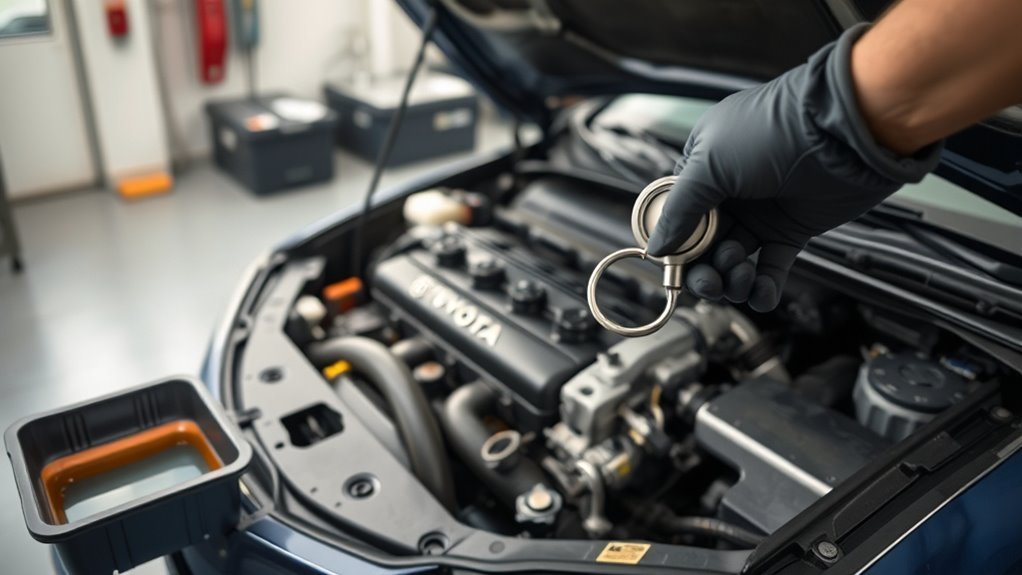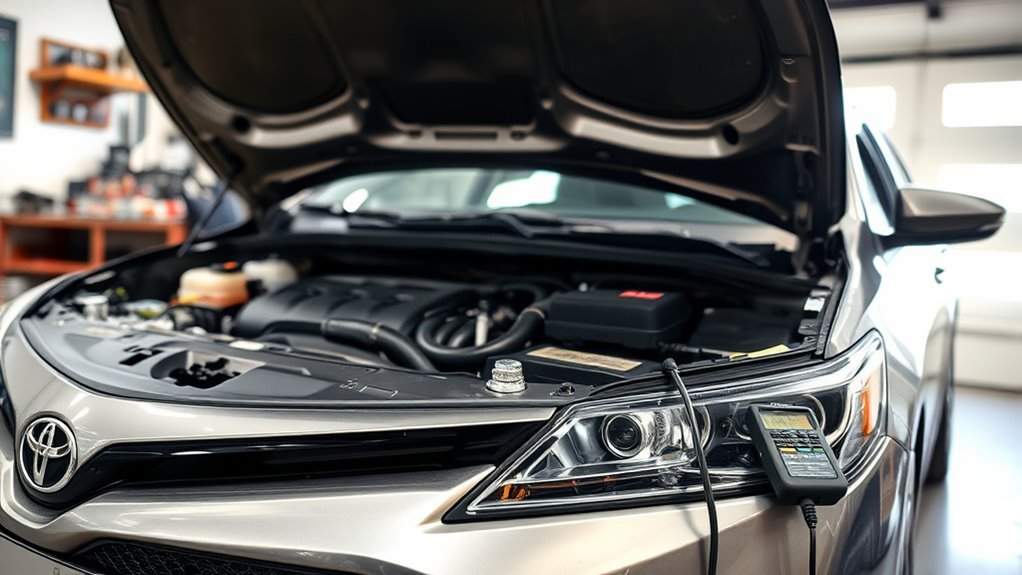
If your Toyota Camry idles rough, shakes at stops, stalls after startup, or surges after a throttle-body cleaning, do not start by replacing random parts. Start with a scan for diagnostic trouble codes, then inspect the air intake path, throttle body, vacuum hoses, PCV system, ignition parts, fuel delivery, and sensors in a logical order. A dirty throttle body can cause rough idle, but so can a vacuum leak, misfire, contaminated MAF sensor, EVAP purge issue, bad PCV valve, or fuel problem.
Quick Answer
A Camry rough idle is usually caused by an air, fuel, spark, or sensor problem. Check codes first, then inspect the intake boot, throttle body deposits, vacuum leaks, PCV hoses, MAF sensor, spark plugs, ignition coils, and fuel delivery. Clean the throttle body only when you see carbon or sticky residue.
Key Takeaways
- Scan for OBD-II codes before cleaning parts so you do not erase clues or chase the wrong cause.
- Throttle body cleaning helps when deposits restrict airflow, but it will not fix a vacuum leak, misfire, bad sensor, or fuel-pressure problem.
- Use throttle-body cleaner carefully on a cool engine, keep it away from the MAF sensor and electrical connectors, and do not force an electronic throttle plate.
- If the check engine light flashes, the car stalls in traffic, or rough idle remains after basic checks, stop driving and get professional diagnosis.
At a Glance
| Time Required | 20–45 minutes for inspection and light cleaning; longer if smoke testing or diagnostics are needed |
| Difficulty | Easy to moderate DIY, depending on access and model year |
| Tools Needed | OBD-II scanner, flashlight, gloves, eye protection, 10mm socket or screwdriver, lint-free cloths, throttle-body cleaner, optional vacuum gauge or smoke machine |
| Cost | About $10–$40 for cleaner and basic supplies; more if buying a scanner, smoke tester, plugs, coils, sensors, or shop diagnosis |
Warning: Throttle-body cleaner is highly flammable. Work on a cool engine in a ventilated area, keep sparks and flames away, wear eye protection and gloves, and never spray cleaner on the MAF sensor, hot exhaust, alternator, open electrical connectors, or painted surfaces.
Diagnose Your Camry’s Rough Idle: Quick Checklist
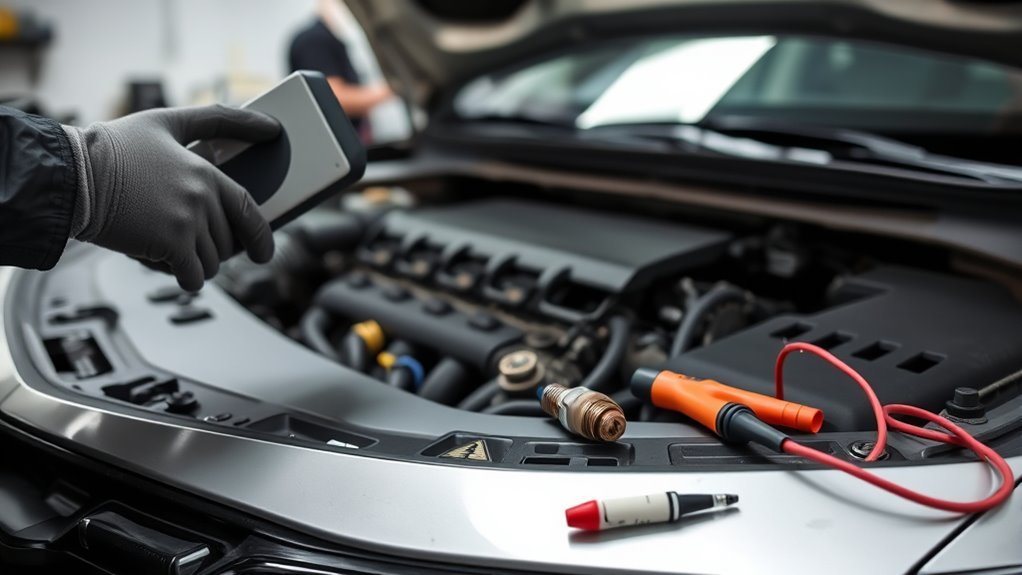
Use this order before you clean or replace anything. It helps you separate a dirty throttle body from a vacuum leak, ignition misfire, fuel issue, PCV problem, or sensor fault.
- Confirm the symptom. Note whether the Camry idles rough only when cold, only when warm, only in Drive, after refueling, after a battery disconnect, or after throttle-body service.
- Scan for codes first. Record stored and pending OBD-II codes, freeze-frame data, and live fuel trims before clearing anything. Codes such as P0300-series misfire codes or lean-mixture codes can point the test plan in the right direction.
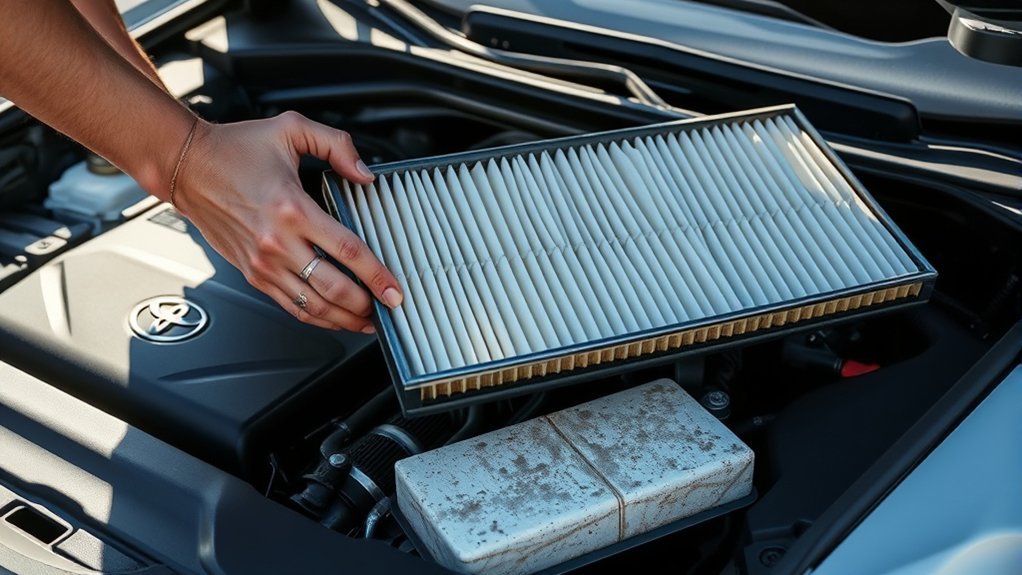
- Inspect the air intake path. Check the air filter box, intake duct, clamps, throttle-body boot, and any small vacuum or breather hoses. A cracked duct after the MAF sensor can let in unmetered air and cause a lean, unstable idle.
- Inspect the throttle body. Look for a dark carbon ring, varnish, oil film, or sticky residue around the throttle plate and bore. Clean it only if deposits are visible.
- Check the PCV system. Inspect the PCV valve, grommet, breather hose, and related crankcase ventilation hoses for cracks, clogging, oil sludge, or loose fittings.
- Look for vacuum leaks. Listen for hissing and inspect PCV hoses, brake booster hose, intake manifold gasket areas, vacuum fittings, and purge-valve hoses. A smoke test is safer and more reliable than spraying flammable chemicals around a running engine.
- Verify spark and fuel. If codes or symptoms suggest a misfire, inspect spark plugs, coils, injector operation, fuel pressure, and fuel trims instead of cleaning the throttle body again.
- Check sensors and valves. A dirty MAF sensor, stuck EVAP purge valve, sticking EGR valve on applicable older engines, or throttle-position/electronic-throttle fault can mimic a dirty throttle body.
Note: Camry procedures vary by year and engine. Older models may use an idle air control valve, while many later models use electronic throttle control. Use the owner’s manual and Toyota service information for your exact year, engine, and market before forcing any throttle plate or unplugging components.
[Products Worth Considering]
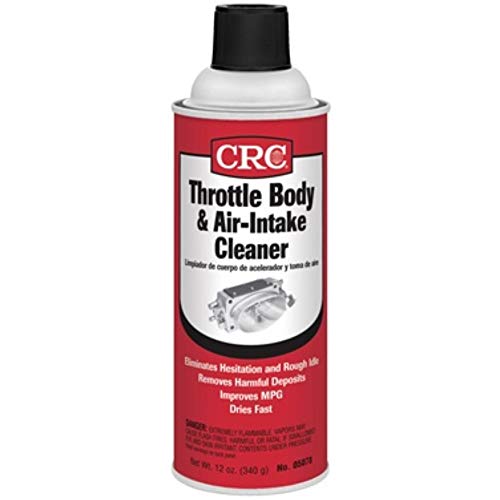
DEEP CLEANING: A top choice for cleaning throttle body build-up caused by harmful deposits of carbon; varnish; and gum.
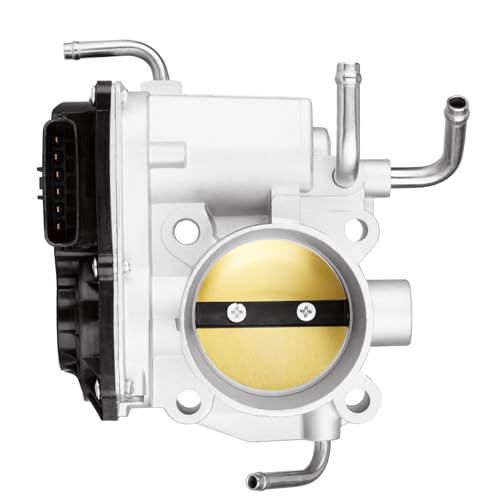
【PRODUCT INFORMATION】: Inner Diameter 55 mm, Outer Diameter 66.6 mm, 6-pin. Replacement for 337-50126, S20097, TBT010, 22030-0H040, 22030-28070, 22030-0H031

Removes power-robbing deposits
Clean a Camry Throttle Body Safely: Step-by-Step
If your inspection shows varnish, soot, or a sticky carbon ring on the throttle lip, a careful cleaning can help restore smoother idle and better low-speed throttle response. The goal is not to make every surface shiny. The goal is to remove the buildup that interferes with the throttle plate’s normal airflow and resting position.
[Products Worth Considering]

Rapid and effective cleaning and degreasing

Increases horsepower and improves air/fuel ratio and MPG with 11 oz. of specially formulated mass air flow sensor cleaner.

Extra strength cleaning power: Specially formulated with solvents that effectively break down carbon, gum, and varnish deposits to restore cleaner and smoother engine operation
Tools and Supplies
- Throttle-body and air-intake cleaner made for gasoline fuel-injection systems
- Lint-free cloths or shop towels
- Soft nylon brush or cotton swabs
- 10mm socket, screwdriver, or nut driver for intake clamps
- Nitrile gloves and safety glasses
- Flashlight
- New throttle-body gasket if you remove the throttle body from the intake manifold
Cleaning Steps
- Park safely and let the engine cool. Set the parking brake and work in a well-ventilated area.
- Scan and record codes first. Do this before disconnecting anything or cleaning parts.
- Remove or loosen the intake duct. Loosen the intake clamp, often with a 10mm socket or screwdriver, and move the air intake duct aside for access.
- Protect nearby parts. Keep cleaner away from the MAF sensor, wiring connectors, alternator, belts, and painted surfaces. Put a rag under the throttle body to catch runoff.
- Inspect before spraying. If the bore is mostly clean, do not keep spraying cleaner just because the engine idles rough. Keep diagnosing.
- Clean lightly. Spray cleaner onto a cloth or lightly into the bore, then wipe the throttle plate edge and bore. Use a soft brush only for stubborn deposits.
- Do not force the plate. On electronic throttle bodies, never pry or force a resistant throttle plate. Follow model-specific service information. If the plate does not move easily, clean only the accessible edge or have a technician service it.
- Let solvent evaporate. Wait several minutes before reassembly so excess cleaner can dry.
- Reassemble carefully. Refit the intake duct, tighten clamps, reconnect anything removed, and make sure there are no loose hoses or tools left in the engine bay.
- Start and verify. Let the engine idle with accessories off. Some idle fluctuation can happen briefly while the computer relearns airflow, but it should improve as the engine warms and solvent residue clears.
Pro Tip: If rough idle started immediately after a battery disconnect, throttle-body cleaning, or intake hose removal, check for a loose intake clamp first. A small air leak after the MAF sensor can create a bigger idle problem than the original carbon buildup.
Post-Cleaning Startup Checklist: Signs, Smoke, and When to Stop
After cleaning the throttle body, the first startup may be slightly rough. A small amount of white vapor or smoke can occur if leftover cleaner burns off, but it should be brief. Do not keep cranking or repeatedly spraying cleaner if the engine does not start or the idle does not stabilize.
Initial Idle Behavior
Start the engine once and let it idle for a few minutes with the air conditioning, lights, and defroster off. Watch the tachometer, listen for misfires, and check that the intake duct is fully seated. If the idle hunts briefly and then smooths out, the engine may simply be relearning airflow. If it keeps surging, stalls, or sets a code, continue diagnostics instead of cleaning again.
Smoke and Starter Limits
Use short start attempts and pause between them. Repeated long cranking can drain the battery and overheat the starter. Stop and inspect for other faults if the engine will not catch after a few controlled attempts, if the check engine light flashes, or if you see persistent smoke.
| After-Cleaning Symptom | Likely Cause | Next Step |
|---|---|---|
| Brief rough idle that improves | Cleaner residue or idle relearn | Let it idle and road-test gently if safe |
| High idle or surging | Loose intake duct, vacuum leak, throttle adaptation issue | Recheck clamps/hoses, scan codes, follow model-year idle relearn if required |
| Persistent misfire or flashing check engine light | Ignition, injector, compression, or severe air/fuel problem | Stop driving and diagnose immediately |
| Blue, black, or heavy white smoke | Oil burning, rich condition, coolant issue, or excess cleaner | Stop and inspect before more starts |
Why Carbon Buildup and Crankcase Ventilation Problems Make a Camry Stall
Carbon buildup can narrow the small airflow path needed at idle. When that happens, the engine computer may struggle to maintain a steady idle, especially during cold starts, stops, or accessory load changes. Oil vapor and blow-by gases can also enter the intake through the positive crankcase ventilation system. A normal PCV system routes crankcase vapors back into the intake to be burned; a clogged, leaking, or stuck PCV valve can upset airflow, increase oil contamination, or contribute to sludge and intake deposits.
| Effect | Source | Result |
|---|---|---|
| Restricted idle airflow | Carbon, varnish, or gum on the throttle plate edge | Rough idle, low idle, or stalling |
| Unmetered air | Vacuum leak, cracked duct, loose hose, PCV leak | Lean mixture, surging, high fuel trims |
| Oil-vapor contamination | Normal PCV flow, worn engine, clogged PCV valve, excessive oil carryover | Faster deposit formation and possible oil consumption clues |
Treat this as an air-metering problem first. The engine needs the right amount of measured air, fuel, spark, and compression at idle. Deposits are one possible cause, not the only cause. If cleaning does not change the symptom, move to fuel trims, vacuum testing, ignition checks, MAF readings, EVAP purge testing, and fuel-pressure testing.
A rough idle is a symptom, not a diagnosis. Scan first, inspect for air leaks, clean only visible deposits, and verify the fix with codes, fuel trims, and a stable warm idle.
[Products Worth Considering]

[Compatible With:] Allante:1987-1992,DeVille:1982-2005,Eldorado:1982-2002,Escalade:1999-2000,Fleetwood:1982-1989,Seville:1982-2004,Marathon:1973,Astro:1996-2005,Bel Air:1973,Blazer:1973-2005,C10 Pickup:1973,C10 Suburban:1973,C1500:1996-1999,C1500 Suburban:1996-1999,C20 Pickup:1973,C20 Suburban:1973,C2500:1996-2000,C2500 Suburban:1996-1999,C30 Pickup:1973,C3500:1996-2000,Camaro:1967-1973,Caprice:1973,Chevelle:1973

Replaces# 26740-2G000,267402G000,29651, PCV490,0450404,6P1359,V509-Compatible with Hyun-dai Elantra, Santa Fe, Sonata, Veloster, Ioniq, K-I-A Forte Soul Sorento models including years 2009-2021, and more.

【Compatible Vehicles】The replacement PCV valve compatible with 2005-2017 Honda Pilot, 2003-2017 Acura MDX, 2005-2017 Honda Odyssey, 2003-2016 Honda Accord and more. See below for detailed models.
Preventive Fixes for Camry: PCV Checks, Driving Habits, and Maintenance
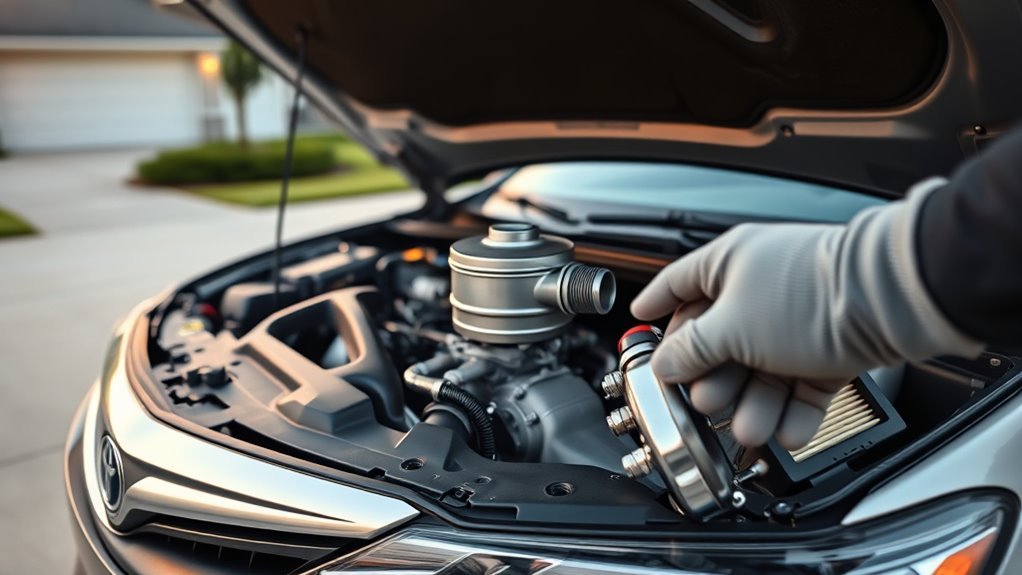
Prevention works best when you treat the intake, PCV system, oil condition, and driving pattern as one system. The goal is to reduce deposits without masking a real engine or emissions problem.
- Follow the maintenance schedule. Use the correct oil, change it on schedule, replace the air filter when needed, and keep maintenance records.
- Inspect PCV parts. Replace a clogged, stuck, cracked, or oil-soaked PCV valve or hose if your model uses serviceable PCV parts.
- Avoid repeated short-trip operation when possible. Engines that rarely warm fully can accumulate moisture and fuel dilution in the oil faster.
- Keep the intake sealed. Make sure the air box, intake duct, clamps, and breather hoses are tight after any service.
- Clean only when needed. Periodic inspection is smart; repeated unnecessary solvent cleaning is not.
- Be cautious with oil catch cans. A catch can can trap some oil mist before it reaches the intake, but it is not a Toyota factory repair for rough idle, high crankcase pressure, worn piston rings, or a failed PCV valve. It may also affect emissions legality, warranty questions, and inspection compliance depending on where you live.
Note: If your Camry has heavy oil consumption, repeated throttle-body fouling, oil in the intake duct, or pressure pushing oil past seals, diagnose the PCV system and engine condition before adding accessories.
When to Get Professional Help: Codes, Vacuum Leaks, Persistent Idle
Get professional diagnosis if the rough idle continues after basic checks, if the engine stalls in traffic, or if you do not have the tools to test fuel trims, smoke-test the intake, or verify ignition and fuel delivery. A shop can use a scan tool, smoke machine, fuel-pressure gauge, compression tester, and oscilloscope to separate air leaks from misfires, sensor faults, and mechanical problems.
Check Engine Codes
When your Camry’s check engine light comes on and rough idle persists, plug in an OBD-II scanner before clearing codes. Record the code numbers, freeze-frame data, and whether the codes are stored, pending, or permanent. Common rough-idle clues include misfire codes, lean codes, MAF-related codes, throttle-position or electronic-throttle codes, and EVAP purge codes.
- Record DTCs and freeze-frame data before replacing parts.
- Compare codes with Toyota service information for your exact model year.
- Check MAF readings, fuel trims, and injector behavior if lean or misfire codes repeat.
- Stop driving if the check engine light flashes, because a severe misfire can damage the catalytic converter.
Inspect for Vacuum Leaks
After you’ve pulled codes and checked basic ignition or fuel delivery faults, inspect the intake system for vacuum leaks that can upset fuel trims and cause a rough idle. Look for fluctuating RPM, hissing noises, a high idle, poor fuel economy, and lean codes. Focus on the intake boot, PCV hoses, brake booster hose, intake manifold gasket area, EVAP purge hoses, and vacuum fittings.
A smoke test is the cleanest way to find small leaks. A vacuum gauge can also help identify unstable vacuum at idle. Avoid spraying carburetor cleaner around a hot running engine unless you are trained and have fire protection nearby; flammable spray methods carry real risk.
What If the Idle Is Still Rough After Cleaning?
If cleaning did not fix the rough idle, do not keep cleaning the same part. Use the symptom pattern to pick the next test.
| Pattern | Possible Cause | Best Next Test |
|---|---|---|
| Rough only when cold | Vacuum leak, dirty throttle body, coolant-temp input issue, weak ignition | Scan cold-start data and inspect intake/PCV hoses |
| Rough only when warm | Fuel-trim issue, ignition coil heat failure, EVAP purge leak, EGR issue on applicable engines | Check live fuel trims and misfire counters at warm idle |
| Rough in Drive but smoother in Park | Misfire under load, engine mount issue, torque-converter or idle-control issue | Scan misfire data and inspect mounts |
| Rough after refueling | EVAP purge valve stuck open or vapor-management issue | Test purge valve operation and check EVAP codes |
| Rough with fuel smell or black smoke | Rich condition, leaking injector, fuel-pressure problem, sensor fault | Check fuel trims, fuel pressure, injector balance, and sensor data |
Frequently Asked Questions
Why is my Toyota Camry shaking while idling?
A Camry may shake at idle because one cylinder is not contributing evenly, the air-fuel mixture is off, or the engine is physically vibrating more than normal. Common causes include worn spark plugs, weak ignition coils, vacuum leaks, dirty throttle body deposits, contaminated MAF sensor readings, injector problems, PCV leaks, or worn engine mounts.
Can a dirty throttle body make a Camry stall?
Yes, a dirty throttle body can contribute to stalling if carbon or varnish restricts the small amount of air the engine needs at idle. However, stalling can also come from a vacuum leak, weak battery, dirty MAF sensor, stuck EVAP purge valve, misfire, fuel-pressure issue, or electronic throttle problem.
Should I clean the MAF sensor when I clean the throttle body?
Only clean the MAF sensor if it is contaminated or the scan data points that way. Use MAF-specific cleaner, not throttle-body cleaner, brake cleaner, or carb cleaner. Let it dry fully before reconnecting. A damaged or contaminated MAF sensor can cause lean codes, hesitation, and rough idle.
Why is my Camry idle high or unstable after throttle-body cleaning?
A high or unstable idle after cleaning is often caused by a loose intake duct, vacuum leak, unplugged connector, disturbed gasket, excess cleaner, or idle adaptation that has not settled yet. Recheck every hose and clamp first, scan for codes, and follow the correct idle relearn procedure for your model year if required.
Is an oil catch can worth it on a Toyota Camry?
An oil catch can may reduce some oil mist entering the intake, but it is not the first fix for rough idle. Diagnose the PCV valve, hoses, oil consumption, vacuum leaks, and engine condition first. Also check local emissions rules and warranty implications before installing one.
When should I stop driving a Camry with rough idle?
Stop driving if the check engine light flashes, the car stalls in traffic, you smell raw fuel, the engine overheats, the oil-pressure light comes on, or the idle is so unstable that the car may lurch or die. These symptoms can become safety or catalytic-converter damage risks.
Conclusion
A rough-idling Camry needs a diagnosis, not guesswork. Scan for codes, inspect the air intake and vacuum hoses, check the PCV system, clean the throttle body only when deposits are visible, and verify ignition, fuel delivery, MAF data, and EVAP operation if the problem remains. Light cleaning can help when carbon buildup is the cause, but persistent rough idle, stalling, flashing check engine lights, or repeated smoke means it is time for deeper testing or professional help.
Sources
- Toyota Owners Manuals and Warranties — supports using Toyota owner resources and model-specific manual information.
- Toyota Technical Information System (TIS) — supports checking Toyota service information, repair manuals, service bulletins, wiring diagrams, and diagnostics for exact model-year procedures.
- eCFR 40 CFR §86.1806-17 Onboard Diagnostics — supports OBD/MIL systems storing diagnostic trouble codes and alerting drivers.
- CRC Throttle Body & Air-Intake Cleaner — supports cleaner use for carbon, varnish, and gum buildup, plus flammability and application cautions.
- U.S. EPA Positive Crankcase Ventilation Training Material — supports the explanation of PCV routing blow-by gases from the crankcase into the intake/manifold to be burned.