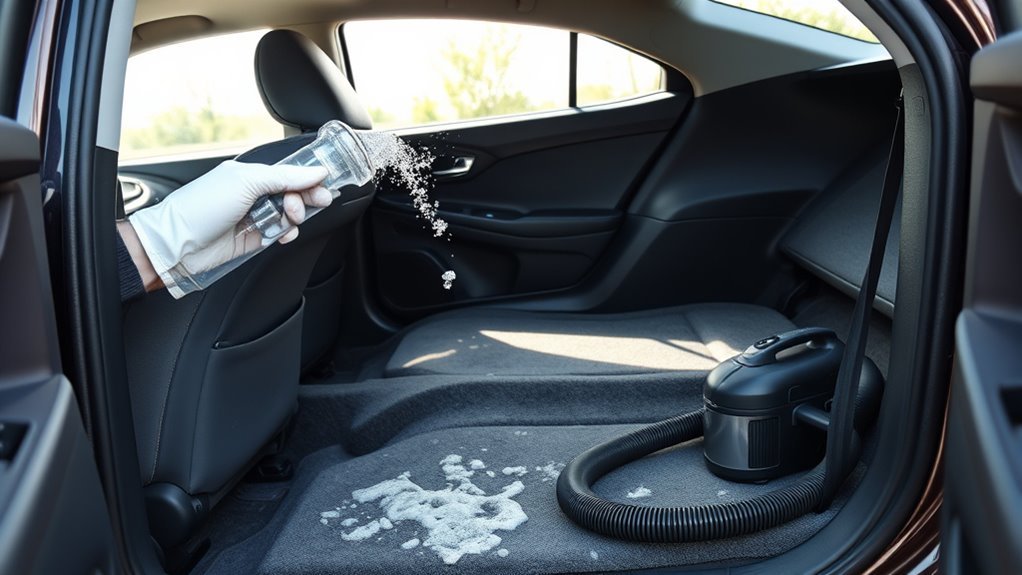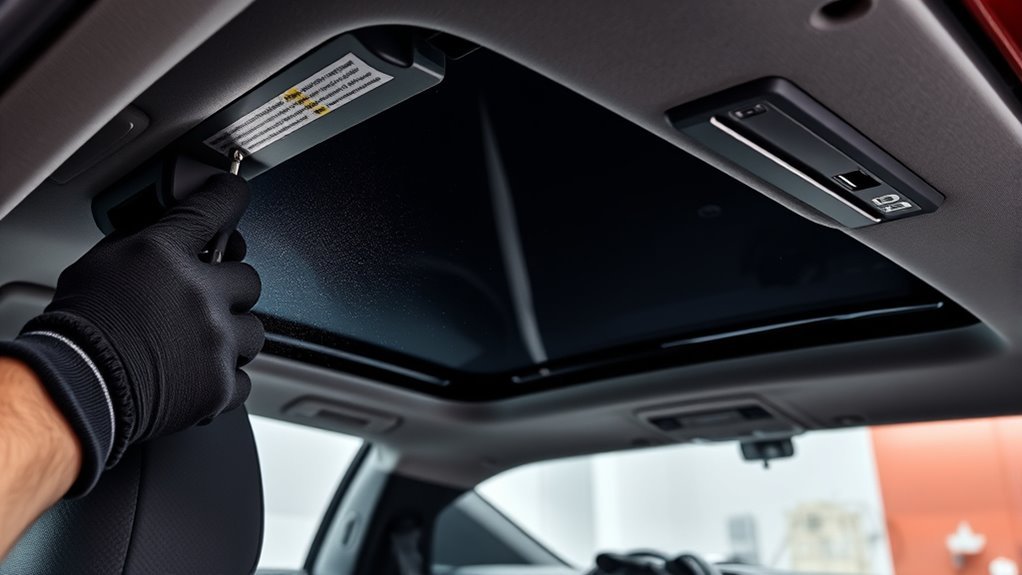
How to Fix a Toyota Camry Sunroof Leak
What’s in This Article
- Symptoms and Likely Causes of a Toyota Camry Sunroof Leak
- Before You Begin: Tools and Safety
- Confirm a Toyota Camry Sunroof Leak (Quick Water Test)
- Locate and Inspect Seals, Tracks, and Drain Holes
- Clear Sunroof Drains and Run a Water Test
- Seal, Lubricate, and Adjust to Stop Leaks (DIY Steps + Test)
- When to Replace Weatherstrip or Realign Sunroof (Signs and Cost Factors)
- Preventative Maintenance and When to Get Professional Help
- Frequently Asked Questions
- Conclusion
A wet headliner or damp carpet can turn a small Toyota Camry sunroof leak into a bigger repair fast. Start with a calm test, then check the drains, seals, tracks, and glass alignment before you replace parts. This guide shows you the safest order to test, clean, repair, and prevent future leaks.
Quick Answer
A Toyota Camry sunroof usually leaks because debris clogs the drain tubes, the weatherstrip dries or cracks, or the glass no longer sits flush. Confirm the leak with a controlled water test, clean the drains gently, condition the seals, and retest. If water still enters the cabin, ask a qualified technician to check for a disconnected drain hose, damaged seal, or alignment problem.
Key Takeaways
- Test the sunroof with a light water stream before you remove trim or replace seals.
- Clean the tracks and drain openings first because debris often causes water backup.
- Use a soft brush, plastic line, or approved drain snake instead of stiff wire.
- Replace cracked weatherstrip and adjust glass only after drain flow checks out.
- Get professional help when water reaches wiring, airbags, the headliner, or carpet padding.
Symptoms and Likely Causes of a Toyota Camry Sunroof Leak
A Camry sunroof leak can show up in more than one place. Use the wet spot location to narrow the cause before you start repairs.
| Symptom | Likely Cause | First Check |
|---|---|---|
| Water drips from the headliner | Drain water backs up or the glass sits unevenly | Run a controlled water test around the sunroof tray |
| Front floor carpet feels wet | Front drain tube clogs or disconnects near the pillar | Check drain flow at the front corners |
| Rear floor or trunk area gets damp | Rear drain path backs up or separates | Test the rear drain area without flooding the tray |
| Wind noise or rattling starts near the roof | Weatherstrip hardens or the glass falls out of alignment | Inspect seal contact and panel height |
Before You Begin: Tools and Safety
Gather simple tools before you test the sunroof. You’ll work faster and avoid pushing debris deeper into the drain tubes.
- Microfiber towels and mild soapy water
- A soft brush, small vacuum nozzle, or plastic trim tool
- Flexible plastic trimmer line or an approved sunroof drain snake
- Clean water in a cup or spray bottle
- Rubber-safe silicone conditioner for the weatherstrip
- A flashlight and painter’s tape to mark damp spots
Warning: Do not force stiff wire or high-pressure air into a drain tube because it can disconnect or damage the hose.
Check the owner manual for your exact Camry year before you remove trim. Toyota’s owner manual page lets you select your vehicle and review manuals and warranty details for that model.
Confirm a Toyota Camry Sunroof Leak (Quick Water Test)

Confirm the sunroof leak before you clean or replace anything. Ask a helper to spray water lightly over the closed sunroof while you sit inside with a flashlight. Use a gentle stream, not a pressure washer, so the test copies normal rain instead of forcing water past good seals.
Watch the headliner, roof opening, seats, and carpet for water entry. Mark each damp spot with painter’s tape and note how long the leak takes to appear. That timing helps you tell a fast seal leak from slower drain backup.
Pro tip: Test one corner at a time so you can match each wet spot to a drain or seal area.
If you detect water, don’t stop at the confirmation test. Move to the seals, tracks, and drainage system so you can find the source instead of guessing.
Locate and Inspect Seals, Tracks, and Drain Holes
Start with a full visual and touch inspection of the sunroof seals, tracks, and drain holes. Look for cracks, tears, hard spots, loose corners, and compressed weatherstripping. Clean leaves, grit, and pollen from the tracks because debris can stop the glass from closing evenly.
Press along the weatherstrip and feel for gaps or flat sections. A good seal should feel flexible and even, not brittle or loose. Cycle the sunroof once after you clean the track, then check whether the glass closes flush with the roof.
Most sunroof systems route water through drain tubes at the tray corners. Locate the upper drain openings with a flashlight and inspect them before you probe. If you find a blocked opening, mark it and clean it gently in the next step.
Clear Sunroof Drains and Run a Water Test
After you inspect the seals and tracks, clear each corner drain with a careful method. Remove loose debris with a soft brush or vacuum first. Then guide flexible plastic line or an approved drain snake into the opening and move it slowly to loosen the blockage.
Do not jab, twist hard, or push through strong resistance. A kinked, pinched, or disconnected hose needs inspection, not extra force. A manufacturer service bulletin for sunroof water entry notes that technicians check drain hoses, outlet valves, roof opening seals, and glass adjustment when water reaches the cabin.
Next, run a controlled water flow test. Pour a small amount of clean water into the sunroof tray near one corner and watch for steady discharge from the drain exit. Repeat the test at each corner and stop if water backs up into the tray.
Clean again only when the drain starts to improve. If the same corner still backs up, a technician may need to inspect the hose behind trim or under the headliner.
Seal, Lubricate, and Adjust to Stop Leaks (DIY Steps + Test)
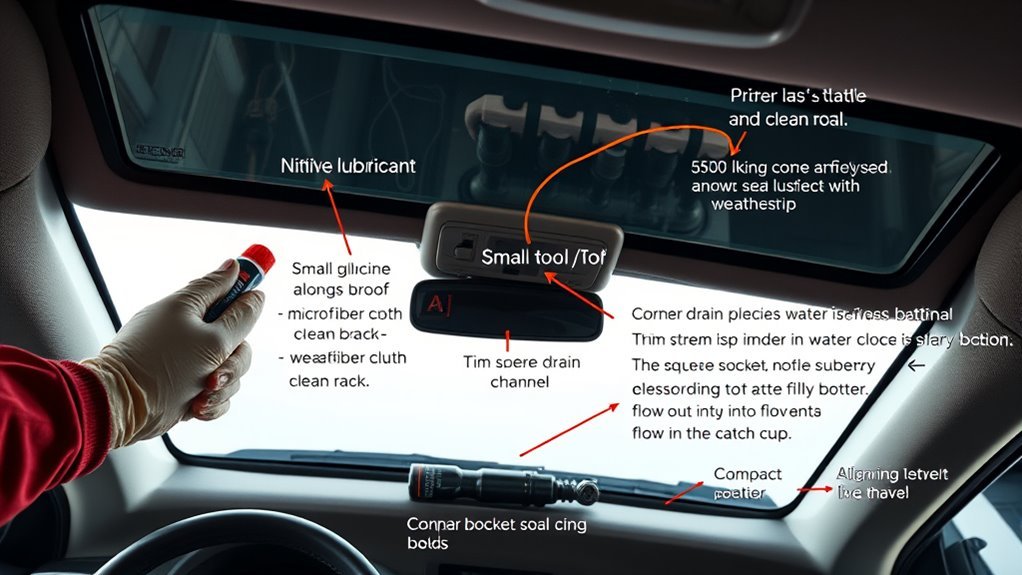
Once the drains flow well, check the rubber seals and glass fit. Use these steps in order so you don’t replace parts before you rule out simple causes.
- Clean the seal channel. Wash the weatherstrip with mild soapy water, rinse it, and dry it with a microfiber towel.
- Condition the rubber. Apply a rubber-safe silicone conditioner lightly, then wipe away excess product so it does not collect grit.
- Inspect for seal damage. Replace any section with cracks, tears, shrinking, or hard spots that no longer compress against the glass.
- Check glass alignment. Compare the panel height at the front, rear, and sides. The glass should sit flush without binding.
- Adjust only if you know the procedure. Small mounting screw changes can affect fit, wind noise, and water flow. Use the correct service information for your Camry year.
- Retest with water. Pour water slowly around the closed sunroof and confirm the drains move water away from the cabin.
Note: Do not seal a working sunroof shut with household caulk because it can trap water and make later repairs harder.
Keep this routine simple. Clean, condition, inspect, and test before you move to weatherstrip replacement or professional alignment.
When to Replace Weatherstrip or Realign Sunroof (Signs and Cost Factors)
If leaks continue after the drains flow freely, evaluate the weatherstrip and alignment. Replace the weatherstrip when it shows visible cracks, hardening, shrinkage, torn edges, or uneven compression. Realignment may help when the glass does not sit flush, rattles, binds, or leaves a visible gap.
Simple drain cleaning can cost little when you already have the right supplies. Some basic sunroof leak repairs cost under 100 dollars, but professional work can cost more when the shop needs to remove trim, replace seals, remount the glass, repair a regulator, or diagnose a motor issue. Ask for a written diagnosis before you approve a seal, track, motor, or frame repair.
Don’t judge the repair by price alone. A careful technician should confirm drain flow, seal condition, glass position, and water-test results before replacing major parts.
maintenance-and-when-to-get-professional-help”>Preventative Maintenance and When to Get Professional Help
After you fix the leak, set a regular maintenance rhythm. Check and clear drains twice a year, clean the tracks, condition the weatherstrips, and run a light water test after heavy debris collects on the roof. Keep a simple log with the date, symptoms, test results, and repairs.
Get professional help when a controlled water test still shows water inside the cabin. You should also stop DIY work when water reaches electrical connectors, airbags, headliner backing, carpet padding, or the trunk. Hidden moisture can create odor, mold risk, corrosion, and electrical faults.
Keep receipts and notes if your Camry still has warranty coverage or a recent repair warranty. Toyota’s manuals and warranty pages can help you find model-specific information, but a dealer or qualified technician should handle trim removal and airbag-adjacent work.
Frequently Asked Questions
How often do Toyota Camry sunroofs leak?
They should not leak during normal use, but leaks can happen when drains clog, seals dry out, or the glass loses alignment. Test and clean the drains about twice a year, especially if you park under trees.
How do you permanently fix a leaking sunroof?
Fix the root cause instead of sealing the sunroof shut. Clear the drains, replace damaged weatherstrip, correct glass alignment, and retest with water after each repair.
Why would my sunroof cause water to leak into my car?
Your sunroof can leak when water cannot leave the drain tray. A clogged drain tube, disconnected hose, damaged seal, or misaligned glass can send water into the headliner, seats, or carpet.
How much does it cost to reseal a sunroof?
Cost depends on the exact cause and your local labor rate. A simple drain cleaning may cost far less than seal replacement, trim removal, glass remounting, motor work, or frame repair.
Can you drive a Camry with a sunroof leak?
You can drive short trips if the sunroof closes securely and water does not affect visibility or electrical parts. Fix the leak soon because trapped moisture can damage carpet, headliner material, wiring, and interior trim.
Conclusion
Start with the easiest and most likely causes: debris in the tracks, clogged drains, dry weatherstrip, and glass alignment. Use a controlled water test after each step so you know what changed. Call a qualified technician when water keeps entering the cabin or the repair requires trim, headliner, or airbag-area work. A dry cabin protects your Camry’s comfort, electronics, and resale value.
References
- How to Fix a Leaky Sunroof — AutoZone, accessed 2026.
- Sunroof Repair Service — NAPA Auto Care, accessed 2026.
- Manuals and Warranties — Toyota Owners, accessed 2026.
- Water Entry Into Cabin From the Sunroof Area Technical Service Bulletin — NHTSA-hosted Audi of America service bulletin, 2023.