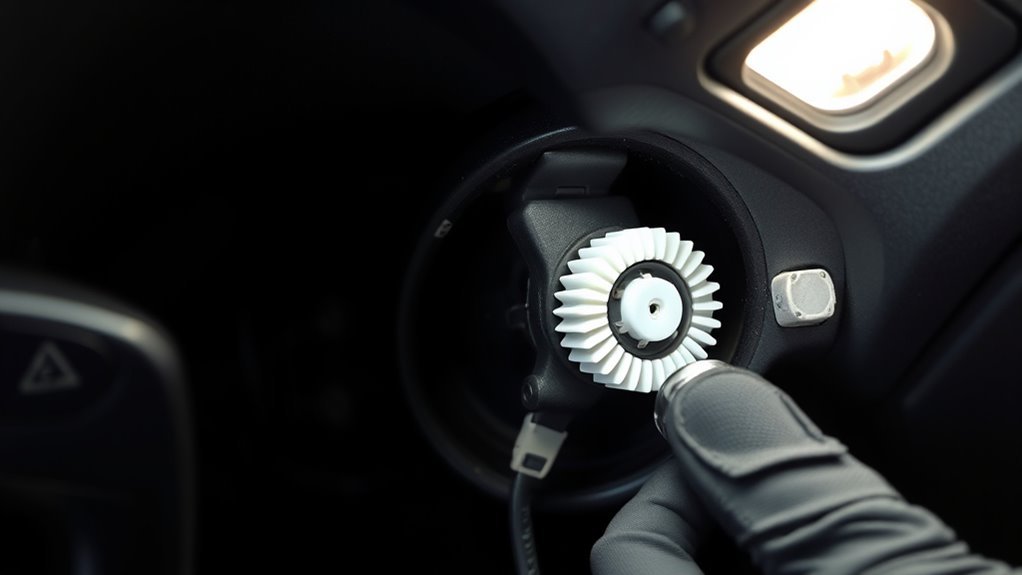
You can expect a Toyota Camry HVAC blend door actuator to last roughly 5–10 years under normal use, though heavy cycling, extreme temperatures, dust, or electrical faults often shorten that life. Watch for uneven airflow, delayed temperature response, clicking gears, or inconsistent HVAC behavior to spot trouble early. DIY replacement saves labor but needs extensive dashboard removal and accurate diagnosis. Keep filters, connections, and refrigerant in good shape to extend life — continue for tips on tests, costs, and fixes.
Camry Blend Door Actuator Lifespan (5–10 Years) : What That Really Means
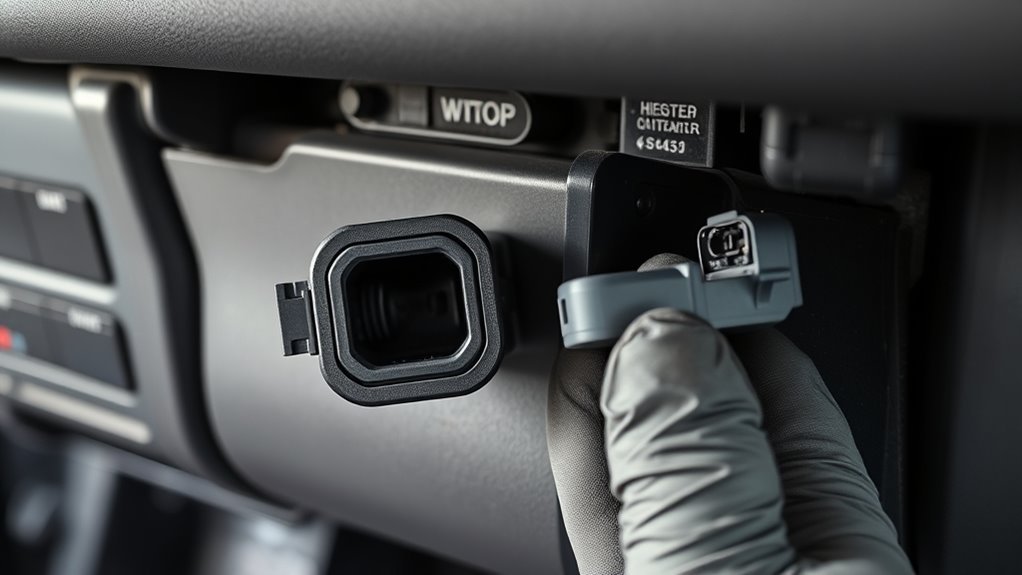
Although a Camry’s blend door actuator commonly lasts about 5–10 years, that range isn’t a guarantee; heavy HVAC use, extreme temperatures, and humidity will wear the gears and motor faster, while good maintenance and prompt diagnosis can push it toward the upper end. You should treat the 5–10 year range as a guideline tied to measurable inputs: cycle count, temperature swings, and moisture exposure. Monitor for early symptoms—uneven airflow, delayed temperature response, or audible gear chatter—and act before total failure. Your driving habits influence actuator load; frequent short trips with repeated HVAC cycling shorten service life, while steady cruising reduces stress. When diagnosis confirms degradation, weigh actuator replacement options: OEM for fit and longevity, aftermarket for cost savings, or rebuilt units if available. You’ll regain control and avoid entrapment by planning repairs on your terms, sourcing parts proactively, and scheduling service at the first sign of compromise.
Top Environmental and Usage Causes of Premature Failure
When your Camry’s blend door actuator fails early, environmental exposure and usage patterns are usually the culprits. You’ll find several clear contributors: repeated temperature fluctuations from extreme weather fatigue plastics, adhesives, and gears, accelerating mechanical wear. Continuous dust exposure in the cabin lets particles infiltrate gear meshes and bearings, increasing friction and jamming the actuator. Heavy HVAC duty—long trips, frequent idle, or constant mode changes in stop-and-go traffic—multiplies cycles and shortens expected life by stressing motor brushes and gears. Improper installation or misalignment from prior repairs adds mechanical preload, causing uneven wear and premature tooth stripping. Electrical faults—voltage spikes, shorts, or poor grounding—can burn motor windings or damage control boards, producing sudden failures. You can’t control every factor, but understanding these failure modes lets you prioritize preventative actions that free you from repeat breakdowns: protect against dust, stabilize cabin temperature where possible, guarantee correct installation, and maintain the vehicle’s electrical system.
Symptoms and Quick Tests for Camry Blend Door Actuators
If your Camry’s climate control won’t deliver the temperature or vents you select, the blend door actuator is a likely culprit and you can run a few quick checks to confirm it. You’ll notice symptoms like cold air when heat’s selected, air only from some vents, or the system defaulting to defrost. Clicking from behind the dash signals actuator noise issues and probable gear stripping or motor failure. Use focused airflow diagnostics and coolant checks to isolate the fault.
- Listen for rhythmic clicking while changing temperature or mode; repeated clicks point to actuator motor failure or misalignment.
- Perform airflow diagnostics: set each vent/mode and verify airflow and temperature change at each outlet; inconsistent response isolates the blend or mode actuator.
- Confirm heater core flow by warming engine and checking hot coolant to the core; if coolant’s fine but temps don’t change, actuator or its linkage is suspect.
These tests free you to decide next steps with evidence.
Repair vs Replace: Costs, Labor Time, and DIY Risks
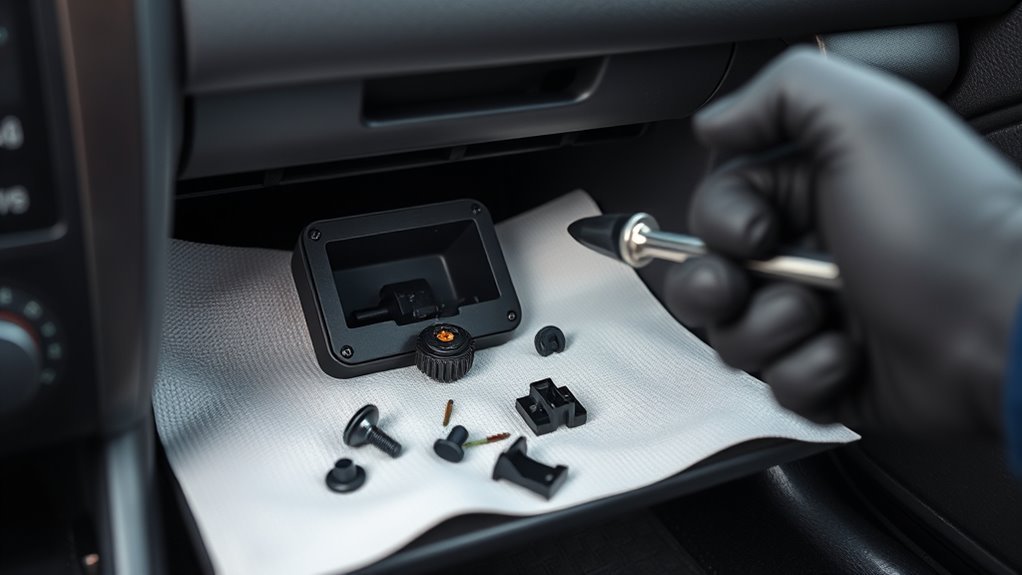
Now that you can pinpoint actuator-related symptoms, you need to weigh repairing versus replacing the blend door actuator based on cost, labor, and risk. Do a cost analysis: parts typically run about $216, but shop replacement totals range $774–$1,035 because labor estimates sit between $558 and $819. If you’re budget-conscious, DIY can save those labor dollars, but dashboard removal is complex and time-consuming.
Expect several hours of work; actual time depends on model year and component accessibility. You’ll need correct diagnosis first—replacing the actuator won’t fix heating failures caused by other faulty components. Misdiagnosis or improper reassembly can multiply costs and reduce vehicle autonomy.
Choose replacement when diagnosis confirms actuator failure and you value reliability. Consider repair or DIY only if you have technical skill, proper tools, and willingness to accept risk. Prioritize informed decisions that reclaim control over costs and maintain system function.
Maintenance Tips to Extend Actuator Life and Avoid Dashboard Removal
Start a simple maintenance routine to keep the blend door actuator working and avoid dashboard removal for repairs. You’ll extend actuator life by reducing mechanical strain and avoiding invasive teardown. Prioritize filter maintenance: replace cabin air filters per schedule to keep airflow consistent and prevent undue actuator effort. Check refrigerant levels and inspect for HVAC leaks—low charge increases actuator load. Verify electrical connections and clean corrosion to prevent intermittent failures that lead to deep disassembly. Limit extreme temperature cycling to reduce gear wear. Perform periodic system resets following the reset procedure to recalibrate actuator positions and prevent misalignment.
Maintain your blend door actuator: regular filter, refrigerant, and electrical checks plus periodic resets prevent strain and dashboard teardown.
- Replace cabin air filters every 12,000–15,000 miles; inspect airflow and seals.
- Test for leaks, confirm correct refrigerant charge, and secure wiring/connectors.
- Run prescribed system resets after service or power loss; avoid max/min temperature cycling.
These steps give you control, reduce replacement risk, and keep dashboard removal unnecessary.
Frequently Asked Questions
How Much Does It Cost to Replace a Blend Door Actuator on a 2011 Toyota Camry?
You’ll pay about $774–$1,035 to replace the blend door actuator on a 2011 Camry; watch for actuator symptoms like no heat or wrong vent airflow, get diagnostics first to avoid unnecessary labor and dashboard removal.
How Often Do Actuators Need to Be Replaced?
Ever wondered when to swap them? You’ll typically replace actuators every 5–10 years, sooner if actuator symptoms appear; follow maintenance tips like periodic inspections, gentle HVAC use, and prompt repairs to keep freedom from failures.
Conclusion
Think of your Camry’s blend door actuator like the canary in a coal mine — it signals trouble early if you listen. With proper care and mindful use, you’ll often hit the 5–10 year expectancy; neglect, heat, moisture, or rough DIY can cut that short. Diagnose quickly with the simple tests, weigh repair versus replacement costs realistically, and follow the maintenance steps to avoid needless dashboard removal and extend actuator life.