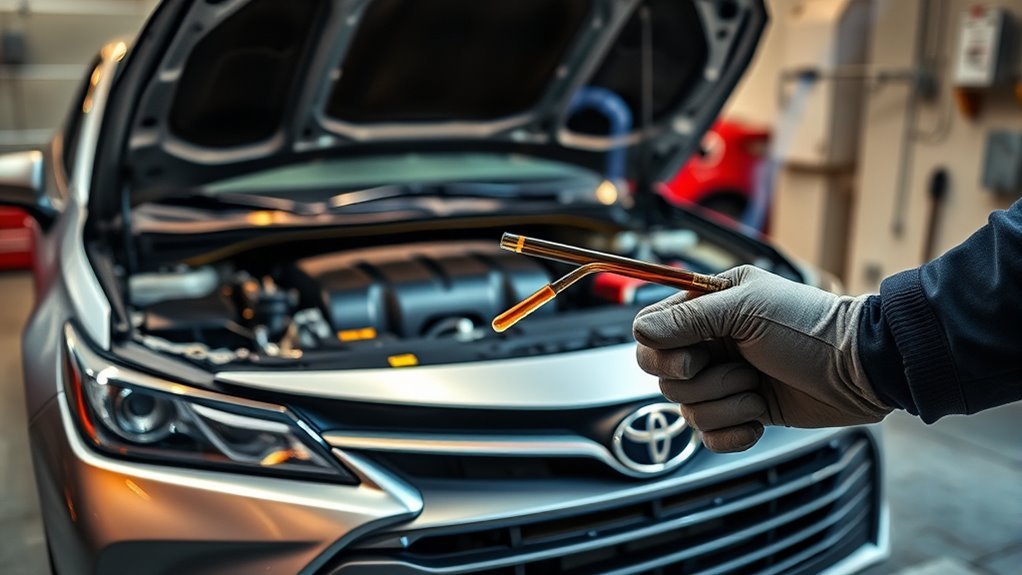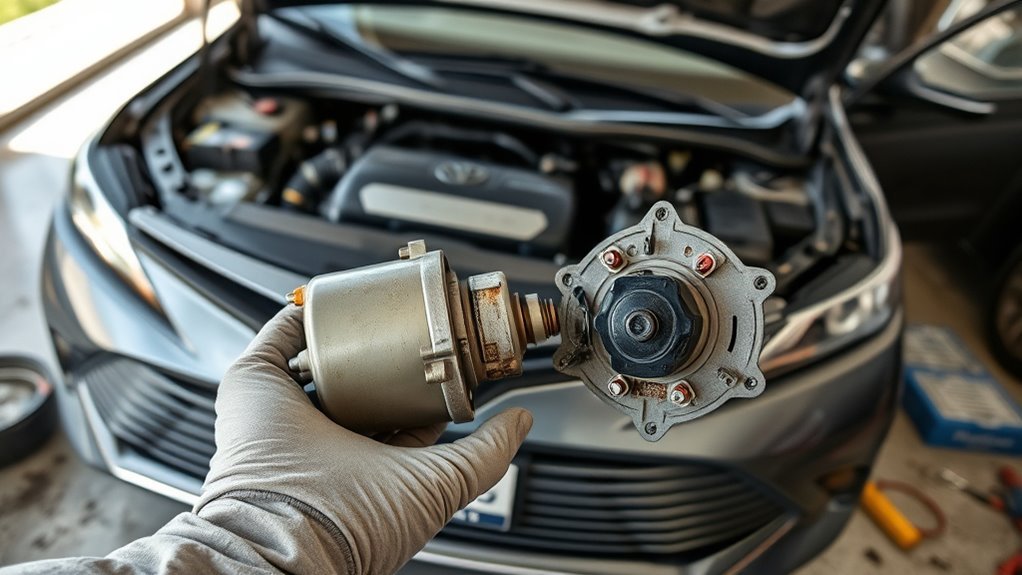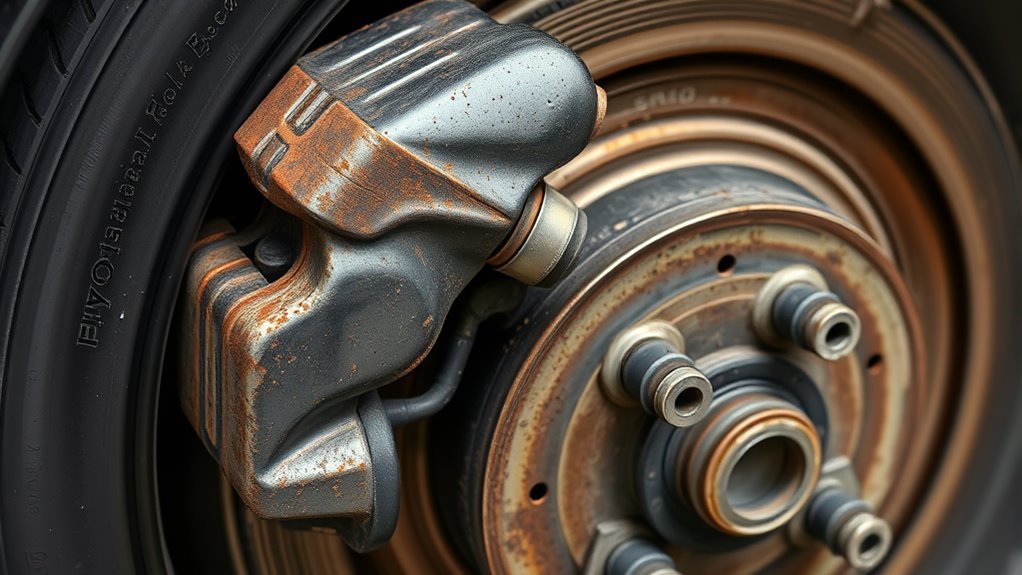
You can expect Camry brake calipers to last about 75,000–100,000 miles under normal use, but frequent hard stops, stop‑and‑go traffic, corrosion from road salt, or overheating will shorten that life. Watch for pulling to one side, fluid leaks, noisy or clunking brakes, hot wheels after driving, or uneven pad wear—these all suggest a failing caliper or seized guide pins. If you spot symptoms, address them promptly; continue for step‑by‑step inspection, replacement, and verification guidance.
How Long Do Toyota Camry Brake Calipers Last? (Typical Mileage and What Shortens Life)
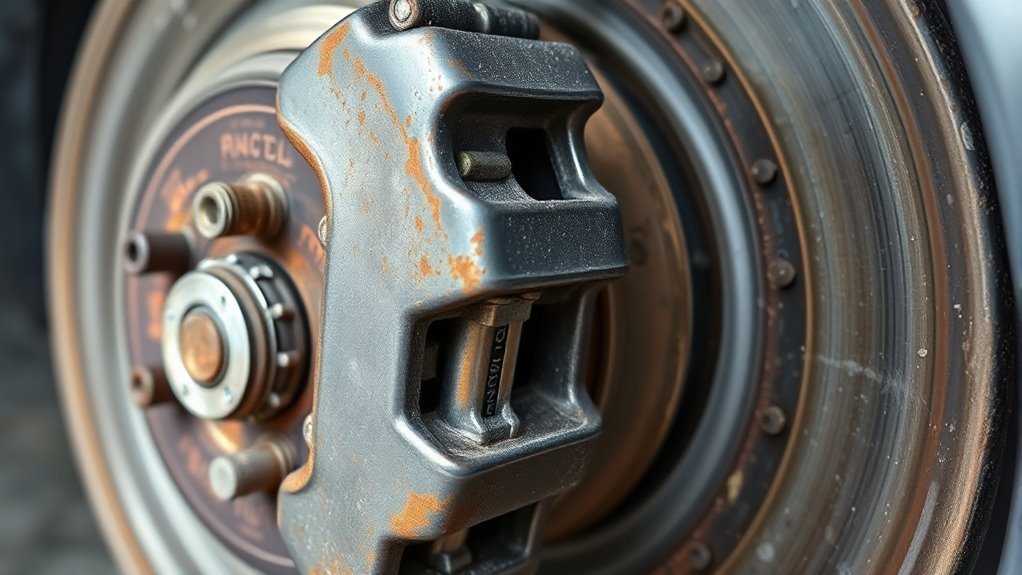
While exact life varies with use, Toyota Camry brake calipers typically last about 75,000–100,000 miles under normal driving. You’ll see mileage shift when driving habits impact wear: frequent hard braking and repeated stop-and-go traffic accelerate pad wear and heat the caliper, shortening service life. Road salt and moisture increase corrosion risk on guide pins and pistons, so you should prioritize caliper maintenance tips like regular inspections, lubrication of slide pins, and prompt pad changes to prevent uneven wear.
You can extend caliper life by moderating aggressive braking, using engine braking when appropriate, and rinsing undercarriage salt after winter driving. Overheating from sustained heavy braking can warp components, so avoid riding brakes downhill and pack extra cooling breaks during towing. Inspect calipers during routine service intervals and replace corroded or seized components proactively to keep braking reliable and free you from avoidable failure.
Top Signs a Camry Brake Caliper Is Failing (Pulling, Leaks, Noises, Uneven Wear)
If your Camry starts pulling to one side, making squeals or clunks, or showing uneven pad wear, those are clear signs a caliper is failing and need prompt attention. You’ll want to act to reclaim control and avoid escalating damage. Watch for leaks—wetness or low brake fluid level near a caliper signals seal or line failure. Feel for drag: if a wheel stays hot or braking feels resistant after release, a piston may be stuck. Listen for rhythmic squeal or metallic clunking under braking; that points to uneven pad contact or loose hardware. Inspect pads for tapered or one-sided wear—guide pin corrosion or seized sliders often cause it.
- Pulling or uneven braking force when you apply brakes.
- Visible fluid leakage, wet caliper boots, or low fluid—brake fluid significance is crucial.
- Squeals/clunks, hot wheel, or uneven pad wear—use caliper maintenance tips and replace worn parts.
Quick Urgency Check: Is It Safe to Drive With a Bad Caliper?
Wondering whether you can safely drive with a bad caliper? If you see pulling, hear squeals or clunks, feel a soft pedal, or spot fluid leaks, don’t drive. Those symptoms show compromised braking performance and a heightened accident risk. A stuck caliper generates excessive heat, accelerates pad and rotor wear, and can produce uneven braking that forces the car off course.
If symptoms are mild—slight noise with normal pedal feel—you might limp to a shop, but only at low speed and with extra distance for stopping. Any sign of fluid loss, a pedal that sinks, or pronounced pull means immediate stop and tow. Driving longer risks total brake failure.
Treat this as a caliper maintenance emergency: isolate the vehicle, avoid heavy braking, and get professional repair. Quick action preserves your freedom to drive safely; delayed repairs threaten that freedom and your life.
How to Inspect Camry Calipers and Guide Pins : Step‑by‑Step
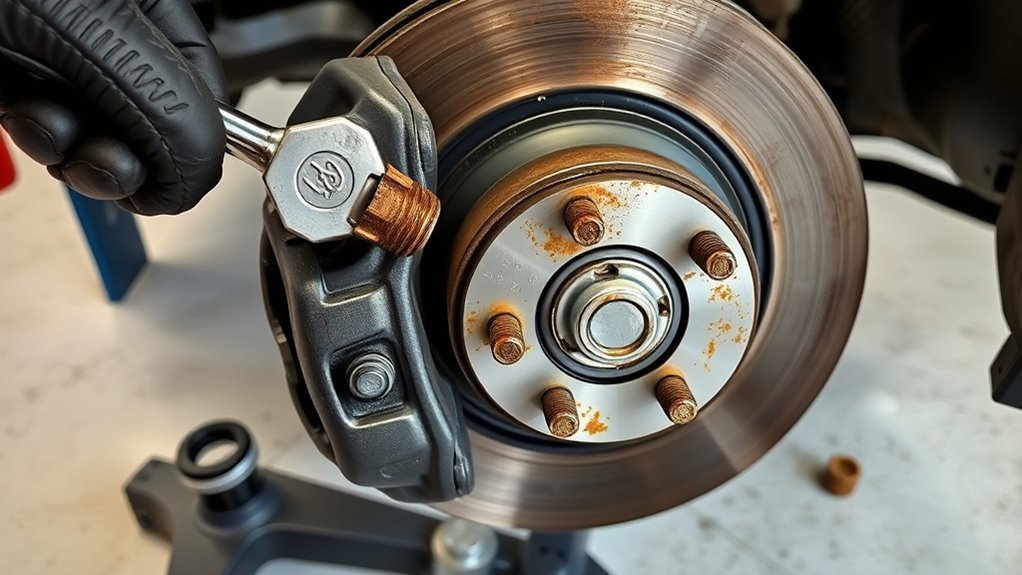
Start by safely lifting the Camry and removing the wheel on the corner you’re inspecting so you have clear access to the caliper and guide pins. You’ll perform a targeted visual and tactile check: inspect pad wear for unevenness (sign of a sticking caliper or seized pins), look for fluid around the piston and torn seals, and scan the caliper body for cracks or heat damage. Free movement of the guide pins is essential; retract the caliper slightly and slide the pins to confirm smooth travel. If pins bind or corrode, they need cleaning and proper guide pin lubrication per caliper maintenance tips.
Lift the Camry, remove the wheel, and inspect pads, seals, caliper body and guide pins for smooth movement.
- Check pads, seals, and caliper body for wear, leakage, cracks, or heat marks.
- Retract caliper, remove and inspect guide pins for corrosion or rough spots.
- Clean pins, apply correct lubricant, reassemble and verify free caliper movement.
These steps free you from guesswork and keep braking reliable and controllable.
Replace One Caliper or Both? Safety and Performance Trade‑Offs
After inspecting calipers and guide pins, decide whether to replace one caliper or both based on performance symmetry and safety. You’ll avoid uneven brake force by pairing calipers; replacing one caliper can create a mismatch that makes the car pull under braking, reduces braking efficiency, and accelerates tire wear. For stable, liberated driving you want predictable control—so prioritize axial symmetry.
Check caliper compatibility before purchase: matching piston size, mounting points, and bleed port orientation prevents installation issues and preserves system balance. If one caliper shows wear or malfunction, replacing both on that axle is the practical, safety‑first choice; OEM calipers are often affordable online, so cost isn’t a strict barrier to pairing. Don’t gamble on mixed new/old hardware when vehicle control and stopping distances matter. Pairing calipers maintains consistent braking efficiency, reduces the risk of control loss, and keeps your Camry behaving as you expect when you need authority over the road.
Caliper Replacement Checklist for Camry: Tools, Parts, and Precautions
You’ll want a compact tools list—ratchet with 14mm/17mm sockets, wrenches, and a brake line wrench—to avoid stripped fittings. Gather new calipers, copper washers, brake fluid, and any needed lines, plus brake cleaner, rags, and anti-seize for the slides. Before you start, top off the master cylinder, inspect pads and rotors, and follow safety steps (jack stands, wheel chocks, gloves, eye protection).
Necessary Tools List
Because brake work demands both precision and the right gear, get a focused toolkit before you lift the Camry: you’ll need tools that match caliper types and follow installation tips for a clean, reliable job. Wear gloves and eye protection; brake fluid is corrosive and you’ll be working under the car.
- Ratchet and socket set (12mm, 17mm), brake line wrenches, torque wrench — for precise fastening and safe removal.
- Brake bleeder kit or rubber hose for the bleeder valve, plus brake cleaner and rags — to purge air and prevent contamination.
- Jack stands, wheel chocks, and a drip tray — secure the vehicle and catch leaking fluid.
Keep tools organized, use OEM-quality fittings, and don’t skip safety procedures.
Required Parts Checklist
Start by laying out every part you’ll need before you jack up the Camry: new calipers matched to your model, new brake pads, copper or steel crush washers for the banjo bolts, fresh DOT-spec brake fluid for bleeding, and silicone grease for the slide pins. Confirm caliper compatibility with your VIN, model year, and whether you have ABS or standard hardware. For brake pad selection, pick pads rated for your driving style and rotor type; OEM-equivalent pads simplify fitment. Also gather a drain pan, brake cleaner, and silicone paste for slide pins. Keep a brake line wrench, ratchet and sockets, 12mm/14mm wrenches, and quality jack stands close. These parts and choices free you to complete a reliable, serviceable replacement without surprises.
Safety And Preparation
Before you lift the Camry, confirm you’ve got the right tools, parts, and workspace: a sturdy jack and jack stands, a torque wrench, ratchets/sockets (commonly 14mm or 17mm), brake line wrench, brake cleaner, and a drain pan for fluid. You’ll want OEM or quality aftermarket calipers, fresh brake fluid, new copper washers, and flexible brake lines. Secure the car on stands, engage the parking brake, and work on level ground. Manage fluid carefully to avoid spills and contamination. Inspect pads and rotors; replace if corroded or worn. After installation, set caliper alignment precisely and torque bolts to spec. Finish with a controlled brake testing and system bleed to free yourself from doubt.
- Tools staged and organized
- Parts verified and clean
- Safety checks completed
After Replacement: Bleed Brakes, Torque Specs, and Verify Performance
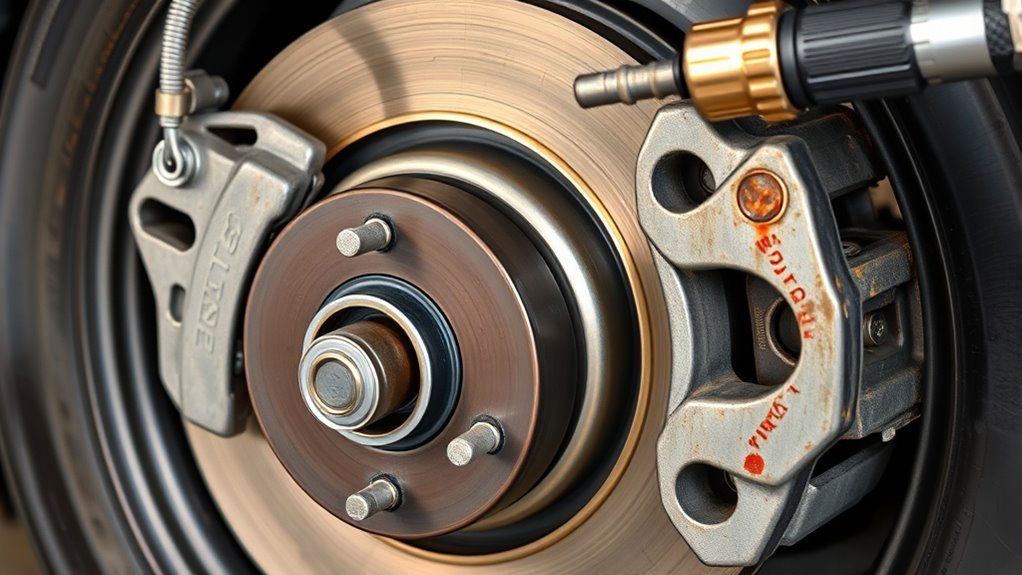
When you’ve installed new calipers, bleed the brakes thoroughly to purge any air from the lines. Use the manufacturer-recommended procedure or a pressure/vacuum bleeder and fresh brake fluid; trapped air undermines hydraulics and freedom from risk. Work corner-to-corner in the proper sequence, watching for clear, bubble-free fluid at each bleed nipple.
Tighten caliper mounting bolts to specified torque settings — usually 20–30 ft-lbs depending on model year — and recheck after initial heat cycles. Secure banjo bolts and bleeder screws per torque spec to avoid leaks and contamination of brake fluid.
Verify performance before returning to normal use: confirm pedal firmness, no sponginess, and correct travel. Inspect master cylinder level and top off if needed. Perform a cautious test drive, checking for noises, vibration, or pull to one side under braking. If you encounter abnormalities, re-bleed or inspect lines, hoses, and pads until braking is reliable and you reclaim complete control.
Frequently Asked Questions
How Long Do Toyota Brake Calipers Last?
They typically last about 50,000–70,000 miles, though aggressive use shortens life. You’ll extend serviceability with caliper maintenance tips, monitoring brake performance factors, inspecting for corrosion, and addressing uneven wear or noises promptly for sustained freedom on the road.
What Is the Average Lifespan of a Brake Caliper?
An ounce of prevention: you’ll typically get 75,000–100,000 miles from a brake caliper if you prioritize caliper maintenance and heed wear indicators; inspect seals, fluid, and corrosion regularly to avoid sudden failure and maintain control.
Conclusion
You’ll want to act quickly if a Camry caliper’s failing: inspect, diagnose, and replace as needed to keep braking predictable. Typical caliper life runs 75–120k miles but heat, corrosion, and neglect shorten it; don’t gamble. Replace faulty calipers promptly, bleed the system, torque to spec, and road‑test. Treat caliper work like clockwork—use proper tools, new seals, and fresh fluid so your brakes stay safe and efficient, not Victorian.