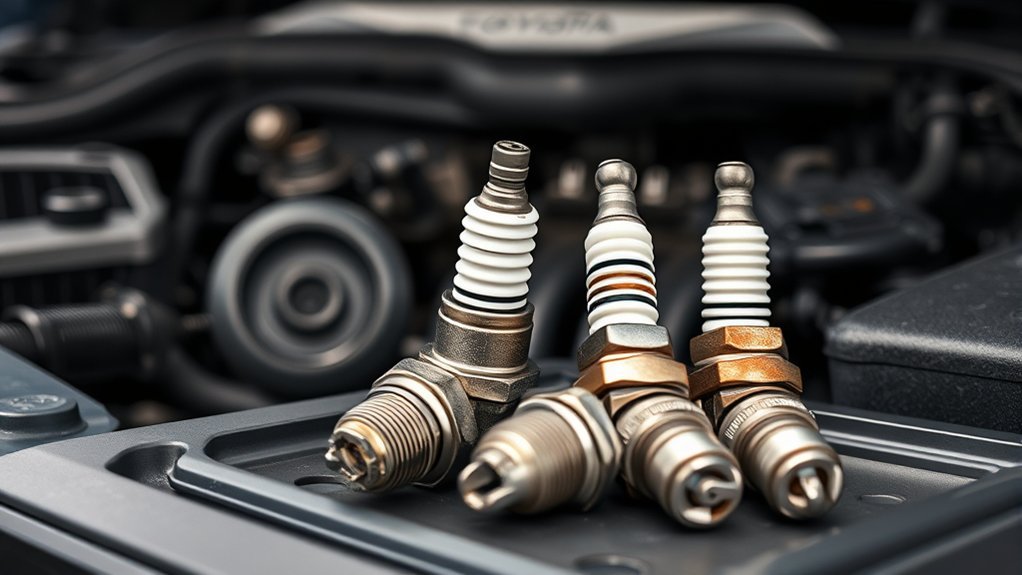
Wrong spark plugs cost real money. Use the wrong heat range in your Camry and you’ll deal with fouled plugs, engine knock, or ignition damage that compounds over time. Stock Camrys use mid-range plugs (around 16–20) depending on engine and year — hotter plugs retain heat for city driving, colder plugs shed heat for high-RPM or modified engines. This guide covers OEM specs by year, brand code comparisons, and exactly when to step up or down.
What’s in This Article
- Camry Spark Plug Heat Ranges: Use Case Reference
- Heat Range and Camry Engine Performance
- Stock Camry Spark Plug Heat Ranges by Year and Engine
- When Driving Style or Engine Mods Require a Different Heat Range
- Spark Plug Heat Range Codes for Camry: Denso, NGK, and Champion
- Symptoms Your Camry’s Plugs Are Too Hot or Too Cold
- Practical Swap Guide: Choose, Test, and Maintain Plugs
- Frequently Asked Questions
Quick Answer
Most stock Camrys use a heat range plug around 16–20 (Denso scale), depending on engine and model year. Choose hotter plugs for everyday city driving to prevent fouling, and step colder if you’ve added boost, increased compression, or run at sustained high RPMs. Always verify the exact spec in your owner’s manual before buying.
Key Takeaways
- Stock Camrys typically use heat range plugs in the 16–20 range (Denso scale), varying by engine and year.
- Hotter plugs suit stop-and-go city driving by maintaining tip temperature and burning off carbon deposits.
- Colder plugs protect modified or high-RPM engines from pre-ignition and engine knock.
- The optimal spark plug tip temperature falls between 500°C and 850°C — outside that window, fouling or pre-ignition follows.
- Monitor for knock, fouling, or misfires after any heat range change, and always verify specs in your owner’s manual.
Camry Spark Plug Heat Ranges: Use Case Reference
 Toyota Camry” height=”100%” />
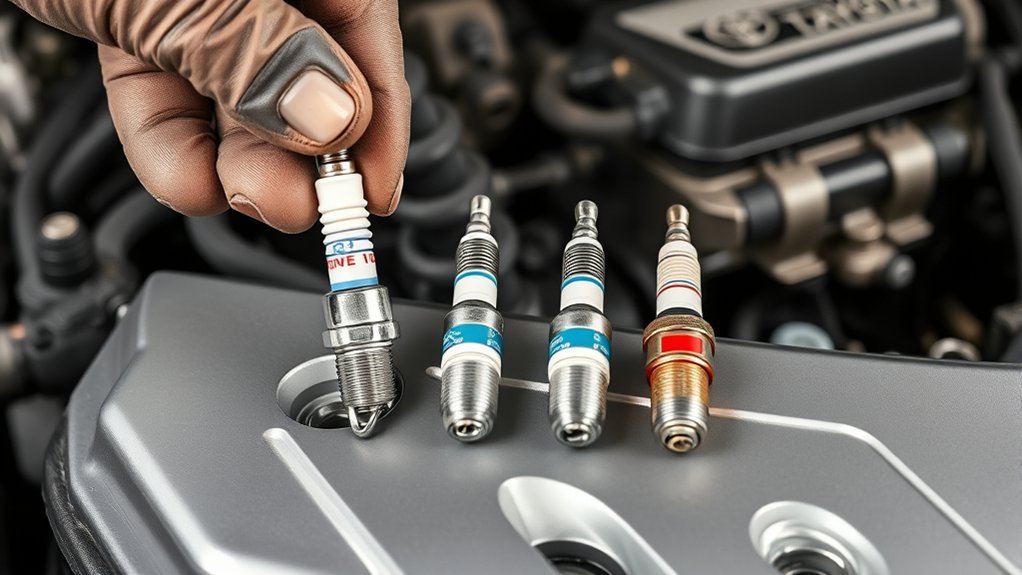
Toyota lists a nominal Camry spark plug heat range around 20 for most configurations, but your ideal choice depends on how you drive. Hotter plugs suit low-speed, stop-and-go conditions — they keep combustion-port temperatures high enough to burn off deposits and resist fouling. Colder plugs work better for spirited driving, track use, or engines with added boost or timing advance.
The selection rule is straightforward: match heat range to your dominant driving conditions and engine state. For stock engines, use manufacturer guidance. When modifications raise combustion temperatures, step colder. Replace plugs at recommended intervals (30k–100k miles depending on plug type) to preserve efficiency and avoid the performance loss that comes with degraded electrodes.
Heat Range and Camry Engine Performance
The spark plug heat range shapes Camry engine performance by controlling tip temperature within the 500–850°C window where fouling and pre-ignition stay minimal. Hotter plugs retain heat to burn deposits during low-load driving, reducing fouling and preserving efficiency. Colder plugs shed heat faster for high-RPM or high-compression conditions, preventing pre-ignition and knock.
When you add forced induction or increase compression, choose a colder range to handle the raised peak temperatures. The right heat range limits carbon build-up, keeps spark timing reliable, and cuts misfires. Your Camry runs cleaner and needs fewer plug changes when the heat range matches the engine’s operating demands.
Stock Camry Spark Plug Heat Ranges by Year and Engine
These figures make it easier to match Camry model years and engines to their stock spark plug heat ranges. Older or lower-stress engines generally show hotter numbers; higher-compression or performance variants run colder numbers.
Use these ranges to maintain ideal spark plug lifespan and stable ignition timing. Typical OEM heat ranges by year and engine:
- 1995 5S-FE — heat range ~20, suited to lower-stress, long-life service.
- 2002 2.4L — heat range ~16, balances moderate performance and longevity.
- 2012 3.5L V6 — heat range ~17, manages higher combustion temperatures without fouling.
- 2018 2.5L — heat range ~16, maximizes efficiency and thermal control.
Note: Treat these as baseline references only. Heat ranges vary by sub-model, trim, and market — always confirm the exact part number in your owner’s manual or on Toyota’s parts site before buying.
When Driving Style or Engine Mods Require a Different Heat Range
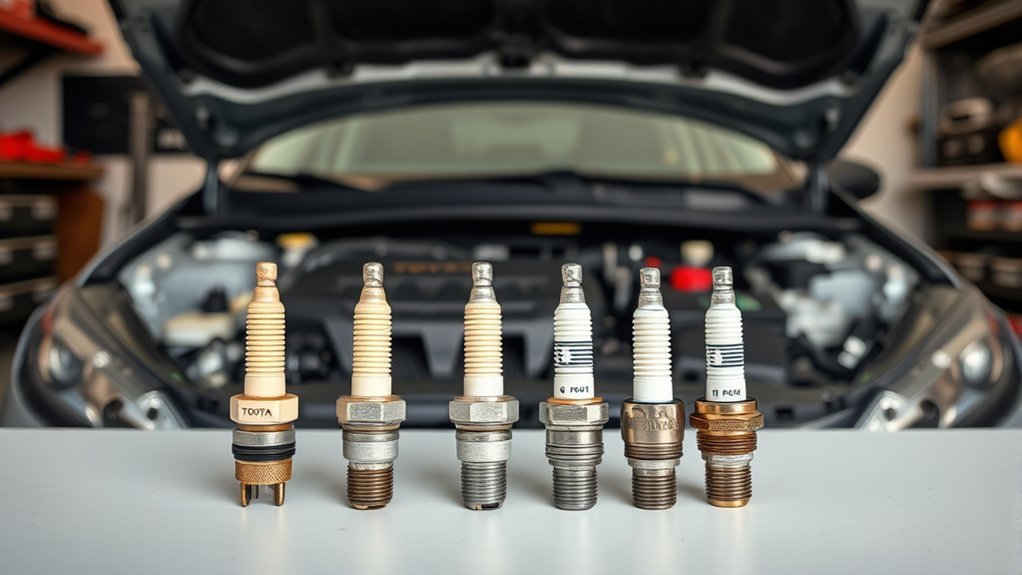
Changing your driving habits or adding performance mods often calls for a different spark plug heat range to match altered combustion temperatures. Higher thermal loads — sustained high RPMs, forced induction, or aggressive tuning — demand colder plugs to cut the risk of pre-ignition. A Camry used mostly for stop-and-go traffic benefits from a hotter plug that keeps tip temperature up and burns off deposits before they cause misfires.
Assess driving conditions and engine modifications together. Mild bolt-ons may only need a one-step colder plug. Higher-compression pistons or aggressive tuning require input from a performance technician. After any change, monitor for knock, misfire codes, deposit buildup, and fuel trim to confirm the selection works.
Warning: Running the wrong heat range — even one step off — can cause pre-ignition, fouling, or accelerated electrode wear that damages the engine over time.
Iterate methodically: change one variable at a time, log results, and consult a performance technician for serious engine modifications to confirm the ideal heat range.
Spark Plug Heat Range Codes for Camry: Denso, NGK, and Champion
Each brand uses its own heat range numbering scale, and the direction of those scales differs between manufacturers. Consult cross-reference charts when substituting one brand for another — don’t assume a higher or lower number means the same thing across brands. You’ll need to confirm thermal equivalents directly from manufacturer tables.
Denso Heat Codes
Denso uses a numeric scale for Camry spark plugs, and the factory-standard plug for most Camry engines falls around heat range 20, suited to moderate heat dissipation in everyday driving. Use Denso heat codes to match combustion conditions, and consult Denso’s official cross-reference chart to confirm whether a lower or higher number suits your specific engine setup before making any changes.
Warning: Denso’s heat range numbering direction can vary by plug series. Always verify the direction (hotter vs. colder) using Denso’s official cross-reference chart before selecting a substitute plug.
- Verify the factory Denso heat range for your specific Camry engine using your owner’s manual.
- Confirm whether lower or higher numbers indicate hotter plugs in your plug series using Denso’s manufacturer chart.
- Choose accordingly for your driving conditions: hotter for frequent cold starts and city use, colder for high-output or modified setups.
- Cross-reference Denso charts to find NGK and Champion equivalents with matching thermal dissipation profiles.
NGK and Champion Ranges
NGK and Champion use different numbering systems than Denso, and each brand’s scale runs in its own direction. For NGK, lower numbers indicate hotter plugs — NGK 5 runs hotter than NGK 7, for example. Champion follows its own scale, so check Champion’s published charts for analogous thermal values rather than guessing from the number alone.
Use OEM heat-range guidance as your baseline: mismatches cause fouling or pre-ignition. For any substitution, read the manufacturer’s cross-reference tables to confirm the plug’s thermal dissipation matches your engine’s operating profile. This approach frees you from brand lock-in while keeping combustion stable and protecting the engine.
Symptoms Your Camry’s Plugs Are Too Hot or Too Cold
Spotting the wrong heat range early prevents bigger repairs. Too-hot plugs cause pre-ignition and engine knock, accelerate electrode wear, and cut fuel economy. Too-cold plugs never reach the 500°C self-cleaning threshold, so carbon builds up, causing misfires, rough idle, and weak acceleration.
- Excessive engine knock under load — likely too-hot plugs accelerating detonation.
- Rapid electrode erosion and reduced MPG — temperature effects pushing heat beyond the safe range.
- Frequent fouling, dark deposits, and misfires at low RPM — plugs too cold to self-clean.
- Rough idling and sluggish throttle response — incomplete combustion from cold plugs.
Monitor performance, inspect plug color and deposits, and match what you find to your driving style. These checks let you act before small issues turn into expensive engine repairs.
Practical Swap Guide: Choose, Test, and Maintain Plugs
When you swap spark plugs on a Camry, pick the correct heat range and gap first, then verify fitment and torque during installation to prevent misfires or pre-ignition. Follow manufacturer guidance: colder plugs for high-RPM or modified engines, hotter plugs for typical city driving. Check the gap, inspect electrodes for wear or deposits, and log conditions and replacement mileage each time.
| Task | Action |
|---|---|
| Choose | Match heat range to OEM spec; consider colder for mods |
| Test | Inspect electrode, gap, and combustion residue |
| Install | Use correct thread engagement and torque |
| Maintain | Replace per manual (30k–100k mi); record condition |
Pro tip: Read your old plug’s color before tossing it — a tan or light gray tip signals a good heat range; black sooty deposits mean too cold; white or blistered means too hot.
Use the right spark plug material — iridium, platinum, or copper — based on longevity needs and budget. Test after installation by monitoring idle quality, fuel economy, and throttle response. Keep records to spot trends and catch problems early.
Frequently Asked Questions
What does heat range in spark plugs mean?
Heat range describes how quickly a spark plug moves heat from its tip to the engine’s cylinder head. A hotter plug retains heat longer to burn off deposits; a colder plug sheds heat faster to prevent pre-ignition under high loads. Choosing the right range keeps your engine running cleanly and efficiently across different driving conditions.
What is the difference between NGK heat range 6 and 7?
For NGK plugs, heat range 6 retains heat longer and runs hotter than heat range 7, which dissipates heat faster. You’d use NGK 6 for lower-RPM, everyday driving and NGK 7 for higher-RPM or more demanding conditions. Always confirm the correct rating against NGK’s official application guide for your specific engine before buying.
How do I know if my Camry needs a colder or hotter plug?
Start with the spec in your owner’s manual. If you’ve added a turbo, supercharger, or high-compression pistons — or if you drive hard regularly — step one range colder. If your plugs foul quickly during city driving, try one step hotter. Monitor for knock, misfires, or deposit buildup after any change to confirm the new range suits your conditions.
How often should I replace spark plugs on a Toyota Camry?
Copper plugs need replacement around every 30,000 miles, platinum plugs around 60,000 miles, and iridium plugs can last up to 100,000 miles. Check your owner’s manual for the exact interval for your engine and plug type. Replace sooner if you notice rough idle, hard starts, or reduced fuel economy between scheduled changes.
Spark plug heat range is one of the simplest tuning decisions you can make — and one of the most overlooked. Match the range to your engine and driving conditions, inspect your plugs at each change for signs of fouling or overheating, and follow torque and gap specs on installation. For stock Camrys, the OEM spec in your owner’s manual gives you the right starting point. For modified engines, step colder and verify with a performance technician. Get it right and your Camry rewards you with cleaner combustion, better fuel economy, and fewer problems over the long run.