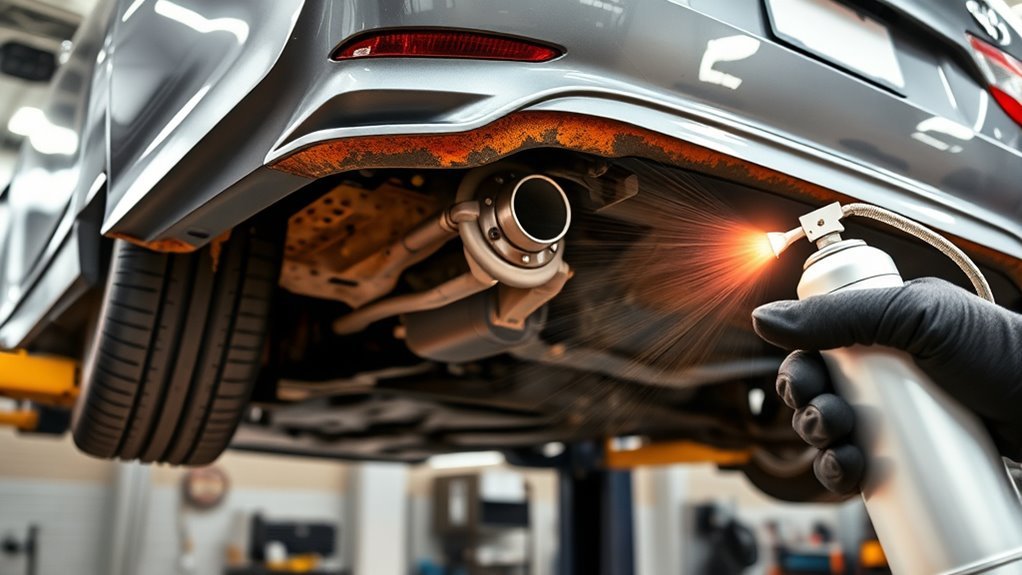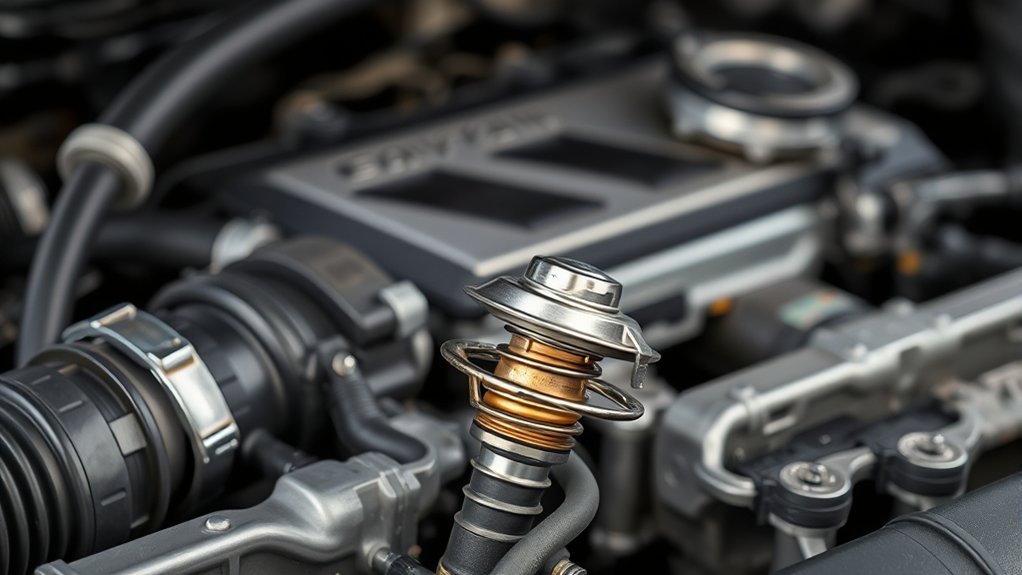
A bad Camry thermostat can turn a normal drive into an overheating problem fast. This small wax-actuated valve controls when hot coolant reaches the radiator, so the engine warms up quickly and then stays near its normal operating temperature. If it sticks closed, your Camry can overheat. If it sticks open, the engine may run too cool, cabin heat may feel weak, and fuel use may rise.
Quick Answer
Your Camry thermostat opens and closes coolant flow based on engine temperature. It stays closed during warm-up, then opens when coolant gets hot enough to flow through the radiator. A stuck thermostat can cause overheating, slow warm-up, poor heater output, or a P0128 check-engine code.
Key Takeaways
- A Camry thermostat helps the engine warm up fast and stay near its normal operating range.
- A stuck-closed thermostat can block coolant flow to the radiator and cause overheating.
- A stuck-open thermostat can keep the engine too cool and reduce heater performance.
- Upper and lower radiator hose temperatures can help you spot poor thermostat movement.
- After replacement, you need the right coolant, a new gasket, and a careful bleed process.
How the Camry Thermostat Works
One part controls coolant flow so your Camry can hold its intended operating temperature: the thermostat. Most Camry engines use a wax-element valve. As coolant heats the wax, the wax expands and opens the valve.
When the engine is cold, the thermostat stays closed and limits flow to the radiator. This helps the engine warm up faster. Once coolant reaches the thermostat’s set temperature, the valve opens and sends hot coolant through the radiator.
Most standard thermostats use a fixed opening temperature. Some newer cooling systems use more advanced control, but the basic job stays the same. The thermostat protects the engine from running too cold or too hot.
How to Spot a Failing Camry Thermostat
You can often spot a failing thermostat by watching the temperature gauge and cabin heat. A gauge that climbs toward the red zone, swings during steady driving, or rises at idle may point to poor coolant control.
Overheating signs can include constant cooling-fan operation, steam near the radiator area, and high gauge readings. These signs often fit a stuck-closed thermostat, which restricts coolant flow to the radiator.
A stuck-open thermostat creates different symptoms. Your engine may take too long to warm up, cabin heat may feel weak, fuel use may rise, and a P0128 check-engine light may appear.
Warning: Stop driving if the temperature gauge climbs into the red zone or you see steam from the engine bay.
Quick Tests: Hose Checks and Boil Test for Stuck Open vs. Stuck Closed
You can use two simple checks before replacing your Camry’s thermostat: a radiator hose check and a boil test. Wear gloves, keep hands away from belts and fans, and never open a hot cooling system.
Start the engine from cold and let it warm up. The upper radiator hose should stay cooler at first, then heat up after the thermostat opens. If both hoses warm too early, the thermostat may be stuck open.
If the temperature gauge climbs high and the upper hose stays cold, coolant may not be reaching the radiator. That pattern can point to a stuck-closed thermostat.
For a bench check, remove the thermostat and place it in hot water with a thermometer. Confirm the valve starts to open near its rated temperature. Many Camry thermostats open around 180°F to 200°F, but you should check your Toyota repair manual for the exact spec.
Note: Hose temperature checks can guide diagnosis, but low coolant, air pockets, bad fans, or a clogged radiator can cause similar symptoms.
Before You Begin: Tools, Parts, and Safety Checks
Gather the right parts before you remove the thermostat housing. You’ll need a replacement thermostat, a new gasket or seal, approved coolant, a socket set, pliers, a drain pan, shop rags, and a scraper safe for gasket surfaces.
Let the engine cool fully before you drain coolant. Hot coolant can burn skin and spray under pressure. Work on level ground and keep pets away from drained coolant.
Check the thermostat orientation before you remove the old part. Many Camry thermostats install with the spring toward the engine, but you should match the service manual for your engine.
If Tests Fail: Camry Thermostat Replacement Checklist
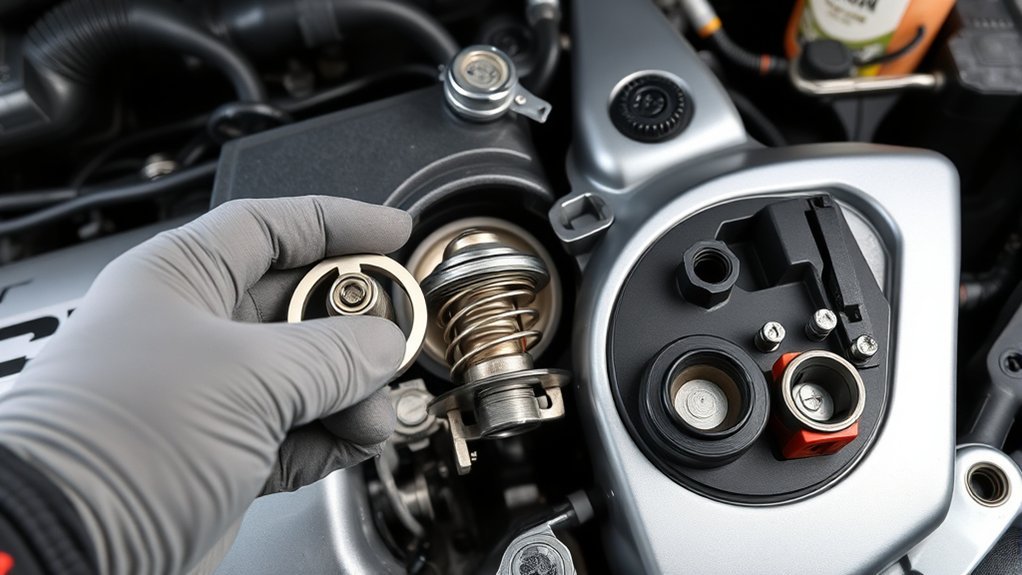
If your quick checks point to a faulty thermostat, prepare a concise parts-and-tools checklist before you start. The table below keeps the main tasks, tools, and leak-prevention notes in one place.
| Task | Tool/Part | Note |
|---|---|---|
| Drain coolant | Drain pan | Prevent spills |
| Remove housing | Socket set | Access thermostat |
| Clean surface | Shop rag, scraper | Help the gasket seal |
| Install thermostat | New thermostat + gasket | Check correct orientation |
Clean the mating surfaces with care. Old gasket residue, gouges, or dirt can cause leaks after reassembly. Fit the new thermostat in the correct direction and use a new gasket or seal.
Step-by-Step Camry Thermostat Replacement
These steps give you a general workflow for many Camry models. Your model year and engine can change access, bolt location, coolant type, and torque specs, so check the repair manual before you start.
- Cool the engine. Wait until the radiator hose feels cool and the system no longer holds pressure.
- Drain enough coolant. Use a drain pan and lower the coolant level below the thermostat housing.
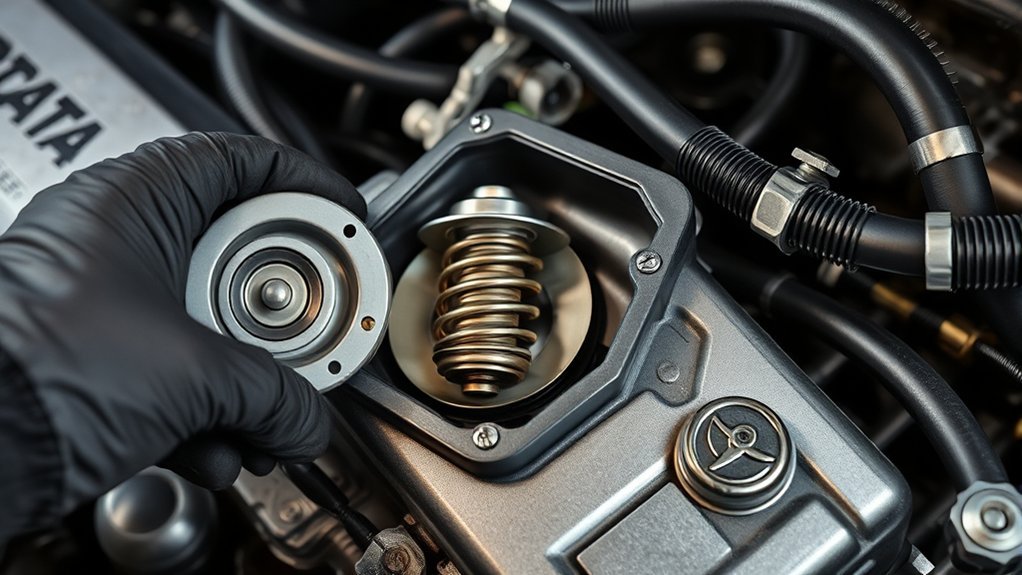
- Remove the housing. Loosen the hose clamp if needed, then remove the housing bolts with the right socket.
- Take out the old thermostat. Note its position before removal so you can install the new one correctly.
- Clean the sealing surface. Remove old gasket material without scratching the housing or engine surface.
- Install the new thermostat. Place it in the correct orientation and fit the new gasket or seal.
- Tighten the housing. Use the torque spec from your repair manual and tighten bolts evenly.
- Refill and bleed the system. Add the correct coolant, remove trapped air, and check for leaks.
Pro tip: Take a quick photo before removal so you can match hose routing, housing position, and thermostat orientation during reassembly.
After Replacement: Coolant Fill, Bleed Procedure, and Common Mistakes to Avoid
Refill the cooling system with the exact coolant type and quantity listed for your Camry. Run the engine with the radiator cap or expansion reservoir cap off only when the service procedure allows it. Watch the coolant level as the thermostat opens and trapped air escapes.
Use manufacturer-approved coolant to protect corrosion inhibitors, seals, and aluminum parts. At idle, watch for steady coolant movement and listen for gurgling. A persistent gurgle can mean air pockets remain in the system.
Squeeze the upper radiator hose carefully when the system is warm but safe to touch. If the hose softens and coolant moves, the bleed process may have worked. After the level stabilizes, install the cap and check for leaks.
Take a short test drive and monitor the temperature gauge. If the gauge rises, heat output changes, or leaks appear, stop and recheck the coolant level, gasket seal, and housing bolts.
Common Mistakes That Cause Leaks or Overheating
Most thermostat replacement problems come from small setup errors. Avoid these common mistakes:
- Installing the thermostat backward or off-center.
- Reusing an old gasket or damaged seal.
- Scratching the mating surface while cleaning old gasket material.
- Using the wrong coolant type or poor coolant mix.
- Skipping the bleed step after refilling the system.
- Overtightening housing bolts and cracking the housing.
If overheating continues after replacement, don’t assume the new thermostat failed. Check coolant level, radiator flow, cooling fans, water pump function, and air pockets next.
Frequently Asked Questions
What does a thermostat do in a car?
A car thermostat regulates coolant flow so the engine can warm up and then hold a safe operating temperature. It closes when the engine is cold and opens when coolant reaches its rated temperature.
How does a Camry thermostat work step by step?
The engine warms the coolant, and the coolant heats the wax element inside the thermostat. The wax expands, opens the valve, and lets hot coolant flow to the radiator. As coolant cools, the wax contracts and the valve closes again.
How do you read a car thermostat?
Look for the stamped temperature rating on the thermostat body or rim. That number shows when the valve should begin to open. During a hot-water test, the valve should start moving near that rating.
Can you drive a Camry with a bad thermostat?
You should avoid driving if the engine overheats or the gauge climbs into the red zone. A stuck-open thermostat may seem less urgent, but it can keep the engine too cool and trigger poor fuel economy or a check-engine light.
What else can look like a bad thermostat?
Low coolant, trapped air, a failing water pump, a clogged radiator, or bad cooling fans can mimic thermostat trouble. Check the full cooling system if symptoms remain after thermostat replacement.
Conclusion
Your Camry thermostat plays a small but critical role in engine temperature control. If the gauge climbs, cabin heat weakens, or a P0128 code appears, test the thermostat before the problem grows. Use the correct part, a new gasket, the right coolant, and a careful bleed process. A steady temperature gauge after the repair tells you the cooling system is back under control.