Your Camry Hybrid battery is built to last a long time, but its actual life depends on model year, battery chemistry, heat exposure, driving style, and how well the cooling air intake is kept clear. The biggest owner-controlled factors are simple: keep the battery vent clean, avoid blocking airflow, respond quickly to warning lights, and follow Toyota’s maintenance schedule.
Quick Answer
A Camry Hybrid battery can often last well beyond 100,000 miles, but there is no single guaranteed lifespan for every car. Toyota currently backs every hybrid battery with a 10-year/150,000-mile limited warranty, whichever comes first. Heat, blocked cooling vents, short-trip driving, and ignored warning lights can shorten battery life.
Key Takeaways
- Camry Hybrid battery type depends on model year; many older models use NiMH, while the 2025 Camry uses a Lithium-Ion traction battery.
- Toyota’s current hybrid battery warranty is 10 years or 150,000 miles, whichever comes first.
- Heat and poor airflow are two of the biggest avoidable causes of faster hybrid battery wear.
- A weak 12-volt battery can cause confusing warning lights, so do not assume every hybrid warning means the traction battery has failed.
- Owners can inspect accessible vents, but high-voltage battery repairs should be left to qualified hybrid technicians.
At a Glance
| Time Required | 5–10 minutes for a visual vent check; longer if cleaning is needed |
| Difficulty | Easy for owner-level vent inspection; advanced for diagnostics or battery service |
| Tools Needed | Owner’s manual, flashlight, vacuum with brush attachment, OBD-II scan tool for code checks |
| Cost | Usually free for inspection; diagnostic or replacement costs vary by shop, battery type, and warranty status |
How Camry Hybrid Batteries Work
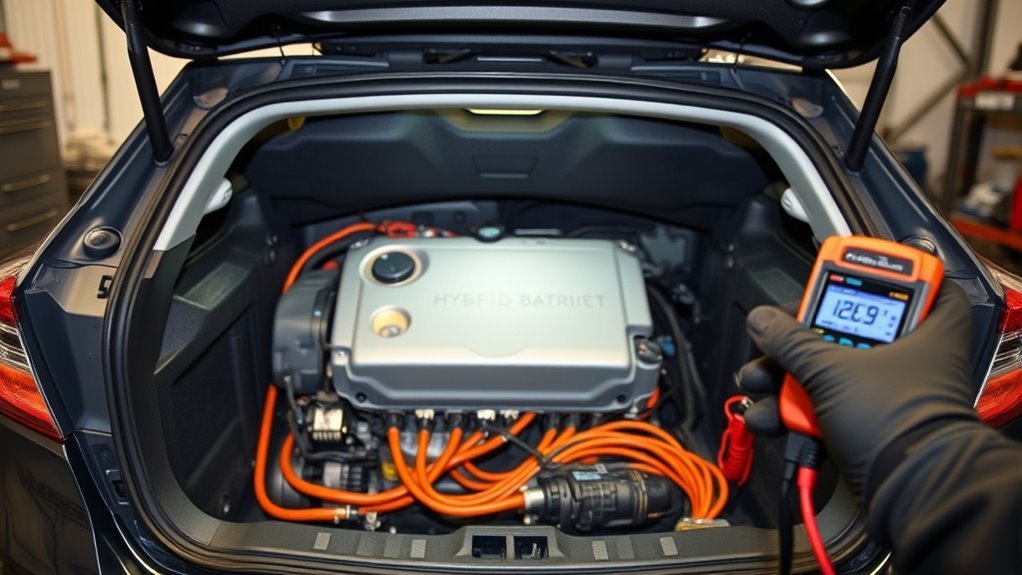
The Camry Hybrid uses a gasoline engine, electric motor-generators, a high-voltage traction battery, and hybrid control software to decide when to use electric power, engine power, or both. You do not plug in a regular Camry Hybrid. The battery charges automatically through regenerative braking and engine-driven charging.
At low speeds or light loads, the car may use more electric assist. Under acceleration or highway load, the gasoline engine and electric motor can work together. During braking, the system recovers some energy and stores it in the traction battery.
Battery chemistry depends on the model year and configuration. Older Camry Hybrid models commonly used nickel-metal hydride (NiMH) packs. Toyota’s current 2025 Camry information says the fifth-generation Toyota Hybrid System uses a Lithium-Ion traction battery.
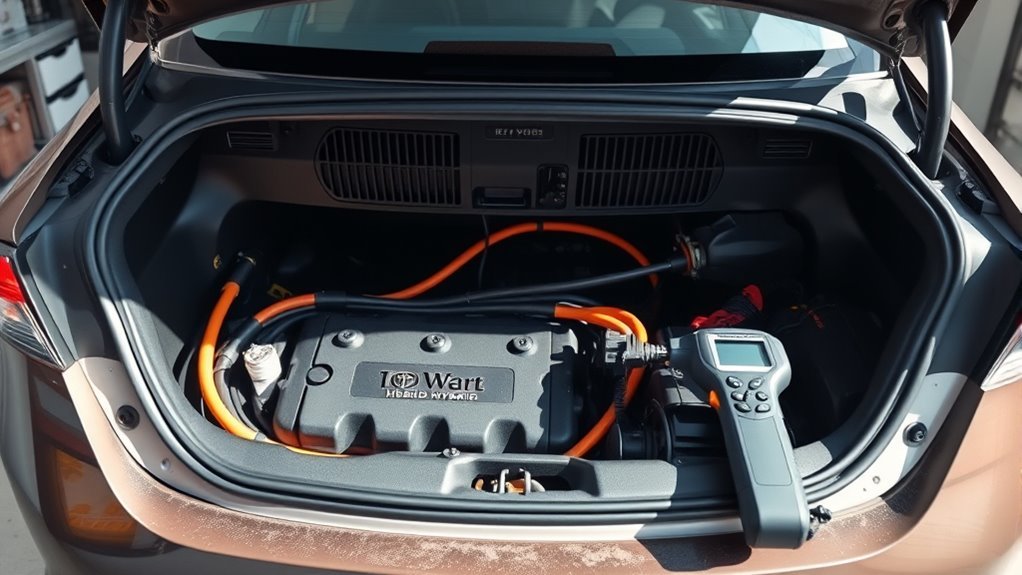
Warning: Do not open the hybrid battery case, touch orange high-voltage cables, or attempt internal battery repairs unless you are trained and equipped for hybrid high-voltage work. Toyota identifies the Camry Hybrid system as a high-voltage system, so owner maintenance should stay limited to manual-approved checks such as inspecting accessible air intake vents.
How Long Does a Camry Hybrid Battery Last?
There is no exact mileage or age that applies to every Camry Hybrid battery. A well-maintained battery in a mild climate can last much longer than one exposed to heavy heat, blocked airflow, neglected warning lights, or repeated short-trip use.
The best warranty-backed baseline is Toyota’s current hybrid battery coverage: 10 years or 150,000 miles, whichever comes first. For 2025 Camry models, Toyota also states that the hybrid battery warranty is transferable across ownership.
That warranty does not mean every battery fails at 150,000 miles. It means Toyota is willing to cover eligible defects within that time and mileage window. Some batteries continue performing well after the warranty period, while others may need diagnosis sooner because of age, climate, use, or previous damage.
The most useful way to think about Camry Hybrid battery life is not “how many years exactly?” but “am I protecting the battery from heat, airflow restriction, and ignored warning signs?”
NiMH vs Li-Ion: Which Camry Battery Do You Have?
Knowing your battery chemistry helps you understand replacement options, but you should confirm it by VIN, owner’s manual, repair records, dealer parts lookup, or a qualified hybrid shop. Do not assume based only on the word “Camry Hybrid.”
| Battery type | What to know | Owner takeaway |
|---|---|---|
| NiMH | Used in many older Toyota hybrids; known for durability and tolerance of varied use. | Still needs clean cooling airflow and regular diagnostics when warning lights appear. |
| Lithium-Ion | Used in the current 2025 Camry Hybrid according to Toyota’s 2025 Camry information. | Lighter and power-dense, but still sensitive to heat and blocked ventilation. |
If you are buying a used Camry Hybrid, ask for the VIN-based battery part information, warranty start date, maintenance records, and any hybrid-system diagnostic history. A pre-purchase inspection should include a scan for stored hybrid control codes, not just a short test drive.
How Temperature and Climate Affect Battery Longevity
Heat is one of the biggest enemies of hybrid battery life. High cabin temperatures, dusty air, pet hair, blocked vents, and long periods in direct sun can all make the battery cooling system work harder. Cold weather usually reduces short-term output and fuel economy, but repeated heat exposure is more closely tied to long-term battery aging.
To reduce heat stress, park in shade or a garage when practical, keep the rear-seat battery air intake area clear, avoid piling luggage or seat covers over vents, and clean the vent if it is dusty or clogged. Toyota’s owner manual warns that blocked hybrid battery air intake vents can restrict battery input/output and reduce fuel economy.
Pro Tip: If you regularly carry pets, children, dusty work gear, or rideshare passengers, inspect the rear-seat battery air intake more often. Lint and hair can build up faster than mileage alone suggests.
How Driving Habits Impact Battery Wear
Smooth driving helps the hybrid system avoid unnecessary current spikes and heat buildup. You do not need to baby the car, but aggressive acceleration, repeated hard braking, overloaded cargo, low tire pressure, and constant stop-and-go operation can increase stress on the battery and motor system.
Short trips are also harder on efficiency because the engine, cabin, and battery system may not reach their best operating conditions. Combining errands, keeping tires properly inflated, and using steady throttle inputs can help preserve fuel economy and reduce unnecessary battery cycling.
| Habit | Battery effect | Better approach |
|---|---|---|
| Hard acceleration | Raises power demand and heat | Use smooth throttle when possible |
| Frequent hard braking | Creates repeated high regen events | Look ahead and brake progressively |
| Very short trips | Reduces operating efficiency | Combine errands when practical |
| Blocked vents | Reduces cooling airflow | Keep intake areas open and clean |
| Low tire pressure | Increases load and fuel use | Check tire pressure regularly |
Why the Battery Cooling System and Filter Matter
The hybrid battery cooling system moves cabin air across battery cooling paths to help keep the pack within a safe operating range. If the intake vent, filter, duct, or fan becomes restricted, the system may limit battery output to protect itself. That can feel like weaker acceleration, reduced EV assist, or lower fuel economy.
Cooling System Purpose
The cooling system exists to control battery temperature. Clean airflow helps the battery maintain consistent performance, especially in hot weather or heavy traffic. Restricted airflow forces the cooling fan to work harder and can reduce the efficiency of the high-voltage battery cooling system.
For 2025 Camry owners, Toyota says to visually inspect the hybrid battery air intake vent periodically and clean it if it is dusty or clogged, or if the message “Maintenance Required for Traction Battery Cooling Parts See Owner’s Manual” appears.
Filter Maintenance Frequency
Use the guidance that matches your vehicle. Toyota’s 2025 Camry owner information points owners to periodic visual inspection and cleaning when the vent is dusty, clogged, or a warning message appears. For many older Toyota hybrids, Toyota’s HV Battery Cooling System Maintenance bulletin, hosted by NHTSA, recommends inspecting the battery intake filter every 5,000 miles and completing the listed cooling-system procedures every 20,000 miles for affected vehicles.
If you drive in dusty areas, carry pets, or see lint around the intake grille, inspect sooner. If the filter is damaged, heavily clogged, or difficult to clean correctly, have it replaced or serviced by a Toyota dealer or qualified hybrid shop.
Heat-Related Degradation
Heat speeds up battery aging, and poor cooling makes heat worse. A clean intake vent cannot reverse an aging battery, but it can help prevent avoidable stress. Treat airflow maintenance as cheap insurance: it is easier to remove lint from a vent than to diagnose a heat-stressed battery pack later.
Note: If a warning message mentions traction battery cooling parts, clean the accessible air intake as directed by the owner’s manual and schedule service if the message returns.
Maintenance & Diagnostic Checks: What to Inspect and When
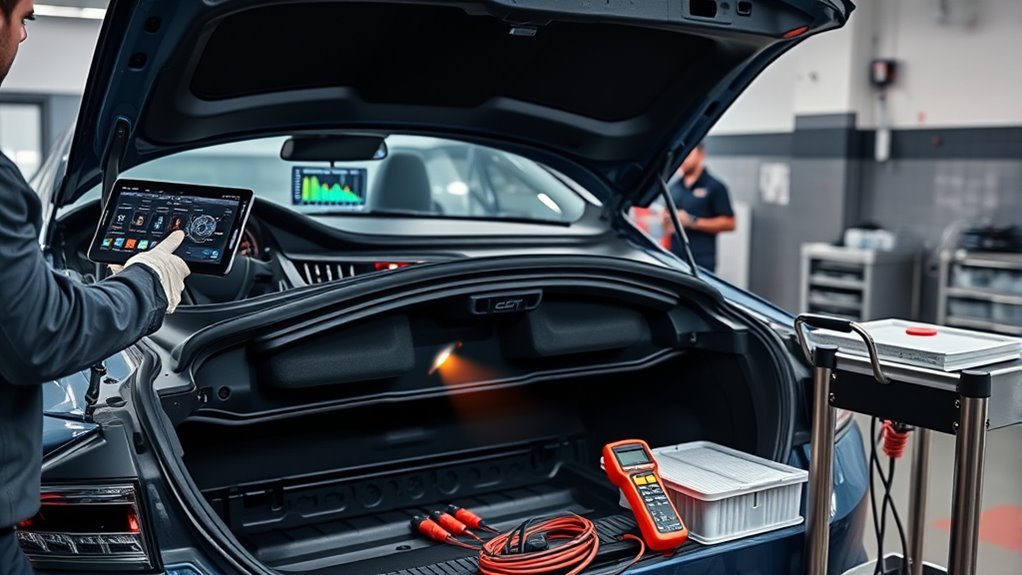
Good maintenance does not mean opening the hybrid battery. For most owners, it means keeping airflow clear, watching fuel economy trends, checking for warning lights, and getting proper diagnostics before small problems become expensive ones.
| Check | When to do it | Why it matters |
|---|---|---|
| Battery air intake vent | Periodically; sooner in dusty or pet-heavy use | Keeps cooling airflow open |
| Warning lights and messages | Immediately | Stored codes can identify battery, inverter, fan, or 12V issues |
| 12-volt battery test | When starting issues or random warnings appear | A weak 12V battery can mimic bigger hybrid problems |
| Hybrid system scan | During warning lights, used-car inspections, or major MPG drops | Checks codes, battery block data, cooling fan operation, and system history |
| Service records | Before buying used and during ownership | Confirms maintenance, warranty status, and prior repairs |
Use EPA fuel economy ratings as a rough benchmark, not a perfect diagnostic tool. For example, the official 2025 Toyota Camry fuel economy listing shows 51 combined MPG for the LE FWD and 47 combined MPG for FWD SE/XLE/XSE models. Real-world results vary, but a sudden, unexplained drop is worth checking.
Warning Signs, Life-Extension Tips, and Replacement Options
Aging hybrid batteries usually give clues before complete failure. The key is not to guess. Read the codes, check the 12-volt battery, inspect the cooling path, and compare symptoms with actual diagnostic data.
Warning Lights & Codes
Take hybrid-system warning lights seriously, especially red warnings or messages that repeat after a restart. Common signs that need diagnosis include:
- Hybrid system warning light or check engine light
- “Maintenance Required for Traction Battery Cooling Parts See Owner’s Manual” message
- Sudden drop in fuel economy without another clear cause
- Battery gauge swinging unusually fast from high to low
- Reduced electric assist or sluggish acceleration
- Cooling fan running loudly or often from the rear-seat area
These symptoms do not automatically mean the traction battery is dead. A clogged intake, weak 12-volt battery, inverter issue, cooling fan problem, or stored code can point to a different repair.
Maintenance To Extend
To extend battery life, focus on the basics you can control:
- Keep the hybrid battery air intake vent clear of bags, blankets, seat covers, pet hair, and lint.
- Park in shade or a garage when heat is extreme.
- Drive smoothly and avoid repeated hard acceleration when it is not needed.
- Keep tires properly inflated to reduce load on the hybrid system.
- Respond to warning lights early instead of waiting for drivability problems.
- Confirm battery health with diagnostics before replacing expensive parts.
Replacement Options If the Battery Fails
If diagnostics confirm the high-voltage battery is failing and warranty coverage does not apply, you usually have three broad options:
- New OEM battery: Usually the strongest choice for long-term reliability and warranty confidence, especially on newer cars.
- Remanufactured battery: Often less expensive, but quality depends heavily on the rebuilder, testing process, and warranty.
- Module repair or reconditioning: May be cheaper on older, high-mileage vehicles, but it can be less predictable because other aged modules may fail later.
Before approving replacement, ask the shop what codes were found, whether the cooling fan and intake were checked, whether the 12-volt battery passed testing, and what warranty comes with the repair.
Used Camry Hybrid Buyer Checklist
If you are shopping for a used Camry Hybrid, battery condition should be part of the inspection, not an afterthought.
- Confirm the vehicle’s in-service date to estimate remaining hybrid battery warranty.
- Ask whether the hybrid battery is NiMH or Lithium-Ion for that exact VIN.
- Check the rear-seat battery air intake for lint, pet hair, blocked trim, or missing covers.
- Scan for current and stored hybrid-system diagnostic codes.
- Review service records for cooling-system or battery-related work.
- Watch for sudden MPG drops, warning lights, or loud rear fan operation during the test drive.
- Have a Toyota dealer or hybrid specialist inspect the car before purchase if mileage is high.
Frequently Asked Questions
How do I prolong Toyota Camry Hybrid battery life?
Keep the battery air intake vent clean and unblocked, avoid extreme heat when practical, drive smoothly, keep tires inflated, respond quickly to warning lights, and follow Toyota’s maintenance schedule. Do not open or service the high-voltage battery yourself.
What affects Camry Hybrid battery life the most?
The biggest factors are heat, cooling airflow, driving conditions, age, mileage, battery chemistry, and whether warning lights are diagnosed early. Blocked vents, pet hair, dusty use, and repeated hard acceleration can all add stress.
Why does my Toyota Hybrid battery keep dying?
First confirm which battery is dying. A weak 12-volt battery can cause starting problems and warning lights, while the high-voltage traction battery requires hybrid-system diagnostics. If the traction battery is involved, common causes include age, heat, poor cooling airflow, cell imbalance, or a related control-system fault.
Does the 2025 Camry Hybrid use NiMH or Lithium-Ion?
Toyota’s 2025 Camry information says the current Camry Hybrid uses a Lithium-Ion traction battery with the fifth-generation Toyota Hybrid System. Older Camry Hybrid models may use NiMH or Lithium-Ion depending on year and configuration, so verify by VIN or service records.
Is Camry Hybrid battery replacement worth it?
It depends on the car’s age, mileage, condition, warranty status, and repair cost. A newer or clean used Camry may justify a new OEM pack. An older high-mileage car may make more sense with a reputable remanufactured option, but only after proper diagnostics confirm the battery is the real problem.
Conclusion
A Camry Hybrid battery can deliver many years of service when the cooling system is kept clean, warning lights are handled early, and the car is maintained properly. The current Toyota hybrid battery warranty gives owners a helpful 10-year/150,000-mile baseline, but real-world life still depends on heat, airflow, use, and diagnostics. Keep the vents clear, drive smoothly, verify your battery type by model year or VIN, and leave high-voltage repairs to qualified hybrid technicians.
Sources
- Toyota Hybrid Battery Warranty — backs the 10-year/150,000-mile hybrid battery warranty statement.
- Toyota USA Newsroom: 2025 Camry — backs 2025 Camry hybrid-only, THS 5, Lithium-Ion traction battery, and warranty details.
- Toyota 2025 Camry Owner’s Manual: Cleaning the Hybrid Battery Air Intake Vent — backs owner guidance for vent inspection and cleaning.
- Toyota 2025 Camry Owner’s Manual: Hybrid System Precautions — backs high-voltage safety guidance and air intake warnings.
- Toyota T-SB-0062-20 via NHTSA — backs older Toyota hybrid battery cooling filter inspection and service guidance.
- FuelEconomy.gov 2025 Toyota Camry — backs official EPA fuel economy benchmark figures.