What’s in This Article
- Understanding Octane Ratings: What Toyota Camry Owners Should Know
- Choosing the Right Fuel: Regular, Midgrade, or Premium?
- Fuel Specifications for the 2004 Toyota Camry
- Consequences of Using the Wrong Octane Fuel
- The Impact of Higher Octane on Engine Performance
- Is Premium Fuel Worth the Extra Cost?
- Driver Insights: Real-World Experiences With Octane Choices
- Consulting Your Owner’s Manual: The Importance of Following Guidelines
- Frequently Asked Questions
- Conclusion
- References
Choosing the wrong fuel for your Toyota Camry can waste money or make your engine knock. Most Camry models sold in the United States use regular unleaded gas with an 87 anti-knock index (AKI) rating or higher. This guide explains what that number means, when midgrade may help, and why premium gas usually doesn’t add value.
Quick Answer
Most Toyota Camry models need regular unleaded gasoline rated 87 AKI or higher in the United States. Premium fuel usually won’t improve power, fuel economy, or engine life in a Camry built for regular gas. Check your owner’s manual because fuel labels differ by country.
Key Takeaways
- Use 87 AKI regular unleaded fuel for most Toyota Camry models sold in the United States.
- Choose midgrade only if your manual allows it and you hear knock under load.
- Skip premium fuel unless your specific owner’s manual recommends or requires it.
- Never use fuel below the minimum octane listed in your owner’s manual.
- Know the difference between AKI and RON before comparing fuel labels in different countries.
Understanding Octane Ratings: What Toyota Camry Owners Should Know

When you drive a Toyota Camry, octane rating matters because it shows how well fuel resists knock. In the United States, most fuel pumps show anti-knock index (AKI), which averages two lab ratings called RON and MON.
Most Camry models call for regular unleaded fuel with an 87 AKI rating or higher. That fuel gives the engine enough knock resistance for normal driving, smooth power, and good fuel economy.
Higher octane fuels, such as 91 or 93 AKI, resist knock better in engines designed for them. But a Camry tuned for 87 AKI usually won’t gain more power or better mileage from premium fuel.
Fuel below the minimum rating can cause pinging or knocking, especially during heat, heavy loads, or steep climbs. Your Camry’s engine control unit (ECU) may adjust timing to reduce knock, but that can reduce performance.
Choosing the Right Fuel: Regular, Midgrade, or Premium?
Start with your owner’s manual, then match the fuel label at the pump. For most Toyota Camry models in the United States, regular 87 AKI unleaded fuel meets the requirement.
Midgrade fuel, often 89 or 90 AKI, may help if your engine knocks under heavy load or in hot weather. It can also help if your manual recommends higher octane for severe use, but most Camry drivers won’t need it.
Premium fuel, usually 91 to 94 AKI, costs more and works best in high-compression or turbocharged engines built for it. Standard Camry engines designed for 87 AKI don’t need premium fuel for daily driving.
Note: Outside the United States and Canada, pumps may show RON instead of AKI, so the number can look higher for similar fuel.
A label such as 91 RON in one country does not equal 91 AKI in the United States. Your manual should explain the rating system for your market.
Fuel Specifications for the 2004 Toyota Camry
The 2004 Toyota Camry is a good example because it runs on regular unleaded gasoline. For U.S. models, use fuel rated 87 AKI or higher unless your specific manual states otherwise.
Higher octane fuel won’t hurt the engine, but it usually won’t give a clear benefit. Save premium fuel for cases where your manual calls for it or your engine knocks with the correct regular fuel.
Recommended Fuel Type
The 2004 Toyota Camry works well with regular unleaded fuel that meets the minimum octane rating. Using the right fuel helps your engine run smoothly and reduces the risk of knock.
- Use 87 AKI regular unleaded fuel for most U.S. 2004 Camry models.
- Check your manual if your car came from another market.
- Do not use fuel below the listed minimum octane rating.
- Use top-tier fuel when possible to help keep intake parts cleaner.
- Keep up with spark plugs, filters, and other service items for best results.
The right fuel matters, but maintenance matters too. A weak ignition system, carbon buildup, or poor-quality fuel can still cause knock.
Impact of Octane Levels
Many drivers think higher octane fuel always means better fuel. That isn’t true for a Camry engine built and tuned for regular gas.
Octane does not measure fuel power or cleanliness. It measures knock resistance. If your engine already runs without knock on 87 AKI, premium fuel often adds cost without a clear gain.
You may notice a small difference only under special conditions, such as steep hills, heavy loads, high heat, or an older engine with deposits. Even then, fix mechanical problems instead of using premium fuel as a long-term mask.
Consequences of Using the Wrong Octane Fuel
Using fuel below Toyota’s minimum octane rating can lead to engine knock. Light knock for a short time may not cause instant failure, but repeated knock can raise stress inside the engine.
Fuel below the recommended octane rating can cause knock, reduce performance, and increase engine stress over time.
- Engine knocking: Repeated pinging can stress pistons, valves, and bearings.
- Lower fuel economy: Timing changes can reduce efficiency when the engine protects itself.
- Weaker performance: The engine may feel less smooth under load.
- More wear: Long-term knock can speed up wear on key parts.
- Repair costs: Ignoring knock can lead to expensive diagnosis and repairs.
Warning: If your Camry knocks while using the correct fuel, schedule an inspection instead of only switching to higher octane.
Knock can come from bad fuel, carbon buildup, wrong spark plugs, overheating, or sensor issues. A technician can find the real cause before damage grows.
The Impact of Higher Octane on Engine Performance

Higher octane fuel can help engines with high compression, forced induction, or aggressive timing. Those engines need more knock resistance to make full power safely.
Your Toyota Camry does not need that extra knock resistance if Toyota designed it for 87 AKI. The engine control system already targets the fuel listed in the manual.
Premium fuel may not improve fuel economy because octane does not add energy to the fuel in a simple way. Your best results usually come from correct tire pressure, clean filters, and steady driving habits.
Is Premium Fuel Worth the Extra Cost?
Premium fuel rarely pays off in a standard Toyota Camry. If your manual recommends 87 AKI, premium fuel usually increases your fuel bill without a clear daily-driving benefit.
You may choose premium once if you hear knock under a heavy load and need to finish a trip. But don’t ignore ongoing noise. A healthy Camry should run well on the fuel Toyota recommends.
Performance Benefits Analysis
For most Camry drivers, regular 87 AKI fuel supports normal power, smooth starts, and steady fuel economy. Premium fuel mainly helps engines that require higher octane from the start.
- Use regular fuel for everyday driving in most Camry models.
- Use premium only if your owner’s manual calls for it.
- Choose midgrade only as a short test if knock appears under load.
- Fix ongoing knock instead of masking it with premium fuel.
- Spend fuel savings on maintenance that protects the engine.
Cost Comparison Insights
Premium fuel often costs more per gallon than regular fuel. That price gap adds up if you fill a Camry often.
If your engine does not need premium, the extra cost usually brings little value. Regular fuel that meets Toyota’s rating and quality guidance gives the best balance for most owners.
Engine Compatibility Considerations
Most modern Toyota Camry engines, including common four-cylinder, V6, and Hybrid models, run on regular unleaded fuel. Still, you should verify the exact requirement for your model year and market.
- Gas engines: Most standard Camry gas engines use 87 AKI or higher in the United States.
- Hybrid engines: Camry Hybrid models also commonly use regular unleaded fuel.
- Imported models: Fuel labels may use RON instead of AKI outside North America.
- Older models: Owner’s manuals remain the best source for exact fuel guidance.
- Modified engines: Tunes, forced induction, or heavy changes may require different fuel.
Don’t rely only on forum posts or fuel door stickers if your car has a different engine or came from another country. Use the manual for the final answer.
Driver Insights: Real-World Experiences With Octane Choices
Many Camry owners report smooth daily driving with regular 87 AKI fuel. That matches the guidance for most U.S. Camry models.
Some drivers use midgrade during long climbs, hot weather, or heavy-load trips. That choice may reduce knock in certain cases, but it does not change the base fuel requirement.
Premium fuel may feel reassuring, but most standard Camry owners won’t notice a real change. You usually get better value from fresh oil, good tires, and scheduled service.
Consulting Your Owner’s Manual: The Importance of Following Guidelines
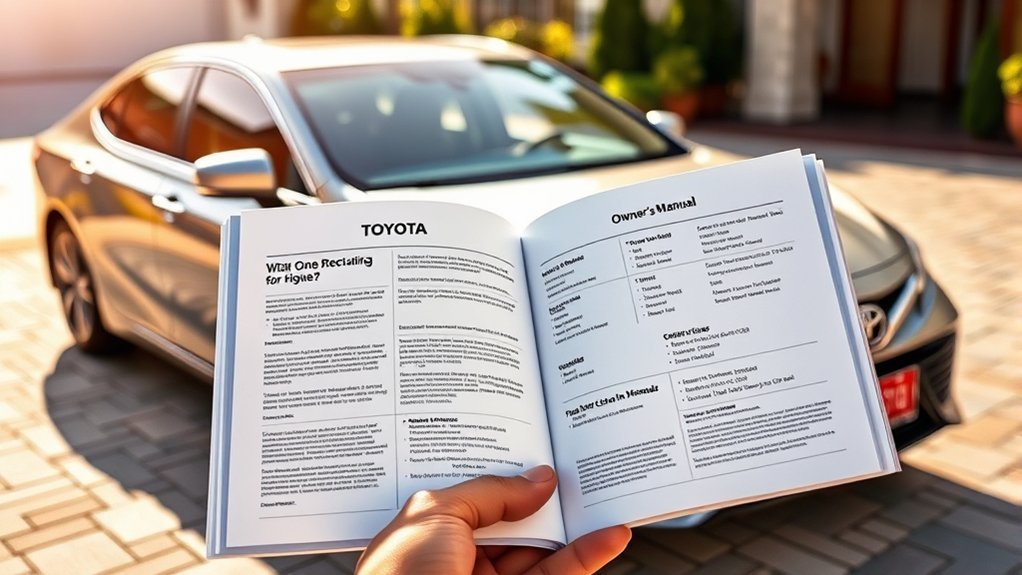
Your owner’s manual gives the most reliable fuel rule for your exact Toyota Camry. It accounts for your engine, model year, emissions system, and sales market.
Follow the manual before you follow advice from another driver. Two Camry models can use different labels, especially if one came from another country.
Use the minimum octane rating listed in your owner’s manual as your fuel baseline.
- Best performance: The manual shows the fuel your engine was designed to use.
- Knock prevention: Correct octane helps prevent pinging under normal conditions.
- Lower cost: You avoid paying for premium fuel your engine doesn’t need.
- Better decisions: You can compare AKI and RON labels more safely.
- Longer life: Correct fuel and routine service help protect the engine.
If you lost the paper manual, check Toyota’s owner resources or contact a Toyota dealer with your vehicle identification number (VIN).
Frequently Asked Questions
What Octane Gas Does a Toyota Camry Take?
Most Toyota Camry models sold in the United States take regular unleaded fuel rated 87 AKI or higher. Check your owner’s manual because fuel labels and requirements can vary by market.
What Happens if I Put Premium Gas in My Camry?
Premium gas will not hurt a standard Camry that only requires regular fuel. But it usually won’t improve power, mileage, or engine life enough to justify the higher cost.
Is the Toyota Camry 91 or 95?
That depends on the fuel rating system in your country. In the United States and Canada, most Camry models use 87 AKI or higher, while other countries may list fuel as RON, where the number often looks higher.
Can I Use 89 Octane in a Toyota Camry?
Yes, you can usually use 89 AKI fuel if your Camry allows 87 AKI or higher. It may help if you hear light knock under load, but most drivers won’t need it.
What Should I Do if My Camry Knocks on 87 Octane?
Try fuel from a trusted station first, then listen for knock again. If the noise continues, have a mechanic check spark plugs, sensors, cooling issues, and carbon buildup.
Conclusion
Your Toyota Camry usually runs best on the fuel Toyota lists in the owner’s manual. For most U.S. models, that means regular unleaded fuel with an 87 AKI rating or higher. Use premium only when your manual requires it or a technician recommends it for a real knock issue. Before your next fill-up, check the manual once and use that number with confidence.
References
- Toyota Warranty and Owner’s Manuals — Toyota Motor Sales, owner documentation
- Selecting the Right Octane Fuel — U.S. Department of Energy and U.S. Environmental Protection Agency
- Gasoline Explained: Octane in Depth — U.S. Energy Information Administration