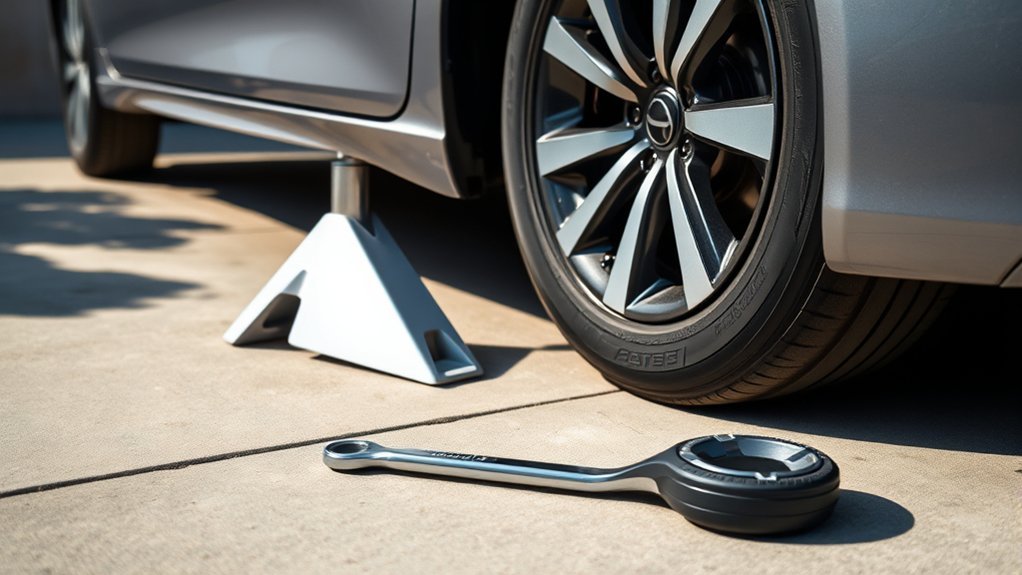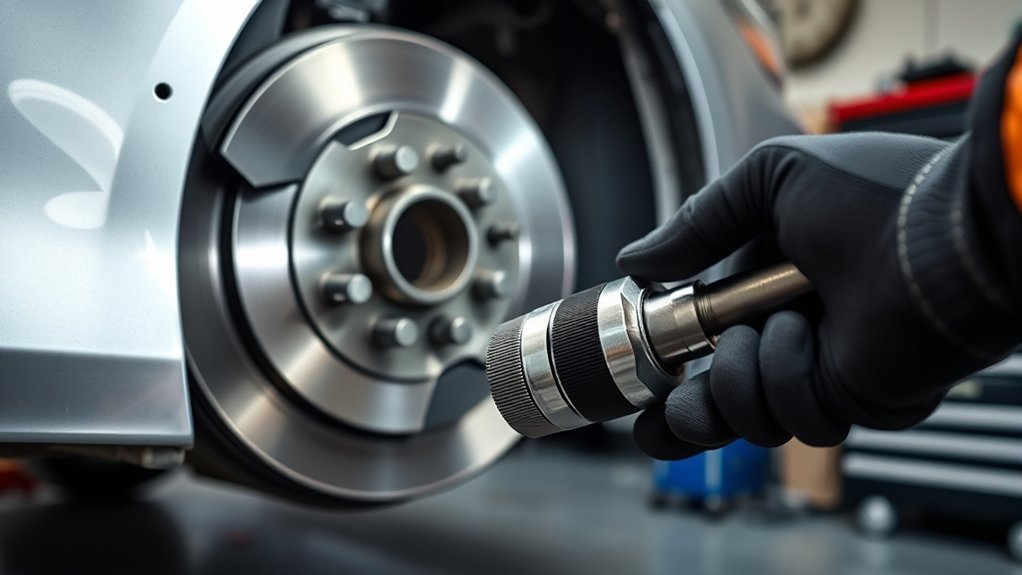
You’ll torque your 2011 Toyota Camry lug nuts to 76–80 ft‑lb (103 Nm) using a calibrated torque wrench and a star pattern to guarantee even clamping. Hand‑start each nut, snug in the pattern, then apply torque in two stages (about 50% then full). Use 76 ft‑lb as a safe baseline, up to 80 ft‑lb for aluminum wheels if the manufacturer allows. Recheck torque after the first 50–100 miles to verify preload and prevent issues; more specifics follow.
2011 Toyota Camry Lug Nut Torque : Quick Answer (76–80 Ft‑Lb)
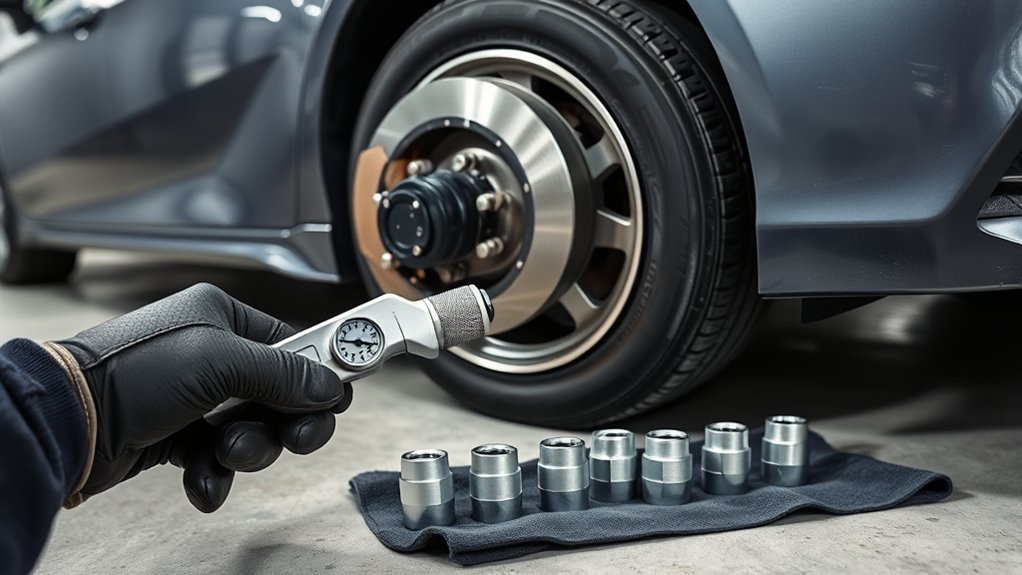
If you’re tightening lug nuts on a Toyota Camry (including the 2011 model), set your calibrated torque wrench to 76–80 ft‑lb and apply torque in a star pattern to each wheel; this guarantees even clamping, prevents wheel warp, and avoids the damage that comes from over‑ or under‑torquing. You’ll use a calibrated wrench to hit the spec precisely, since torque variations can introduce risk—loose lug nuts create movement, overtightening strips threads or stresses hubs. After installation, check torque again after 50–100 miles to confirm retention and guard against settling. While lug torque doesn’t substitute for proper wheel alignment, inconsistent torque can mimic alignment symptoms by allowing slight wheel shift under load; keep both procedures distinct but coordinated. Be deliberate: follow the spec, recheck early, and don’t exceed the range. That practical discipline preserves component integrity, maintains safety, and supports your autonomy as someone who takes control of vehicle reliability.
How to Torque Camry Lug Nuts (Tools, Star Pattern, Step‑by‑Step)
Gather the right tools and follow a methodical sequence: use a calibrated torque wrench set to 76 ft‑lb, a breaker or lug wrench to snug the nuts, and a torque extension or crowfoot if required; hand‑start each lug, snug in a star pattern, then apply the torque wrench to the final setting in the same star sequence, and recheck torque after 50–100 miles. You’ll work deliberately: inspect Lug Nut Types (steel, spline, open‑end) and choose compatible sockets to avoid rounding. Keep the torque wrench calibrated and clean so your Torque Applications stay accurate.
- Inspect wheel studs and lug nuts; hand‑start every nut, then snug in a star pattern to seat the wheel evenly.
- Set the calibrated torque wrench to 76 ft‑lb and tighten each nut in the same star sequence until it clicks; use a torque extension if clearance demands.
- Drive 50–100 miles, then recheck torque; maintain the wrench per manufacturer specs to preserve accuracy and safety.
Torque for Different Wheels: When to Use 76 Vs 80 Ft‑Lb
When choosing between 76 and 80 ft‑lb, consider wheel material first: aluminum wheels can tolerate slightly higher torque than steel. Always follow the vehicle or wheel manufacturer’s specified torque—manufacturer recommendation overrides general rules. After installation, re‑check torque after 50–100 miles to catch any seating or loosening.
Wheel Material Matters
Wheel material affects the clamping force you need, so don’t assume one torque fits all; Toyota specifies 76 ft-lbs for the 2011 Camry, but aluminum wheels often call for up to 80 ft-lbs due to their construction and seating characteristics. You want consistent wheel performance and torque accuracy, so match torque to material: steel wheels generally need less clamp, aluminum needs more to maintain seat and resist loosening. Use a calibrated torque wrench and a star pattern for even pressure.
- Inspect wheel type and seating surface before torquing; adjust expectation for aluminum vs steel.
- Stay within 76–80 ft-lbs; avoid overtorque that can crack aluminum.
- Re-torque after initial drive to confirm clamp and preserve your freedom to drive safely.
Manufacturer Recommendation Overrides
Even though Toyota specifies 76 ft-lbs for the 2011 Camry, you should default to the vehicle maker’s torque spec unless a wheel manufacturer explicitly calls for a different value. You’ll see torque discrepancies—some sources state 80 ft-lbs and many users prefer it for perceived security. Follow manufacturer guidelines: vehicle spec governs unless a wheel maker’s instructions override to prevent damage or safety hazards.
| Situation | Action |
|---|---|
| Toyota OEM wheel | Use 76 ft-lbs |
| Aftermarket aluminum wheel | Check wheel maker; likely higher |
| Conflicting community advice | Follow official guidelines |
| Post-tire change re-torque | Verify to spec, consider 80 only if approved |
Be decisive: prioritize published specs, document overrides, and free yourself from guessing.
Why Correct Torque Matters for Safety, Studs, and Rotors
Although it may seem minor, tightening lug nuts to the correct torque is critical to keep your Camry safe and its components intact; Toyota typically specifies about 76 ft‑lbs (check your model/year), and deviating from that can cause wheel detachment, stud failure, uneven tire wear, or rotor warping. You need to respect the safety implications and performance impact of torque control: correct torque secures the wheel, maintains clamping force, and preserves braking geometry.
Tighten lug nuts to Toyota’s spec (about 76 ft‑lbs) — correct torque prevents wheel failure, uneven wear, and rotor warping.
- Preventing failure: under‑torque allows wheel movement and wobble; over‑torque can stretch or break studs, degrading your ability to escape restrictive dependencies.
- Component longevity: uniform torque distributes load across the hub and studs, reducing cyclical stress that leads to premature fatigue and thread damage.
- Brake and tire health: correct clamping prevents uneven tire wear and rotor warping by keeping contact surfaces flat and heat transfer predictable.
Torque to spec, re‑check after driving, and you reclaim control over safety and reliability.
Common Mistakes and Fixes (Overtightening, Impacts, Stripped Threads)

If you over‑torque lug nuts—especially with an impact wrench—you risk stripping stud threads, stretching or breaking studs, and creating unsafe driving conditions, so always use a calibrated torque wrench and follow the 76 ft‑lb spec for a 2011 Camry. Don’t assume power tools equal correct torque; impact wrench precautions matter because they routinely exceed safe limits.
When you face overtightening consequences, inspect studs for rounded threads or visible stretching and replace damaged studs or nuts immediately. If a nut won’t seat, cross‑threading likely occurred—remove and chase threads or swap the stud. Use a torque wrench to snug in a star pattern to the specified value; that restores uniform clamping without masking damage.
Avoid reusing distorted nuts; they give false torque readings and weaken retention. If an impact tool was used, verify all lug nuts with a calibrated wrench before driving. These practical steps free you from avoidable failures and keep your Camry safe and reliable.
When to Recheck Camry Lug Nut Torque (After Install, 50–100 Miles)
After you install new wheels or tires, plan to re-torque the lug nuts after the first 50–100 miles to catch any settling that can loosen them. For the initial break-in you can also spot-check during the first 30–60 miles if you notice vibration or after driving on rough roads. Use a calibrated torque wrench and confirm the spec—typically 76 ft‑lbs—to guarantee safe, even clamping.
After 50–100 Miles
When you’ve driven 50–100 miles on newly installed wheels or tires, stop and recheck the lug nut torque to confirm none have loosened during initial settling. You’ll perform a focused lug nut maintenance check to catch settling-related loss of preload and prevent unsafe conditions. Use a calibrated torque wrench and target the Camry spec (typically 76 ft-lbs) during torque verification. Tighten as needed in a star pattern.
- Inspect: visually check wheel seating, brake rotor gaps, and fastener condition.
- Measure: use a calibrated torque wrench, apply 76 ft-lbs, verify each lug in a star pattern.
- Document: note torque values and corrective actions for ongoing maintenance and freedom from risk.
First 30–60 Miles
Because new wheels and lug studs can settle during initial driving, you should recheck torque within the first 30–60 miles to catch any early loss of preload. You’ll use a calibrated torque wrench and verify the typical Camry spec of 76 ft-lbs, following a star pattern to evenly redistribute clamping force. Initial settling often causes measurable relaxation of fastener preload; catching it early prevents escalation. Reinspect each lug, correct to spec, and note any repeat loosening—this flags stud, wheel, or hub issues. The safety implications are direct: unchecked loosening can lead to wheel detachment or uneven tire wear. Rechecking early is a small act of control that preserves safety and your vehicle’s freedom.
Reliable Sources and Torque‑Wrench Tips (Manual, Dealer, Calibration)
Although the owner’s manual usually lists your lug nut torque, it’s common to verify that number with the dealer’s service department or a reliable repair database before you torque the wheels. You’ll still cross-check dealer advice and independent sources to confirm the 2011 Camry spec (commonly 76 ft-lbs / 103 Nm) and note any documented variations. Use a calibrated torque wrench and follow a star pattern to guarantee even clamping and prevent rotor warp or thread damage.
- Calibrated tool: Recalibrate your torque wrench per manufacturer intervals, set to zero after use, and store it properly for sustained torque accuracy.
- Procedure: Hand-start lug nuts, snug in a star sequence, then apply final torque in two steps—about 50% then 100%—to minimize seating stress.
- Verification: After 30–60 miles, recheck torque; if you feel abnormal vibration, retorque and contact a trusted shop for inspection.
Liberate yourself with precise, safe wheel work.
Frequently Asked Questions
Can I Use Aftermarket Lug Nuts With Different Torque Specs?
Yes — you can use aftermarket lug nuts, but you’ll check aftermarket compatibility and lug nut materials, match thread and seat type, and adjust torque accordingly; do this to stay safe, free, and in control on the road.
Do Torque Specs Change With Wheel Spacers Installed?
About 80% of failures stem from improper preload; yes, torque specs can change with wheel spacer installation. You’ll adjust torque per spacer thickness, hub-centric fit, and recheck torque wrench calibration to keep wheels secure and liberated.
Is Torque Different for Aluminum Vs Steel Wheels?
Yes — you’ll use slightly different torque for aluminum vs steel wheels; lug nut materials and wheel installation affect clamping needs, so follow manufacturer specs, avoid over‑torqueing, and torque in a star pattern for safe, liberated driving.
Can I Rely on an Impact Wrench if I Retorque Later?
Yes — you can trust an impact wrench for initial tightening if you retorque later; impact wrench reliability varies, so retorque necessity remains critical to guarantee correct torque, prevent stress, and maintain freedom from roadside breakdowns.
What Torque for a Spare Donut or Emergency Wheel?
Grip like you’re holding a rocket: torque the spare tire lug nuts to 60–80 lb·ft (consult your vehicle). You’ll follow safety precautions, tighten evenly in a star pattern, and retorque after driving briefly.
Conclusion
You’ve got the numbers: 76–80 ft‑lb is the right range for your 2011 Camry. Think of torque like tightening a piano string—too loose and it buzzes, too tight and it snaps; I once overtightened a neighbor’s lug and warped the rotor, costing $300 to fix. Use a calibrated torque wrench, follow the star pattern, and recheck after 50–100 miles to keep wheels secure and avoid costly mistakes.