2018-2024 Toyota Camry Wheel Fitment Guide
What’s in This Article
- Quick Fitment Answers for 2018-2024 Camry
- Stock Wheel and Tire Specs for 16-19 Inch Camry Sizes
- Wheel Diameters, Widths, and Offsets That Fit
- Tire Sizes That Balance Ride, Speedometer, and Clearance
- Offset, Backspacing, and Rubbing Checks
- Suspension Options That Change Fitment
- Real-World Camry Builds and Proven Setups
- Buying Checklist for Wheels, Tires, and Install Parts
- Common Fitment Mistakes and Clearance Tests
- Frequently Asked Questions
Wheel fitment can look simple until one wrong offset or tire height causes rubbing, vibration, or poor steering feel. You’ll get the safest results on a 2018-2024 Toyota Camry by matching the 5×114.3mm bolt pattern, using the right tire diameter, and checking clearance before final install. This guide explains the stock sizes, safe upgrade ranges, offset choices, suspension effects, and the checks you should make before you buy.
Quick Fitment Answers for 2018-2024 Camry
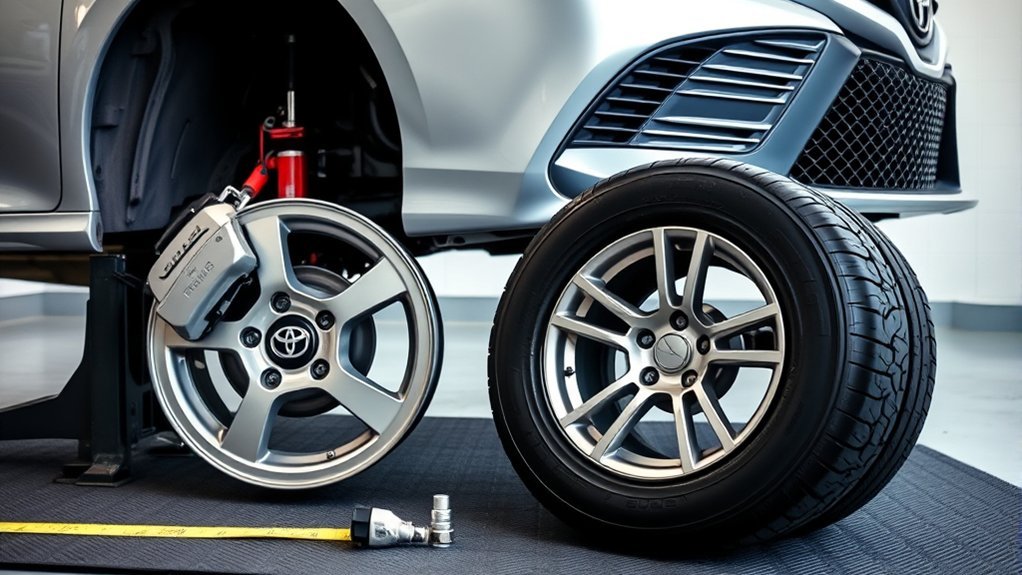
For most 2018-2024 Camry models, start with the 5×114.3mm bolt pattern, a 60.1mm center bore, and factory tire sizes such as 205/65R16, 215/55R17, 235/45R18, and 235/40R19 on select trims. Factory-style offsets usually sit near +40 to +50mm, depending on wheel size and trim. Many mild aftermarket setups use 18-19 inch wheels with 235-245mm tires, but you still need the right offset, load rating, and tire diameter.
Keep your new tire diameter close to the original tire size for your trim. A common 235/40R19 tire measures about 26.4 inches tall, while a 235/45R18 tire measures about 26.3 inches tall. A much taller tire can change your speedometer reading and may rub during steering or suspension travel.
Key Takeaways
- Use the 5×114.3mm bolt pattern and confirm the 60.1mm center bore before you order wheels.
- Stay close to your factory tire diameter to protect speedometer accuracy and clearance.
- Choose offsets near OEM range for daily use, especially if you want to avoid fender work.
- Test fit wheels before final mounting when you use wider tires, lower suspension, or aggressive offsets.
- Check load rating, tire pressure monitoring system fitment, lug nut seat style, and brake clearance.
Stock Wheel and Tire Specs for 16-19 Inch Camry Sizes
The 8th-generation Toyota Camry uses several factory wheel and tire packages. Common stock sizes include 16×6.5 wheels with 205/65R16 tires, 17×7.5 wheels with 215/55R17 tires, 18×8 wheels with 235/45R18 tires, and 19×8 wheels with 235/40R19 tires on select trims. These sizes help keep ride quality, steering response, braking behavior, and speedometer readings within Toyota’s intended range.
The bolt pattern is 5×114.3mm, which also appears as 5×4.5 inches. You should treat that as a hard fitment rule. You also need a wheel that works with the 60.1mm center bore, M12x1.5 lug hardware, and the correct lug seat style for your wheel.
Stock-style offsets usually range from about +40mm to +50mm. Smaller numbers push the wheel outward. Larger numbers pull the wheel inward. Either direction can create problems if the wheel width, tire width, or suspension setup does not match.
Wheel Diameters, Widths, and Offsets That Fit
You can usually run 16-19 inch wheels on a 2018-2024 Camry when you match the wheel, tire, and offset to your trim. For daily driving, 18-inch wheels often give you the best balance of ride comfort, tire cost, and steering response. A 19-inch setup gives the car a sharper look, but the shorter sidewall can make the ride firmer.
| Diameter (in) | Typical Width (in) | Daily-Use Offset Range (mm) |
|---|---|---|
| 16 | 6.5-7.5 | +38 to +45 |
| 17 | 7-8 | +40 to +50 |
| 18 | 7.5-8.5 | +38 to +50 |
| 19 | 8-8.5 | +35 to +50 |
| Aggressive | 8.5-9.5 | Test fit required |
A wheel width up to 8.5 inches gives most owners enough room for a clean fit. Wider setups can work, but they need more care. You may need extra camber, rolled fenders, a lower-profile tire, or a different offset to avoid rubbing.
Note: Wheel brand, spoke shape, and brake design can change clearance even when the listed size looks correct.
Tire Sizes That Balance Ride, Speedometer, and Clearance
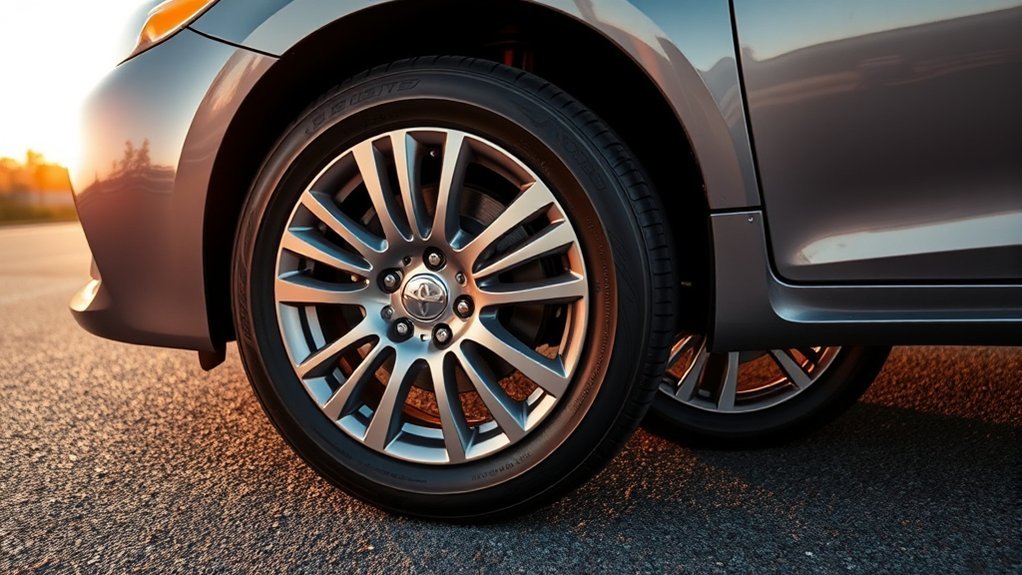
Tire size affects ride comfort, grip, fender clearance, and speedometer accuracy. Your safest move is to keep the overall tire diameter close to your factory tire size. Most 2018-2024 Camry factory tire sizes sit near 26.3 to 26.4 inches tall.
A 235/40R19 tire works well on many 19-inch Camry setups because it stays close to the factory diameter. A 235/45R18 tire also stays close and gives you more sidewall than a 19-inch tire. A 235/45R19 tire grows to about 27.3 inches tall, so it raises the risk of speedometer error and rubbing.
Ride Quality vs Height
You improve comfort when you use more sidewall, but you must keep tire height under control. A taller sidewall can soften rough roads and protect wheels from potholes. It can also rub if the tire grows too tall or too wide.
For a mild street setup, 235/45R18 and 235/40R19 make more sense than oversized tires. If you want a wider 245mm tire, choose the sidewall and offset carefully. You should also check clearance at full steering lock and over bumps.
Speedometer Accuracy Impact
Your Camry calculates speed and distance based on wheel rotation. A taller tire travels farther per rotation, so your speedometer can show a lower speed than your actual speed. A shorter tire does the opposite.
Many tire fitment calculators use a 3% diameter difference as a common upper limit, but a smaller difference gives you a safer margin. For best results, compare your new tire with the exact factory tire size from your driver-side door label. You should also match or exceed the original load index.
Clearance and Rubbing
Rubbing often comes from a mix of tire width, tire height, wheel offset, ride height, and alignment. A 245mm tire can fit many Camry setups, but a 255mm tire needs more care. You should not assume it fits just because another owner used a similar size.
Check the inner fender liner, strut side clearance, brake caliper clearance, and outer fender lip. Lowering springs and coilovers reduce the space you have during compression. That makes a physical test fit more important.
Offset, Backspacing, and Rubbing Checks
Offset tells you how far the wheel mounting surface sits from the wheel centerline. A lower positive offset pushes the wheel outward. A higher positive offset pulls the wheel inward toward the suspension.
Backspacing tells you how much room the wheel uses inside the wheel well. You need enough inner clearance for the strut, spring perch, brake parts, and fender liner. You also need enough outer clearance so the tire does not hit the fender during steering or suspension movement.
Offset vs Wheel Position
Start with a wheel offset close to the OEM range if you want a simple, clean fit. A 19×8 or 19×8.5 wheel often works best with a moderate positive offset. A very low offset can look aggressive, but it can also push the tire into the fender lip.
Do not judge offset by appearance alone. Wheel width changes the final position too. A wider wheel with the same offset sits farther inward and outward than a narrower wheel.
Backspacing and Clearance
Backspacing matters because inner clearance can get tight before the outer fender shows a problem. A wheel with too much backspacing can contact the strut or inner liner. A wheel with too little backspacing can poke outside the fender and rub the outer lip.
You can use an offset calculator before buying, but you should still test fit the wheel on the car. Brake caliper shape, tire brand, and alignment settings can change the final result. Small changes can make a setup rub.
Fender Rubbing Prevention
You prevent rubbing by choosing a tire diameter close to stock, keeping wheel width modest, and using an offset that suits the wheel width. You should check clearance with the steering wheel turned both ways. You should also check the tire under load, not only while the car sits in the air.
If you lower the car, get an alignment after the suspension settles. Poor toe settings can wear tires fast. Too much negative camber can also reduce tire life on a daily driver.
Warning: Do not drive hard on a new setup until you confirm brake clearance, steering clearance, and fender clearance.
Suspension Options That Change Fitment (Springs, Coilovers, Air)
Suspension changes affect wheel fitment because they change ride height, suspension travel, and alignment. Lowering springs drop the car by a fixed amount and usually cost less than coilovers. They can improve stance, but they give you less control over the final height.
Coilovers give you more adjustment. You can tune ride height and, on many kits, damping. That control helps you dial in clearance, but it also means you need careful setup and alignment.
Air suspension gives you adjustable ride height for show use and driveway clearance. It adds more parts and more complexity than springs or coilovers. Stock suspension remains the safest choice if you want factory comfort, simple maintenance, and predictable tire wear.
Real-World Camry Builds and Proven Setups
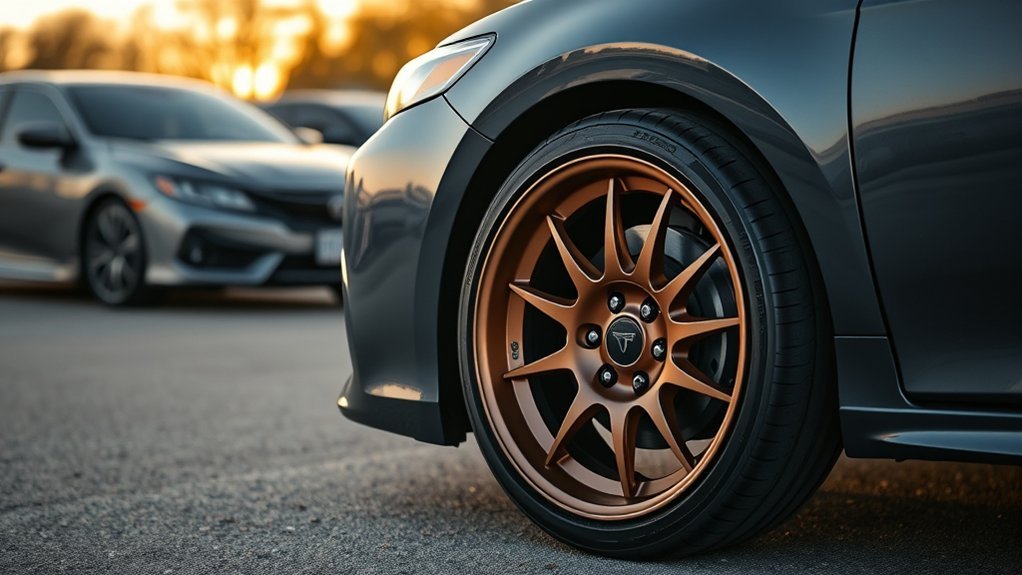
Real Camry builds show a clear pattern. Mild setups often use 18×8 to 18×8.5 wheels with 235/45R18 or 245-series tires. Many 19-inch setups use 19×8 to 19×8.5 wheels with 235/40R19 or 245/35R19 tires.
Some gallery builds use more aggressive sizes, such as 20-inch wheels, 9-inch widths, or lower offsets. Those setups can look bold, but they need better measurement, careful alignment, and sometimes fender changes. You should treat them as custom fitments, not universal plug-and-play choices.
For a daily driver, stay conservative. Choose 18-19 inch wheels, keep the tire diameter near stock, and avoid extreme poke. That gives you a cleaner install with fewer ride and rubbing problems.
Buying Checklist: What to Order, Mounting, Balancing, Financing
Start by confirming the exact tire size on your driver-side door placard. Then choose wheels that match the 5×114.3mm bolt pattern, 60.1mm center bore needs, correct lug hardware, and a safe offset range. Order tires with the right size, load index, speed rating, and seasonal type for your driving conditions.
| Item | Purpose | What You Should Check |
|---|---|---|
| Wheels | Fitment and strength | Bolt pattern, offset, bore, width |
| Tires | Grip and ride quality | Size, load index, speed rating |
| Mounting | Proper bead seat | Use a qualified tire shop |
| Balancing | Vibration control | Request dynamic balancing |
| TPMS | Tire pressure alerts | Confirm sensor fit and programming |
| Lug nuts | Safe wheel mounting | Match thread and seat style |
Ask the shop to inspect brake clearance before final mounting. You should also ask for the final torque value and recheck lug nut torque after the first short drive if your wheel maker or installer recommends it. Financing options can help with cost, but fitment accuracy matters more than payment terms.
Common Fitment Mistakes and How to Test Clearance Before You Buy
The most common mistake is buying by diameter alone. A 19-inch wheel can still fit poorly if the width, offset, tire size, or bore does not match your car. You also create problems when you ignore load rating or use the wrong lug nut seat.
Before final install, mount one front wheel and one rear wheel for a test fit. Turn the steering wheel fully left and right. Check the tire near the fender liner, strut, spring perch, brake caliper, and outer fender lip.
Test the setup with the car on the ground whenever possible. Suspension compression can reveal rubbing that you cannot see while the car sits on a lift. If you use coilovers or lowering springs, repeat the test after alignment.
Pro tip: Take photos and notes during the test fit so you can compare changes after alignment or tire swaps.
Frequently Asked Questions
What Is the Pattern for Tire Rotation on a Toyota Camry?
For many front-wheel-drive Camry models, you move the front tires straight to the rear and cross the rear tires to the front. If your tires are directional, keep them on the same side and move them front to rear. Always follow the owner’s manual and tire maker instructions for your exact tire type.
What bolt pattern does a 2018-2024 Toyota Camry use?
The 2018-2024 Toyota Camry uses a 5×114.3mm bolt pattern, also shown as 5×4.5 inches. You should not install wheels with a different bolt pattern unless a qualified shop confirms a safe adapter setup.
Can you put 19-inch wheels on a Toyota Camry?
Yes, many 2018-2024 Camry trims use or accept 19-inch wheels when the tire size and offset match the car. A common stock-style 19-inch tire size is 235/40R19. You still need to check brake clearance, fender clearance, and load rating.
What tire size works best for a daily-driver Camry?
For a daily driver, 235/45R18 offers a strong balance of comfort, cost, and control on many 18-inch setups. If you prefer 19-inch wheels, 235/40R19 keeps the diameter close to stock on trims that came with 19-inch wheels.
Do lowering springs change wheel fitment?
Yes, lowering springs reduce suspension travel and can make tire clearance tighter. You should test fit again after lowering the car and complete an alignment after the springs settle.
Final Fitment Advice for Your Camry
The safest Camry wheel setup starts with factory specs, then changes one variable at a time. Match the bolt pattern, center bore, offset, tire diameter, and load rating before you focus on style. Test fit the setup before you commit to driving on it every day. A clean, measured fitment gives your Camry better stance without ruining comfort, safety, or tire life.
References
- What Wheels and Tires Best Fit an Eighth Generation Toyota Camry? — Fitment Industries, 2025
- 2024 Toyota Camry Wheel and Tire Sizes — Wheel-Size.com, 2026
- 2024 Toyota Camry Tire Sizes by Trim — SimpleTire, 2026
- Tire Size and Speedometer Accuracy — Discount Tire, 2025
- How to Do a Tire Rotation at Home — Toyota of Louisville, 2026