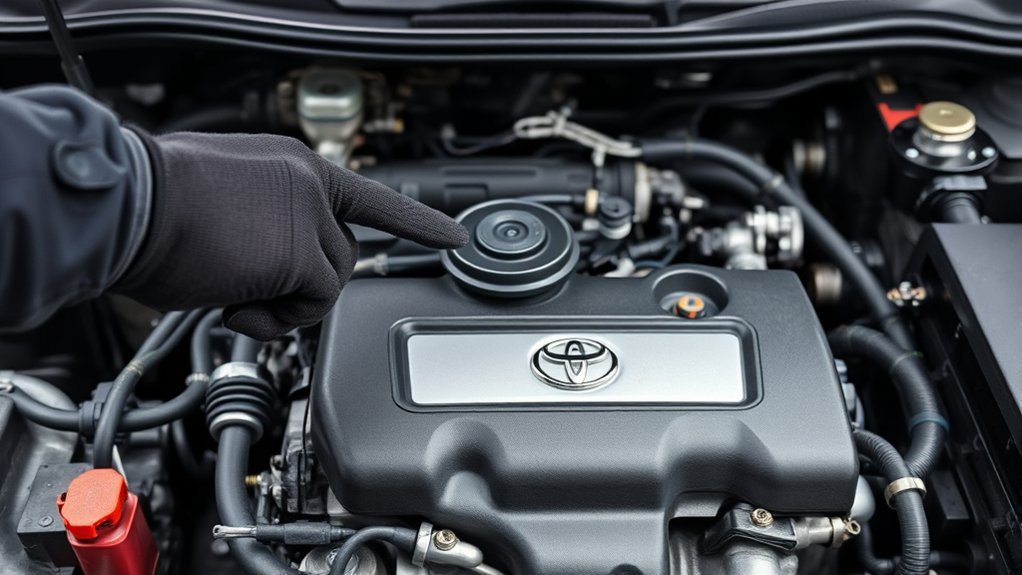
A Toyota Camry Hybrid stays reliable when you treat maintenance as a simple routine, not a last-minute repair plan. Start with a short walkaround, follow the Toyota maintenance guide for your exact model year, and act fast when warning lights or unusual sounds appear. This guide gives you a practical Camry Hybrid maintenance checklist, common service intervals, battery care tips, warranty facts, and dealer visit signals.
What’s in This Article
Quick Answer
Check your Camry Hybrid every 5,000 miles or 6 months, whichever comes first. Rotate tires, inspect brakes, check fluids, and follow the oil change interval in your Toyota Warranty and Maintenance Guide. Keep the hybrid battery cooling intake clean, and visit a Toyota dealer if you see a hybrid system warning, sudden fuel economy drop, or unstable battery charge display.
Key Takeaways
- Follow Toyota’s maintenance guide for your exact Camry Hybrid year and driving conditions.
- Rotate tires and inspect key systems about every 5,000 miles or 6 months.
- Change engine oil and the oil filter at the interval your manual lists for normal or severe service.
- Keep the hybrid battery cooling intake clear of dust, lint, and pet hair.
- Save dated service records to support warranty claims and resale value.
Quick Camry Hybrid Maintenance Checklist (5 to 10 Minutes)
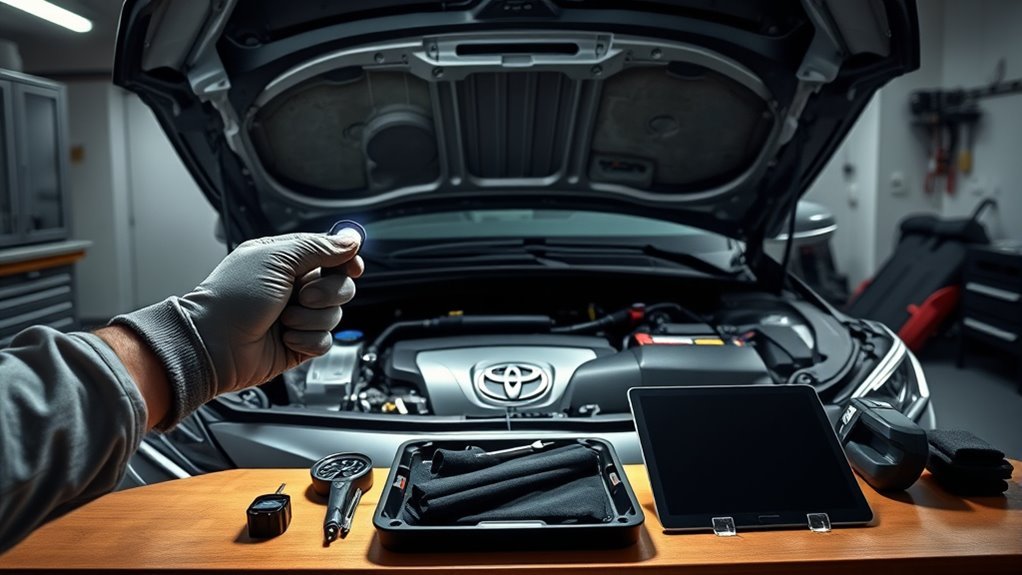
Start with a quick, focused walkaround that takes about 5 to 10 minutes. Look under the car for fresh leaks, check under the hood for loose caps, and confirm that no warning lights stay on after startup. Listen for new rattles, grinding, or high-pitched sounds.
Check tire pressure against the driver’s door placard, not the number printed on the tire sidewall. Correct pressure helps fuel economy, tire life, and braking feel. Make sure the hybrid battery air intake area stays clear, especially if you carry pets or drive in dusty areas.
Write down the date, mileage, and anything unusual. A simple maintenance log helps you spot patterns before small issues become expensive repairs.
Pro tip: Take one photo of your odometer during each check so your service log stays easy to verify.
Routine Checks Every 5,000 to 10,000 Miles (Oil, Fluids, Tires, Brakes)
Toyota maintenance plans often use 5,000-mile or 6-month checkpoints for inspections, tire rotation, and basic service items. Your exact oil change interval depends on model year, oil type, and driving conditions. Use your Toyota Warranty and Maintenance Guide as the final source for your car.
At routine service, check these items:
- Rotate tires and inspect tread depth.
- Check engine oil level and condition.
- Inspect brake pads, discs, lines, and pedal feel.
- Check engine coolant, inverter coolant, brake fluid, and washer fluid.
- Inspect wiper blades, exterior lights, and the driver’s floor mat.
- Look for leaks from sealed drivetrain parts.
Hybrid brakes can last a long time because regenerative braking reduces friction brake use. You still need regular brake checks because corrosion, uneven wear, and fluid issues can affect safety.
Camry Hybrid Service Intervals: 30k, 60k, and 120k Explained
Major service points help your Camry Hybrid stay safe and efficient as mileage grows. The items below give you a practical planning view, but your owner’s guide controls the final schedule.
- 30,000 miles: Inspect fluids, brakes, tires, steering parts, suspension parts, filters, and hybrid cooling intake items listed for your model.
- 60,000 miles: Repeat the required inspections, replace service items due by age or mileage, and ask the shop to review hybrid system health if symptoms appear.
- 120,000 miles: Inspect major engine, brake, cooling, steering, suspension, and hybrid system items. Replace spark plugs only when your specific guide lists them.
- Severe driving: Short trips, heavy idling, dusty roads, extreme heat, and heavy loads can shorten some service intervals.
- Records: Keep receipts, inspection notes, and repair orders in one folder.
Don’t treat mileage alone as the only trigger. Time matters too, so follow the months listed in your Toyota maintenance guide when you drive fewer miles.
Camry Hybrid Battery: Inspections, Cooling Filter, Lifespan
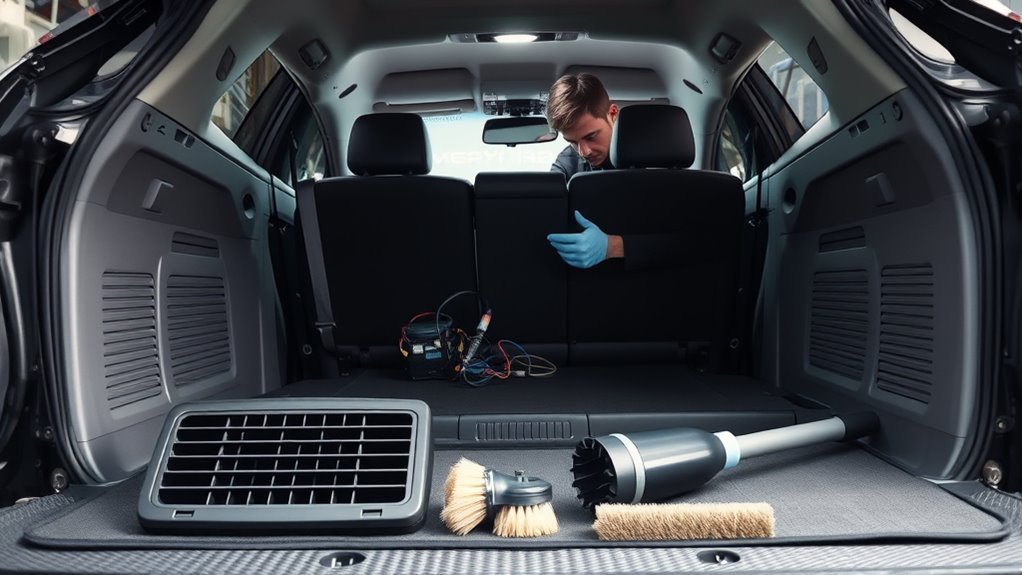
The Camry Hybrid uses a high-voltage traction battery, so you should leave battery pack service to trained technicians. You can still help battery health by keeping the cabin air path and battery cooling intake clean. A blocked intake can reduce airflow and raise battery temperature.
Watch for symptoms like a sudden fuel economy drop, fast battery gauge swings, warning messages, or weak hybrid performance. These signs don’t always mean the battery has failed, but they do justify a diagnostic check. Toyota supports every Toyota Hybrid battery with a 10-year or 150,000-mile limited warranty, whichever comes first, subject to warranty terms.
Many hybrid batteries last well beyond 100,000 miles, but lifespan varies by heat, driving use, age, and maintenance. Car and Driver reports that hybrid batteries commonly last about 100,000 to 200,000 miles. Treat that range as a general expectation, not a guarantee.
Warning: Do not touch orange high-voltage cables or open the hybrid battery pack yourself.
Brakes, Tires, and Regenerative Braking Maintenance Tips
Your Camry Hybrid blends regenerative braking with regular friction brakes. That system can feel smooth when everything works well, but tire wear, brake wear, and fluid issues can still affect stopping distance. Inspect brakes and tires on a steady schedule.
- Check brake pads and rotors at routine service visits.
- Listen for squealing, grinding, scraping, or clicking sounds.
- Check tire pressure when tires remain cold.
- Rotate tires about every 5,000 miles unless your guide says otherwise.
- Ask for a brake inspection if the pedal feels soft, rough, or uneven.
Good tire care supports fuel economy and stable regenerative braking. It also helps the car track straight during hard stops.
Costs, Warranty Coverage, and When to See a Dealer
Maintenance costs vary by region, driving style, shop rates, and repair history. CarEdge estimates that a Toyota Camry costs about $4,580 for maintenance and repairs during the first 10 years. Use that number as a planning estimate, not a fixed price for your car.
See a Toyota dealer or qualified hybrid technician when you get a hybrid system warning, sudden fuel economy loss, coolant warning, braking concern, or battery performance change. Dealer service also helps when you need warranty diagnostics or software-related checks.
Warranty Coverage Details
Toyota states that every Toyota Hybrid battery has 10-year or 150,000-mile limited warranty coverage, whichever comes first. Toyota also notes that every new Toyota vehicle has 36-month or 36,000-mile new vehicle limited warranty coverage, subject to warranty terms.
Coverage can vary by market, model year, emissions rules, and warranty guide details. Check your VIN, your in-service date, and your local warranty booklet before you assume coverage applies.
- Keep clear, dated inspection and repair records.
- Save receipts for oil, filters, tires, brakes, and dealer diagnostics.
- Record warning lights, warning messages, and mileage.
- Use Toyota-approved fluids and parts when the guide requires them.
- Request written estimates before major repairs.
When To Visit a Dealer
Visit a dealer when the car shows a hybrid system warning, brake warning, coolant warning, or sudden performance change. You should also schedule service if the battery gauge moves up and down much faster than normal. Fast action can prevent a minor fault from causing more damage.
Ask the dealer to scan for diagnostic trouble codes and inspect the related hybrid, brake, and cooling systems. Bring your service records so the advisor can see your maintenance history. Written records make warranty conversations easier.
Frequently Asked Questions
What Is the Maintenance Schedule for a Toyota Camry Hybrid?
Use your Toyota Warranty and Maintenance Guide for the exact schedule. In general, you should plan service checkpoints about every 5,000 miles or 6 months, with tire rotation, inspections, fluid checks, and oil service when due.
Why Is My Toyota Camry Saying Maintenance Required?
Your Camry’s “maintenance required” message usually means scheduled service has come due. It often points to routine maintenance, not an emergency, but you should check your mileage and schedule service soon.
What Routine Maintenance Is Required for a Hybrid Car?
A hybrid car still needs engine oil service, tire rotation, brake checks, fluid checks, filter service, and regular inspections. You also need to keep hybrid battery cooling vents clean and respond quickly to warning messages.
What Is the Check Hybrid System Warning on a Toyota Camry?
The “Check Hybrid System” warning means the hybrid control system detected a fault. Stop guessing and book a diagnostic scan, especially if the car loses power, fuel economy drops, or the battery gauge acts unusual.
How Often Should You Clean the Hybrid Battery Cooling Intake?
Check the intake regularly, especially if you drive with pets, dust, lint, or heavy cabin debris. Clean it when you see buildup, and follow the cleaning or replacement steps in your owner’s manual.
Conclusion
A Camry Hybrid maintenance plan works best when you keep it simple and consistent. Check the car often, follow Toyota’s guide, and fix warning signs before they grow into larger repairs. Pay extra attention to tires, brakes, fluids, and the hybrid battery cooling intake. With good records and timely service, you give your Camry Hybrid a better chance to stay safe, efficient, and dependable for years.
References
- All-Electric and Hybrid Battery Warranty — Toyota, 2026
- Toyota Manuals and Warranties — Toyota Owners, 2026
- Toyota Camry Maintenance Schedule and Costs — CarEdge, 2026
- What’s the Average Life of a Hybrid Car’s Battery? — Car and Driver, 2026
- A Video Guide To Hybrid Battery Fan Filters — Olathe Toyota Parts Center, 2026