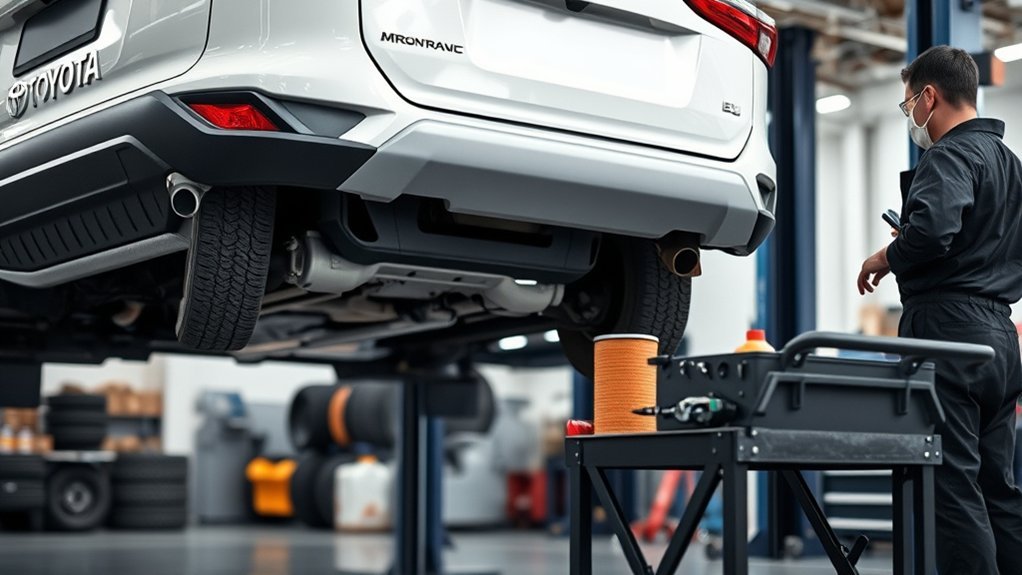
If you drive your RAV4 in severe conditions—short trips, stop‑and‑go, towing, extreme temperatures, or steep hills—you should shorten service intervals and use Toyota‑specified 0W‑20 full synthetic. Change oil and the filter every 5,000–7,500 miles, monitor oil color/level, and inspect brakes, tires, hybrid systems, coolant, transmission fluid, and cabin filter more often. Rotate tires and check alignment regularly, fit winter tires when cold, and watch for warning lights or noises; keep going for detailed checklists and service questions.
Shorten RAV4 Oil Intervals for Severe Driving: Top-Line Guidance

When you drive a RAV4 under severe conditions—frequent short trips, heavy stop-and-go traffic, towing, or hilly routes—shorten oil change intervals to roughly every 5,000–7,500 miles rather than the 10,000-mile schedule for ideal use. You’ll protect engine longevity by responding to accelerated oil breakdown from heat cycles and contamination. Check oil level and condition regularly; dark, gritty oil or low level demands action. Use high-quality 0W‑20 as Toyota specifies, but be mindful: oil additives can mask symptoms while altering viscosity and filter performance, so rely on measured oil condition rather than guarantees. Monitor engine diagnostics for misfires, sluggish throttle response, or warning codes—these signs often precede mechanical decline tied to degraded lubricant. Adjust service intervals proactively; waiting risks efficiency loss and costly repairs. You’re entitled to freedom from preventable failure, so set conservative maintenance targets, document inspections, and act on diagnostic data to keep your RAV4 robust under severe use.
[Products Worth Considering]

Protect your Toyota RAV4 interior with this custom‑fit windshield sun shade that blocks 99% of harmful UV rays and reduces cabin heat. The mirror cut‑out ensures a seamless fit without gaps, while durable 240T polyester and bendable wire keep it sturdy through repeated use. Foldable and stored in a convenient pouch, it offers easy installation and removal for everyday comfort.

The Autovir windscreen shade offers full windshield coverage for Toyota RAV4 models from 2019 to 2026, blocking up to 99.95% of UV rays and reducing interior heat. Its multi‑layer reflective material provides SPF 100 and UPF 80+ protection while keeping the dashboard, seats, and steering wheel cooler. The foldable design installs quickly and stores conveniently in the glove box, and reinforced stitching ensures long‑lasting durability for daily use.

The Autorder windshield sun shade umbrella provides full coverage for Toyota RAV4 models from 2019 to 2026, blocking heat and UV rays with its advanced ice crystal material. Its ten reinforced skeletons and anti‑puncture edges ensure durability and stability, while the effortless umbrella‑style deployment and compact storage bag make it convenient for everyday use. Keep your car interior cool and protected from sun damage with this easy‑setup, high‑performance sunshade.
How Toyota’s 0W‑20 / 10,000‑Mile Baseline Works
You’ll use 0W‑20 full synthetic to guarantee cold-start flow and long-term film strength, which is why Toyota specifies it as the baseline. The 10,000‑mile or 12‑month interval assumes mild driving and favorable climate, but that schedule isn’t universal. If you encounter frequent short trips, stop‑and‑go traffic, steep grades, or extreme temperatures, shorten service to roughly 5,000–7,500 miles and watch for dark, gritty oil or sluggish engine response.
0W‑20 Oil Basics
Oil specification matters: Toyota prescribes 0W‑20 full synthetic and sets a 10,000‑mile/12‑month change interval under normal driving because that viscosity gives rapid cold flow (0W) and stable high‑temp protection (20), optimizing wear control and fuel efficiency. You should treat 0W‑20 as a calibrated tool: its oil viscosity range guarantees immediate lubrication at start‑up and consistent film strength at operating temperature, which directly supports engine protection and longevity. Under harsher use you’ll monitor oil quality and levels more frequently because contamination and thermal breakdown accelerate. Choose genuine or equivalent full synthetic 0W‑20 to preserve designed clearances and emissions performance. Stay proactive—your freedom on the road depends on strict adherence to the specification and disciplined inspection.
10,000‑Mile Recommendation
Start with Toyota’s baseline: they specify 0W‑20 full synthetic and set a 10,000‑mile/12‑month change interval under normal driving because that viscosity maintains cold-start flow and high‑temp film strength without accelerated degradation. You should follow that baseline to maximize engine longevity and performance; 0W‑20 preserves clearances and reduces wear across temperature ranges. Check oil and other fluid levels every 5,000 miles as a rule to catch leaks or consumption before they escalate. Maintain correct tire pressure and monitor coolant, brake, and transmission fluids to keep systems balanced and responsive. If you value freedom from breakdowns, treat the 10,000‑mile interval as the measured default and the 5,000‑mile inspections as your active defense against stress and reduced performance.
When To Shorten Interval
Although Toyota’s 0W‑20 and 10,000‑mile/12‑month interval suits many drivers, you should shorten that interval when operating under severe conditions—stop‑and‑go city traffic, frequent towing, steep grades, or extreme heat/cold—because those factors accelerate oil contamination and thermal breakdown. You’ll want to cut service to roughly 5,000–7,500 miles in those scenarios. In places with heavy traffic or wide temperature swings, like Knoxville, degradation is faster; adapt proactively rather than trusting oil change myths that claim base intervals are universal. Check oil and fluids every 5,000 miles, follow practical maintenance tips, and document service. Doing so preserves performance, prevents long‑term wear, and frees you from avoidable failures—practical liberty achieved through disciplined, condition‑based maintenance.
Which Conditions Count as “Severe” for Your RAV4?
If you mostly take short trips under 5 miles or sit in stop‑and‑go traffic, your engine won’t reach ideal temperature and oil contaminants build up faster, so you’ll need tighter service intervals. Similarly, frequent exposure to extreme heat or cold accelerates oil breakdown and stresses seals, batteries, and electronics, calling for proactive checks. Factor these conditions into your maintenance schedule to preserve performance and avoid premature wear.
Short Trips & Idling
One common cause of accelerated oil wear is repeated short trips and prolonged idling, which keep the engine below ideal operating temperature and promote condensation, fuel dilution, and sludge formation. You’ll notice that frequent short trips and extended idling create measurable engine stress, accelerating oil degradation and compromising lubrication. If you drive stop-and-go or park-and-run in Knoxville’s hills, the added workload multiplies stress and qualifies as severe use. Under these conditions, cut your oil-change interval to about 5,000–7,500 miles versus the 10,000-mile nominal recommendation. Monitor the oil change light and watch for performance changes—reduced responsiveness, unusual deposits, or increased oil consumption—so you can act before damage accrues. Take control: maintain intervals that preserve freedom to drive without breakdowns.
Extreme Temperature Exposure
Short trips and idling make oil vulnerable, but extreme temperatures pose a different, equally significant threat to your RAV4’s drivetrain and fluids. Consistent heat above 90°F (32°C) and cold below 20°F (-6°C) intensify temperature effects that accelerate engine wear and promote oil breakdown. You should shorten service intervals under these conditions—especially if you tow or haul heavy loads—to 5,000–7,500 miles for oil changes. Frequent short runs and stop-and-go traffic compound moisture buildup, sludge formation, and faster oil degradation, so monitor oil condition more often. Also check tires, brakes, coolant, and other fluids on a tighter schedule when weather is extreme. Take control: adjust maintenance proactively to preserve performance, prevent premature wear, and keep your RAV4 free from avoidable failures.
When to Change Oil at 5,000–7,500 Miles (Practical Checklist)
Every 5,000 to 7,500 miles you should assess whether your RAV4 needs fresh oil, especially under severe driving conditions like stop-and-go traffic, frequent short trips, or Knoxville’s extreme temperatures that accelerate oil breakdown. Start by checking oil color and texture: dark, gritty oil signals contamination and imminent service. Monitor the oil change light and note any rise in engine noise—both are objective triggers. When you change oil, always replace the oil filter to prevent premature contamination and preserve flow. If you consistently drive short distances, idle in traffic, or face temperature extremes, lean toward the 5,000-mile mark to sustain engine performance and avoid sludge. Keep a log with date, mileage, and oil grade used; that record frees you from uncertainty and supports resale value. Use manufacturer-specified oil viscosity and quality, and if you tow or carry heavy loads, shorten intervals further. This checklist empowers you to protect longevity and efficiency under demanding conditions.
[Products Worth Considering]

The KDOWES front windshield sun shade offers a custom fit for Toyota RAV4 SUVs, featuring a double‑layer heat shield that blocks up to 99% of solar rays and reduces interior temperature by up to 40°F. Reinforced steel rings and Velcro fasteners ensure easy installation and a secure fit, while the foldable cartilage steel ring allows convenient storage. This high‑quality, reflective fabric protects upholstery, dashboard, and electronics from UV damage, keeping the cabin cool and comfortable.
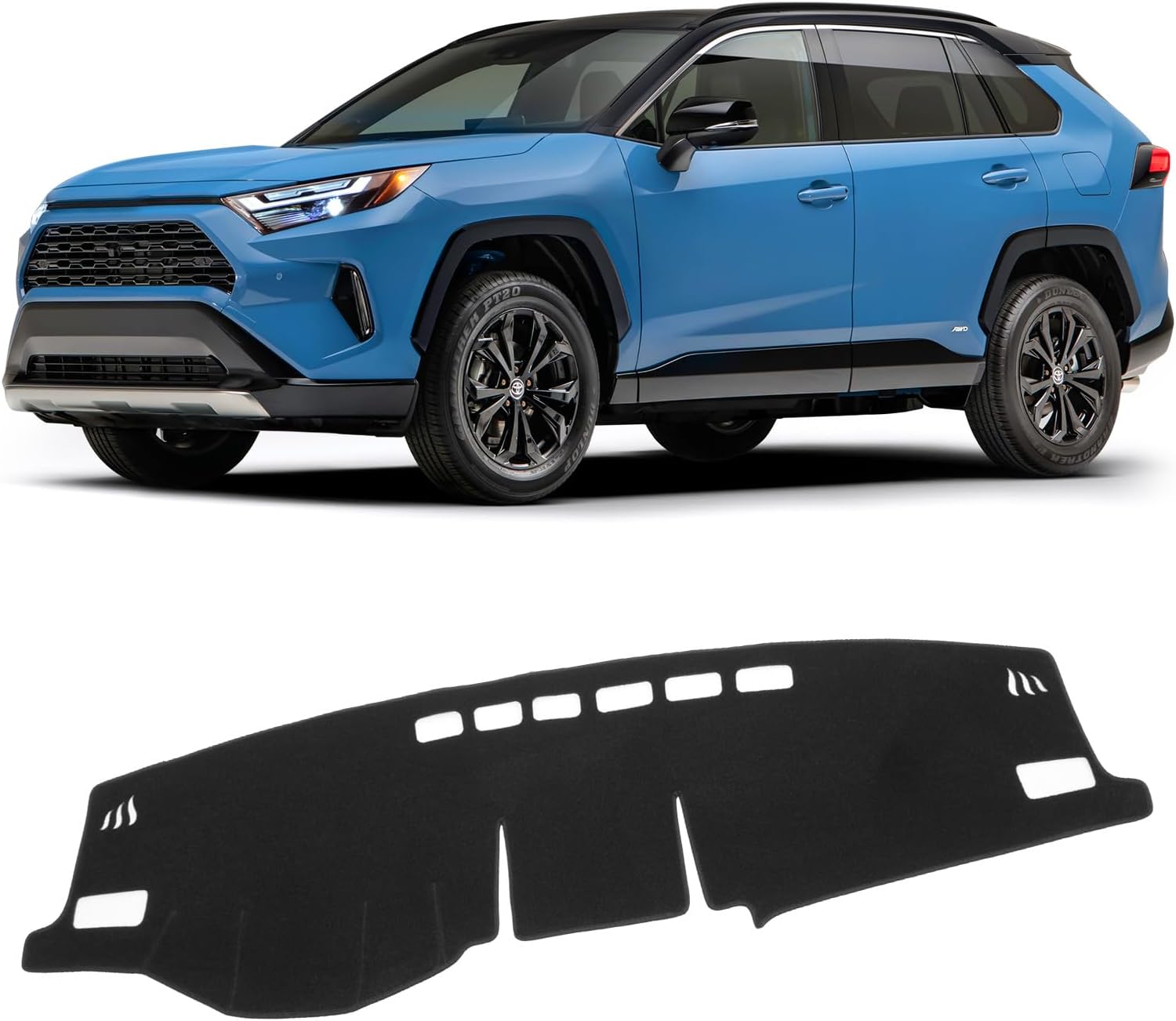
The KUST Black Dashboard Cover Mat offers a custom, eco‑friendly fit for Toyota RAV4 models from 2019 to 2025, protecting the dash from UV damage, scratches, and glare. Made from post‑consumer recycled polyester with a silicone anti‑slip underside, it stays soft, breathable, and odorless while securely adhering to the surface. Installation is quick and reversible, and the foldable design allows easy storage when not in use.
Brake Care for Frequent Hill Starts and Winter Roads

After you’ve kept up with regular oil checks, shift focus to the brakes—frequent hill starts and winter roads increase component stress and demand more frequent inspections and maintenance. You’ll need concrete brake maintenance tips: inspect pads and rotors every 6 months or 8,000 km as Toyota recommends, watch for squeaks or grinding, and address issues immediately to avoid cascading damage. Check brake fluid for contamination and replace per schedule; degraded fluid reduces hydraulic efficiency when you need bite on icy grades. Fit winter tires to improve traction and reduce stopping distance—this directly supports winter driving safety and reduces brake load. When climbing or starting on inclines, favor controlled throttle and engine braking to minimize pad wear. Keep records of inspections and insist on OEM or equivalent parts during service. These measures free you from avoidable failures, preserve stopping performance in severe conditions, and align maintenance with the demands of hilly and winter environments.
Hybrid Battery & Electrified‑System Checks in Cold/Hilly Climates
Because cold temperatures and steep grades place extra strain on the RAV4’s hybrid components, you should increase the frequency of electrified‑system checks to catch capacity loss, charging faults, or thermal management issues early. You’ll schedule diagnostics more often in winter and on hilly routes: run battery maintenance tips including state‑of‑charge profiling, insulation and connector inspections, and targeted cold‑soak tests. Use hybrid performance monitoring tools to log discharge rates, regenerative braking efficiency, and inverter temperatures after steep climbs. Prioritize software updates that refine charge control and thermal strategies; they extend usable capacity and reduce stress cycles. If diagnostics flag elevated internal resistance or inconsistent charging, act quickly — degraded cells accelerate under load. Keep records of each check to inform interval adjustments and preserve resale value. You’re not just maintaining parts; you’re protecting mobility and independence in harsh environments by applying disciplined, data‑driven upkeep to the RAV4’s electrified system.
RAV4 Tire Rotation, Alignment & When to Fit Winter Tires
You should rotate RAV4 tires every 5,000–10,000 km to promote even wear and extend tire life. Check alignment after impacts like potholes or curbs to preserve steering precision and prevent uneven tread wear. In Alberta, fit dedicated winter tires once temperatures consistently fall below 7°C to maximize traction, handling, and braking on snow and ice.
Tire Rotation Timing
When you rotate the RAV4’s tires every 8,000 km (5,000 miles), you’ll maintain even tread wear, preserve handling balance, and get the most life from each tire; pair that schedule with annual alignment checks or immediate inspections if you notice pulling or uneven wear. You’ll act decisively to protect grip, fuel efficiency, and safety. Rotate on a fixed cadence or whenever you change seasonal rubber; don’t wait for visible degradation. Rotation benefits include extended tread life and predictable handling. Maintain correct pressures and balance during each service.
- Follow a cross or manufacturer pattern to equalize wear.
- Inspect for cupping, feathering, or shoulder wear at each rotation.
- Schedule alignment if steering pull or asymmetric tire wear appears.
This routine frees you from avoidable failures.
Winter Tire Installation
As temperatures approach 7°C (45°F), fit winter tires on your RAV4 to preserve grip and braking performance, since all‑season rubber loses effectiveness in cold conditions. You’ll gain winter tire benefits: superior compound, tread design for snow and ice, and predictable stopping distances. Schedule installation with a tire rotation and alignment to guarantee even wear; rotate every 5,000–8,000 km during winter to maintain balanced handling and maximize lifespan. Check alignment before cold-season driving—misalignment causes uneven wear and reduces traction when you need it most. When choosing winter tires, prioritize certified markings, load and speed ratings, and tread depth matched to your driving profile. Remove winter tires when temperatures consistently exceed 7°C (45°F) to restore fuel efficiency and optimized performance.
Other Fluids & Filters to Prioritize (Coolant, Trans, Cabin)
Because coolant, transmission fluid, and cabin air filters directly affect engine temperature regulation, drivetrain longevity, and in-cabin air quality, prioritize inspecting and replacing them on a schedule tied to your driving conditions; severe-use vehicles will need coolant and transmission service more often and cabin filters replaced sooner due to faster contamination. You want systems that empower you, not hold you back.
- Coolant maintenance: inspect level and concentration regularly, replace per severe-use intervals to prevent boiling, freezing, and corrosion that reduce engine resilience.
- Transmission fluid: check color and level; under towing, stop-and-go, or high-heat use, shorten change intervals to preserve friction properties and avoid costly wear.
- Cabin air filter: replace more frequently when you drive dusty or urban routes to protect breathing space and HVAC efficiency.
Also monitor brake and power steering fluids on the same cadence; their degradation under severe use compromises control. Adopt a proactive schedule—service before failures restrict your freedom.
Immediate Warning Signs That Need Service Now

If your RAV4’s oil change light comes on, act immediately—ignoring it risks accelerated engine wear. You want control: degraded oil cuts engine performance, raises noise, and reduces fuel efficiency. Dark, gritty, or burnt-smelling oil means oil maintenance is overdue. Faint burning oil odors suggest leaks or severe degradation; don’t delay.
| Sign | What it means | Immediate action |
|---|---|---|
| Oil change light | Critical oil service needed | Stop driving; schedule service |
| Noisy/lagging engine | Contaminated or low oil | Check level; replace oil/filter |
| Dark/gritty smell | Oil breakdown or soot | Full oil change now |
| Reduced MPG | Friction from old oil | Service oil and inspect systems |
You’re responsible for liberation from preventable failure: prioritize oil maintenance to restore reliable engine performance. These signs demand prompt, professional attention so you can keep moving without compromise.
How to Book and What to Ask Your Toyota Service Team
How will you schedule your RAV4’s next service? Use the Toyota App or call your local dealership to set a service appointment quickly and confidently. When you book, state that you drive under severe conditions so the team prepares the correct interval protocol.
Ask direct maintenance questions on arrival and confirm what’s included in the chosen service package (Service #1, #2, or #3). Verify inspections, fluid replacements, and any additional checks tied to severe-use schedules. Demand Toyota Genuine Parts for replacements to preserve performance and resale value.
- Confirm the recommended severe-condition interval and which services are covered.
- Request a checklist of inspections performed and fluids replaced.
- Ask for prior-visit wear notes and recommended corrective actions.
Be assertive: you’re liberating your ownership experience by controlling service quality. Leave with a clear work order, estimated time, and follow-up plan so you can resume driving with confidence.
Frequently Asked Questions
What Is Severe Driving Scheduled Maintenance?
Severe driving scheduled maintenance is a stricter maintenance checklist you follow under severe conditions; you’ll change oil more often, inspect fluids, rotate tires, check brakes and cooling systems, and address wear promptly to preserve performance and freedom.
Which Year to Stay Away From RAV4?
You should avoid 2013 and 2019 RAV4s; they show notable RAV4 reliability issues and weaken RAV4 model comparisons. You’ll demand freedom from repeated repairs, so choose models with stronger track records and documented longevity.
How Often Does a RAV4 Need to Be Serviced?
You should service your RAV4 every 6 months or 8,000 km; change engine oil every 5,000–7,500 miles under severe use, and perform tire rotation and inspections regularly to keep control, safety, and vehicle longevity.
Conclusion
Keep shorter service intervals if you drive hard: think of your RAV4’s oil like a shock absorber for wear, absorbing stress so internal parts don’t. Follow Toyota’s 0W‑20 baseline but cut oil changes to 5,000–7,500 miles under severe conditions, inspect brakes after hill starts or winter use, rotate tires and check alignment regularly, and prioritize coolant, transmission fluid and cabin filters. Watch immediate warning signs and ask your Toyota team for documented service intervals and parts used.