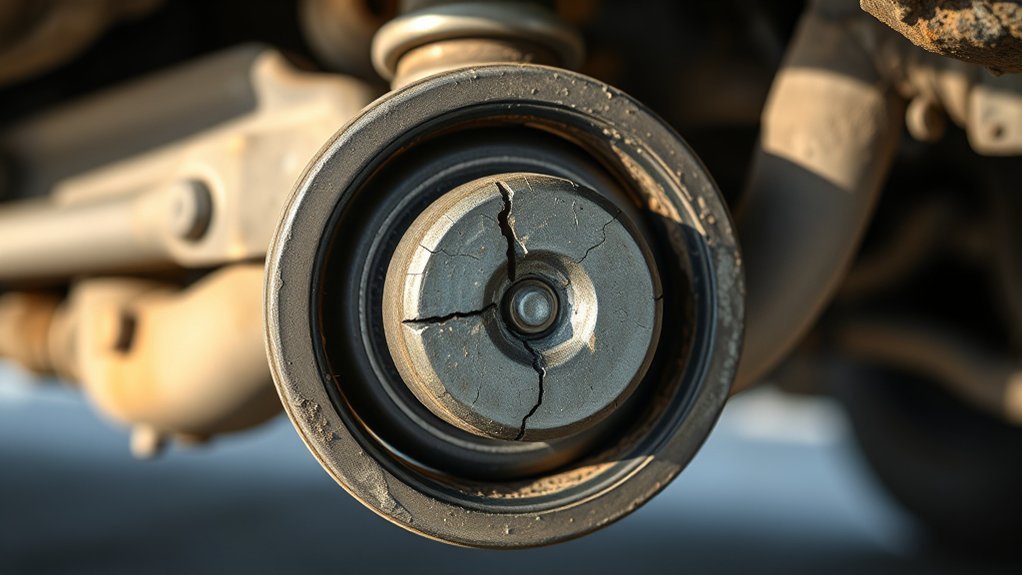
If you’re noticing clunking noises, uneven tire wear, or squeaking sounds in your Toyota RAV4, your control arm bushings might be failing. These symptoms can lead to serious handling issues and increased road noise. Ignoring them can trigger safety concerns and higher repair costs. Regular inspections are essential to spot wear early. Curious about how to extend the lifespan of your bushings and when to seek professional help? There’s more to discover on keeping your vehicle in top shape.
How Bad Control Arm Bushings Affect Your Vehicle
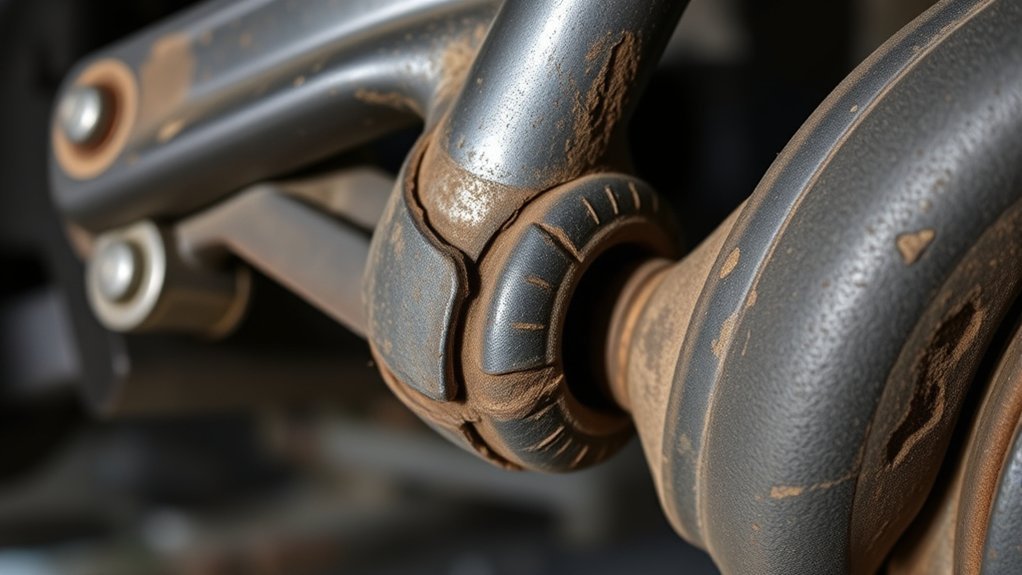
When you notice clunking noises while braking or driving over bumps, it could be a sign that your control arm bushings are failing. Bad bushings compromise your vehicle’s stability, especially during braking, which can lead to dangerous situations on the road. You might also experience uneven tire wear due to misalignment, increasing your tire replacement costs and straining your budget. Ignoring these symptoms can escalate both repair expenses and the risk of suspension failure, ultimately affecting your driving experience.
To maintain your control arms effectively, consider exploring various bushing replacement options that suit your needs. Regular control arm maintenance can prevent further issues, ensuring a safer ride. By addressing control arm bushing problems early, you liberate yourself from potential hazards and costly repairs, allowing you to enjoy the freedom of driving without worry.
Signs Your Control Arm Bushings Are Bad
If you’re hearing clunking noises while driving, especially when braking or hitting bumps, it’s a strong sign your control arm bushings might be worn. Additionally, keep an eye on your tires; uneven wear can indicate misalignment linked to bad bushings. Addressing these issues early can save you from costly repairs down the line.
Clunking Noises While Driving
Clunking noises while driving your Toyota RAV4 can signal serious issues with your control arm bushings. These sounds often arise when braking or hitting bumps, indicating that the rubber material in the bushings has deteriorated. This deterioration leads to metal-on-metal contact, misaligning your suspension components. If you ignore these noises, you risk worsening the problem, which could escalate repair costs and compromise your vehicle’s stability. Regular control arm maintenance is essential; by inspecting these bushings, you can catch wear early and engage in effective suspension noise troubleshooting. Addressing clunking promptly not only enhances your driving experience but also guarantees safety and peak handling on the road. Don’t let minor issues evolve into major headaches!
Uneven Tire Wear
Uneven tire wear can be a clear indicator that your control arm bushings are failing, as these essential components play a vital role in maintaining proper alignment and handling. If you’re noticing excessive wear on the inner or outer edges of your tires, it’s likely due to misalignment caused by worn bushings. This issue can greatly reduce tire lifespan and compromise your safety on the road. Regular tire rotation and alignment checks are important for identifying these problems early. If you spot increased wear on one side, it’s time to inspect those bushings. Replacing them can restore proper alignment, enhance vehicle handling, and ultimately keep you safe while driving your RAV4. Don’t let uneven tire wear go unchecked!
Clunking Noises: A Sign of Suspension Issues
Suspension issues often announce themselves through unsettling clunking noises, especially in vehicles like the Toyota RAV4. When you hear these sounds—particularly during braking or while traversing bumps—it’s often a sign that your control arm bushings are worn or damaged. This clunking typically results from metal-to-metal contact, as the failing bushings no longer absorb shocks effectively. Ignoring these noises can lead to further suspension damage and increased repair costs, so it’s essential to act promptly.
Regular suspension maintenance, including inspections of your control arm bushings, can help catch these problems early. If clunking persists, consider a bushing replacement to restore your vehicle’s performance and safety. By addressing issues proactively, you guarantee a smoother ride and protect your investment in your RAV4. Don’t let clunking noises compromise your driving experience—stay ahead of the curve with timely maintenance.
What Uneven Tire Wear Means for Your Ride
Tire wear can tell you a lot about your vehicle’s health, especially when it’s uneven. This often hints at misalignment caused by worn control arm bushings, compromising your Toyota RAV4’s handling and stability. Recognizing the signs early can save you time and money. Here are key indicators of uneven tire wear:
Uneven tire wear signals potential misalignment issues, often linked to worn control arm bushings, affecting your Toyota RAV4’s performance.
- Bald patches on one side
- Excessive wear on inner or outer edges
- Frequent need for tire rotation
- Noticeable pulling to one side while driving
- Increased road noise and vibrations
Ignoring these signs can lead to a shorter tire lifespan and higher maintenance costs. Regular tire rotation helps, but alignment checks are essential. By monitoring your tire wear patterns, you can catch potential issues before they escalate, ensuring a smoother and safer ride. Keep an eye on your tires; they’re your vehicle’s connection to the road!
Why Squeaking Sounds Signal Bad Control Arm Bushings
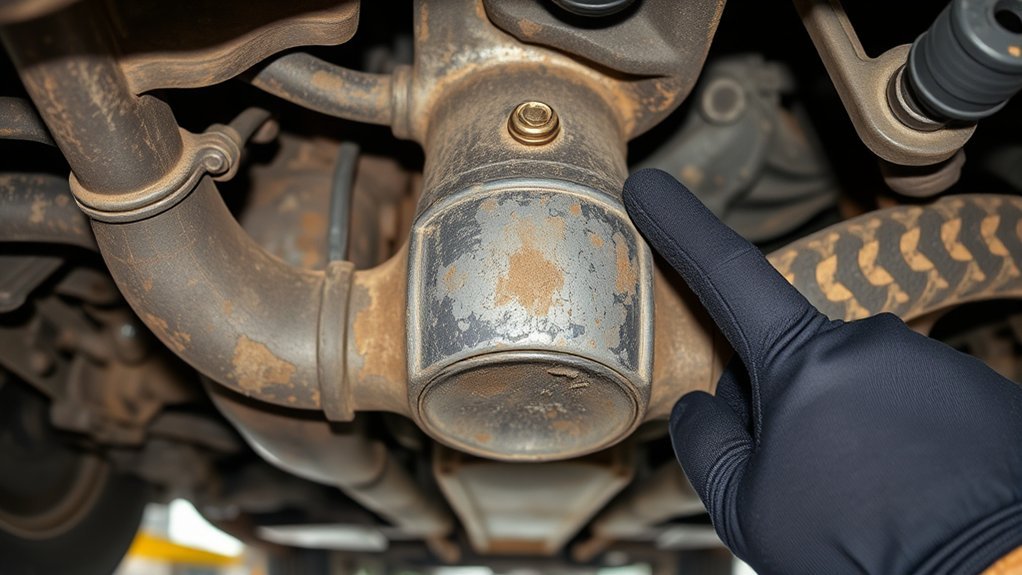
Have you ever noticed a squeaking sound while driving your Toyota RAV4? These noises often signal that your control arm bushings are wearing out. Over time, the rubber in these bushing materials breaks down, leading to inadequate shock absorption, especially when you hit bumps or take turns. When the bushings fail, you’ll hear those annoying squeaks, which aren’t just bothersome—they indicate that your suspension system isn’t functioning properly.
Ignoring these sounds can escalate into more significant issues, risking costly repairs and compromising your vehicle’s safety. Regular inspections of the control arm bushings are essential, particularly in high-mileage vehicles, to catch wear early. If you hear those squeaking noises, it’s wise to replace the bushings promptly. Doing so will help maintain proper alignment and handling, ensuring a smoother and safer ride in your RAV4.
What Causes Control Arm Bushing Deterioration?
As your vehicle racks up miles, various factors contribute to the deterioration of control arm bushings. Understanding these causes can help you maintain your RAV4 effectively:
- High mileage: Natural wear and tear occurs over time.
- Heavy vehicles: Hybrids exert additional stress, accelerating breakdown.
- Exposure to water: Rust and corrosion weaken rubber bushing materials.
- Environmental impacts: UV exposure and extreme temperatures lead to rubber cracking.
- Driving conditions: Rough roads and potholes increase stress and impact forces.
These elements collectively compromise the integrity of your bushings, leading to potential handling issues. By recognizing these factors, you can take proactive measures to protect your control arm bushings and enhance your vehicle’s longevity. So, keep an eye on your driving habits and environmental conditions to maintain a smooth ride ahead!
Consequences of Ignoring Bad Control Arm Bushings
Ignoring bad control arm bushings can lead to serious vehicle instability, making it tough to control your car, especially when braking. This neglect not only increases the risk of accidents but can also result in higher repair costs as other suspension components wear out faster. Plus, compromised bushings may trigger warning lights for your ABS or traction control, putting your safety features at risk.
Increased Vehicle Instability
When control arm bushings begin to fail, you may notice a troubling increase in vehicle instability, which can make maneuvering sharp turns or sudden stops a challenging task. This deterioration impacts your vehicle performance and handling dynamics, leading to serious safety concerns. Here are some symptoms to watch for:
- Difficulty maintaining control during turns
- Uneven tire wear affecting grip
- Increased vibrations and clunking noises
- Harsher rides with diminished shock absorption
- Greater risk of losing traction on slippery surfaces
Ignoring these signs can escalate issues, potentially compromising your overall driving experience. Stay aware and proactive; addressing worn bushings can keep your ride smooth and safe, enhancing your freedom on the road.
Higher Repair Costs
Neglecting bad control arm bushings can greatly inflate your repair costs. When you let these issues slide, misalignment occurs, leading to accelerated tire wear and premature replacements that can drain your repair budgets by hundreds of dollars. Increased instability places extra stress on other suspension components, potentially racking up thousands in further repairs. If you delay replacing those bushings, you risk compromising braking efficiency, which could result in accidents and costly insurance claims. Plus, vehicle handling problems mean more trips to the mechanic, driving up your overall maintenance costs. The longer you wait, the more likely you’ll face cascading failures in other suspension parts, exponentially raising your repair expenses beyond just the bushings themselves.
Compromised Safety Features
Bad control arm bushings can severely compromise your vehicle’s safety features, especially in models like the Toyota RAV4. Ignoring these issues leads to significant safety concerns that can affect your vehicle performance. Here’s what you might face:
- Increased vehicle instability, risking ABS and traction control functionality
- Misalignment causing uneven tire wear, heightening the chance of blowouts
- Compromised braking efficiency, which can increase stopping distances
- Stress on suspension components, leading to costly repairs
- Overall jeopardization of your vehicle’s handling capabilities
Regular inspections of control arm bushings are essential. Neglecting them not only risks your safety but also threatens your freedom on the road. Don’t wait until it’s too late; prioritize your vehicle’s health!
Maintenance Tips for Extending Bushing Lifespan
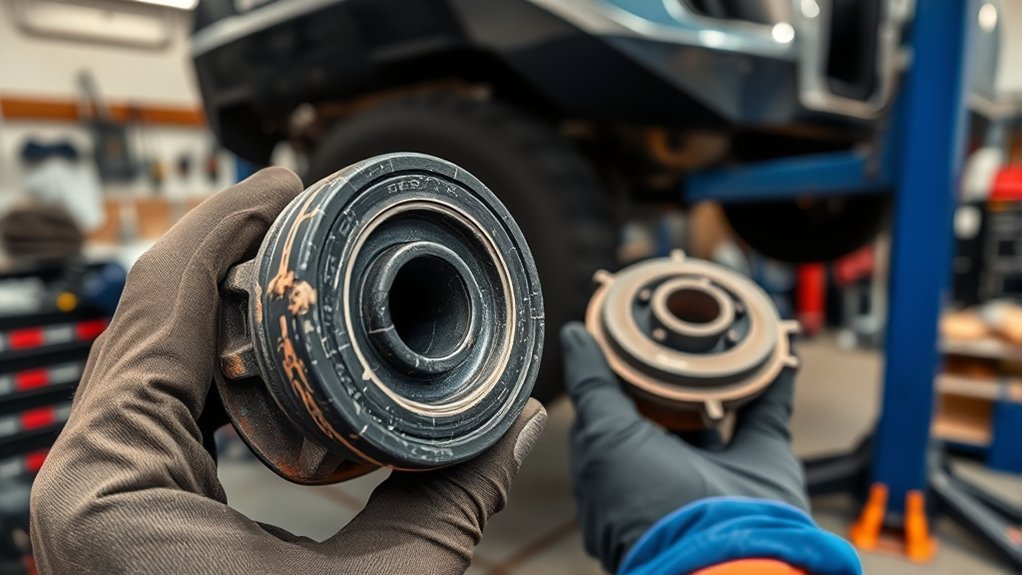
Control arm bushings are essential components that help maintain your vehicle’s stability and steering response. To extend their lifespan, regularly inspect them for signs of wear, like cracking or deterioration. Catching issues early keeps your ride smooth and safe. Stick to maintenance schedules, ensuring proper tire pressure and alignment—this reduces stress on bushings and prevents premature failure.
Don’t forget to wash your vehicle’s undercarriage; removing road debris and moisture can greatly slow down bushing deterioration. When you’re driving, be cautious over potholes and rough terrain to minimize impacts that could damage your bushings. Finally, when replacing bushings, consider high-quality options made from durable materials. Investing in superior bushing materials not only enhances performance but also boosts resilience against wear, keeping your Toyota RAV4 in top shape for the long haul.
When to Seek Professional Help for Repairs
When you’re experiencing unusual noises or handling issues with your Toyota RAV4, it’s essential not to overlook these signs. Ignoring symptoms can lead to bigger problems down the road. Here are some key indicators that it’s time to seek professional help:
- Persistent clunking noises or instability while braking
- Uneven tire wear suggesting misalignment
- Squeaking noises when driving over bumps
- Activation of ABS or traction control lights
- Regular inspections to catch early signs of bushing deterioration
Each of these issues may point to problems with various bushing types, requiring expert diagnostics and repair options. A qualified technician can assess the condition of your control arm bushings and recommend necessary repairs. By addressing these concerns promptly, you can enhance your RAV4’s performance and guarantee a safer driving experience. Don’t wait until it’s too late—take action today!
Frequently Asked Questions
How Long Can You Drive With Bad Control Arm Bushings on a Toyota?
You shouldn’t drive long with bad control arm bushings; ideally, address them immediately. Neglecting control arm maintenance can escalate repairs and safety risks, so prioritize bushing replacement for a smoother, safer ride.
How Bad Is It to Drive With Worn Control Arm Bushings?
“Better safe than sorry.” Driving with worn control arm bushings leads to serious handling issues. You risk costly bushing replacement and jeopardize safety. Take action now to avoid more extensive repairs and maintain ideal vehicle control.
Conclusion
In the grand symphony of your Toyota RAV4, bad control arm bushings can create dissonance, leading to a bumpy ride and uneven tire wear. Ignoring these signs is like turning a blind eye to a flickering warning light. Keep your vehicle’s performance harmonious by addressing issues early. Regular maintenance and timely repairs can extend the life of your bushings, ensuring your journey remains smooth and enjoyable, like a well-tuned engine humming along a sunlit highway.