diagnosis-fix”>Toyota RAV4 Coolant Leak: How to Diagnose and Fix It
What’s in This Article
- Before You Begin: Coolant Leak Safety Checks
- Recognizing the Symptoms of Coolant Leaks in Your RAV4
- How to Diagnose a Coolant Leak in Your RAV4
- What You’ll Need to Fix Coolant Leaks
- Replacing Damaged Hoses and Components
- What Coolant Does a Toyota RAV4 Use?
- Proactive Maintenance Tips to Prevent Coolant Leaks
- When to Call a Pro for Coolant Leak Problems
- Frequently Asked Questions
- Keep Your RAV4’s Cooling System Healthy
- References
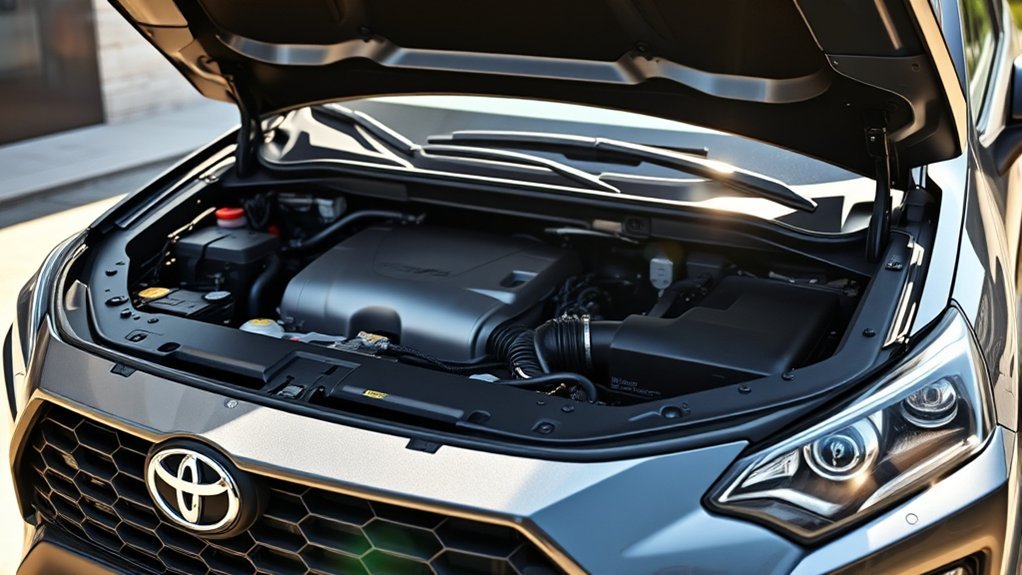
A coolant leak can turn a small maintenance issue into engine damage fast. Your Toyota RAV4‘s cooling system works under pressure, so even a slow drip can lead to overheating. This guide shows you how to spot symptoms, find the leak source, make basic hose repairs, and know when a mechanic should take over.
Quick Answer
Check for coolant pooling under your RAV4, wet hose ends, a sweet smell, steam, or a rising temperature gauge. Let the engine cool, inspect the reservoir and hoses, then use a cooling system pressure tester to find hidden leaks. Tighten loose clamps, replace cracked hoses, and refill with the coolant type listed in your owner’s manual. Call a mechanic if the leak returns, the engine overheats, or coolant mixes with oil.
Key Takeaways
- Fluid under the engine, a sweet smell, steam, and a rising temperature gauge point to a coolant leak.
- A cooling system pressure tester helps you find leaks without replacing parts by guesswork.
- You can usually fix a simple hose or clamp leak, but internal leaks need professional repair.
- Most RAV4 owner materials call for Toyota Super Long Life Coolant or a similar approved ethylene-glycol coolant.
- Stop driving if the temperature gauge reaches the red zone or coolant mixes with engine oil.
Before You Begin: Coolant Leak Safety Checks
Estimated time: Plan on 30 to 60 minutes for diagnosis. A basic hose replacement can take one to two hours if you have the right tools.
Park your RAV4 on level ground and let the engine cool fully before you open the hood. Hot coolant can spray from a pressurized system and burn your skin.
Wear safety glasses and gloves, then keep pets and children away from spilled coolant. Engine coolant can smell sweet, but it can harm people and animals if they swallow it.
Warning: Never remove a radiator cap or reservoir cap while the engine feels hot.
Recognizing the Symptoms of Coolant Leaks in Your RAV4
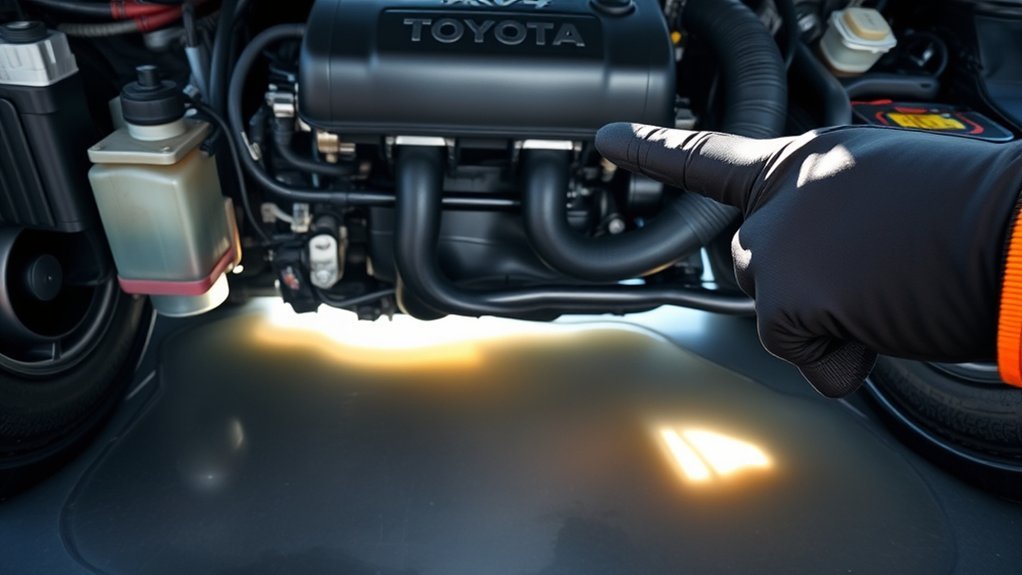
Start by checking for fluid under your vehicle after it sits overnight. Wet hose ends, damp clamps, crusty residue, or pink stains can mark the leak path. Healthy coolant should look clean, so dull, rusty, or oily fluid needs closer inspection.
A drop in coolant level without an external puddle can point to an internal leak. Inspect each hose for cracks, swelling, soft spots, or loose connections. Watch your temperature gauge for sudden spikes, and look for steam from the engine bay while idling.
Check your oil dipstick too. Milky or foamy oil can mean coolant has mixed with engine oil. That symptom can point to a head gasket leak, a damaged cooler, or another internal engine fault.
Warning: Don’t drive your RAV4 if the temperature gauge climbs into the red zone, since heat can warp engine parts and cause major damage.
How to Diagnose a Coolant Leak in Your RAV4
Accurate diagnosis saves you time and money. Follow these steps before you buy any parts:
- Let the engine cool. Open the hood only after the engine and coolant tank feel cool to the touch.
- Check the reservoir level. Note the coolant level at the cold fill line, then check it again after a short drive and full cool-down.
- Inspect hoses and clamps. Look for cracks, swelling, wet spots, rusted clamps, and loose connections around the radiator and engine.
- Place paper towels under suspect areas. Use clean paper towels or newspaper to catch drips and identify the leak path.
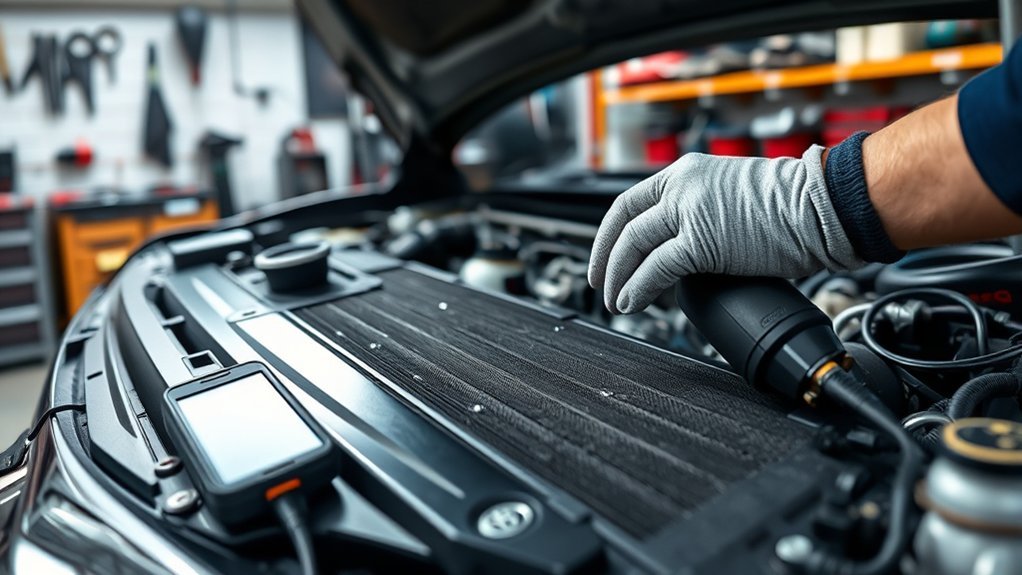
- Pressure test the cooling system. Use the correct pressure rating for your RAV4, and watch the radiator seams, hose ends, water pump, and thermostat housing.
- Check the radiator cap. Replace a weak or damaged cap if it can’t hold pressure or the seal looks worn.
- Look for internal leak signs. Stop the test and call a mechanic if you see milky oil, exhaust gas in the coolant, or unexplained coolant loss.
A weak radiator cap can let pressure escape and cause coolant loss even when no hose has cracked. Replace it with a cap that matches the pressure rating listed for your RAV4.
[Products Worth Considering]

Ensure accurate engine cooling with Toyota's genuine water temperature sensor, designed for precise coolant monitoring and reliable performance. This OEM part fits seamlessly into your vehicle, offering durability and consistent temperature readings for optimal engine health.

Secure your vehicle's fuel tank with this durable ABS locking gas cap that provides a tight, waterproof seal to prevent leaks and theft. The key‑operated lock offers peace of mind while meeting OEM part numbers for a wide range of makes and models. Ideal for harsh weather conditions, it protects the tank from rust and corrosion, ensuring safe and reliable driving.

These silicone cup holder inserts provide a curved, anti‑shake design that securely grips water cups and bottles, preventing spills and rattling while driving. Made from high‑strength, waterproof silicone, they fit most vehicle cup holders and are easy to install with a self‑adhesive backing. The set includes six inserts, cleaning paper, and a manual for optimal placement and lasting stability.
What You’ll Need to Fix Coolant Leaks
You don’t need a full garage to diagnose and fix most simple RAV4 coolant leaks. These tools cover the basic job.
[Products Worth Considering]

The SCUARI center console cover offers premium leather and sponge construction that is soft, lightweight, and wear‑resistant, providing comfortable arm support and reducing fatigue on long drives. Its waterproof, easy‑to‑clean surface and non‑slip backing protect the armrest from scratches, pet claws, and grime, while built‑in storage bags keep phones, wallets, and other essentials within reach.

This compact power adapter plugs directly into the rearview mirror wiring, providing a stable 5V/2A (10W) output for USB dash cams. It includes three short USB cables (Mini, Micro, Type‑C) for versatile compatibility with popular dash cam brands. The design features pry tools for easy installation and a sturdy cable that resists wobbling, ensuring reliable power on the road.
Essential Diagnostic Tools
The right tools help you find the leak faster and avoid wasted parts. Start with these items:
- Cooling system pressure tester: Applies pressure to the coolant circuit so you can spot hidden leaks.
- Flashlight: Helps you inspect hose ends, seams, and tight engine bay areas.
- Paper towels or newspaper: Catches drips and helps isolate the exact leak point.
- Safety glasses and gloves: Protects your eyes and skin from coolant contact.
- Torque wrench: Helps you tighten clamps and fasteners without crushing parts.
Repair Equipment Checklist
Once you find the leak, gather these repair items before you remove parts:
- Pressure tester: Confirms the repair holds after you refill the system.
- Ratchet and socket set: Removes nearby parts, brackets, and clamps when needed.
- Hose clamps and pliers: Secures replacement hoses and helps prevent leaks at connection points.
- Drain pan or fluid pump: Catches old coolant and helps you avoid spills.
- Correct coolant: Matches the coolant specification in your owner’s manual.
- Clean funnel: Helps you refill the reservoir without dirt or air entering the system.
Replacing Damaged Hoses and Components
Damaged coolant hoses cause many visible leaks. Use hoses and clamps that match Toyota specifications for your model year, engine, and trim. Keep these points in mind:
- Inspect every hose for cracks, brittleness, swelling, soft spots, or rubbing marks.
- Choose replacement hoses that match the original shape, diameter, and heat rating.
- Replace worn clamps with new clamps that match the hose and fitting size.
- Clean the fitting surface before you install the new hose.
- Refill the system with the correct coolant and bleed air using your manual’s process.
After the repair, run the engine until it reaches normal temperature, then check for new moisture. Let the engine cool, recheck the reservoir, and top off only to the cold fill line.
Monitor the coolant level for the next week. A slow drop after a hose repair can mean trapped air, a loose clamp, or another leak.
What Coolant Does a Toyota RAV4 Use?
Most Toyota RAV4 owner materials call for Toyota Super Long Life Coolant or a similar high-quality ethylene-glycol coolant that matches Toyota’s specification. Many Toyota Super Long Life Coolant products come pre-mixed at 50/50 with deionized water.
Older RAV4 model years may list Toyota Long Life Coolant instead, so check your owner’s manual before you top off or flush the system. Don’t choose coolant by color alone, because different brands can use similar colors with different additive packages.
Mixing incompatible coolants can reduce corrosion protection and leave deposits inside the cooling system. If you don’t know what coolant sits in the system now, ask a Toyota dealer or trusted mechanic before you add more.
Pro tip: Use pre-diluted coolant or mix concentrate only with distilled or deionized water, not tap water.
Proactive Maintenance Tips to Prevent Coolant Leaks
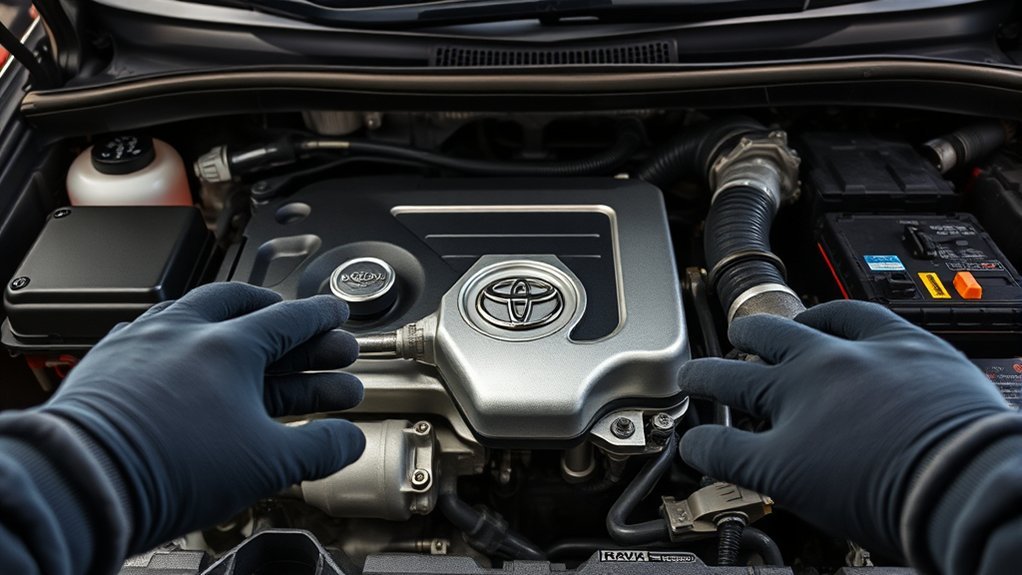
Prevention costs less than repair. Check your hoses during regular service and before long trips. Look for brittleness, cracks, swelling, rubbing marks, or coolant stains around the hose ends.
Make sure all hose clamps feel secure and show no heavy rust. A loose clamp can cause a leak after the engine heats up and pressure rises.
Keep the coolant reservoir at the cold fill line, not above it. An overfilled reservoir can push coolant out through the overflow path when the engine warms up. Check the water pump, radiator seams, and thermostat housing for seepage or buildup.
Follow your owner’s manual for coolant service intervals. Toyota notes that extended-drain coolants can last up to five years or 100,000 miles in some vehicles, but your RAV4’s manual controls the final schedule.
When to Call a Pro for Coolant Leak Problems
Some coolant problems go beyond a safe DIY fix. Call a mechanic if you notice any of these signs:
- Major coolant loss with no visible external leak.
- Leaks that return after you replace hoses or clamps.
- A temperature gauge that climbs repeatedly.
- Steam from the engine bay or a sweet smell inside the cabin.
- Milky oil, white exhaust smoke, or bubbles in the coolant reservoir.
If pressure testing shows the system can’t hold pressure, stop driving until a mechanic inspects the vehicle. Early diagnosis can cost far less than a head gasket repair or engine rebuild.
Frequently Asked Questions
How much does a coolant leak diagnostic cost?
A coolant leak diagnostic often costs about $100 to $200 at many repair shops, but prices vary by location and labor rate. Ask whether the shop applies the diagnostic fee toward the repair before you approve the work.
What type of coolant does a Toyota RAV4 use?
Most RAV4 models use Toyota Super Long Life Coolant or a similar coolant that meets Toyota’s specification. Check your owner’s manual by model year before you top off, because older models may list a different Toyota coolant type.
Can I drive my RAV4 with a small coolant leak?
A small leak can drain enough coolant to cause overheating. Drive only to a nearby repair shop if the temperature gauge stays normal. Pull over and shut off the engine if the gauge rises.
How long does it take to fix a coolant hose on a RAV4?
A single hose replacement can take one to two hours for an experienced DIYer. A shop may finish faster, but cramped access, stuck clamps, or air bleeding can add time.
What does a coolant leak smell like?
Coolant often has a sweet smell because many formulas contain ethylene glycol. A sweet smell near the hood, inside the cabin, or through the vents can mean coolant has reached a hot surface or heater core area.
Keep Your RAV4’s Cooling System Healthy
A coolant leak becomes easier to manage when you catch it early. Regular hose checks, the right coolant, and a pressure test give you the best chance to stop damage before overheating starts.
Start with a cool engine, inspect the simple parts first, and avoid driving if the gauge climbs. When the leak points to an internal engine issue, let a qualified mechanic handle the repair.
Your next step is simple: check your coolant level and inspect the hose ends before your next long drive. A few minutes now can protect your RAV4’s engine later.
References
- How Often to Change Engine Coolant — Toyota Motor Sales, U.S.A., 2026
- Toyota Genuine Super Long Life Coolant — Toyota Parts, 2026
- Toyota Manuals and Warranties — Toyota Motor Sales, U.S.A., 2026
- Car Overheating: 8 Causes and Solutions — AAA, 2026
- How To Find and Fix Coolant Leaks — AutoZone, 2026
- Coolant Leak Fix and Overheating Problems — Firestone Complete Auto Care, 2026