
RAV4 Hybrid System Malfunction: What It Means and What to Do
Last updated: May 20, 2026
Can I Drive a RAV4 With a Hybrid System Malfunction?

You should not continue normal driving after a RAV4 Hybrid system malfunction warning. The message can point to a simple low-voltage issue, but it can also involve the inverter, hybrid battery, cooling system, wiring, or control modules.
You may move the vehicle only far enough to get out of traffic or reach a safe parking spot if it still drives normally. Stop and arrange towing if you notice any of these warning signs:
- Reduced power or sudden limp mode
- READY light turns off or the vehicle will not start
- Burning smell, smoke, or unusual electrical odor
- Coolant leak or overheating warning
- Repeated warning after restart
- Brake, charging, or multiple system warnings at the same time
A hybrid-trained technician can scan the correct modules, check the 12V battery under load, verify inverter and battery cooling, and test hybrid-system insulation safely. Do not guess, and do not keep driving just because the vehicle still moves.
Quick Hybrid Checks to Do Now (Fuse, 12V, Inverter Coolant, Warning Behavior)
After you stop safely, start with checks that do not require touching high-voltage parts.
- Check the 12V battery: A fully charged 12V battery usually reads about 12.6V or higher at rest. If it reads near 12.4V or lower, charge it and have it load-tested.
- Inspect low-voltage fuses only: Check the fuse boxes listed in the owner’s manual. Replace a blown fuse only with the same rating. Do not inspect or remove high-voltage fuses or service plugs.
- Check inverter and engine coolant levels when cold: Confirm the level sits between the low and full marks. Do not open a hot cooling system.
- Look for visible leaks or damage: Check for coolant on the ground, damaged low-voltage wiring, loose 12V terminals, or corrosion around the 12V battery.
- Record warning behavior: Note the exact warning text, warning lights, mileage, speed, weather, and whether the message appeared after service, jump-starting, deep water, or long parking.
These checks help you separate simple low-voltage problems from faults that need professional diagnostics.
Read and Clear Hybrid Codes (OBD, Carista): What Will Actually Reset the Light
When the warning appears, read the diagnostic trouble codes before you clear anything. A basic OBD-II reader may show powertrain or emissions-related codes. A hybrid-capable scanner, Carista, or Toyota Techstream-style diagnostic tool may show more detail from hybrid control modules.
Record these details before repair:
- DTC code numbers
- Freeze-frame data
- Whether the code is active, pending, or history
- Battery voltage shown by the scan tool
- Coolant temperature or inverter temperature data, if available
Clearing codes does not fix the problem. It only turns off the warning until the system detects the fault again. Clear codes only after you repair the cause or after a technician tells you the fault was temporary. Avoid disconnecting the 12V battery as a reset method unless the service information calls for it, because it can erase useful diagnostic data and reset learned settings.
[Products Worth Considering]

Protect your Toyota RAV4 interior with this custom‑fit windshield sun shade that blocks 99% of harmful UV rays and reduces cabin heat. The mirror cut‑out ensures a seamless fit without gaps, while durable 240T polyester and bendable wire keep it sturdy through repeated use. Foldable and stored in a convenient pouch, it offers easy installation and removal for everyday comfort.

The Autovir windscreen shade offers full windshield coverage for Toyota RAV4 models from 2019 to 2026, blocking up to 99.95% of UV rays and reducing interior heat. Its multi‑layer reflective material provides SPF 100 and UPF 80+ protection while keeping the dashboard, seats, and steering wheel cooler. The foldable design installs quickly and stores conveniently in the glove box, and reinforced stitching ensures long‑lasting durability for daily use.

The KUST Black Dashboard Cover Mat offers a custom, eco‑friendly fit for Toyota RAV4 models from 2019 to 2025, protecting the dash from UV damage, scratches, and glare. Made from post‑consumer recycled polyester with a silicone anti‑slip underside, it stays soft, breathable, and odorless while securely adhering to the surface. Installation is quick and reversible, and the foldable design allows easy storage when not in use.
Common Causes of a RAV4 Hybrid System Malfunction
A RAV4 Hybrid system malfunction can come from several areas. The warning message alone does not identify the failed part, so fault codes matter.
| Possible Cause | What You May Notice | Safe First Step |
|---|---|---|
| Weak 12V battery | Multiple warnings, no-start, warning after parking | Test resting voltage and load-test the battery |
| Low inverter coolant or cooling issue | Overheating warning, reduced power | Check coolant level only when cold |
| Clogged hybrid battery cooling intake | Battery cooling warning, fan noise, reduced efficiency | Inspect and clean the intake filter if your manual allows it |
| Blown low-voltage fuse | Warning after electrical fault or accessory work | Check owner’s manual fuse locations and ratings |
| Sensor, inverter, wiring, or HV battery fault | Persistent warning, limp mode, repeated DTCs | Use professional hybrid diagnostics |
[Products Worth Considering]

Upgrade your RAV4 interior with a sleek, retractable 4‑port USB hub that adds vibrant RGB lighting and fast charging for phones, tablets, and accessories. The intelligent retractable cables keep the console tidy while the snap‑in design ensures easy installation. Compatible with 2020‑2025 RAV4 models, it blends modern tech with a clean aesthetic.
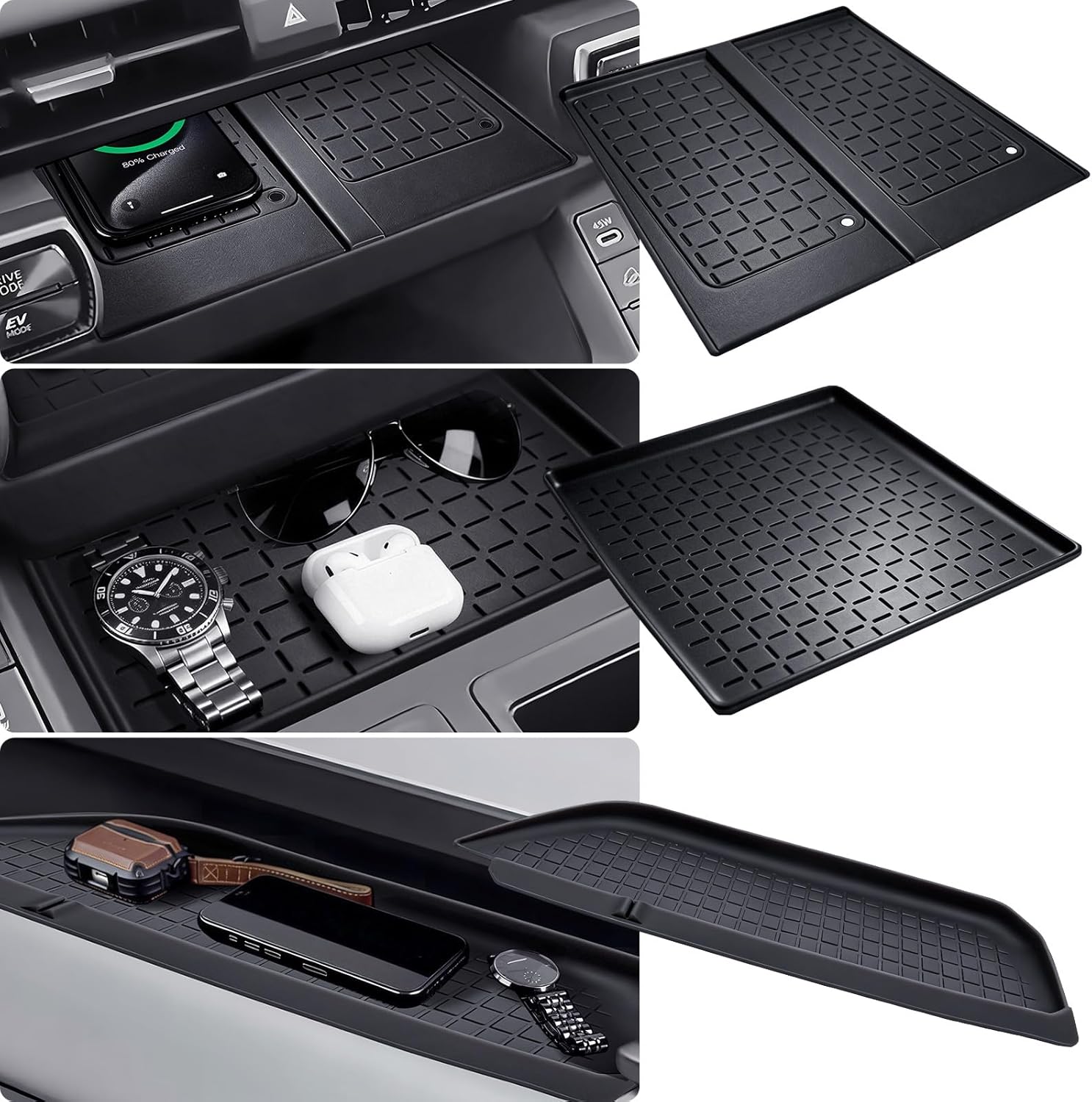
This high-quality silicone mat offers a custom‑fit, anti‑slip protective layer for the wireless charging area and center console of a 2026 Toyota RAV4. It resists scratches, water, and noise while enhancing interior style, and installs easily without tools. The mat does not include a charger but works with existing wireless charging configurations, and includes a 30‑day refund and lifetime replacement service.
DIY Fixes You Can Safely Try at Home (Battery, Fuses, Connectors, Coolant)
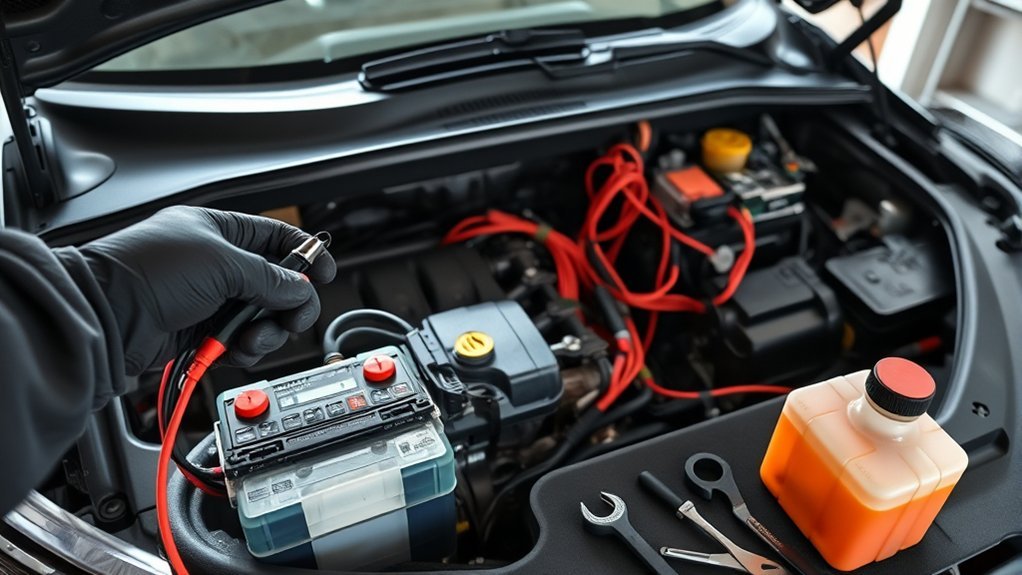
Some basic checks are safe at home if you stay away from high-voltage parts. Start with the 12V battery. Clean the terminals, tighten loose clamps, and charge or replace the battery if testing shows it is weak. A weak 12V battery can confuse control modules and trigger several warnings at once.
Next, inspect only the low-voltage fuses listed in the owner’s manual. Replace a blown fuse with the same amperage rating. If the new fuse blows again, stop and get professional help because the circuit may have a short.
Check the inverter coolant reservoir and engine coolant reservoir only when the vehicle is cold. The level should sit between the low and full marks. Use only the coolant type specified for your RAV4.
You can also inspect the hybrid battery cooling intake filter if your model-year manual shows it as a user-serviceable item. Remove dust, pet hair, lint, or debris that blocks airflow. Do not remove panels around the hybrid battery unless the owner’s manual gives a safe procedure.
Do not clean, unplug, or reseat orange high-voltage connectors. Do not touch the service plug. Those checks belong to a trained hybrid technician with proper protective equipment.
When to Stop Driving and Call for Professional Hybrid Diagnostics
Stop driving and call for professional diagnostics when the warning stays on, returns after a reset, or appears with reduced acceleration, abnormal noises, overheating, leaking coolant, or a no-start condition.
A qualified technician can perform tests that a home scan tool cannot safely complete, including:
- Hybrid control module scan
- Battery state-of-charge and block-voltage review
- Inverter and cooling-system live-data checks
- Cooling-system pressure and flow checks
- Insulation and high-voltage safety tests
- Technical service bulletin and warranty review
Choose a Toyota dealer or an independent hybrid specialist for persistent warnings. Ask the shop to give you the exact codes, test results, and repair reason before replacing expensive parts.
Costs and Service Choices: Dealer vs Independent vs Mobile Tech
Repair cost depends on the fault, model year, warranty status, and local labor rates. Do not rely on a fixed online estimate for a hybrid warning until the vehicle has been scanned. A weak 12V battery or clogged cooling intake can be far cheaper than inverter, wiring, or high-voltage battery work.
| Option | Best For | Trade-offs |
|---|---|---|
| Toyota Dealer | Warranty checks, complex hybrid faults, software updates | Usually higher labor cost, but strong factory-tool access |
| Independent Hybrid Specialist | Out-of-warranty diagnosis and repair | Skill and tooling vary by shop |
| Mobile Tech | 12V battery, basic scan, simple low-voltage checks | May not have full hybrid diagnostic tools |
| Warranty Review | Hybrid battery or covered component concerns | Coverage depends on model year, mileage, in-service date, and location |
Before approving repair work, ask for a written estimate, the DTCs found, the test procedure used, and whether Toyota warranty coverage, recalls, or service bulletins apply.
Preventing Future Hybrid System Malfunction (Maintenance Checklist and Parts to Avoid)
You can reduce future warning messages by keeping the low-voltage system, cooling system, and battery airflow in good condition. Follow your RAV4 Hybrid owner’s manual and maintenance guide first, because service needs can vary by year and driving conditions.
Regular Battery And Coolant Checks
Check the 12V battery during routine maintenance, especially before winter, after long parking, or after repeated short trips. A fully charged battery should usually read about 12.6V or higher at rest. A lower reading should be followed by charging and a load test.
Inspect engine and inverter coolant levels only when the vehicle is cold. Look for low level, leaks, hose swelling, or coolant stains. Low coolant or poor coolant flow can lead to overheating warnings and reduced hybrid performance.
Keep the hybrid battery cooling intake filter clean. Dust, lint, and pet hair can block airflow and make the battery run hotter than intended. Check the filter more often if you carry pets, drive in dusty areas, or use the vehicle for rideshare or delivery work.
Use Quality Replacement Parts
Use high-quality OEM or certified equivalent parts for hybrid-related repairs. Cheap electrical parts, incorrect coolant, poor wiring repairs, or wrong fuses can create repeat warnings and make diagnosis harder.
For hybrid-system repairs, choose a technician who can confirm part compatibility, follow Toyota service procedures, and document the repair with test results. This matters most for the inverter, battery cooling system, wiring harnesses, sensors, and control modules.
What to Tell the Mechanic
Bring clear details to the shop so the technician can reproduce the problem faster.
- Exact warning message shown on the dash
- All warning lights that appeared
- Whether the READY light stayed on
- DTCs and freeze-frame data from your scanner
- 12V battery voltage reading
- Coolant level observations
- Recent repairs, jump-starts, accessory installs, or battery replacement
- Driving conditions when the warning appeared
Frequently Asked Questions
How to Fix Hybrid System Malfunction?
Start with safe checks: test the 12V battery, inspect low-voltage fuses, check coolant levels when cold, and scan for codes. Do not touch orange high-voltage parts. If the warning returns or the vehicle loses power, get professional hybrid diagnostics.
Is It Safe to Drive With Hybrid System Malfunction?
It is not safe to continue normal driving. Move to a safe place, record the warning, and check simple low-voltage items. Tow the vehicle if you see power loss, overheating, leaks, burning smells, repeated warnings, or a no-start condition.
Can a Weak 12V Battery Cause a Hybrid System Malfunction Warning?
Yes. A weak 12V battery can cause control modules to behave incorrectly and may trigger multiple warnings. Test the battery at rest and under load before replacing expensive hybrid parts.
Should I Clear the Code to Reset the Warning?
Do not clear the code before recording it. Clearing the code can erase useful diagnostic information. Clear codes only after the cause has been repaired or after a technician confirms the fault was temporary.
What Is the Most Common Problem With a Toyota RAV4 Hybrid?
There is no single most common cause for every RAV4 Hybrid model year. Common triggers include a weak 12V battery, low coolant, clogged hybrid battery cooling intake, blown low-voltage fuse, wiring issue, inverter fault, sensor fault, or high-voltage battery problem. Use the stored codes to narrow the cause.
Sources and Further Reading
- Toyota Electrified Vehicle Warranty
- Toyota Hybrid System Electrical Safety Precautions via NHTSA
- Toyota HV Battery Cooling System Maintenance Bulletin via NHTSA
- Carista OBD2 Diagnostics
- OBD-II Freeze Frame Data Explained
Conclusion
A RAV4 Hybrid system malfunction warning deserves quick attention. Start with safe checks: the 12V battery, low-voltage fuses, coolant level, battery cooling intake, and stored diagnostic codes. Do not touch orange high-voltage cables or connectors, and do not clear codes before recording them.
If the warning stays on, returns, or comes with reduced power, overheating, leaks, unusual smells, or a no-start condition, stop driving and use a hybrid-trained technician. Careful diagnosis protects your safety and helps you avoid replacing expensive parts without proof.