A manual tire inflator, or hand pump, is a portable tool that lets you inflate tires using your physical effort. These compact devices connect to the tire valve, allowing you to push air into the tire without needing electricity. They’re ideal for emergencies or remote areas where power isn’t available, though they require patience and strength, especially for larger tires. If you’re considering when a hand pump makes sense, you’ll find useful insights ahead.
What Is a Manual Tire Inflator and How Does It Work?
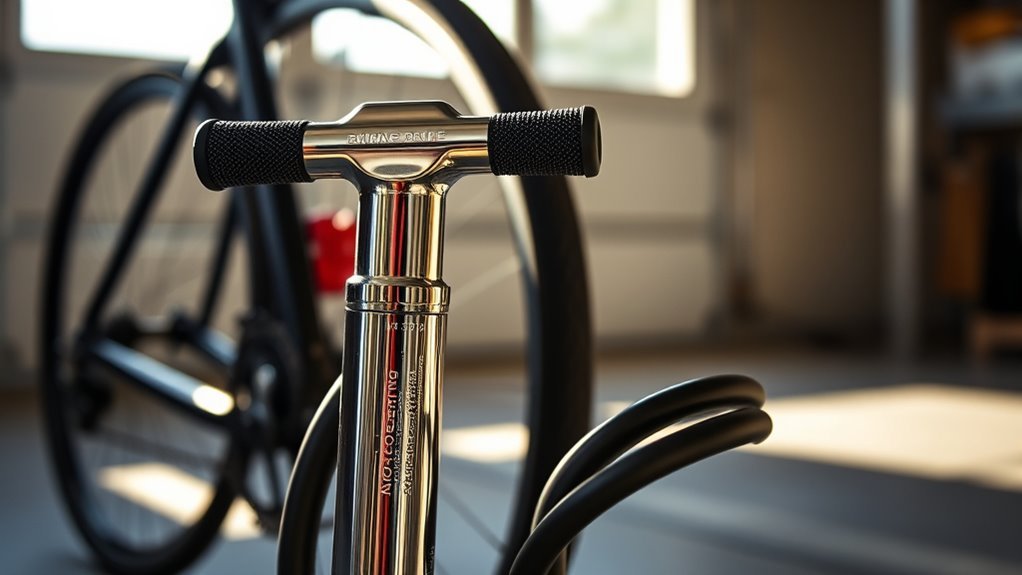
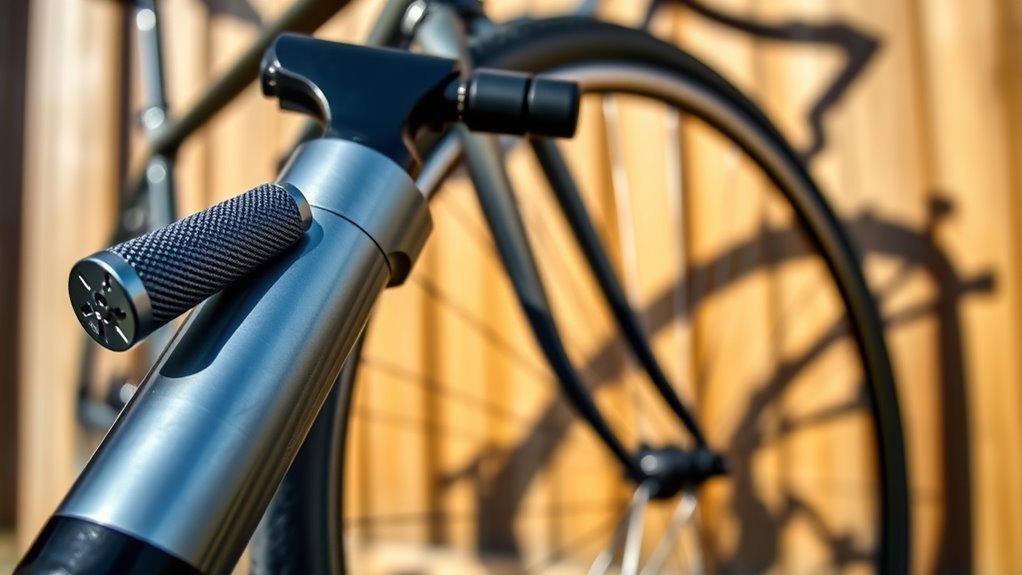
A manual tire inflator, often referred to as a hand pump, is a practical tool that allows you to inflate tires without relying on electricity. This device operates by using physical effort to push air into your tire through a nozzle that connects to the tire valve. You’ll need to operate a lever or handle to generate the necessary air pressure. Manual tire inflators are lightweight and compact, making them easy to store in your vehicle. However, achieving precise pressure settings can be challenging, as many use analog gauges with limited accuracy. Additionally, inflating larger tires, such as those on trucks or SUVs, can be labor-intensive, taking 15-20 minutes to reach the desired pressure from considerably lower PSI.
Benefits of Manual Tire Inflators in Emergencies
When you find yourself in an emergency situation with a flat tire, having a manual tire inflator at your disposal can be a game-changer. These lightweight, compact devices are easy to store in your vehicle, providing a reliable backup solution without needing a power source. In remote areas, a manual inflator allows you to inflate tires without searching for a gas station or outlet. While they require some physical effort and might take longer than electric models, their simple design minimizes mechanical failure risk, guaranteeing reliability when you need it most.
| Advantage | Description |
|---|---|
| Portability | Lightweight and compact for easy storage |
| Cost-Effectiveness | Typically less expensive than electric inflators |
| Independence | No need for power sources or gas stations |
| Reliability | Simple design guarantees readiness and durability |
Essential Features of an Effective Manual Tire Inflator
Choosing the right manual tire inflator involves recognizing essential features that enhance functionality and ease of use. First, look for a lightweight and compact design, allowing you to easily store the inflator in your vehicle. A simple hose and nozzle setup is vital for connecting to tire valves effortlessly. While precision may not match digital gauges, a clear pressure indicator is beneficial for monitoring inflation levels. Consider the time and effort required for inflation; larger tires might take longer, so choose a model that suits your needs. Finally, verify the inflator is budget-friendly, offering reliability without requiring power sources. These features will empower you to handle tire issues confidently and independently.
Manual vs. Electric Tire Inflators: Which Should You Choose?
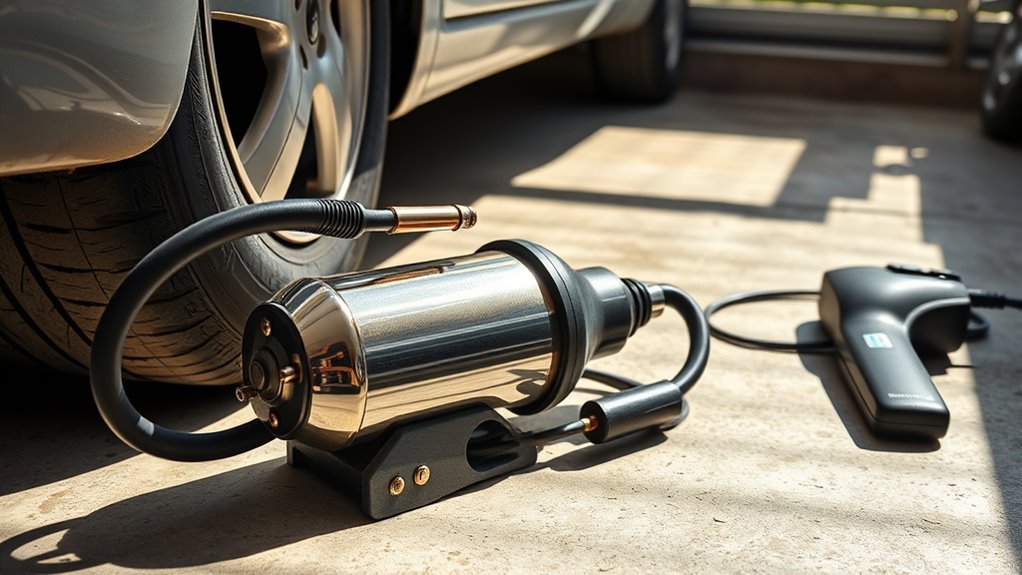
Which type of tire inflator suits your needs best: manual or electric? Manual tire inflators are lightweight and compact, perfect for emergencies when you lack a power source. They’re budget-friendly but require physical effort and take longer to inflate tires. On the other hand, electric tire inflators boast powerful motors for quick inflation, often featuring built-in pressure gauges and automatic shut-off for precision. If you’re a frequent driver or an outdoor enthusiast, the convenience of electric models—often equipped with LED lights and USB charging—may be more beneficial. Ultimately, your choice hinges on how you plan to use the inflator and whether you prioritize portability or efficiency. Consider your lifestyle and make an informed decision.
When to Choose a Manual Tire Inflator Over Electric Options?
If you’re considering a manual tire inflator, several factors can guide your decision. First, if you’re budget-conscious, manual tire inflators typically offer a lower upfront cost than electric options, making them ideal for occasional use. Their lightweight and compact design allows for easy storage in your vehicle or backpack, perfect for emergencies. Additionally, these inflators don’t require a power source, ensuring reliability in remote locations or outdoor adventures. While the physical effort needed might deter some, it fosters a better understanding of tire pressure maintenance. For those who infrequently inflate tires or seek a straightforward backup, manual tire inflators are a practical choice, avoiding the complexities of electronic devices. Consider your needs and circumstances before making a decision.
How to Properly Use a Manual Tire Inflator
To properly use a manual tire inflator, start by verifying the tire valve is clean and free of debris. Next, attach the inflator’s nozzle securely to the valve to prevent air leakage. Begin pumping the handle steadily, monitoring the pressure with the built-in gauge or a separate gauge to avoid over-inflation. It typically takes about 15-20 minutes to inflate a larger tire, so patience is key. Once you reach the desired pressure, quickly detach the inflator from the valve to minimize air loss, and securely replace the valve cap. Regularly check and maintain your manual tire inflator to verify it’s in good working condition, as wear and tear can impact its efficiency and accuracy.
Using and Maintaining Your Manual Tire Inflator
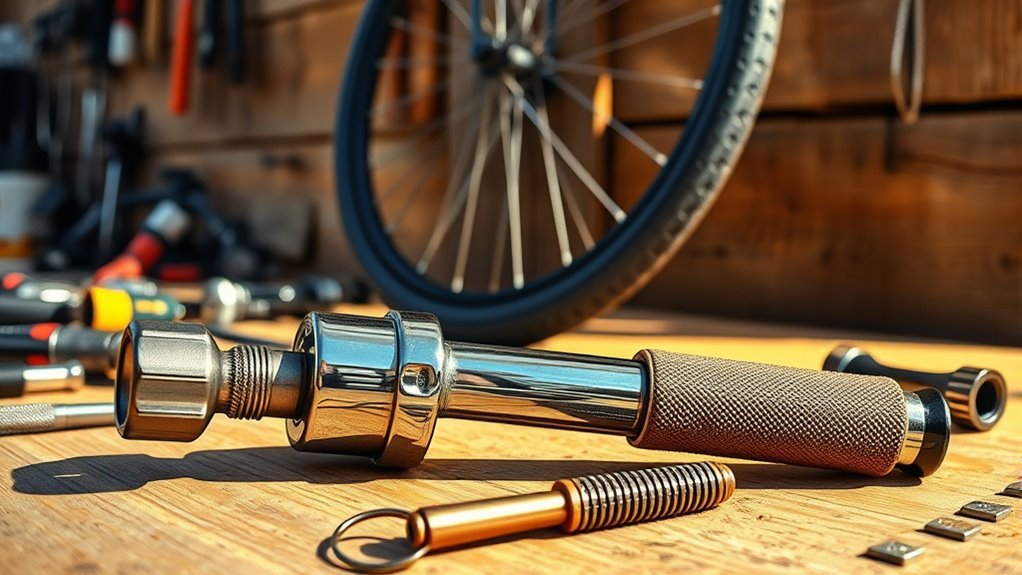
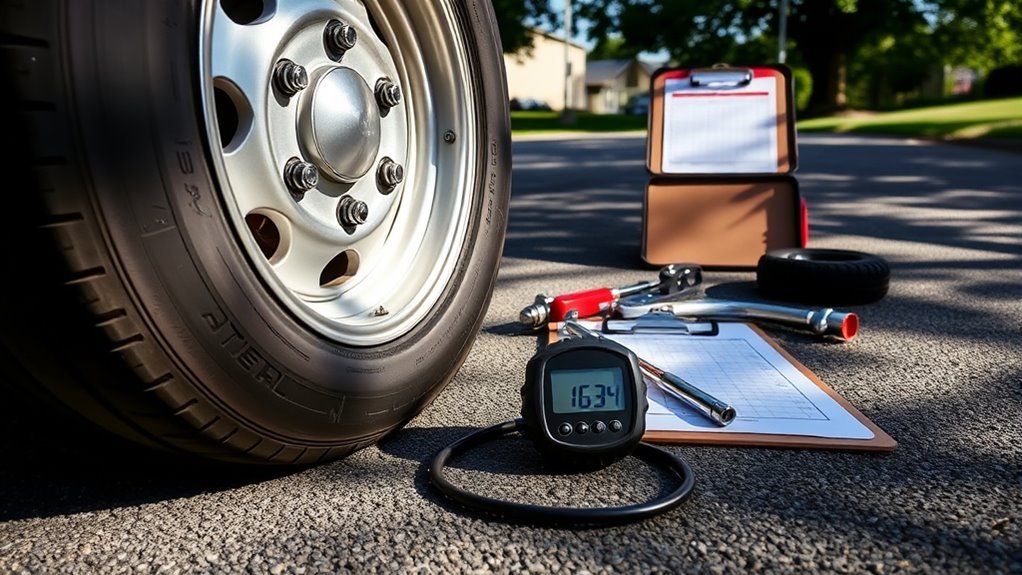
Using a manual tire inflator effectively relies on proper operation and routine maintenance. Start by securely connecting the inflator to the tire valve to prevent air loss. Inflating a larger tire can take 15-20 minutes, so be prepared for some physical effort. Regularly check for air leaks in the hose and connection points to guarantee peak performance. Store your inflator in a dry place to avoid rust and corrosion. For accuracy, use a separate pressure gauge to monitor tire pressure, as many manual inflators come with basic analog gauges that might not provide precise readings. By maintaining your inflator and using it correctly, you can ensure it performs reliably when you need it most.
Common Mistakes to Avoid When Using a Manual Tire Inflator
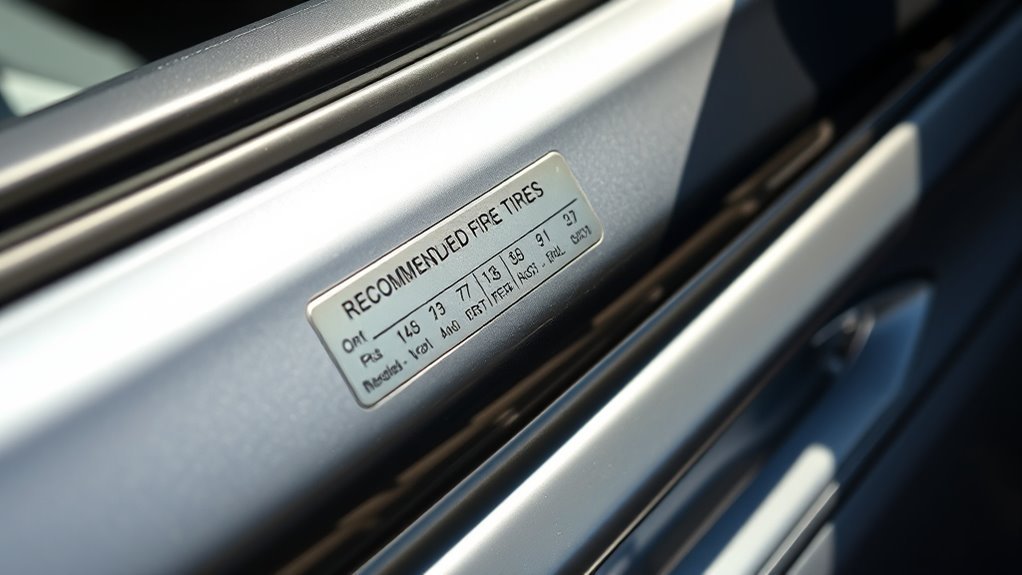
When inflating tires manually, avoiding common mistakes can greatly enhance safety and efficiency. First, always check the recommended tire pressures on your vehicle’s door panel. Exceeding this limit can cause tire damage or blowouts. Use a reliable pressure gauge to monitor inflation, as manual inflators often lack precise measurement, leading to inaccuracies. Before attaching the inflator, verify the tire valve is clean and free of debris to prevent air leaks. Inflate tires gradually, and don’t hesitate to take breaks; larger tires can be physically demanding. Finally, remember to securely replace the valve cap after inflation. Neglecting this step can lead to air loss and compromise your tire performance. Stay safe and efficient while managing your tires!
Practical Scenarios for Using a Manual Tire Inflator
Inflating your tires manually can be particularly useful in various situations, especially when power sources aren’t available. Picture yourself in a remote location or during an outdoor adventure where a flat tire could ruin your plans. Manual tire inflators, or hand pumps, are compact and lightweight, making them easy to store in your vehicle or carry along. They offer a cost-effective solution, perfect for budget-conscious individuals or as a reliable backup. While they require some physical effort—taking about 15-20 minutes to inflate a larger tire—they deliver consistent results. Although the analog gauges may lack precision compared to digital models, their simplicity and reliability can empower you to tackle unexpected tire issues with confidence.
Conclusion: Is a Manual Tire Inflator Worth It for You?
A manual tire inflator can be a valuable tool for those who prioritize budget-friendly solutions and portability. If you’re looking to save money, these inflators typically cost less than electric options and are lightweight, easily fitting in your vehicle or backpack for emergencies. While they require physical effort and can take 15-20 minutes to inflate larger tires, their independence from a power source makes them ideal for remote areas. However, keep in mind that manual tire inflators may lack the precision of digital gauges, posing a challenge for achieving accurate PSI settings. If you’re comfortable with these trade-offs, a manual tire inflator could be a practical addition to your roadside toolkit.
Frequently Asked Questions
How Does a Manual Tire Inflator Work?
A manual tire inflator works through its inflation mechanism, where you connect the nozzle to the tire valve and repeatedly pump the handle, compressing air and pushing it into the tire until the desired pressure is reached.
What Are the Different Types of Tire Inflators?
You’ve got portable options like manual pumps, electric inflators, and hybrid models. Each type caters to different needs—manual for fitness, electric for speed, and hybrids for flexibility—ensuring your tires stay ready for any adventure.
Do Hand Held Tire Inflators Work?
Yes, hand-held tire inflators work, though their efficiency can vary. You’ll find them effective for emergencies, but expect a labor-intensive process. Achieving precise PSI might be challenging, so consider this before relying solely on one.
How to Use a Manual Tire Pump?
To use a manual tire pump efficiently, attach the nozzle securely to the tire valve, pump steadily for 15-20 minutes, regularly check pressure, then detach and replace the valve cap to maintain ideal tire pressure.
Conclusion
In the end, a manual tire inflator can be a lifesaver when you’re caught in a pinch, offering reliability and simplicity. It’s like having a trusty companion on the road—always ready to lend a hand. Whether you’re facing a flat tire in a remote area or just need a quick boost, this tool is worth considering. So, weigh your options and decide if a manual inflator fits your needs; it might just be the perfect addition to your emergency kit.