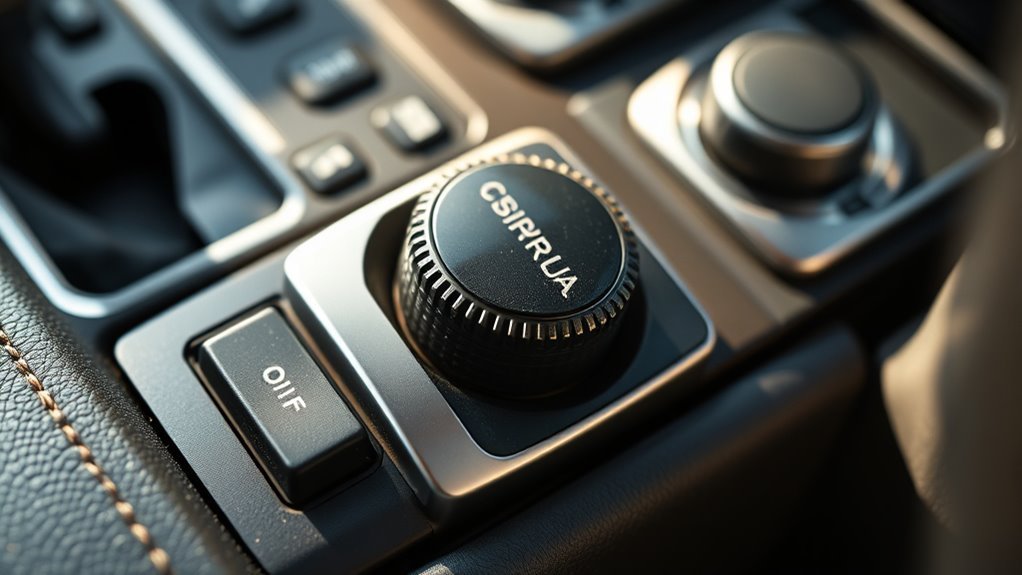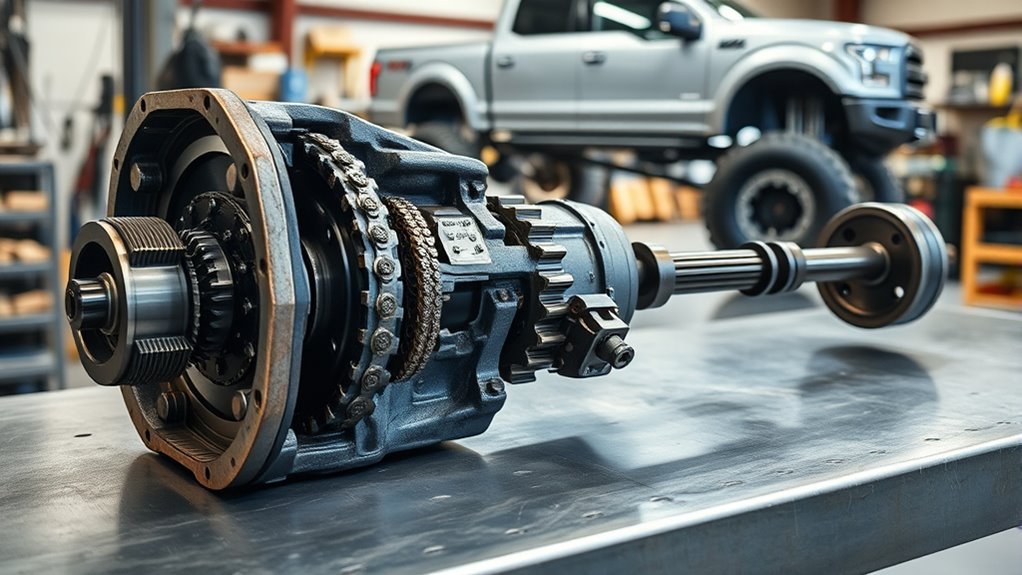
To release the Land Cruiser’s center differential, shift into 2WD or toggle between 4Hi and 4Lo at low speed, then press the center diff lock switch until the indicator light goes out; it blinks while engaging and stays solid when locked. Always release for dry pavement to avoid driveline windup, and confirm operation after warming the differential and checking battery and actuator condition. Keep an eye on blinking lights—more troubleshooting and maintenance tips follow if you want them.
How to Engage and Disengage the Center Diff Lock (4Hi & 4Lo)
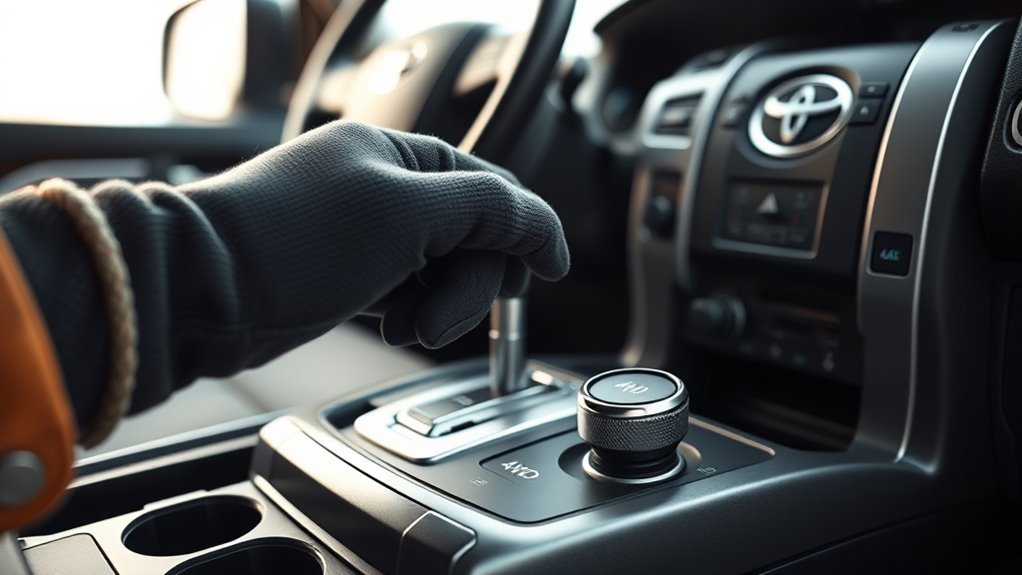
Start by putting the Land Cruiser into 4Hi or 4Lo—then slow to under 62 mph if you’re in 4Hi (4Lo can be engaged at any speed)—and press the center diff lock; the indicator will blink while it engages and will stay solid when the lock is fully applied. You’ll feel immediate control as torque balance shifts; that steady light confirms the mechanism latched. Use deliberate engaging techniques: pick the correct range, reduce speed, and let the indicator finish blinking before pushing harder. To disengage, shift back toward 2WD or toggle between 4Hi/4Lo while driving slowly, following disengaging tips like easing throttle and avoiding abrupt steering inputs. Regularly exercise the lock/unlock cycle to keep parts free and predictable, especially before demanding terrain, so you stay ready to break constraints on your route. Don’t leave the lock engaged on dry pavement—unlock to prevent driveline windup and potential damage. These steps free both vehicle and driver to move confidently.
When to Lock or Unlock the Center Diff (Practical Rules)
Now that you know how to engage and disengage the center diff, you’ll want a clear set of rules for when to use it so you don’t damage the driveline or lose control. You’ll secure the center differential on slippery surfaces — snow, mud, or loose gravel — to maximize traction stability and keep momentum when paths get rebellious. Always engage the lock at speeds below 62 mph to avoid driveline windup and costly failure. For everyday travel on dry, hard roads, release the center diff to preserve handling and prevent mechanical stress. In demanding off-road situations use 4Lo with the lock engaged for precise control, recognizing 4Hi engagement can fail if electrical or mechanical faults exist. Regularly exercise the locking mechanism so it won’t gum up when you need freedom from being stuck. Follow these practical rules and you’ll gain confident, liberated control without sacrificing the longevity of your Land Cruiser’s drivetrain.
Common Problems When the CDL Won’t Stay Engaged : Quick Fixes
If the CDL indicator blinks but won’t stay engaged, don’t assume it’s a simple glitch — it often points to an electrical or mechanical fault that deserves quick diagnosis. Start by inspecting the locking mechanism and its wiring for corrosion, loose connectors, or damaged insulation. If you see obvious issues, clean and tighten connections; a secure ground often restores reliable engagement. Test engagement in low-speed conditions (below 50 mph) and try 4Lo versus 4Hi: successful lock in 4Lo but not 4Hi narrows the fault to range-specific electrical components or the actuator path. Don’t forget the battery — a weak pack can produce intermittent failures that mimic actuator faults. If exercising the CDL has been neglected, gently cycle it to free a gummed mechanism, then retest. When quick fixes don’t work, record what you observed and seek professional diagnostics; targeted repairs prevent repeated failures and keep your freedom to go where you choose intact.
Maintain the Center Diff Lock: Warm‑Up, Cycling, Battery, Actuator
After you’ve tried the quick fixes for a CDL that won’t stay engaged, keep a regular maintenance routine so failures become rare instead of routine. You’ll want to warm up the center differential by driving a short distance before attempting engagement; heat and movement thin lubricants and improve the chances of a clean, positive lock. Regularly cycle the lock—engage and disengage several times—to prevent gumming and to confirm smooth operation. Monitor differential lubrication levels and condition as part of this regimen; contaminated or low fluid undermines engagement reliability.
Check battery condition because a weak battery can sabotage locks that rely on electric actuators. Test the actuator electrically and mechanically during engagement troubleshooting so you can separate control faults from mechanical binding. These steps liberate you from avoidable strandings and build confidence: warm-up, cycle, inspect fluid, confirm battery, and verify actuator. If persistent problems remain, tap community resources or a pro for deeper diagnostics.
When to Get Professional Help: Diagnostics & Drivetrain Warning Signs
When your center diff lock starts blinking instead of holding steady, you shouldn’t shrug it off — that flashing often points to an electrical or mechanical fault that needs professional diagnostics. You’ll want a technician to hook up proper diagnostic tools to read error codes and trace electrical issues; ignoring consistent warning lights risks cascading damage. If you hear abnormal drivetrain noises or grinding when engaging or disengaging the lock, stop testing and get expert assessment — those sounds often mean internal wear or misalignment that can worsen quickly.
Difficulty shifting between 4Hi and 4Lo, or a lock that only engages in 4Lo, signals underlying mechanical problems a shop should evaluate. Regular maintenance, including battery checks and actuator inspections by a qualified technician, reduces failures and keeps you free to go wherever you choose. Seek professional help promptly so you retain control, avoid costly repairs, and keep your Land Cruiser’s drivetrain reliable and liberated.
Frequently Asked Questions
How to Unlock a Diff Lock?
You release a diff lock by stopping or slowing, selecting appropriate gear, then disengaging the locking mechanism; you’ll analyze differential types, anticipate electronic or mechanical behaviors, and enthusiastically free traction while avoiding drivetrain windup and faults.
Conclusion
You’ve got the steps: engage 4Hi/4Lo, listen for the actuator, and use CDL when traction’s sketchy—but don’t lock it on dry pavement. Think like a stagecoach driver checking iron wheels before a storm: warm it up, cycle it occasionally, keep the battery healthy, and troubleshoot stuck actuators with basic checks. If problems persist or warning lights flash, get professional diagnostics—prompt action protects differentials, transfer case, and your Land Cruiser’s long-term reliability.