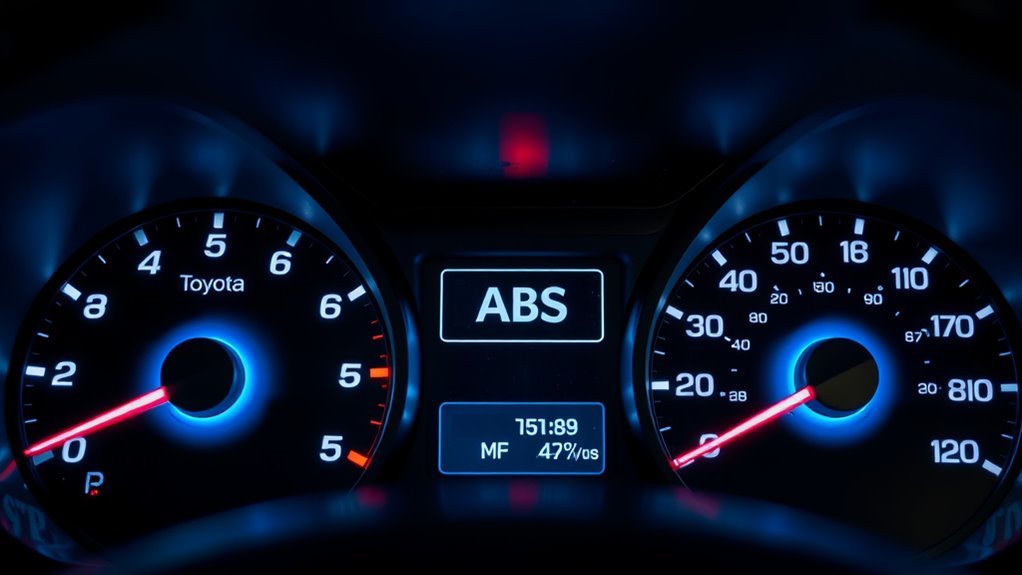
You’ll prepare the manual front hubs by turning each lever to Lock, cleaning splines, and verifying they click fully engaged, then slow under about 62 mph, keep the steering straight, ease off the throttle and shift the transfer case into 4H until the dash light confirms engagement. Expect firmer traction and steadier steering on mud, snow, or gravel; avoid abrupt inputs and don’t leave hubs locked on pavement to save fuel and prevent wear — more tips follow below.
Prepare Manual Front Hubs for 4H
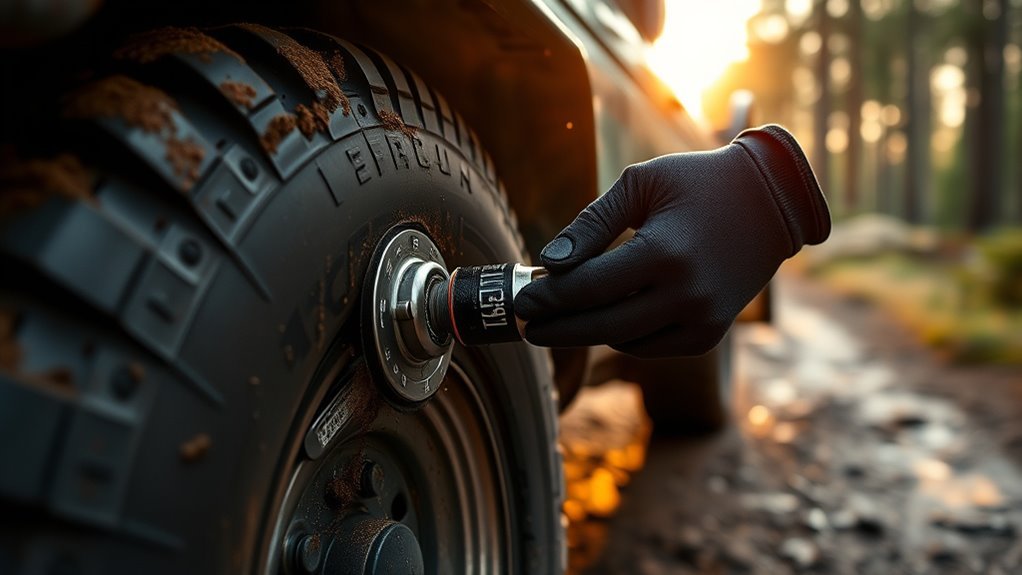
Start by turning the manual front hubs to the “Lock” position so power can reach the front wheels; this is essential before engaging 4H. You’ll use clear hub locking techniques: inspect each hub, remove dirt, align the splines, and rotate firmly until it seats and clicks. Trust your hands — deliberate motion prevents cross-threading or incomplete engagement.
Use these manual engagement tips every time you prepare for slippery roads or steep climbs. Confirm hubs lock mechanically, then glance at the dashboard once you engage the transfer case to verify the 4H indicator. Regularly test hub function during routine maintenance to avoid surprise failures when freedom depends on traction.
You’re responsible for reliable engagement: be methodical, don’t force parts, and address any stiffness or play immediately. Doing so preserves your vehicle’s capability and gives you the confidence to choose your path without hesitation.
How to Engage 4H While Driving
With the manual hubs locked as described, you can engage 4H on the move—just slow slightly, keep the steering straight, and shift the transfer case at speeds under 62 mph. You’ll ease off the throttle, hold a steady heading, then move the transfer lever into 4H; the dashboard light confirms full engagement. Always verify hubs are locked—if they’re in Free, the front wheels won’t drive and 4H won’t function.
Use these driving techniques and safety tips: pick a firm surface or controlled speed, avoid abrupt inputs while shifting, and don’t exceed the speed limit for engagement. Engage 4H when traction is marginal—slippery roads, loose gravel, or moderate inclines—so you stay mobile without stressing the drivetrain. This method prevents wind-up and gives you confident, liberated control. Practice the procedure in a safe area until it’s second nature, then move into challenging terrain with clear intent and respect for the vehicle.
What You’ll Notice After Engaging 4H
Once you lock the front hubs and shift into 4H, you’ll feel noticeably firmer traction and steadier steering as all four wheels share power, especially on slick or loose surfaces. You’ll notice immediate traction benefits: reduced wheel slip on mud, snow, gravel, and steep inclines. A dashboard light confirms 4H is engaged, giving you clear feedback so you can press forward with confidence.
You’ll also sense enhanced driving stability; the vehicle tracks truer, resists lateral slides, and responds more predictably to steering inputs. Engage smoothly—briefly ease the throttle and keep the wheel straight—to avoid drivetrain shock during the shift. In regular off‑road use, leaving hubs locked won’t meaningfully harm range, so you can maintain liberation without constant hub switching. This combination of feedback, control, and reliability lets you push boundaries deliberately, knowing the Land Cruiser’s systems are actively working to keep you moving and in command.
When to Use 4H: Road, Off‑Road, Weather

Use 4H when traction is compromised—slippery surfaces, steep grades, or loose terrain—to improve stability and control. On paved roads keep speeds under 62 mph and disengage the hubs for prolonged highway travel to avoid drivetrain stress and save fuel. In off‑road or adverse weather conditions lock the hubs and run 4H to prevent wheel slip and maintain drive through mud, snow, gravel, or standing water.
When To Engage
If you’re driving on slippery surfaces—mud, snow, gravel—or tackling steep, technical off‑road sections, engage 4H to improve traction and stabilize the Land Cruiser. Use engagement timing as part of your terrain analysis: shift into 4H before you lose traction, not after. Keep speed below 62 mph when in 4H to protect the drivetrain. In deep puddles or flooded stretches, secure the front hubs and engage 4H to maintain control and avoid losing drive. During adverse weather, leave hubs secured for consistent performance; when you return to long stretches of pavement, release them to reclaim fuel economy. Trust these clear cues: anticipate slippery or steep conditions, engage early, respect speed limits, and release hubs when normal roadcraft resumes.
Road Versus Off‑Road
When roads get slick or you’re tackling uneven trails, engage 4H—after securing the manual front hubs—to give all four wheels power and improve traction and stability. You’ll use 4H for adverse road conditions like mud, gravel, or shallow water crossings; it keeps the Land Cruiser planted and lets you command the path. On paved roads you can engage 4H under 62 mph, but don’t leave hubs secured on level pavement—disengage them to reclaim fuel efficiency and spare the drivetrain. For true off-road, apply proven off-road techniques: lower tire pressure, modulate throttle, and trust the traction 4H provides. When the route is smooth and flat, shift back to 2H and release hubs to maximize freedom and range.
Weather And Traction
After handling road-versus-off-road choices, consider how weather changes your 4H needs: engage 4H on slippery, steep, or flooded surfaces to send torque to all four wheels and improve control, and keep the manual front hubs locked in winter or heavy rain to prevent wheel slip and rear-end float in deep water. You’ll use 4H for mud, snow, gravel, and standing water; it stabilizes the Land Cruiser and resists lateral drift. Monitor tire pressure and adapt to changing road conditions; low pressure can worsen handling, high pressure reduces grip. Don’t exceed 62 mph in 4H, especially without locked hubs. Choose freedom: make decisive, safe inputs to exploit traction and stay in control.
| Situation | Action | Benefit |
|---|---|---|
| Snow | Engage 4H | Traction |
| Mud | Lock hubs + 4H | Power transfer |
| Flood | 4H | Stability |
| Gravel | 4H | Control |
Troubleshooting: 4H Won’t Engage or Hubs Don’t Lock
First check that each front hub lever is fully in the Lock position and the dash 4H light comes on before assuming a drivetrain fault. If hubs are correct but engagement still fails, inspect drive components—axles, CV joints, and the transfer case—for wear or damage and listen for unusual noises while shifting. Finally, flush and replace contaminated transfer-case and hub grease, then test engagement again to confirm the mechanism operates smoothly.
Check Hub Lever Position
1 clear step before troubleshooting 4H not engaging is to verify the manual hub levers are firmly in the Lock position, since disengaged (Free) hubs will prevent the front wheels from receiving power. You want freedom on the trail, not a stalled drivetrain. Check hub types (manual vs. automatic) so you know which action applies, and look for obvious engagement issues at the hubs.
- Feel the lever: firm click into Lock restores control.
- Confirm while rolling slowly: slight throttle, straight steering.
- Watch the dash: 4H indicator must illuminate.
- Recheck if indicator fails: hubs often the root cause.
- Inspect regularly: prevent strain and preserve mobility.
Locking hubs correctly liberates your Land Cruiser—take that simple, decisive action.
Inspect Drive Components
Now that you’ve confirmed the hubs are locked, inspect the drivetrain components that actually deliver power to the front wheels. Check the drive shaft for dents, looseness, or torn U-joint boots that let contaminants in; any play or noise under load signals trouble. Examine the drive axle and CV joints for leaks, torn gaiters, or binding—these will prevent smooth engagement and can stop 4H from locking in. Monitor for strange noises or resistance while you shift at low speed; they reveal binding or misalignment. Verify the hub locking mechanism for wear and confirm the dash 4H indicator lights when engaged. Engage under 62 mph and act decisively: replace worn parts to restore reliable, liberating four-wheel drive function.
Flush And Test Engagement
Before you attempt any electrical or mechanical fixes, drain and flush the front differential and transfer case fluids, then test engagement with the hubs manually locked and the vehicle below 62 mph; contaminated or degraded fluid often keeps shift components from moving freely and gives the same symptoms as a mechanical fault. After flushing, manually lock the hubs, perform engagement testing, and watch the dashboard light for confirmation. If wheels don’t spin in 4H, recheck hub position and repeat fluid service. Prioritize hub maintenance to prevent recurrence and liberate yourself from repeat roadside repairs.
- Feel empowered taking control of your drivetrain
- Trust clear steps over guesswork
- Relief comes with decisive maintenance
- Don’t accept limited mobility
- Reclaim dependable off-road readiness
How Locked Hubs Affect Fuel Economy and Wear
When you lock the hubs and engage 4H, you’ll gain traction in mud or snow but also add mechanical drag that can lower fuel economy on paved roads. You should understand hub engagement and fuel efficiency trade-offs: locked hubs couple front driveline parts, increasing friction and rolling resistance. Toyota warns against extended 2H driving with hubs locked on pavement because that added drag reduces miles per gallon. In practice, many users report negligible consumption change during typical off-road use, so locked hubs are manageable when you need them. Still, you’ll preserve liberation by using hubs intentionally—engage for traction, disengage for cruising. Regularly cycle and service hubs to prevent binding and excess wear; proper maintenance minimizes drivetrain stress and extends component life. Be aware that full-time driveline designs (like the 80 series) behave differently, and driving without front props or halfshafts connected changes fuel use. Choose hub engagement based on terrain, and maintain them to keep efficiency and longevity aligned.
Common Mistakes That Damage the Drivetrain (And How to Avoid Them)
Having covered hub engagement and fuel trade-offs, let’s look at common mistakes that actually damage the drivetrain and how to avoid them. You want freedom on and off-road, so avoid errors that trap you or cost you repairs. Locking hubs is a deliberate act; failing to lock them before engaging 4H can leave front wheels unpowered and force other components to compensate, causing drivetrain strain. Likewise, driving locked on pavement chokes efficiency and produces wear. Engaging 4H above 62 mph risks improper meshing and damage.
- Panic-engaging 4H without confirming hubs — leads to sudden stress and failure.
- Cruising on pavement with locked hubs — wastes fuel and accelerates wear.
- Hitting 4H at high speed — risks catastrophic misalignment.
- Ignoring hub checks before deep water or mud — invites loss of drive.
- Leaving hubs locked long-term — causes odd noises and component fatigue.
Check hubs, engage deliberately, and you’ll preserve freedom and the drivetrain’s integrity.
Routine 4WD Maintenance: Hubs, Transfer Case, and Lube
While regular use and rough conditions put strain on the 4WD system, routine checks of your Land Cruiser’s manual hubs, transfer case, and lubricants keep traction reliable and prevent costly failures. You’ll inspect hub maintenance visually and by feel: clean, lubricate pivot points, and verify manual locking hubs engage smoothly before challenging terrain. Don’t leave hubs locked on pavement — it wastes fuel and accelerates wear. Confirm 4H engagement by shifting and listening; unusual noises or drivetrain strain when moving between 2H and 4H tell you to stop and diagnose.
Service the transfer case with quality synthetic gear lube on the manufacturer’s schedule to extend component life and improve efficiency. Check for leaks, metal particles, or contamination at each oil change. When you detect problems, address them immediately to avoid cascading failures. These disciplined, proactive steps preserve mobility, freedom, and control so your Land Cruiser stays ready for every liberated adventure.
Upgrades: Solid Flanges vs Full‑Time 4WD – When to Consider Each
If you spend more time off pavement or want a simpler, more robust engagement method, solid flanges give you a tamper‑proof way to lock the front driveline instantly and reduce potential drivetrain strain compared with part‑time hub systems. You get solid flanges benefits like immediate engagement, lower component wear, and no manual hub fiddling—practical for regular off‑road use without notable fuel penalty. Full time 4WD advantages include better on‑road stability and traction in slippery conditions, ideal for winter or mixed driving. Choose based on where you drive, how much maintenance you’ll accept, and whether you want constant traction or selectable control. Consider this trade: solid flanges liberate you from hub maintenance and sudden failures; full‑time systems free you from engagement decisions and improve handling.
- Confidence when terrain gets honest
- Freedom from sticky hubs and stray rocks
- Control over drivetrain stress
- Peace of mind in snow and rain
- Simpler, durable ownership choices
Frequently Asked Questions
How to Put a Land Cruiser in 4H?
Put hubs to Lock, slow under 62 mph, straighten the steering and lightly release the throttle while engaging 4H; a dashboard light confirms engagement. Enjoy 4H benefits: improved traction and control, giving you confident, liberated off‑road capability.
Is the Toyota Land Cruiser Always in 4WD?
No — you won’t always have four wheel drive engaged; some Land Cruisers use full-time 4WD while others need manual engagement. Know your model so you can control vehicle performance and liberate your off-road confidence.
Conclusion
You’ve prepped the hubs, shifted into 4H while rolling, and felt the front end bite—coincidence? It’s not: proper engagement, timing, and maintenance make it happen. Use 4H on loose or slippery surfaces, avoid binding by releasing hubs before highway driving, and troubleshoot stuck hubs or transfer-case issues promptly. Treat your Land Cruiser’s drivetrain with respect—do that, and your next unexpected off-road moment will feel like planned confidence, not luck.