Last updated: July 15, 2026 · Checked against Toyota Camry owner guidance and current U.S. hill-parking guidance.
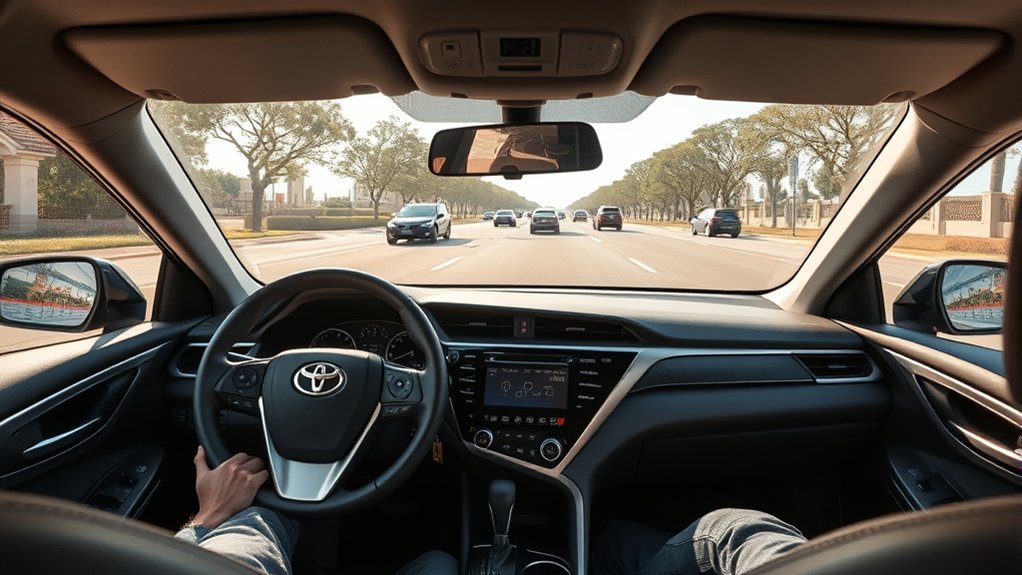
You should use the Toyota Camry parking brake whenever you park, including on level ground. It adds a separate parking restraint and helps keep the vehicle’s weight from resting only on the transmission’s Park mechanism. Camry controls vary by model year and equipment, so first identify whether your car has a push-on/push-off foot pedal, a hand lever, or an electric parking brake switch.
For model-specific instructions, use the Toyota Owners Manuals & Warranties library. The correct sequence differs slightly when an electric parking brake is operating in automatic shift-interlock mode.
Quick Answer
Use the Camry’s parking brake every time you park. With a mechanical pedal or lever, stop fully, keep the regular brake pedal pressed, set the parking brake, shift to Park, confirm the indicator, and then ease off the brake pedal. With an electric parking brake in automatic mode, keep the brake pedal pressed and shift to Park so the system can set the brake. On a hill, also turn the front wheels so the curb or roadside can help stop the car if it moves.
Key Takeaways
- Use the parking brake on flat ground, hills, ramps, driveways, and parking structures.
- Keep the regular brake pedal pressed while setting or releasing the parking brake.
- A mechanical pedal, hand lever, manual EPB mode, and automatic EPB mode do not all use the same sequence.
- Brake Hold is a temporary stopping aid, not a replacement for the parking brake.
- Do not drive if the brake will not release, the vehicle rolls, or a brake warning remains on.
At a Glance
| Camry System | Normal Operation |
|---|---|
| Foot-operated pedal | Press fully to set. On a push-on/push-off design, press again with the regular brake pedal depressed to release. |
| Hand lever | Pull up firmly to set. Pull slightly, press the release button, and lower fully to release. |
| Electric parking brake, manual mode | Pull the switch to set and press it to release while holding the regular brake pedal. |
| Electric parking brake, automatic mode | On an equipped system with automatic mode active, shifting into Park sets the brake and shifting out of Park releases it when operating conditions are met. |
| Brake Hold | Temporarily maintains braking while the vehicle is stopped. It does not secure a parked vehicle in place of the parking brake. |
How Do You Set and Release a Toyota Camry Parking Brake?
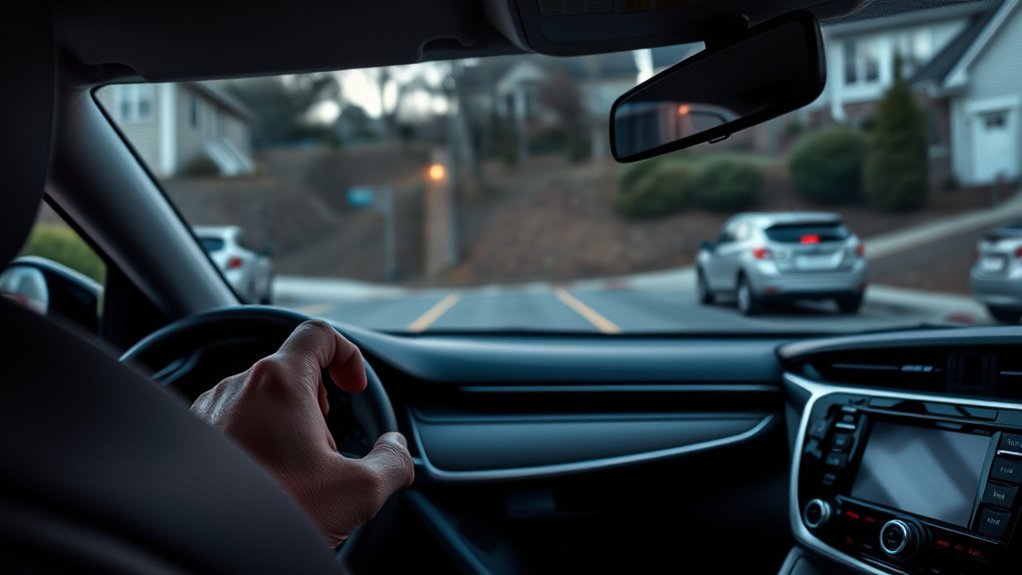
Start by locating the control. A foot-operated pedal will be near the driver’s left foot. A hand lever will be beside the driver’s seat or center console. An electric parking brake switch normally has a circled “P” symbol and sits near the center console. Toyota’s 2024 Camry Quick Reference Guide illustrates both a push-on/push-off pedal and an electric parking brake on equipped vehicles.
[Products Worth Considering]

Please use the PartFinder tool to confirm the correct model
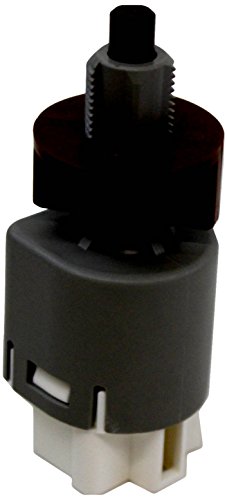
Fit type: Vehicle Specific
For a Foot-Operated Parking Brake
- Stop the Camry completely.
- Keep your right foot firmly on the regular brake pedal.
- Press the parking brake pedal down fully with your left foot until it holds.
- Shift the transmission into Park.
- Confirm that the parking brake indicator is on before easing off the regular brake pedal.
To release a push-on/push-off pedal, keep your foot on the regular brake pedal and press the parking brake pedal again. Confirm that the parking brake pedal returns and the indicator turns off before driving. Check the model-year manual if your Camry has a separate release handle or a different mechanism.
For a Hand-Operated Parking Brake
- Stop fully and keep the regular brake pedal pressed.
- Pull the parking brake lever upward until it is firmly set.
- Shift the transmission into Park.
- Confirm that the parking brake indicator is on.
To release the lever, keep the regular brake pedal pressed. Pull the lever upward slightly, press and hold its release button, and lower the lever completely. Confirm that the indicator turns off before moving.
For an Electric Parking Brake in Manual Mode
- Stop the vehicle and keep the regular brake pedal depressed.
- Pull the electric parking brake switch to set the brake.
- Confirm that the parking brake indicator and light turn on.
- Shift to Park if you have not already done so.
- To release the brake, keep the regular brake pedal depressed and press the switch.
- Confirm that the indicator and light turn off before moving.
For an Electric Parking Brake in Automatic Mode
On the system described in Toyota’s 2024 Camry guide, automatic mode links the electric parking brake to the transmission selector. While holding the regular brake pedal, shifting into Park automatically sets the parking brake. Shifting out of Park releases it when the system’s operating conditions are met.
The 2024 procedure activates automatic mode by stopping the vehicle and pulling and holding the switch until the Multi-Information Display reports that the EPB shift-interlock function is active. Pressing and holding the switch deactivates it. Messages, default settings, and release conditions can differ by model year, so follow the manual for your Camry.
Warning: Do not drive with the parking brake applied. If its indicator does not turn off, an EPB warning appears, a red brake-system warning remains on, or the brakes feel abnormal, keep the vehicle stopped and check the model-year manual. Driving with a dragging brake can create excessive heat, reduce braking performance, and damage brake parts.
When Should You Use the Camry Parking Brake?
Use the Camry parking brake whenever you park, including on level streets, in garages, on driveways, on ramps, and on hills. It gives the vehicle a dedicated parking restraint instead of leaving the transmission’s Park mechanism to carry the entire resting load.
In an automatic Camry, Park engages a parking-lock mechanism inside the transmission. Toyota describes its genuine parking-lock pawl assembly as a transmission component that helps hold an automatic transmission in Park. The parking brake and Park position should work together rather than being treated as substitutes.
A parking brake is a small habit that adds another restraint between a parked Camry and unintended movement.
Regular operation also helps you notice changing pedal travel, a lever that feels loose, a switch that does not respond, or an indicator that behaves differently. It does not guarantee that cables or rear-brake hardware will remain free of corrosion, so inspection is still important.
Pro Tip: For a mechanical system, stop fully, hold the regular brake pedal, set the parking brake, shift to Park, confirm the indicator, and then ease off the pedal. For an EPB in automatic mode, hold the brake pedal, shift to Park, and confirm that the electric parking brake has set before releasing the pedal.
Is Brake Hold the Same as the Parking Brake?
No. Brake Hold is designed to maintain service-brake pressure during a temporary stop, such as at a traffic light. Toyota’s 2024 Camry guide states that Brake Hold can keep braking applied while the selector is in Drive, Sequential, or Neutral and release it when the accelerator is pressed. The parking brake is the system that secures the Camry after you park, so Brake Hold should not replace it.
How Do You Use the Parking Brake on Hills and Ramps?
Hill parking needs more than one safeguard. Set the parking brake, leave an automatic Camry in Park, and turn the front wheels so the curb or roadside can redirect the vehicle away from traffic if it moves. The California Driver’s Handbook provides the wheel-direction guidance below.
Safe Hill-Parking Sequence
- Stop the vehicle fully with the regular brake pedal.
- Keep your foot on the brake pedal.
- Turn the front wheels in the correct direction for the hill and curb.
- Set a mechanical parking brake firmly, or shift into Park to activate an automatic EPB.
- Make sure the transmission is in Park.
- Slowly ease off the regular brake pedal and confirm that the car remains secure.
Which Way Should You Turn the Wheels?
| Parking Situation | Turn the Front Wheels |
|---|---|
| Downhill with a curb | Toward the curb |
| Uphill with a curb | Away from the curb, then ease back until the tire gently touches the curb |
| Uphill or downhill with no curb | Toward the side of the road so the vehicle would roll away from traffic |
| Sloping driveway | Turn the wheels so the car would not roll into the street |
When leaving a hill, keep the regular brake pedal pressed while selecting Drive or Reverse. Release a mechanical parking brake, or confirm that the electric parking brake has released, before accelerating gently. Do not force the shifter if the vehicle’s weight has settled against the Park mechanism.
How the Parking Brake Reduces Load on Park

When an automatic transmission is shifted into Park, a parking-lock mechanism prevents the transmission output from rotating. The parking brake lets the wheel brakes share the vehicle’s parked load instead of leaving that load entirely against the Park mechanism.
Why Can the Shifter Feel Stuck After Parking on a Hill?
If a Camry is allowed to roll slightly after being shifted into Park, its weight can settle against the parking-lock mechanism. The shifter may then require more effort to move out of Park. Setting a mechanical parking brake before releasing the regular brake pedal helps the brake system carry the resting load. With an automatic EPB, confirm that it applies when Park is selected.
| Benefit | What It Does |
|---|---|
| Shares the parked load | Lets the wheel brakes help hold the vehicle |
| Can ease shifting out of Park | Reduces how hard the vehicle settles against the Park mechanism on a slope |
| Improves hill security | Adds another restraint alongside Park and correct wheel direction |
| Makes faults easier to notice | Regular use can reveal abnormal pedal, lever, switch, or indicator behavior |
Reduces Parking-Pawl Load
The parking pawl or parking-lock mechanism is designed to hold the transmission in Park. Using the parking brake helps reduce avoidable resting load, especially on an incline. It does not make the pawl failure-proof or replace correct hill-parking practices.
What the Parking Brake Does Not Protect
The parking brake does not prevent internal transmission wear, repair fluid leaks, or replace scheduled maintenance. Its transmission-related benefit is narrower: it reduces how much parked load rests against the Park mechanism. Correct wheel direction and a healthy braking system remain equally important.
Note: If your shifter is stuck in Park, do not force it. Press the regular brake pedal firmly, confirm that the parking brake has released, and follow the model-year owner’s manual. Have the Camry inspected if the problem continues.
How Do You Troubleshoot a Camry Parking Brake?
A healthy parking brake should apply firmly, release completely, hold the vehicle on a reasonable incline, and operate its indicator as described in the owner’s manual. Do not trust it on a hill if the pedal or lever feels unusually loose, the electric system shows a warning, or the vehicle moves after application.
[Products Worth Considering]

Replace Part Number:46310-33010 4631033010.

[Perfect Fitment-1]: Compatible with Toyota Camry 2018-2025, C-HR 2020-2022(Rear; Built in Japan), Corolla 2019-2025, Corolla Cross 2022-2025, Crown 2023-2025, Crown Signia 2025, Grand Highlander 2024-2025, Highlander 2020-2025, RAV4 2019-2025, RAV4 Prime 2021-2024, Sienna 2021, Sienna 2022(Rear), Sienna 2023-2025, Venza 2021-2023, Venza 2024(Rear), Avalon 2019-2022, bZ4X 2023-2025

Corolla Highlander RAV4 C-HR Parking Brake Actuator
Common Failure Symptoms
- Indicator remains on after release: The parking brake may not be fully released. A flashing EPB indicator, warning message, or persistent red brake-system warning may indicate a fault that needs inspection.
- Vehicle rolls after setting the brake: The parking brake may be worn, contaminated, out of adjustment, damaged, or not fully applied.
- Loose pedal or hand lever: A cable-operated system may have worn hardware, excessive travel, stretched linkage, or poor adjustment.
- Pedal or lever binds: Corrosion, a seized cable, damaged linkage, or stuck rear-brake hardware may be involved.
- Electric switch produces no response: The EPB may have an electrical, actuator, battery-voltage, or control-system fault. Follow the warning message and owner’s manual.
- Grinding, scraping, burning odor, or unusual heat: Stop driving. The parking brake may be dragging, or the rear brakes may require immediate service.
- “Parking Brake Unavailable” or a similar message: Keep the vehicle secure, follow the model-year manual, and arrange inspection if the message does not clear.
Inspecting Brake Cables
For a cable-operated Camry, a visual inspection can reveal rust, frayed strands, damaged protective boots, loose brackets, kinks, or uneven movement. Do not crawl under a vehicle supported only by a jack. Use correctly rated stands on a stable surface or leave the inspection to a qualified technician.
Replace a cable that is frayed, badly corroded, kinked, damaged, or slow to return. Lubricant cannot restore damaged strands or make a compromised safety component reliable.
Should You Adjust or Lubricate It Yourself?
Parking-brake adjustment varies by model year, rear-brake design, and control type. Excessive tension can make the brake drag and overheat. Too little tension can prevent it from holding the vehicle. Use the factory procedure and specifications, or have a qualified technician perform the work.
- Clean visible dirt from accessible pedal, lever, and linkage areas.
- Lubricate only a pivot point specifically approved by the service procedure.
- Never apply lubricant to pads, shoes, rotors, drums, or other friction surfaces.
- Inspect rear-brake condition before changing cable tension.
- Use the specified pedal, lever, or parking-brake travel measurement.
- After service, test operation in a safe, controlled area before relying on it on a hill.
Warning: Do not spray lubricant on brake pads, shoes, rotors, or drums. Contaminated friction surfaces can reduce braking performance and may require replacement.
How to Prevent Binding and Keep the Brake Working
Use and release the parking brake during normal parking so you can notice stiffness, excessive travel, delayed release, or changing indicator behavior early. Regular use does not prevent corrosion by itself, especially where road salt, water, dirt, or damaged cable boots expose the mechanism.
During routine brake service, ask the technician to check parking-brake operation, rear-brake condition, cable routing, protective boots, brackets, and warning indicators. For an electric parking brake, rear-brake work must follow Toyota’s model-specific service procedure, including the required service mode when applicable.
Good parking-brake care is straightforward: apply it correctly, release it completely, watch the indicator, and respond when its feel or behavior changes. Have the system inspected before relying on it on a hill if the Camry moves, drags a brake, or displays a warning.
[Products Worth Considering]

[Vehicle Fitment]: Compatible with Lexus ES350 2007-2013; Compatible with Toyota Camry 2007 (Automatic Transmission; CE/LE/SE/XLE model), Camry 2008-2009, Camry 2010-2011 (LE/SE/ XLE model, Built in U.S.A. Automatic Transmission), Camry 2010-2011 (LE/ SE/XLE model,Built in Japan) --- Rear Right Passenger Side

Precision engineered OE style design ensures proper fit for a no hassle installation.Material:steel
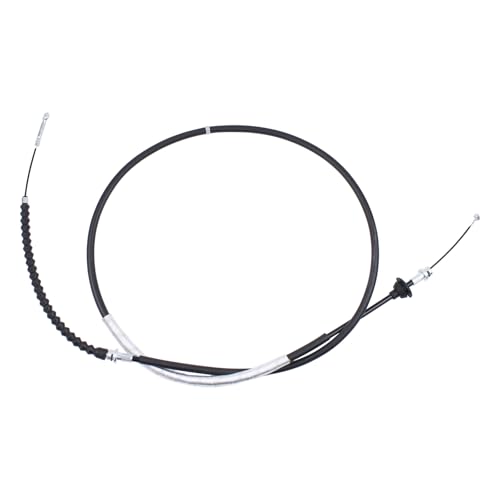
Fit for Toyota 4Runner 1990-1995
Frequently Asked Questions
When am I supposed to use the Camry parking brake?
Use it every time you park, including on level ground. It is especially important on hills, ramps, sloped driveways, gravel, and other places where unintended movement would create a hazard.
Can I apply the Camry parking brake while driving?
Do not apply it during normal driving. Emergency operation differs between mechanical and electric systems, so follow the exact emergency instructions in your model-year owner’s manual rather than experimenting while the vehicle is moving.
Should I use the parking brake on flat ground?
Yes. It adds a separate parking restraint and prevents you from relying only on the transmission’s Park mechanism. Regular operation also makes changes in pedal, lever, switch, or indicator behavior easier to notice.
Does the Camry electric parking brake set automatically?
It can on an equipped Camry when automatic mode is active. In the system described by Toyota’s 2024 guide, shifting into Park while holding the brake pedal sets the electric parking brake. Shifting out of Park releases it when the required conditions are met. Check your model-year manual because settings and behavior can differ.
Is Brake Hold the same as the parking brake?
No. Brake Hold temporarily keeps the service brakes applied while the vehicle is stopped and normally releases when you accelerate. The parking brake is the restraint used to secure the Camry after parking.
Why is my Camry parking brake light still on?
The brake may not be fully released, or the vehicle may be displaying an EPB or brake-system warning. Stop safely, identify the exact indicator or message in the owner’s manual, and try the correct release procedure with the regular brake pedal depressed. Do not continue driving if a red brake-system warning remains on or braking feels abnormal.
Can I drive if the parking brake will not release?
No. A parking brake that remains applied can overheat brake parts, reduce braking performance, and cause rapid wear. Keep the car in a safe place and contact a Toyota dealer or qualified repair facility.
Does the Camry parking brake protect the transmission?
It helps reduce parked load on the transmission’s Park mechanism, especially on a slope. It does not protect the entire transmission or replace maintenance. Apply the parking brake before releasing the regular brake pedal, or confirm that an automatic EPB sets when you shift into Park.
Conclusion
Use the Toyota Camry parking brake every time you park, but match the procedure to the control fitted to your vehicle. A mechanical pedal or lever is set manually before you release the regular brake pedal. An electric parking brake may operate manually or apply automatically when you shift into Park.
On a hill, combine the parking brake with Park and the correct wheel direction. Before relying on the system, confirm on level ground that it sets, holds, releases completely, and operates the expected indicator. Check the model-year manual or arrange an inspection if the vehicle moves, the brake drags, or a warning remains displayed.
Sources
- Toyota Owners Manuals & Warranties — official Toyota source for model-specific owner’s manuals.
- Toyota 2024 Camry Quick Reference Guide — foot-operated parking brake, electric parking brake, automatic mode, manual mode, indicators, and Brake Hold.
- California DMV Driver Handbook: Parking on a Hill — parking-brake use and wheel direction on hills.
- New York DMV Driver’s Manual: How to Park on a Hill — hill-parking safety guidance.
- Toyota Genuine Parking Lock Pawl Assembly — Toyota description of the automatic-transmission parking-lock component.
- SAE Technical Paper: Parking Pawl Mechanism — engineering context for automatic-transmission parking-pawl systems.