Climate control defrost modes are designed to clear moisture, frost, or ice from vehicle glass so you can see before and while driving. The key is to match the setting to the problem: use defogging for condensation on the inside of the windshield, and use stronger defrosting for frost or ice on the outside.
Quick Answer
For inside fog, direct airflow to the windshield, use fresh outside air, and let the A/C dehumidify the air if your vehicle allows it. For exterior frost or ice, use the stronger defrost setting with warm air. On Tesla interfaces that use blue and red states, blue is defog and red is defrost.
Key Takeaways
- Fog on the inside of the glass is mainly a moisture problem, so dry airflow and fresh air usually matter more than maximum heat.
- Exterior frost or ice needs heat plus airflow, and heavy snow should be removed before relying on the defroster.
- Tesla’s blue/red windshield states are not universal vehicle standards; controls vary by model, market, and software.
- A/C can run during winter defrost because it dehumidifies cabin air; that does not mean the vents must blow cold air.
Common Defrost Problems and Their Solutions
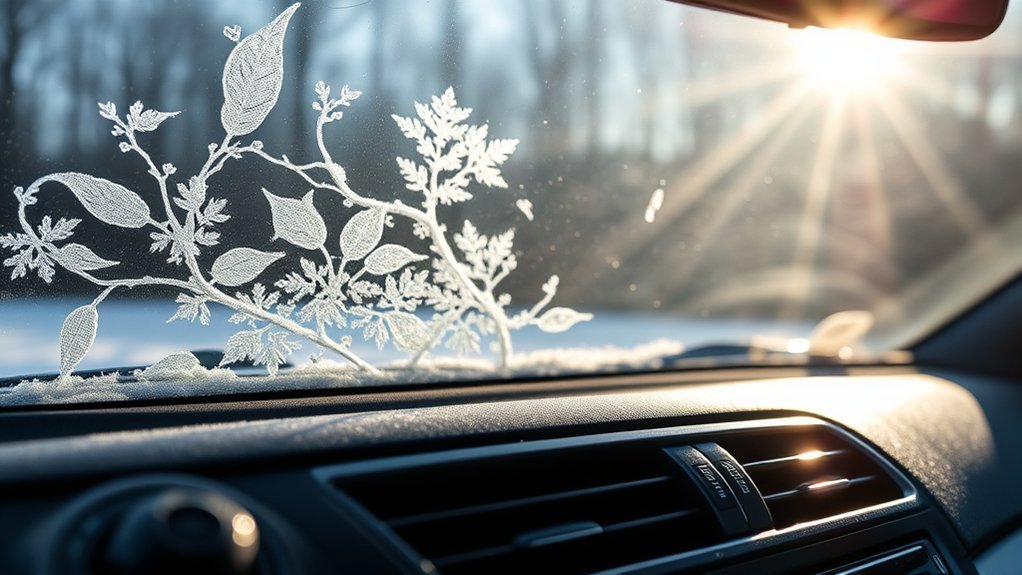
If the windshield stays foggy or icy after you select defrost, first identify whether the moisture is on the inside or outside of the glass. That simple check tells you whether you need drier cabin air, more heat, better airflow, or help from the wipers.
- Inside fog returns quickly: Turn off recirculation and use fresh-air mode. If your system permits it, keep A/C on so the air is dehumidified.
- Air reaches the windshield but stays cool: Increase the temperature setting. In gasoline vehicles, strong heat may take longer until the engine warms; EVs use a different heating system.
- Little or no airflow reaches the glass: Check that the windshield vent mode is selected and the vents at the base of the windshield are not blocked.
- Only the rear glass stays foggy or frosty: Use the separate rear-window defroster, which typically heats an electrical grid in the glass rather than blowing climate-control air.
- Fog appears on the outside in humid weather: The windshield may be colder than the outside air. Use the wipers and reduce aggressive cooling of the glass.
Warning: Do not start driving until the windshield and the windows you need for safe visibility are clear enough to see through. If visibility drops while driving, slow down and stop in a safe place if the glass cannot be cleared promptly.
[Products Worth Considering]

This ANRDDO wiper blade set is designed as a direct replacement for compatible Toyota RAV4 and Mazda 5 models, delivering reliable front and rear windshield coverage. The precision-tensioned springs and asymmetrical spoiler help maintain even pressure for a cleaner wipe, while the rubber compound is engineered for smooth, quiet performance in all seasons. It installs easily with U/J hook arms for a convenient fit and dependable visibility.
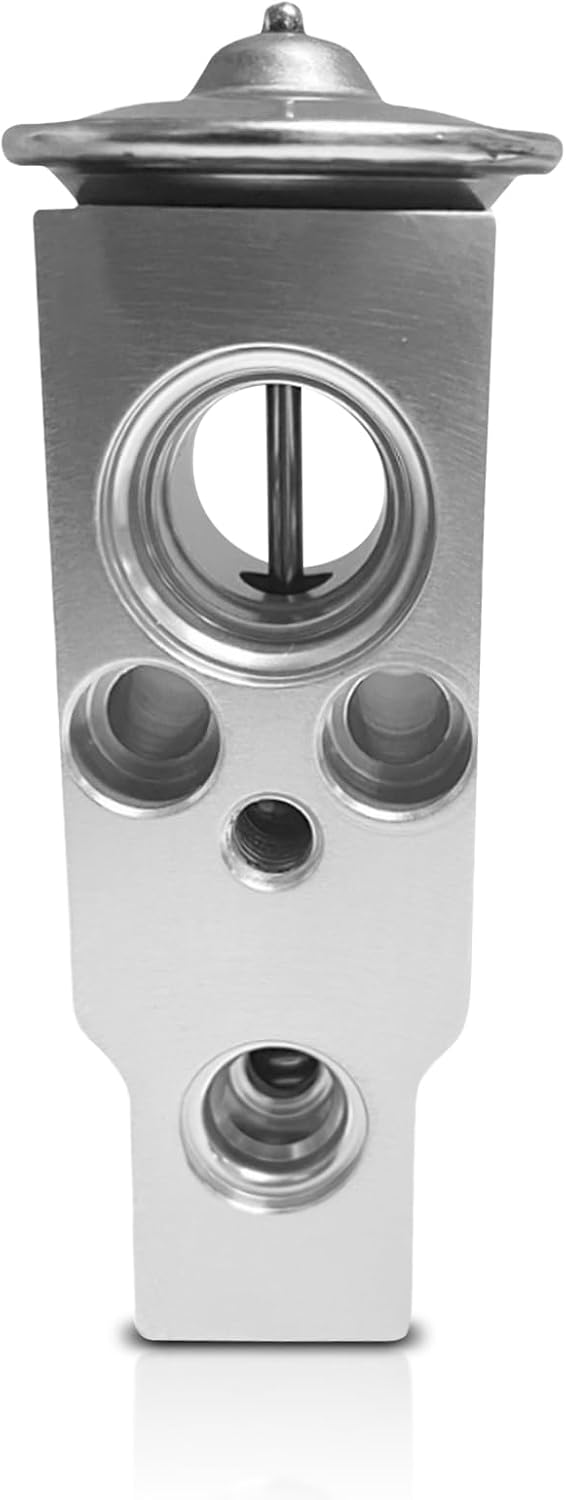
This automotive A/C expansion valve helps regulate refrigerant flow for efficient cooling and stable climate control performance. Built from durable metal for reliable resistance to wear, rust, and corrosion, it is designed to handle demanding vehicle conditions while supporting long-lasting operation. It is a practical replacement part for compatible Lexus, Honda, Toyota, Suzuki, Jaguar, and Land Rover models.

This A-Premium AC expansion valve is a direct replacement designed to restore proper refrigerant flow and improve cooling performance across a wide range of compatible vehicles. Built to meet or exceed OEM quality standards, it features precision internal components for reliable operation and long-lasting durability. It is supported by an unlimited-mileage warranty for added peace of mind.
Choosing the Right Defrost Mode for Different Conditions
The right setting depends on where the moisture is. Interior condensation calls for defogging and humidity control, while frost or ice on the exterior calls for stronger heating and airflow.
| Condition | Best starting setting | Why it works |
|---|---|---|
| Fog on inside of windshield | Windshield defog/defrost airflow, fresh air, A/C on if available | Moves drier air across the glass and removes cabin humidity |
| Frost or thin ice outside | Maximum or stronger front defrost with warm air | Warms the glass while directing high airflow at the windshield |
| Rear-window fog or frost | Rear defroster | Uses the heated grid in the rear glass on vehicles equipped with it |
For a typical automatic climate-control vehicle, the manufacturer may turn on A/C and switch to outside air automatically when you select front defrost. GMC’s windshield-defogging guidance tells drivers to turn recirculation off, use A/C for defogging, and use high temperature for defrosting.
[Products Worth Considering]

This plug-and-play AC button switch is designed to replace a faulty factory air conditioner switch in compatible Toyota vehicles. It installs easily without tools and is made to match the original part for a seamless fit and reliable operation. Built from durable ABS plastic, it offers a dependable replacement backed by warranty support and fitment guidance.

This A-Premium AC expansion valve is an OE-style replacement designed to help restore proper refrigerant flow and consistent cooling performance. Built for a wide range of Toyota, Lexus, and Scion applications, it supports reliable air conditioning operation and a precise fit for easier installation. It is engineered to meet or exceed OEM specifications for dependable long-term performance.

Designed for Toyota RAV4 models from 2013 through 2018, this three-piece windshield wiper set delivers clear, quiet performance for dependable visibility in changing weather. The precision-fit blades provide streak-free wiping, simple installation, and durable all-season use with reduced wind noise and consistent pressure across the windshield.
What Do Tesla Blue and Red Defrost States Mean?
On Tesla interfaces that use these colors, blue means defog and red means defrost. Tesla’s official winter driving instructions say to tap the front-windshield icon once for blue defog, a second time for red defrost, and a third time to turn it off.
These are sequential states of the same front-windshield control, so you do not combine blue and red at the same time. Also, do not assume every Tesla screen will show the same colors: Tesla notes that owner information can vary with vehicle configuration, market region, and software version.
Note: Blue/red defrost colors are Tesla-specific interface behavior, not a universal automotive standard. Other vehicles may use a single windshield icon, a MAX DEFROST button, physical climate controls, or different indicator colors.
How Effective Defrost Modes Improve Safety and Comfort
Defrost modes improve safety by keeping your forward and side-window sight lines clear. They also reduce the need to wipe the windshield by hand, which can leave streaks and distract you from driving.
The front and rear systems usually work differently. The front defroster uses the HVAC system to direct conditioned air toward the windshield and often the front side windows. The rear defroster generally heats a conductive grid in the rear glass; on some vehicles, activating it also heats the outside mirrors.
Tesla’s current Model 3 climate-control manual describes the front windshield control as a three-step defog/defrost/off cycle. It also says the rear-window defroster automatically turns off after 15 minutes and heats the exterior mirrors and charge port while operating on that configuration.
For everyday fogging, you usually do not need to leave maximum defrost running once the glass is clear. Return to a comfortable temperature, keep enough airflow toward the glass to prevent fog from returning, and avoid recirculation if cabin humidity is still high.
Troubleshooting Common Defrost Mode Issues
Troubleshoot a weak defroster from the simplest setting problem to the more serious hardware issue. Start with airflow, air source, temperature, and A/C operation before assuming a major climate-control fault.
[Products Worth Considering]

This cabin and engine air filter kit is designed for a wide range of compatible Toyota, Scion, and Pontiac models, helping improve airflow and keep your HVAC and engine systems cleaner. The activated carbon cabin filter helps reduce odors and trapped debris, while the engine air filter supports efficient performance with extended service life. It is easy to install and offers a convenient replacement solution for routine vehicle maintenance.
This replacement windshield wiper blade set is designed for Toyota RAV4 models from 2006 to 2012, offering a complete front and rear fit for dependable all-weather visibility. The premium rubber blades help deliver streak-free, quiet wiping while the aerodynamic design reduces wind lift and noise for smoother performance. Built for easy installation and long service life, it is a convenient upgrade for restoring clear driving vision.

This three-piece windshield wiper set is designed for compatible Toyota RAV4 and Highlander models to help deliver clear visibility in everyday driving. The natural rubber blades feature a graphite-treated surface for quiet, smooth wiping performance and reliable weather resistance. Installation is quick and tool-free, making it easy to replace worn blades on the front and rear of your vehicle.
The Windshield Fogs Again Immediately
Persistent inside fog usually means the cabin air is still too humid. Wet floor mats, damp clothing, multiple passengers, recirculated air, or A/C that is not dehumidifying effectively can all make the problem harder to clear.
Toyota’s RAV4 climate-control instructions explain that A/C dehumidifies outlet air and that windows can fog more easily when recirculation is used. If fog keeps returning, switch to outside air and keep the windshield airflow active until cabin moisture falls.
Defrost Airflow Is Weak
If fan noise increases but little air reaches the windshield, make sure the correct vent mode is selected. Then check for objects, snow, leaves, or other debris around the exterior air intake and for a cabin air filter that is overdue for service according to your vehicle’s maintenance schedule.
If airflow remains weak in every vent position, or the fan works only on certain speeds, the climate-control system may need diagnosis. A blower, control, door-actuator, sensor, or electrical problem can prevent normal air delivery.
Airflow Is Strong but the Glass Will Not Clear
Strong airflow with poor clearing points you back to temperature and moisture. For interior fog, confirm A/C is allowed to run and recirculation is off. For outside frost or ice, use warm air and remove heavy loose snow from the windshield before expecting the defroster to finish the job.
Some vehicles automatically make these changes for you. The 2025 Mazda CX-5 manual, for example, says the windshield defroster automatically selects outside air and turns on A/C to dehumidify the airflow.
The Rear Window Defroster Does Not Clear the Glass
The rear defroster is a separate electrical system on many vehicles. First confirm that its indicator turns on, then give it time to warm the grid. Avoid scraping the inside of the rear glass with sharp tools because they can damage the conductive lines.
If only one narrow horizontal strip stays foggy while the rest clears, the grid may be damaged in that area. If the whole rear window stays unchanged, the circuit, switch, fuse, wiring, or grid should be checked using the service information for your vehicle.
Tips for Maintaining Your Climate Control System
A reliable defroster depends on clean airflow, working heating and A/C, and clear glass. You do not need special “defrost maintenance,” but regular climate-control and visibility maintenance makes the system work faster when weather turns bad.
Regular Maintenance Checks
- Replace the cabin air filter according to the schedule for your vehicle, especially if airflow has dropped.
- Keep the inside of the windshield clean; oily film and residue make fog more noticeable and harder to clear.
- Keep wiper blades in good condition so they can remove outside condensation and melting frost cleanly.
- Use washer fluid suitable for the temperatures in which you drive.
- Have the heating or A/C system inspected if it cannot produce the temperature or dehumidification needed to clear the glass.
Keep the Cabin Air Intake Clear
Snow, ice, leaves, and debris around the vehicle’s air intake can restrict the air the climate-control system needs. Clear these areas before driving, especially after snowfall or when the car has been parked under trees.
Tesla also advises owners to clear ice, snow, or debris from the cabin air intake as part of its cold-weather guidance. The same basic principle applies to other vehicles: the defroster cannot move normal airflow across the windshield if the system’s intake or outlets are blocked.
Understanding Common Misconceptions About Vehicle Defrost Settings
Several common defrost myths come from treating heat, A/C, and airflow as separate jobs. In reality, the quickest way to clear glass often uses them together: heat warms the glass, A/C dries the air, and the blower moves that conditioned air across the windshield.
Common Myths Debunked
- “Maximum heat is always best.” It helps with exterior frost, but inside fog is mainly a humidity problem. Moderate warm, dry air may be enough once visibility returns.
- “A/C should be off in winter.” A/C can dehumidify the air even while the heater makes that air warm.
- “Recirculation clears fog faster.” It can trap moisture from passengers, wet clothing, and floor mats. Fresh-air mode is usually better for persistent interior fog.
- “Blue and red are universal defrost levels.” They are not. The color behavior discussed here applies to certain Tesla interfaces.
Why Does the A/C Turn On During Defrost?
The A/C turns on because air conditioning also removes moisture. Drying the air helps it absorb moisture from the windshield, so a vehicle can run A/C and heat at the same time without blowing cold air into the cabin.
This is why many automatic systems engage the compressor when you select windshield defrost. If your vehicle does it automatically, that behavior is normally part of the defogging strategy rather than a sign that the climate-control system is confused.
Temperature Settings Can Cause Outside Fog Too
Not every fogging problem is on the inside. In hot, humid weather, strong cooling directed at the windshield can make the exterior glass cold enough for moisture to condense on the outside.
If the wipers remove the fog for a moment, the moisture is on the exterior. Use the wipers, reduce extreme cooling of the windshield, and adjust airflow so the glass is not being chilled unnecessarily. That is different from winter interior fog, where fresh air and dehumidification are usually the priority.
When to Seek Professional Help for Defrost Problems?
Get professional help when correct settings do not restore normal defrost performance, especially if the problem affects your ability to see safely. A technician can diagnose climate-control, electrical, heating, or air-distribution faults that are not visible from the controls.
- No air reaches the windshield even though the blower appears to run.
- The heater cannot produce warm air after the vehicle is otherwise operating normally.
- The A/C no longer dehumidifies and the windows repeatedly fog in conditions where they previously cleared.
- The front defrost mode will not select, will not stay selected, or changes airflow unpredictably.
- The rear defroster does not work across the glass or several grid sections remain inactive.
- You notice an electrical smell, repeated fuse failure, a climate-system warning, or any other symptom that suggests a fault beyond normal settings.
For Tesla owners, the mobile app can also help before a cold-weather trip. Tesla’s Model Y mobile-app instructions say that Defrost Car can melt snow, ice, and frost on the windshield, windows, and mirrors before you drive. If the in-car defroster still performs abnormally after preconditioning, use the vehicle’s service guidance rather than continuing to drive with poor visibility.
Frequently Asked Questions
What is the difference between defog and defrost?
Defogging clears condensation from the inside of the glass, while defrosting targets frost or ice on the outside. Both use windshield airflow, but defogging depends heavily on reducing cabin humidity. Defrosting generally benefits from warmer air and stronger airflow to heat the glass.
Why does the A/C turn on when I select defrost?
The A/C turns on because it can remove moisture from the air before that air reaches the windshield. The heater can still warm the dehumidified air, so A/C operation does not necessarily mean cold air will blow. This combination helps clear interior condensation more effectively.
Should recirculation be on or off when defogging?
Recirculation should usually be off when you are trying to clear persistent interior fog. Fresh outside air helps carry cabin moisture out instead of cycling humid air through the vehicle. Some automatic systems switch to fresh air for you when front defrost is selected.
What do the blue and red Tesla windshield icons mean?
On Tesla interfaces that use blue and red windshield states, blue indicates defog and red indicates the stronger defrost setting. You tap the same control to move through the states rather than using both together. Exact colors and behavior can vary by model, market, and software.
Why does my windshield keep fogging after I clear it?
The windshield usually fogs again because the cabin is still humid or the glass remains cold enough for condensation to reform. Keep fresh-air mode on, maintain some airflow toward the windshield, and use A/C dehumidification if available. Wet mats, clothing, or many passengers can add moisture.
Conclusion
Use climate control defrost modes based on the problem you can see: dry the cabin air for inside fog, and use stronger warm-air defrost for exterior frost or ice. If correct settings cannot keep the windshield clear, treat it as a visibility and climate-control fault and have the vehicle inspected.
Sources
- GMC: How to Quickly Defog the Windshield: Supports fresh-air, A/C, fan, and temperature guidance for defogging and defrosting.
- Tesla: Winter Driving Tips: Supports the blue defog, red defrost, and three-tap windshield control sequence.
- Tesla Model 3 Owner’s Manual: Operating Climate Controls: Supports windshield defroster operation and rear-defroster behavior.
- Toyota RAV4 Owner’s Manual: Automatic Air Conditioning System: Supports A/C dehumidification and fresh-air guidance.
- Mazda CX-5 Owner’s Manual: Windshield Defrosting and Defogging: Supports automatic A/C and outside-air operation during defrost.
- Tesla Model Y Owner’s Manual: Mobile App: Supports remote Defrost Car operation for windshield, windows, and mirrors.