Getting Toyota Tundra wheels right comes down to three things: bolt pattern, center bore, and offset/backspacing. The Tundra used 6×139.7 mm on 2000–2006 models, switched to 5×150 mm for 2007–2021, then returned to 6×139.7 mm for 2022–2026. Do not shop by lug count alone; confirm the hub bore, lug thread, wheel load rating, brake clearance, and lug-seat style before you mount anything.
Quick Answer
Toyota Tundra bolt pattern depends on the generation: 2000–2006 models use 6×139.7 mm, 2007–2021 models use 5×150 mm, and 2022–2026 models use 6×139.7 mm. Always verify center bore, offset, lug thread, lug-seat type, and load rating before installing wheels.
Key Takeaways
- 2000–2006 Tundra: 6×139.7 mm bolt pattern, commonly listed with a 106.1 mm center bore and M12x1.5 wheel studs.
- 2007–2021 Tundra: 5×150 mm bolt pattern, commonly listed with a 110.1 mm center bore and M14x1.5 wheel studs.
- 2022–2026 Tundra: 6×139.7 mm bolt pattern, commonly listed with a 95.2 mm center bore and M14x1.5 wheel studs.
- Bolt pattern only tells you whether the studs line up; it does not confirm brake clearance, center-bore fit, offset, load rating, or lug-nut seat style.
- If you use spacers or adapters, choose hub-centric, load-rated parts and re-check torque after the first 50–100 miles.
At a Glance
| Time Required | 15–30 minutes to measure; longer if test-fitting wheels and tires |
| Difficulty | Moderate DIY; professional mounting is recommended for spacers, adapters, or oversized tires |
| Tools Needed | Tape measure or bolt-pattern gauge, calipers, straightedge, torque wrench, jack and stands, wheel chocks |
| Cost | Usually free to measure; hub-centric rings, lugs, spacers, adapters, or mounting labor vary by setup |
Tundra Bolt Pattern by Year: 5×150 Vs 6×139.7
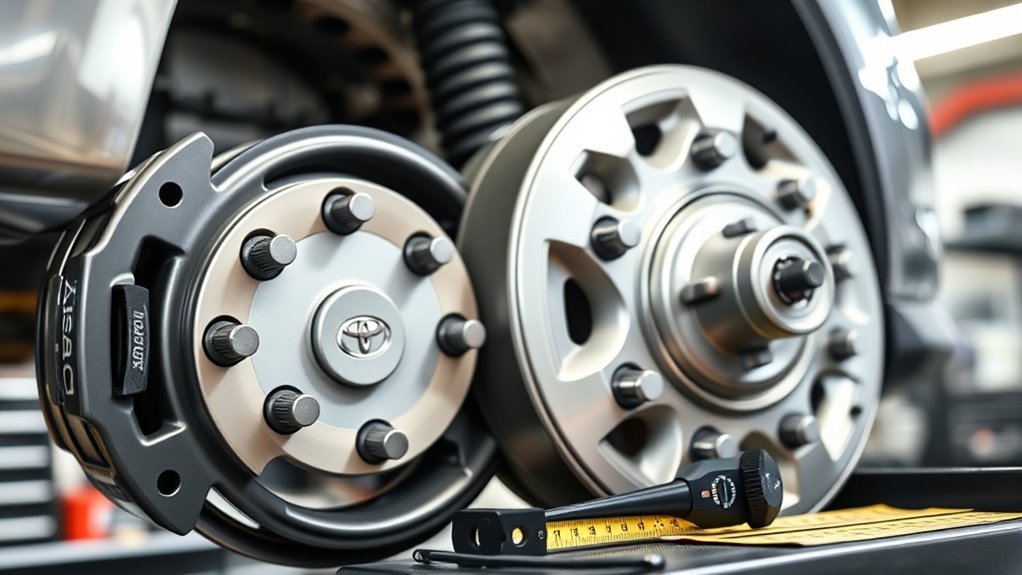
The safest way to shop for Tundra wheels is to start with the model year, then confirm the rest of the fitment specs. Toyota’s first-generation Tundra archive covers the 2000–2006 model years, while Toyota’s current lineup includes the 2026 Tundra. The wheel pattern changed twice between those points, so a wheel from one Tundra generation may not fit another without adapters, hub-bore changes, or a completely different wheel.
| Tundra model years | Bolt pattern | Common center bore | Common lug thread | Fitment notes |
|---|---|---|---|---|
| 2000–2006 | 6×139.7 mm | 106.1 mm | M12x1.5 | First-generation trucks. Pattern matches many 6-lug Toyota/GM wheels, but hub bore and offset still must be checked. |
| 2007–2021 | 5×150 mm | 110.1 mm | M14x1.5 | Second-generation trucks. Direct wheel choices are narrower because 5×150 is less common than 6×139.7. |
| 2022–2026 | 6×139.7 mm | 95.2 mm | M14x1.5 | Third-generation trucks. Shares the 6-lug pattern with many trucks, but the smaller hub bore and newer offsets limit direct swaps. |
For the 2022–2026 generation, common OE wheel offsets are often in the positive-offset range, with many listings around +47.5 mm to +60 mm depending on wheel size and trim. For 2007–2021 models, +60 mm is a common factory-style offset. For 2000–2006 models, +15 mm is common on many factory-style listings. These numbers are a starting point, not a final fitment guarantee.
Warning: Never force a wheel onto a different bolt pattern. Adapters can change the pattern, but they also add thickness, change effective offset, and add another set of fasteners that must be installed and maintained correctly.
Measure Your Truck: Bolt Pattern, Hub Bore, and Wheel Offset Step by Step
Even if a listing says “fits Tundra,” measure before buying. Used wheels, take-off wheels, aftermarket wheels, and marketplace listings are often mislabeled. The goal is to confirm five things: lug count, pitch circle diameter, center bore, offset/backspacing, and lug-seat style.
1. Count the Lugs
Count the wheel studs or lug holes first. A 2007–2021 Tundra should have five lugs. A 2000–2006 or 2022–2026 Tundra should have six lugs. Lug count is only the first clue; it does not confirm the exact pitch circle diameter.
2. Measure the PCD Correctly
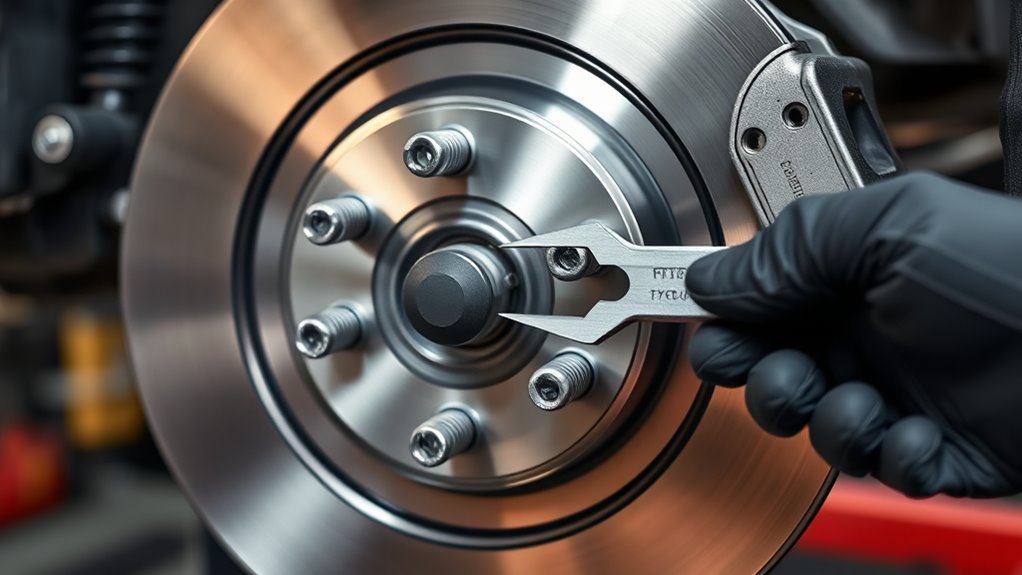
PCD means pitch circle diameter, which is the diameter of the circle that passes through the lug-hole centers. For a 6-lug Tundra, measure from the center of one lug hole straight across to the center of the opposite lug hole. For a 5-lug Tundra, you cannot measure center-to-center across opposite holes because there is no exact opposite hole. Use a bolt-pattern gauge, or estimate from the back edge of one hole to the center of the farthest opposing hole.
Pro Tip: If you are buying expensive wheels, use a bolt-pattern gauge or ask a tire shop to verify the PCD. A small measuring error can make a wheel look close while still being unsafe.
3. Measure the Center Bore
The center bore is the hole in the middle of the wheel. The truck’s hub pilot must fit inside that hole. If the wheel bore is larger than the hub, you may need hub-centric rings. If the wheel bore is smaller than the hub, the wheel will not seat against the hub face without machining, which is usually not worth the risk on a road vehicle.
Use calipers to measure the wheel’s center bore and compare it with your truck’s hub bore. Common Tundra values are 106.1 mm for 2000–2006, 110.1 mm for 2007–2021, and 95.2 mm for 2022–2026. Always verify your exact wheel and truck because aftermarket wheels can use larger bores with rings.
4. Check Offset and Backspacing
Offset is the distance from the wheel’s hub mounting surface to the wheel centerline. Positive offset moves the wheel inward toward the suspension. Negative offset pushes the wheel outward toward the fender. Backspacing is the distance from the mounting pad to the inner lip of the wheel. More backspacing usually moves the tire closer to the suspension and control arms.
Offset and backspacing affect rubbing, wheel poke, steering feel, bearing load, and brake clearance. A wheel with the correct bolt pattern can still rub badly if the offset or width is wrong.
5. Match the Lug-Seat Type
Do not assume every aftermarket wheel uses the same lug nuts. Lug nuts can use conical, ball, flat, or mag/washer-style seats. Many aftermarket truck wheels use 60-degree conical lugs, but Toyota OEM-style wheels often use a different seat design. Use the lug hardware specified by the wheel manufacturer, and make sure the thread pitch matches your Tundra.
Note: Toyota recommends checking the tire and loading information label for the correct cold tire pressure and tire size. After changing tire size or wheel load range, ask the tire manufacturer or a qualified shop for the correct inflation pressure for your actual load.
Which Toyota and Other Truck Wheels Will Fit Each Tundra Generation?
Wheel compatibility splits by generation. The 2000–2006 and 2022–2026 Tundra both use 6×139.7 mm, but they do not share the same center bore, thread pitch, or typical offset. The 2007–2021 Tundra uses 5×150 mm, which puts it in a different wheel family.
[Products Worth Considering]
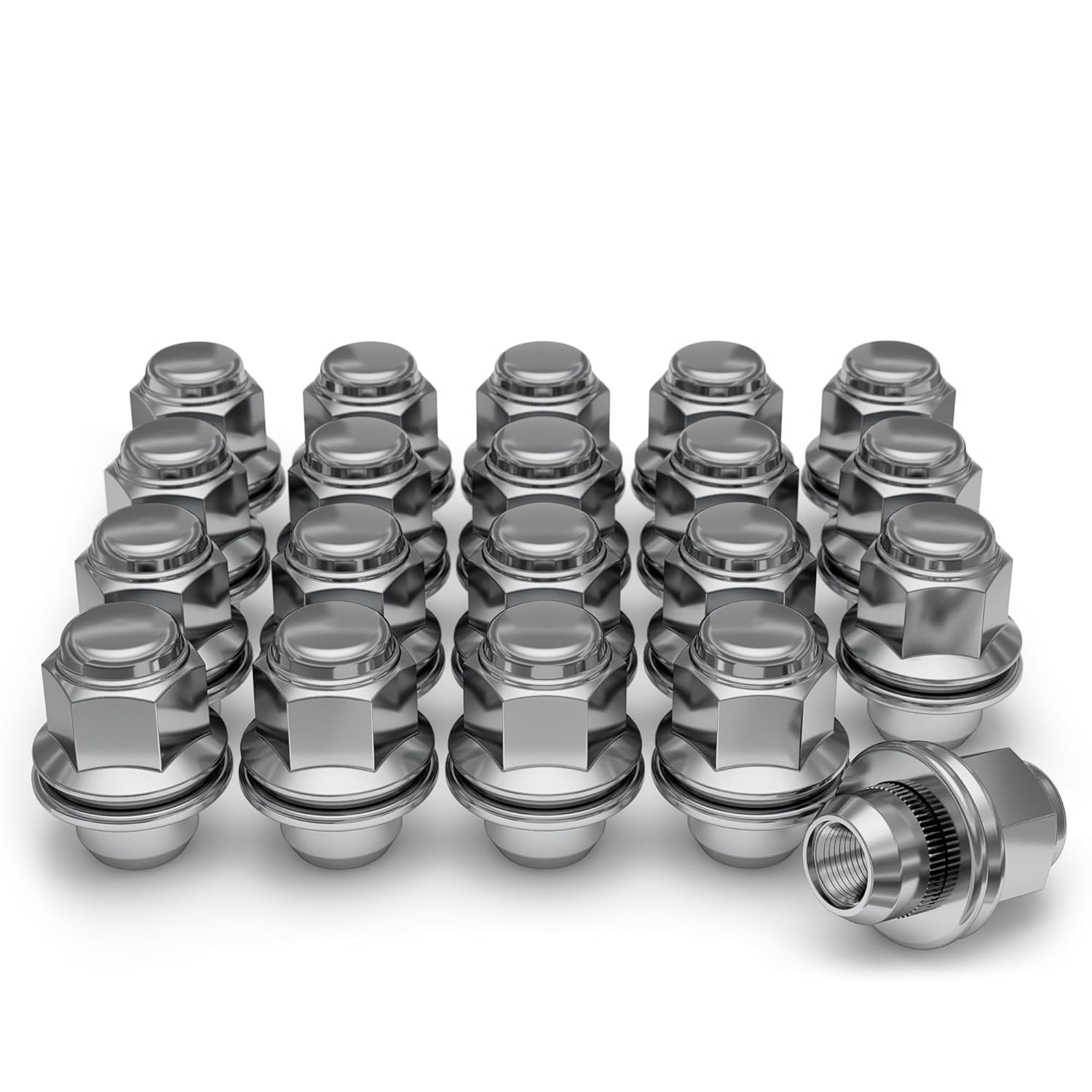
These White Knight mag-style lug nuts are designed for select Toyota, Lexus, Kia, and Genesis vehicles, delivering a secure fit and a clean factory-inspired look. Made from heat-treated cold forged carbon steel with a chrome finish, they offer durable strength, reliable corrosion resistance, and easy installation with a traditional hex-body, flat-seat design. Use them to replace worn or damaged lug nuts while maintaining proper wheel fitment and dependable performance.

This 2-piece suspension tool set combines a compact strut spreader with a high-leverage lower control arm prying tool to help speed up safe suspension service. Designed for many FWD, import, and domestic vehicles, it supports strut, hub, ball joint, and control arm work while helping reduce the risk of damage to surrounding components. Heavy-duty steel construction makes it a dependable choice for mechanics and serious DIY suspension repair.
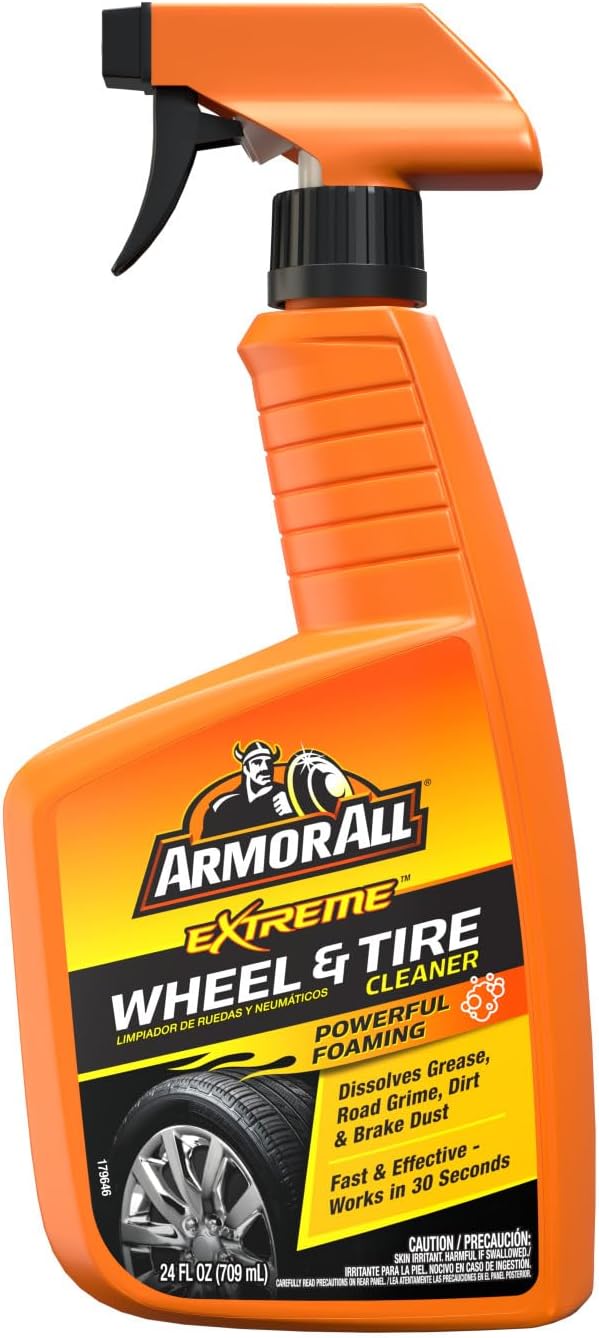
Armor All Extreme Wheel and Tire Cleaner is a powerful spray designed to cut through stubborn dirt, grease, tar, and brake dust on wheels and tires. It is safe for use on factory and aftermarket finishes, including alloy, steel, chrome, and plastic wheel trims, while its fast-acting formula works in just seconds. The deep-cleansing action helps reach hard-to-clean areas and leaves wheels looking clean and shiny.
2000–2006 Tundra Wheel Compatibility
First-generation Tundras use 6×139.7 mm. This pattern is common on many Toyota trucks and SUVs and many GM 1500-series trucks, but pattern match alone is not enough. A Silverado 1500 wheel, for example, may share the bolt pattern but use a different center bore, offset, and lug-seat setup. Before installing any non-Tundra wheel, verify center bore, load rating, offset, brake clearance, and lug hardware.
2007–2021 Tundra Wheel Compatibility
Second-generation Tundras use 5×150 mm. This pattern is shared with some Toyota Sequoia, Toyota Land Cruiser, Lexus LX470, and Lexus LX570 fitments, but width and offset can vary by model and year. This generation has fewer direct aftermarket choices than 6×139.7 trucks, so check listings carefully and avoid “close enough” claims.
2022–2026 Tundra Wheel Compatibility
Third-generation Tundras returned to 6×139.7 mm, but the center bore is commonly listed at 95.2 mm and the lug thread is M14x1.5. That means some older 6-lug Toyota wheels may have a larger center bore and may require proper hub-centric rings. Other wheels may not clear brakes or suspension even if the studs line up.
Warning: Do not use Ford F-150 wheels as a casual Tundra swap example. Most modern F-150s use 6×135 mm, not 6×139.7 mm, so the pattern is different. Always verify the actual PCD stamped on the wheel or listed by the manufacturer.
Common Fitment Problems: Offset, Backspacing, Hub-Centricity, Lug Nuts, and Fixes
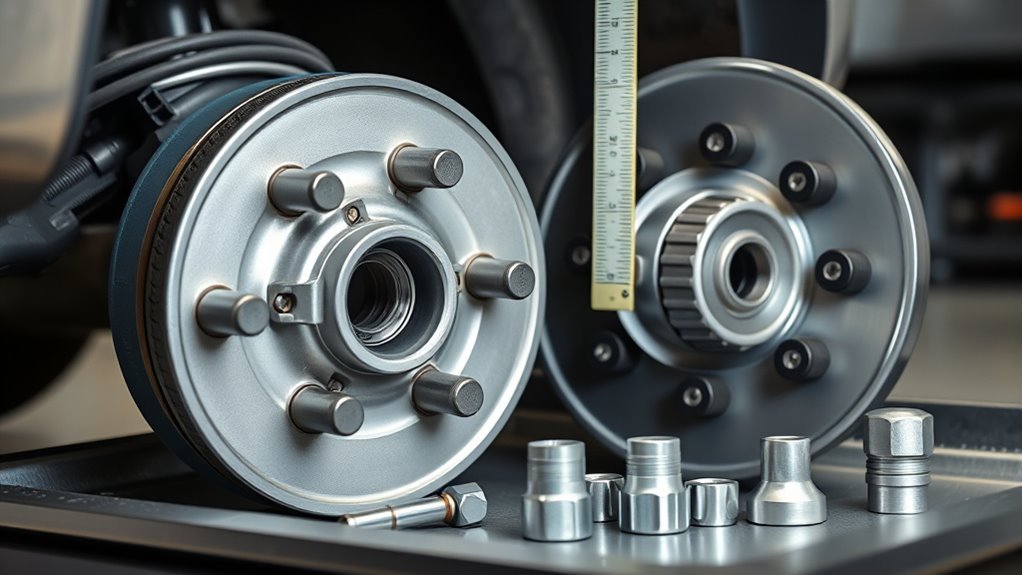
Most Tundra wheel problems come from one of five areas: the wheel is not centered on the hub, the offset is too aggressive, the tire is too large for the suspension, the lug nuts do not match the wheel seat, or the wheel is not rated for the truck’s weight. Fix the cause before driving at speed.
| Problem | Likely cause | Fix |
|---|---|---|
| Steering vibration | Wheel not centered, missing hub-centric rings, wheel imbalance | Use correct hub-centric rings, balance the wheel/tire, confirm wheel seats flat on hub |
| Inner rubbing | Too much backspacing or high positive offset | Choose a wheel with better offset/backspacing or reduce tire width |
| Outer fender rub or poke | Low/negative offset, wide wheel, oversized tire | Use more positive offset, narrower wheel/tire, alignment correction, or trimming where appropriate |
| Brake caliper contact | Wheel spoke design or barrel shape does not clear brakes | Test-fit before mounting tires; choose a wheel confirmed for your trim and brake package |
| Loose or damaged lug seats | Wrong lug-nut seat style or wrong thread pitch | Use the exact lug seat and thread pitch required by the wheel and truck |
| Wheel or stud stress | Low load rating, incorrect torque, poor adapter/spacer quality | Use load-rated wheels and hardware; torque with a calibrated wrench; avoid universal adapters |
A matching bolt pattern only proves the studs line up. Safe Tundra fitment also requires the correct center bore, offset, brake clearance, lug hardware, tire load rating, and torque procedure.
[Products Worth Considering]

This Snap & Zap towing mirror set adds expanded rear visibility for safer towing on compatible Toyota Tundra and Sequoia models. The clip-on design installs easily with no tools or drilling, fits over the factory mirrors, and still allows the mirrors to fold without removal. It includes both driver and passenger side extensions and is molded to match the original mirror shape for a secure, OE-style fit.

This wheel lock key set is designed to help remove and replace compatible Toyota and Lexus wheel locks with confidence. It includes four wheel lock nuts and one key, offering a practical replacement solution for many popular models while supporting secure wheel protection and reliable fitment. Built for durability and corrosion resistance, it is a useful choice when matching OE reference numbers and vehicle compatibility is important.

This replacement bed cleat tie down anchor kit restores secure cargo management for compatible Toyota truck bed rail systems. Designed to match OEM dimensions and fit, these anchors help keep gear, tools, and luggage firmly in place during daily hauling. Built for dependable use in demanding pickup truck conditions, the kit offers a practical replacement for worn factory tie-downs.
Buying Checklist: Spacers, Adapters, Lug Hardware, and Tire Sizes to Avoid Rubbing
Use this checklist before you buy wheels, tires, spacers, or adapters for a Tundra. It keeps the process simple and helps you avoid returns, rubbing, vibration, and unsafe hardware combinations.
- Match the bolt pattern: 2000–2006 uses 6×139.7; 2007–2021 uses 5×150; 2022–2026 uses 6×139.7.
- Match the center bore: common values are 106.1 mm, 110.1 mm, and 95.2 mm by generation. If the wheel bore is larger, use proper hub-centric rings. If it is smaller, do not force it.
- Confirm thread pitch: first-gen trucks commonly use M12x1.5; later trucks commonly use M14x1.5.
- Use the right lug-seat style: conical, ball, flat, or mag/washer must match the wheel.
- Check load rating: the wheel must be rated for the truck’s axle load, towing use, and tire load range.
- Check offset and backspacing: compare the new wheel to the factory wheel and account for wheel width changes.
- Test brake clearance: brake calipers can interfere with wheel spokes or barrel shape even when the pattern is correct.
- Test tire clearance: turn lock-to-lock, compress the suspension if possible, and check fender liner, mud flap, upper control arm, sway bar, and body-mount areas.
- Use a calibrated torque wrench: tighten in a star pattern and re-check after the first 50–100 miles.
- Verify tire pressure: start with the door-jamb tire placard for stock sizes and get tire-manufacturer guidance for non-stock sizes or load ranges.
[Products Worth Considering]

This wheel lock lug nut set adds an extra layer of theft protection for compatible Toyota and Lexus vehicles by securing wheels with a unique key pattern that resists common removal tools. Built to OEM-standard fitment with corrosion-resistant, triple-chrome finished construction, it is designed for direct replacement and long-lasting performance. The set includes locking nuts and a matching key for easy installation on compatible vehicles with the correct thread and cone seat specifications.

These clip-on towing mirrors expand your rear view for safer towing, helping you see your trailer and blind spots more clearly when changing lanes or backing up. The dual-arm design adds stability and reduces vibration, while the adjustable fit and weather-resistant build support reliable use on trucks, SUVs, RVs, and trailers.
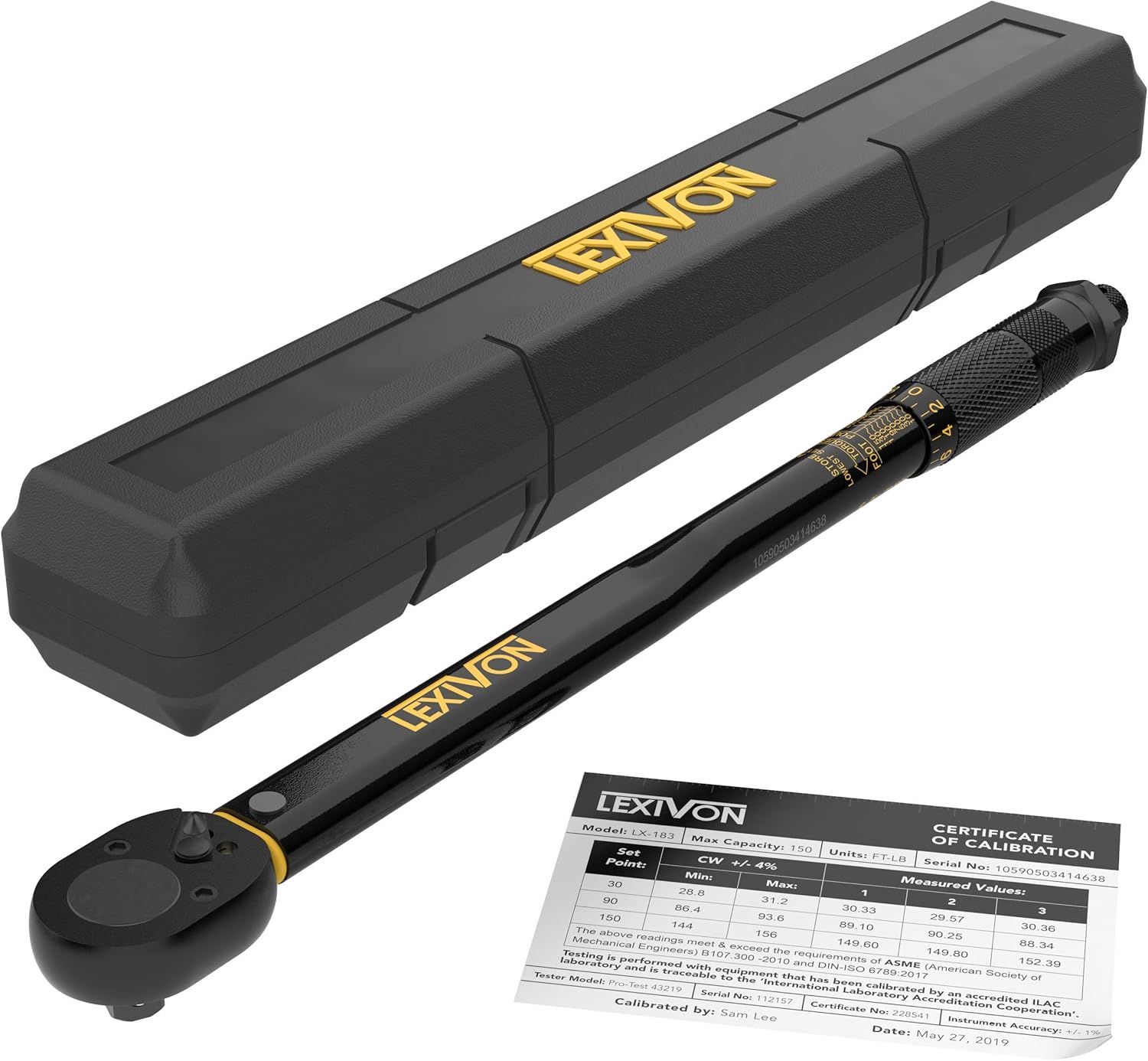
The LEXIVON 1/2-inch drive click torque wrench delivers accurate, dependable tightening for automotive and mechanical jobs with pre-calibrated precision. Its dual-range scale, reversible ratchet head, and ergonomic knurled handle make it easy to set, read, and use comfortably in a variety of applications. Built with hardened chrome vanadium steel and a corrosion-resistant finish, it is designed for lasting performance and reliability.
Spacers vs. Adapters
A spacer moves the wheel outward while keeping the same bolt pattern. An adapter changes the bolt pattern and also spaces the wheel outward. Both change effective offset. If you use either one, choose hub-centric parts made for your exact hub bore and wheel bore, with studs and nuts rated for truck use.
Warning: Avoid universal slip-on spacers and unknown adapters. Poorly centered or under-rated hardware can cause vibration, broken studs, loose wheels, or wheel separation.
Tire Size and Rubbing
There is no single tire size that fits every Tundra perfectly. A stock truck, leveled truck, lifted truck, TRD Pro, and aftermarket-control-arm setup can all clear different tire sizes. Wheel width and offset matter as much as tire diameter. A 33-inch tire may fit one setup and rub on another; a 35-inch tire often needs the right lift, alignment, wheel offset, and sometimes trimming.
Before committing, compare the new tire’s actual measured diameter and section width, not just the sidewall size. Tire shapes vary by brand. A mud-terrain tire can run wider and rub sooner than an all-terrain tire with the same printed size.
Safe Installation Steps After You Choose Wheels
- Clean rust, dirt, and old anti-seize from the hub face and wheel mounting pad.
- Confirm the wheel sits flat against the hub before installing lug nuts.
- Hand-thread each lug nut first to avoid cross-threading.
- Snug the lugs in a star pattern while the truck is still raised.
- Lower the truck until the tire lightly touches the ground, then torque in a star pattern to the spec for your exact year and wheel hardware.
- Drive 50–100 miles, then re-check lug torque.
- After the first drive, inspect for rubbing marks, vibration, uneven steering feel, or clicking under load.
Common published torque references list about 83 ft-lb for early first-generation Tundras and about 97 ft-lb for many later Tundras, but you should always follow the owner’s manual, wheel manufacturer, or qualified tire shop for your exact year, wheel, and hardware.
Frequently Asked Questions
When did the Toyota Tundra change bolt pattern?
For model-year fitment, the Tundra used 6×139.7 mm from 2000–2006, changed to 5×150 mm for 2007–2021, then returned to 6×139.7 mm for 2022–2026.
Will 2022–2026 Tundra wheels fit a 2007–2021 Tundra?
Not directly. The 2022–2026 Tundra uses 6×139.7 mm, while the 2007–2021 Tundra uses 5×150 mm. You would need adapters, and that adds safety, offset, and clearance concerns. A correct 5×150 wheel is the cleaner option.
Will 2000–2006 Tundra wheels fit a 2022–2026 Tundra?
They share the 6×139.7 mm bolt pattern, but that does not guarantee a safe direct fit. First-generation wheels commonly use a larger center bore and different lug thread, offset, and brake-clearance profile. Test-fit and verify all dimensions before driving.
Do Tacoma, 4Runner, or Silverado wheels fit a Tundra?
Some Tacoma, 4Runner, Sequoia, Land Cruiser, Lexus GX/LX, and GM 1500 wheels share 6×139.7 mm with certain Tundra years, but you must still check center bore, offset, brake clearance, lug-seat type, and load rating. Do not assume fit from bolt pattern alone.
What is 5×150 in inches?
5×150 mm is commonly described as 5×5.91 inches. It means five lug holes on a 150 mm pitch circle diameter.
Do I need hub-centric rings on aftermarket Tundra wheels?
You need hub-centric rings when the wheel center bore is larger than the Tundra hub and the wheel is designed to be centered with rings. Rings must match the truck hub on the inside diameter and the wheel bore on the outside diameter.
Are wheel adapters safe on a Toyota Tundra?
Quality hub-centric adapters can be used, but they must be made for the exact bolt pattern, hub bore, wheel bore, thread pitch, and load. They also change effective offset. Install them with correct torque, inspect them regularly, and avoid unknown or universal adapters.
Conclusion
Your Tundra’s bolt pattern is the starting point, not the full answer. For a clean fit, match the generation-specific bolt pattern, confirm the center bore, choose the right offset/backspacing, use the correct lug-seat style, and verify tire clearance before driving. Measure first, test-fit when possible, and torque everything with the right hardware. That is how you avoid rubbing, vibration, damaged studs, and unsafe wheel fitment.
Sources
- Toyota USA Newsroom: 2000–2006 Toyota Tundra first generation — verifies first-generation model-year framing.
- Toyota USA Newsroom: 2026 Toyota Tundra — verifies current 2026 Tundra model context.
- Toyota Owners: Tire inflation pressure — supports using the tire and loading information label for tire size and cold inflation pressure.
- Discount Tire: Measure wheel bolt pattern — supports correct 5-lug and even-lug measuring methods.
- Tire Rack: Wheel offset explanation — supports the definition of wheel offset.
- LugSpec: Toyota Tundra lug torque reference — supports torque and re-torque workflow examples; always verify with the owner’s manual and wheel manufacturer.