Tundra Exhaust Parts: Sound, Materials, Fitment, and Cost
What’s in This Article
- What This Guide Covers
- Tundra Mufflers: Construction, Packing, and Sound
- 409 Vs 304 Stainless: Corrosion, Durability, and Cost
- Tundra Exhaust Configurations: Single, Dual, and Mid-Side Exits
- Configuration Impacts on Cabin and Exterior Noise
- Pick the Right Sound for Your Tundra: Mild, Medium, Loud
- Tundra Exhaust Tips: Styles, Materials, and Visual Impact
- Cost & Longevity: Price Ranges for 409 Vs 304 Systems
- Fitment & Installation by Tundra Generation
- Safety, Emissions, and Maintenance Checks
- Final Checklist: Choose Based on Lifestyle, Budget, and Rust Resistance
- Frequently Asked Questions
- Conclusion
Choosing the right Tundra exhaust parts gets tricky fast because sound clips rarely tell the full story.
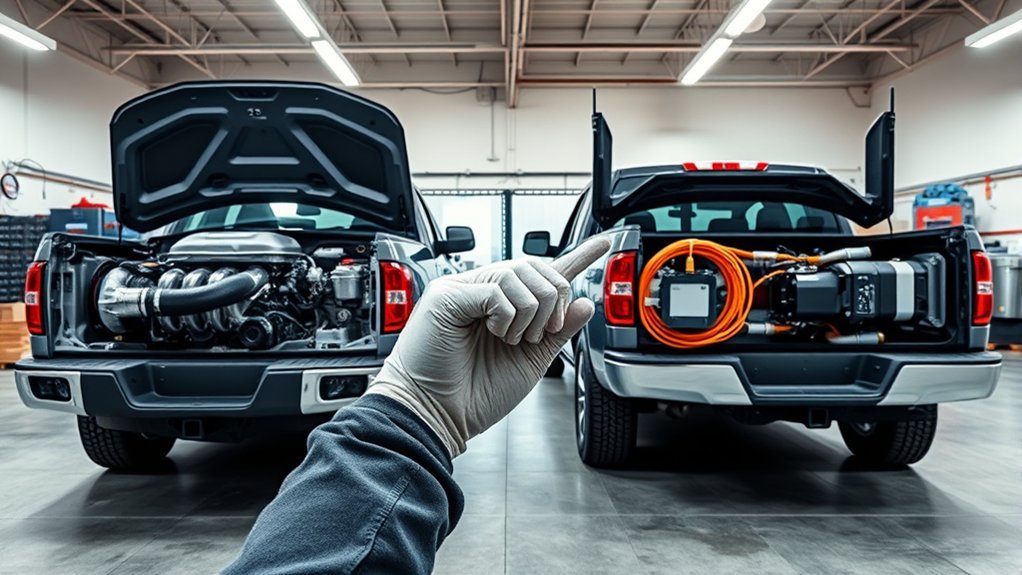
Your muffler, metal grade, exit layout, and fitment all affect how the truck sounds, lasts, and feels on long drives. This guide focuses on practical exhaust choices for 5.7L Toyota Tundra trucks, especially 2007-2021 models, since Toyota lists the current 2026 Tundra with twin-turbo V6 and hybrid V6 powertrains instead of the older 5.7L V8.
Quick Answer
Choose Tundra exhaust parts by matching sound, metal grade, exit location, and exact model-year fitment. Pick 304 stainless if you drive in snow, salt, or heavy rain. Pick 409 stainless if you want a lower price and can accept surface rust. For daily use, a mild cat-back system with a rear or single-side exit usually gives you the best comfort.
Key Takeaways
- Match the exhaust kit to your Tundra model year, cab, bed length, and engine before you buy.
- Choose 304 stainless for the best rust resistance in wet, snowy, or salted areas.
- Choose 409 stainless when price matters more than long-term cosmetic finish.
- Use a mild muffler and rear exit if you want less highway drone.
- Keep catalytic converters and emissions equipment legal, sealed, and working.
What This Guide Covers
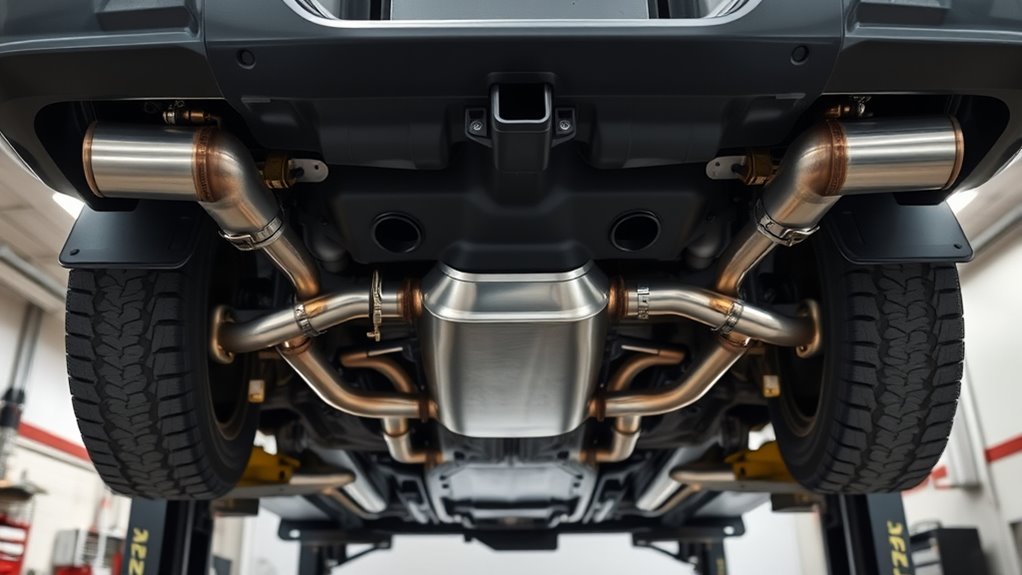
This guide gives you a clear overview of exhaust options for the 5.7L Toyota Tundra. Use it to compare sound, material, exit layout, fitment, installation, and upkeep before you spend money.
- Sound levels: Mild systems keep cabin drone lower for daily driving. Louder systems raise exterior volume and make the truck feel more aggressive.
- Materials: Aluminized steel costs less but rusts faster. 409 stainless resists rust better, while 304 stainless works best in harsh climates.
- Exit configurations: Single-side setups keep sound more controlled. Dual and mid-side exits change the routing, look, and cabin noise.
- Installation: Verify fitment for your specific Tundra generation, use quality gaskets, and tighten hardware to the correct torque specs.
Tundra Mufflers: Construction, Packing, and Sound
The choice between a straight-through and a chambered muffler sets the baseline for exhaust flow and resonance. Internal packing materials, such as fiberglass or stainless steel wool, change how sharp or mellow the exhaust sounds over time.
Muffler size and internal design work together to shape the final tone. They can also affect backpressure, throttle feel, and cabin comfort, but they do not guarantee a power gain by themselves.
Muffler Construction Types
Chambered, straight-through, and turbo-style mufflers each shape sound in a different way. Chambered units use baffles to create a deep, throaty tone. Straight-through cores use perforated tubes to reduce restriction and raise volume. Turbo-style mufflers blend both ideas, so they stay calmer at low speed and growl more under load.
| Muffler Design | Best Fit |
|---|---|
| Chambered | Deep tone with a classic truck sound |
| Straight-through | Louder sound with lower restriction |
| Turbo-style | Balanced sound for mixed driving |
| Packed | Smoother tone with less harshness |
| Unpacked | Sharper volume with more exterior bark |
Internal Packing Materials
After you pick a muffler type, check the internal packing. Fiberglass and stainless steel wool absorb sound energy in different ways. Fiberglass can quiet harsh frequencies well at first, while stainless steel wool can handle heat and age better.
Less packing creates a louder, freer-flowing sound. Denser packing helps control drone and keeps the cabin calmer at highway speed. Choose the packing style that fits your long-term sound and maintenance goals.
How Mufflers Change Tone
Mufflers play the largest role in your Tundra’s exhaust character. Chambered versus straight-through designs, packed versus unpacked cores, and muffler size all control loudness and pitch.
Straight-through designs, including many Flowmaster FlowFX-style systems, reduce restriction and raise volume when you press the gas. Packed mufflers use noise-dampening material to soften high frequencies. Smaller unpacked units leave more sound exposed, which makes the truck louder outside.
409 Vs 304 Stainless: Corrosion, Durability, and Cost
Comparing 304 and 409 stainless steel starts with corrosion resistance. The 304 grade contains more chromium and nickel, so it resists rust better in wet, snowy, and salty climates.
The 409 grade still beats basic steel for exhaust use, but it can develop surface rust over time. Your best choice depends on how long you plan to keep the truck, where you drive, and how much you care about finish quality.
[Products Worth Considering]

This mech-style metal key fob cover adds a sleek armored look while helping protect your Toyota key from scratches, drops, and everyday wear. Designed for compatible 4-button Toyota smart keys, it preserves full remote functionality with no signal interference and includes glow-in-the-dark buttons for easier nighttime use.

Walker exhaust pipe flange gasket is designed to help complete exhaust repairs with a reliable seal for compatible vehicles. Built to work with OE exhaust components and Walker replacement parts, it features heat-deflecting construction, durable materials, and slotted bolt holes where applicable for easier installation. Engineered and tested for real-world performance, it supports long-lasting exhaust system service.

This A-Premium engine air filter is designed to help maintain clean airflow for compatible Lexus and Toyota vehicles, supporting better engine performance and efficiency. It uses fine filtration media to capture debris while minimizing airflow restriction, making it a practical replacement for routine maintenance. With fitment for multiple popular models and a convenient boxed single-pack design, it offers a straightforward solution for keeping your engine protected.
Corrosion Resistance Comparison
Both 409 and 304 stainless steels appear in aftermarket exhausts, but 304 gives you stronger corrosion resistance and a longer clean-looking service life. Because of its higher chromium and nickel content, 304 handles salted roads and wet storage better than 409.
The 409 grade offers a cost advantage and still works well in many dry or mild climates. It can show brown surface rust, but that surface rust does not always mean the pipe has failed.
Long-Term Durability Differences
Because 304 stainless contains more chromium and nickel, it resists pitting and rust better than 409. You should see fewer rust spots and less cosmetic wear over the life of the system.
The 409 grade remains durable for many drivers, but it needs more visual checks. If you drive on salted roads, wash the underbody often and inspect clamps, welds, and hangers each season.
| Property | Effect |
|---|---|
| Corrosion resistance | 304 resists rust better |
| Durability | 304 keeps its structure longer in harsh climates |
| Maintenance | 304 needs less visual upkeep |
| Environmental tolerance | 304 handles salt and moisture better |
| Service lifespan | 304 often outlasts 409 |
Cost and Value Tradeoffs
Current aftermarket Tundra exhaust pricing varies widely by brand, model year, metal grade, exit style, and retailer. Many 409 stainless cat-back kits sit in the mid-price range, while 304 stainless systems often cost more.
Choose 409 if keeping the upfront budget low matters most. Pick 304 if you want a cleaner finish and stronger protection against road salt. Whatever material you buy, use high-temp clamps or clean welds to preserve your exhaust seals.
Tundra Exhaust Configurations: Single, Dual, and Mid-Side Exits
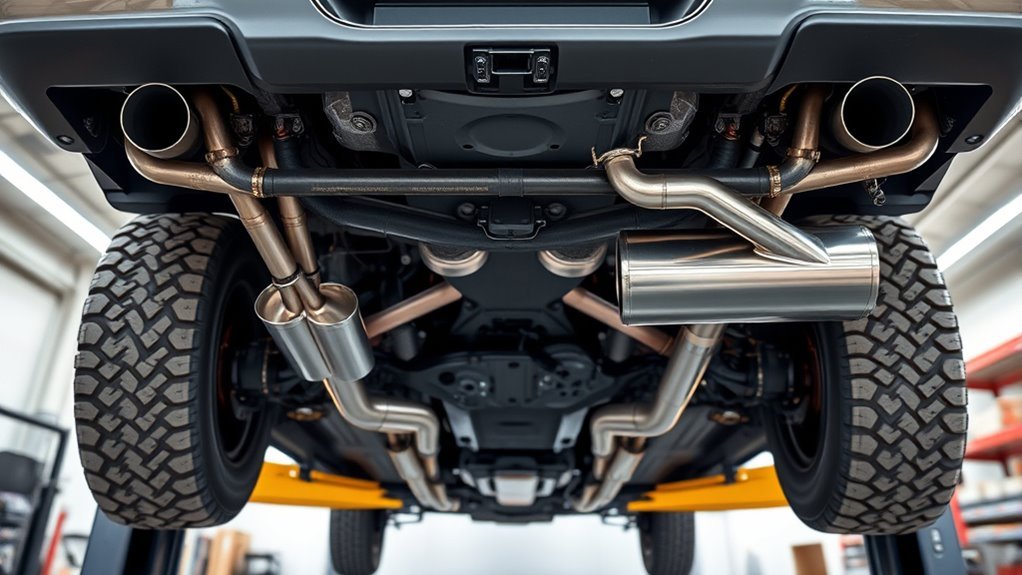
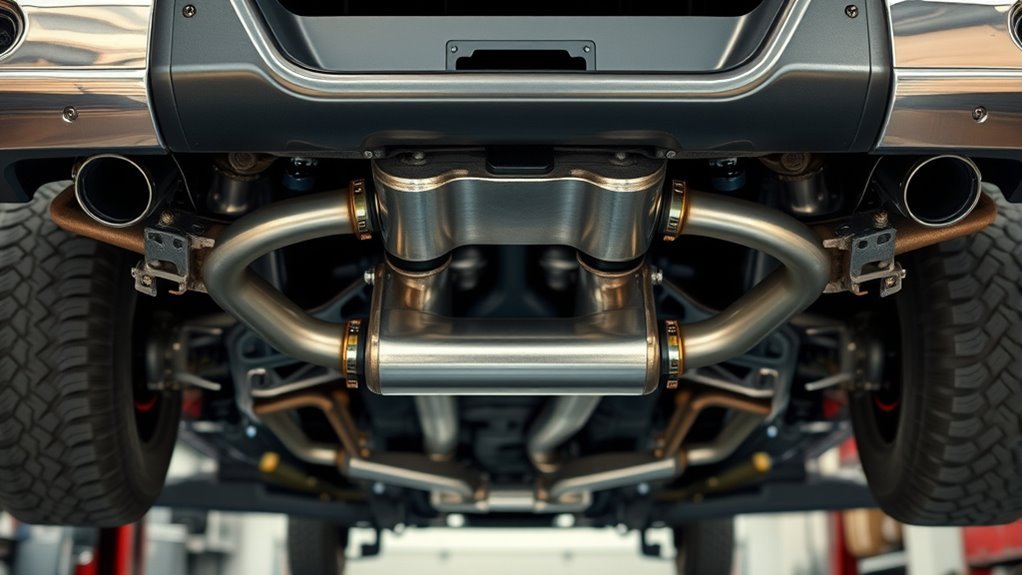
Choosing the right Tundra exhaust configuration, single side, dual side, or mid-side, means balancing sound, appearance, cost, and clearance. Single side exits usually feel closest to the factory setup because they keep sound more controlled.
Dual side exits create a louder and wider sound footprint. Mid-side exits can look sporty and keep the rear of the truck clear, but they can send more sound toward the cab. Listen to sound clips with headphones and check owner videos for your exact model year before buying.
[Products Worth Considering]

These custom mud flaps are designed to fit select 2026 Toyota RAV4 models and help protect the lower body from mud, snow, gravel, sand, and road debris. Built for a no-drill installation using factory mounting points, they offer a clean, secure fit with added stability for everyday driving and harsh weather conditions.

Walker 36454 is a spring bolt kit designed to help secure exhaust components and maintain a tight, leak-resistant connection. It is made for ball and socket joint applications and uses durable materials for long-lasting performance. This hardware is a practical choice for exhaust repairs and compatible replacement needs on select vehicles.

These Amazon Basics steel jack auto stands provide dependable support for vehicle maintenance with a self-locking ratchet design for easy height adjustment. Built from durable steel with a rustproof coating, they meet recognized safety standards and are designed for sedans and urban SUVs. The pair offers a stable, easy-to-read solution for routine garage work and comes backed by a limited warranty.
Configuration Impacts on Cabin and Exterior Noise
Cabin noise often increases with mid-side exit layouts because the outlet sits closer to the cab. Exterior sound projection also changes based on your layout and muffler choice.
Single side exits keep the sound controlled and mostly behind the truck. Dual side exits spread the sound wider. Your best layout depends on how much interior quiet you want compared with exterior presence.
Cabin Noise Increase
Exhaust outlet placement changes where sound waves travel, so each setup creates a different interior noise level. Middle side exits sit closest to the cab and usually create the most interior drone. Dual side exits raise overall volume, while single side exits often suit long highway trips best.
- Middle-side: Highest cabin intrusion because the outlet sits near the seating area.
- Dual-side: More exterior volume with a stronger, wider tone.
- Single-side: Lower cabin noise, which suits daily commuting.
- Tuning and muffler: The muffler still controls much of the final volume.
Exterior Sound Projection
The exhaust layout does not create engine output by itself, but it changes how people hear the truck outside. A middle side exit dumps exhaust earlier, so it can sound deeper and louder near the cab.
Single side exits send sound past the rear bumper and often feel calmer. Dual side systems split the flow to both sides of the truck, which creates a bolder sound and look.
Exit Location Effects
The exit location changes interior drone, exterior projection, and the truck’s overall personality. Review this quick breakdown before you buy.
- Middle side exit: Sits near the cab and can raise interior noise during acceleration.
- Single side exit: Routes exhaust away from the cab and keeps a factory-style look.
- Dual side exit: Adds a bold stance and a wider sound profile.
- Selection trade-offs: Balance cabin comfort against exterior style and trail clearance.
Pick the Right Sound for Your Tundra: Mild, Medium, Loud
Choosing an exhaust tone comes down to mild, medium, and loud setups. Mild systems suit daily driving because they keep cold starts, towing, and highway cruising easier to live with.
Medium systems add more growl without making every drive feel noisy. Loud systems create a heavy note and strong exterior volume, but they can wear you out during long commutes.
Pro tip: Watch sound clips recorded inside the cab at steady highway speed, not just cold-start clips outside the truck.
- Mild: Best for daily driving, family use, towing, and long highway trips.
- Medium: Best for drivers who want a deeper tone without constant drone.
- Loud: Best for weekend use, trail builds, and drivers who accept more cabin noise.
Tundra Exhaust Tips: Styles, Materials, and Visual Impact
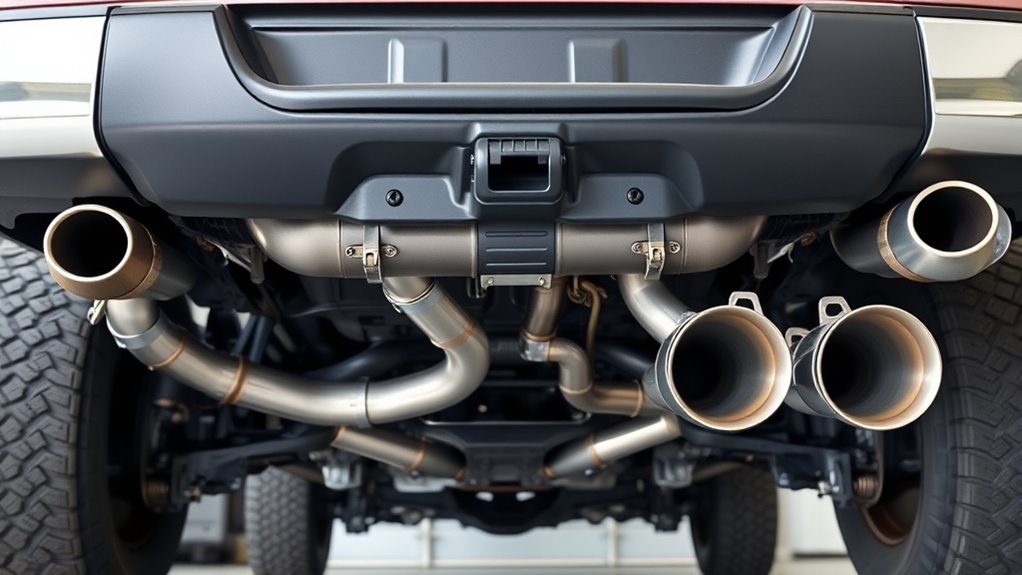
An exhaust tip is a simple bolt-on part, but it changes the look and slight acoustic behavior of your Tundra. Tips come in single, dual, rolled-edge, slash-cut, and angled designs.
Materials and finishes play a major role in durability and appearance. Match the tip diameter to the tailpipe and leave enough clearance around the bumper, spare tire, and mud flaps.
- Styles: Single tips look subtle, dual tips look aggressive, and angled tips direct flow downward.
- Materials: 304 stainless steel resists rust and polishes cleaner than cheaper steel grades.
- Finishes: Chrome and matte black options can match or contrast your truck’s paint.
- Function: A well-fitted tip can refine the tone slightly, but it will not replace muffler tuning.
Cost & Longevity: Price Ranges for 409 Vs 304 Systems
You usually get what you pay for with exhaust materials. Choose 409 or 304 stainless based on your budget and service environment.
Retail listings change often, but many Tundra cat-back systems run from the high hundreds to well over $1,000. Entry-level aluminized systems can cost less, 409 stainless often sits in the middle, and 304 stainless usually costs more.
When you plan a purchase, consider the total cost of ownership. A cheaper 409 system leaves money for other mods, but a 304 system may stay cleaner longer in harsh weather. During installation, prioritize secure hangers and high-quality clamps to keep the system sealed.
[Products Worth Considering]

These heavy-duty running boards are designed to improve access to your Toyota Tundra CrewMax while maintaining ground clearance for off-road use. Built from durable aluminum with a high weight capacity, they provide stable step-up support for daily driving, cargo loading, and outdoor adventures. The no-drill installation makes setup simple, and the included customer support adds extra peace of mind.

These replacement support brackets are designed to secure the spring bars on a trailer frame for CURT TruTrack weight distribution hitches. Their adjustable mounting holes help achieve precise leveling while the rigid construction supports integrated sway control for a steadier towing experience. A durable powder coat finish adds long-lasting protection, and the package includes two replacement brackets.

This dual filter kit helps keep your vehicle running and riding cleaner by replacing both the engine air filter and cabin air filter at the same time. It is designed for a range of Toyota and Lexus hybrid models, helping support engine performance while reducing odors and airborne particles inside the cabin. Built with high-quality filtration materials, it offers a convenient maintenance solution for routine filter replacement.
Fitment & Installation by Tundra Generation (What to Check)
Fitment starts with your Tundra’s generation. Each model year can have different hanger locations, frame clearances, wheelbases, bed lengths, and bumper designs.
Always confirm exact compatibility before checking out. Verify the mounting points and make sure the pipes clear your suspension, spare tire, trailer hitch, and bumper plastics.
Note: A kit for a 2009-2021 5.7L Tundra may not fit a 2022-2026 Tundra because the engine, frame, and exhaust routing changed.
- Inspect the hanger alignment and frame brackets against your Tundra’s factory mounting points.
- Match the outlet placement so it does not heat the bumper, mud flaps, spare tire, or wiring.
- Decide if you want a bolt-on, clamp-fit, or welded system.
- Review installation guides specific to your truck’s model year, cab, bed length, and drivetrain.
Prepare the correct installation tools before you start, including ratchets, a torque wrench, safety glasses, gloves, jack stands, and penetrating oil for rusty factory bolts.
Safety, Emissions, and Maintenance Checks
A good exhaust setup should sound better, fit tightly, and keep exhaust gases away from the cabin. The Centers for Disease Control and Prevention (CDC) advises drivers to have a mechanic check a car or truck exhaust system every year because a small leak can let carbon monoxide build up inside the vehicle.
Keep catalytic converters and oxygen sensors in place unless a certified repair requires a compliant replacement. The Environmental Protection Agency (EPA) states that tampering with vehicle emissions controls violates the Clean Air Act.
Warning: Stop driving and get a mechanic’s inspection if you smell exhaust in the cabin, hear a sudden leak, or feel dizzy while the truck runs.
- Check clamps, flanges, hangers, welds, and gaskets after the first few heat cycles.
- Inspect for soot marks near joints because soot can point to a leak.
- Wash road salt from the underbody during winter months.
- Retighten hardware only to the manufacturer’s torque specs.
- Confirm local noise and emissions rules before you install a louder system.
Final Checklist: Choose Based on Lifestyle, Budget, and Rust Resistance
When you select a Tundra exhaust, look at your daily driving habits, budget, local weather, and fitment details. Pick a milder setup if you commute every day, tow often, or drive with family.
Choose a louder layout for weekend use only if you can accept more cabin noise. If you live in a dry climate, 409 stainless can make sense. If you live in the snowbelt, 304 stainless gives you better long-term rust protection.
| Consideration | Recommendation |
|---|---|
| Lifestyle | Daily commuting vs. weekend off-roading |
| Material | 409 for value / 304 for stronger rust resistance |
| Sound | Mild for comfort / loud for stronger exterior presence |
| Budget | Compare current retailer prices before you buy |
| Care | Check clamps, hangers, joints, and leaks every year |
Frequently Asked Questions
What Components Are Parts of the Exhaust System?
A typical exhaust system includes exhaust manifolds, catalytic converters, oxygen sensors, mid-pipes, resonators, mufflers, tailpipes, and tips. These parts route exhaust gases away from the engine, reduce noise, and help emissions equipment work correctly.
What Tundra Exhaust Parts Should You Check Before Buying?
Check the muffler, pipe diameter, inlet and outlet layout, hanger locations, tip style, gasket type, and hardware. Also confirm engine, cab, bed length, drivetrain, and model-year fitment before you order.
What Is the Most Common Tundra Exhaust Problem?
Rust, loose hardware, failed gaskets, and leaking joints cause many exhaust problems. A leak can raise noise, hurt cabin comfort, and create a carbon monoxide risk if fumes enter the truck.
What Is Included in a Cat-Back Exhaust System?
A cat-back system usually replaces the parts behind the catalytic converters, such as the mid-pipe, muffler, tailpipe, tips, and clamps. It normally does not replace headers, catalytic converters, or oxygen sensors.
Will a Tundra Exhaust System Add Horsepower?
A freer-flowing cat-back system can improve exhaust flow, but real power gains depend on the full setup and tuning. Buy an exhaust mainly for sound, durability, appearance, and fitment unless the manufacturer provides tested performance data.
Safety Disclaimer: This article is for informational purposes only and does not replace advice from a qualified mechanic. Have a professional inspect exhaust leaks, emissions parts, welding, and fitment issues before you drive.
Conclusion
The best Tundra exhaust balances sound, rust resistance, fitment, and cabin comfort.
Choose 304 stainless if you want the strongest protection in wet or salted areas. Choose 409 stainless if your budget matters more and you can accept surface rust. Match your muffler and exit layout to your daily noise tolerance, then confirm the kit fits your exact Tundra before you order.
A well-chosen exhaust should make your truck sound better without creating leaks, drone, or fitment headaches.
References
- 2021 Toyota Tundra Revs Up Big-Pickup Fun with New Trail and Nightshade Special Editions, Toyota USA Newsroom, 2020
- 2026 Toyota Tundra, Toyota, 2026
- What is the difference between 304 and 409 stainless steel?, Summit Racing, accessed 2026
- Carbon Monoxide Poisoning Basics, Centers for Disease Control and Prevention, 2026
- Tampering and Aftermarket Defeat Devices, U.S. Environmental Protection Agency, 2025
- Flowmaster Flow FX Cat-back Exhaust System, Flowmaster, accessed 2026
- Toyota Tundra Exhaust Collection, Tundra Lifestyle, accessed 2026