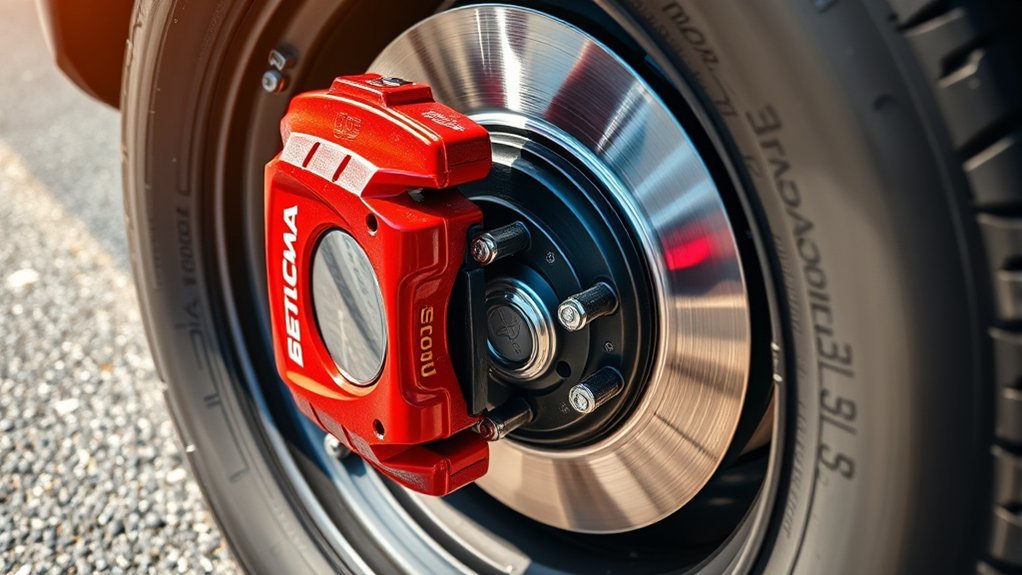
Bedding in new Toyota Tacoma brake pads or rotors is a controlled break-in process that helps the pads and rotor faces mate evenly. Done correctly, it improves pedal feel, reduces the chance of brake judder from uneven pad deposits, and helps your new brakes deliver consistent stopping power. Always follow the instructions that came with your specific brake pads or rotors first, because bedding procedures vary by pad compound and brake kit.
Quick Answer
To bed Toyota Tacoma brakes, make repeated controlled slowdowns without coming to a long complete stop: typically 8–10 moderate stops from about 35 mph to 5 mph, followed by 3–5 firmer stops from about 45 mph to 5–10 mph, then drive several minutes to cool the brakes naturally.
Key Takeaways
- Use the brake-pad or rotor manufacturer’s bedding instructions when they differ from a generic procedure.
- Do the process on a safe, open road where you can slow down repeatedly without traffic behind you.
- Avoid sitting still with your foot clamped on very hot brakes, because that can leave uneven pad deposits on the rotor.
- Let the brakes cool by driving with little or no braking before parking or testing them hard again.
- A soft pedal, brake warning light, grinding, pulling, or fluid leak is not a bedding issue—stop driving and have the truck inspected.
At a Glance
| Time Required | 15–25 minutes, plus a cool-down drive |
| Difficulty | Easy, but it requires a safe road and careful speed control |
| Tools Needed | None for the bedding drive; use a torque wrench before driving if wheels were removed |
| Cost | No added cost after brake installation |
Warning: Do not bed brakes in traffic, in a neighborhood, on a wet or icy road, while towing, or anywhere you may need to stop suddenly. If you must stop for safety, stop—protecting people matters more than finishing the bedding cycle perfectly.
Why Bedding In Brakes Matters for Your Toyota Tacoma

Brake bedding, also called brake burnishing or break-in, creates a thin, even transfer layer of pad material on the rotor face. That layer helps the pad and rotor work together smoothly instead of grabbing in patches. Brake makers such as PowerStop, Brembo, and Wagner Brake all describe bedding as an important part of preparing new friction surfaces.
On a Toyota Tacoma, proper bedding is most useful after installing new front brake pads, rear pads, rotors, or a complete brake kit. It can help reduce vibration, uneven bite, squeal, glazing, and premature brake fade. It does not fix mechanical problems such as air in the brake lines, a sticking caliper, worn hardware, contaminated pads, or warped or damaged rotors.
Note: Tacoma brake designs vary by model year and trim. Some trucks use rear drum-style parking brake components, while newer or upgraded setups may use rear disc brakes. The normal pad-and-rotor bedding procedure is not the same as bedding parking brake shoes.
Before You Bed Your Tacoma Brakes
Do these checks before the first bedding stop. They help prevent confusing an installation problem with a bedding problem.
- Confirm the correct pads and rotors were installed for your Tacoma’s year, trim, and brake package.
- Make sure the brake pedal feels firm before moving the truck.
- Check that the brake fluid level is correct and there are no visible leaks.
- Verify wheel lug nuts were torqued correctly if the wheels were removed.
- Make sure the parking brake is fully released before driving.
- Choose a straight, dry, low-traffic road where repeated slowdowns are legal and safe.
- Turn off distractions and keep both hands ready on the wheel.
If the brake warning light is on, the pedal sinks, the truck pulls hard to one side, or you hear metal-on-metal grinding, do not attempt a bedding drive. Have the brake system inspected first.
Step-By-Step Guide to the Bedding Procedure
The safest rule is simple: follow the instructions supplied by your brake-pad or brake-kit manufacturer. If your pads did not include a specific procedure, the following street-pad method is a practical baseline for many daily-driven Tacomas.
- Warm the brakes gently. Drive at normal speed and make 2–3 light stops to confirm the truck tracks straight and the pedal feels normal.
- Make 8–10 moderate stops. Accelerate to about 35 mph, then brake smoothly down to about 5 mph. Do not come to a long complete stop unless traffic or safety requires it.
- Make 3–5 firmer stops. Accelerate to about 45 mph, then brake firmly down to 5–10 mph. Use strong, controlled pressure, but do not lock the tires or trigger ABS.
- Keep moving between stops. Accelerate again promptly so air can move across the brakes. Avoid riding the brake pedal.
- Cool the brakes down. Drive 5–10 minutes at moderate speed with little or no braking. This lets the transfer layer stabilize.
- Park safely. Park on a level surface when possible. If the rear brakes are very hot, avoid clamping them unnecessarily while stationary, but always follow your Tacoma owner’s manual and use the parking brake when needed for safety.
Pro Tip: A faint hot-brake smell during bedding can be normal. Smoke, a burning-fluid smell, severe vibration, a sinking pedal, or warning lights are not normal—stop the procedure and inspect the brakes.
[Products Worth Considering]

Bosch QuietCast premium ceramic rear brake pads are engineered for quiet, reliable stopping power with low dust performance. Featuring pre-attached multilayer shims, corrosion-resistant backing plates, and OE-style slots and chamfers, this set is designed for smooth fitment and long-lasting durability. It includes pads for one axle, plus hardware and lubricant where available, making installation easier for compatible Lexus, Pontiac, and Toyota vehicles.
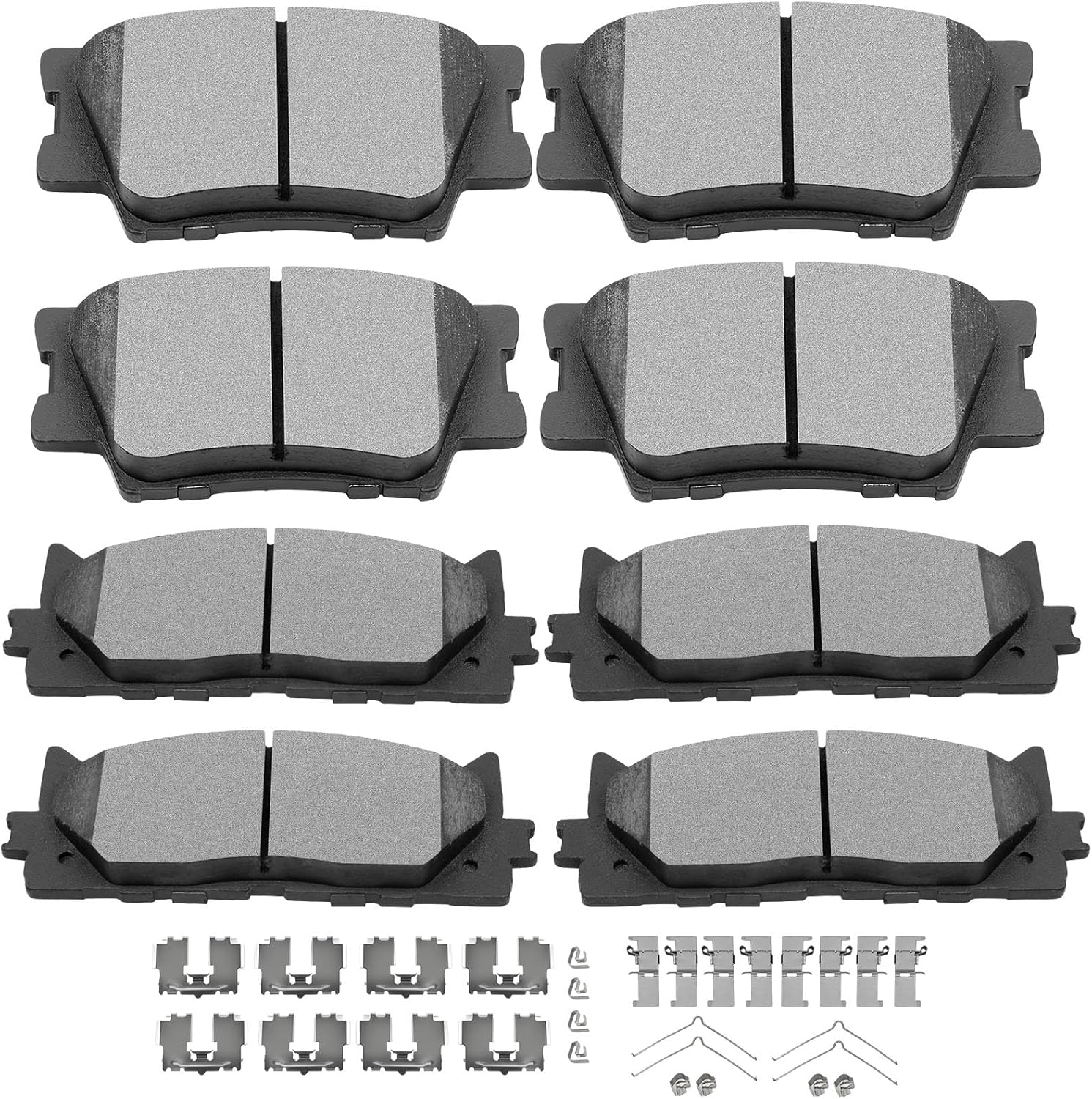
This ceramic front and rear brake pad set is designed as a direct replacement for select Lexus and Toyota models, helping restore reliable stopping performance. The pads feature a scorch-treated friction surface for quicker break-in and consistent wear, while the included gasket design helps reduce vibration and noise for quieter braking. Built for easy installation, this kit comes ready to fit compatible vehicles without modification.

PowerStop Z17 Evolution Ceramic Brake Pad Set is an OE replacement solution built for dependable everyday braking and consistent value. Designed with chamfered, slotted surfaces and rubberized shims, it helps deliver quiet stopping performance with reduced brake dust and cleaner wheels. The kit includes stainless steel installation hardware for an easy bolt-on install and comes backed by a limited warranty.
Essential Factors for Successful Brake Bedding
Successful bedding is not only about the number of stops. Pad compound, rotor surface, temperature, and cool-down all matter. Use this table as a quick reference before you start.
| Factor | Why It Matters | Best Practice |
|---|---|---|
| Brake pad compound | Ceramic, semi-metallic, towing, and performance pads may need different heat cycles | Follow the pad manufacturer’s exact bedding procedure first |
| Rotor condition | New, resurfaced, glazed, or grooved rotors change how evenly material transfers | Use clean, properly installed rotors with no grease or heavy rust on the friction face |
| Brake temperature | Too little heat may not transfer pad material; too much heat can glaze pads | Build heat gradually, then cool by driving instead of stopping and holding the pedal |
| Road choice | Traffic can force you to stop with hot brakes or make sudden maneuvers | Use a dry, open, straight road with clear visibility |
[Products Worth Considering]

Bendix Premium Ceramic Front Brake Pads are engineered to match original equipment fit, form, and function for a straightforward replacement. Built with durable materials to help resist wear and corrosion, they support consistent braking performance and reduced brake fade for everyday driving. These pads are a dependable choice for compatible Pontiac, Scion, Toyota, and related vehicles.
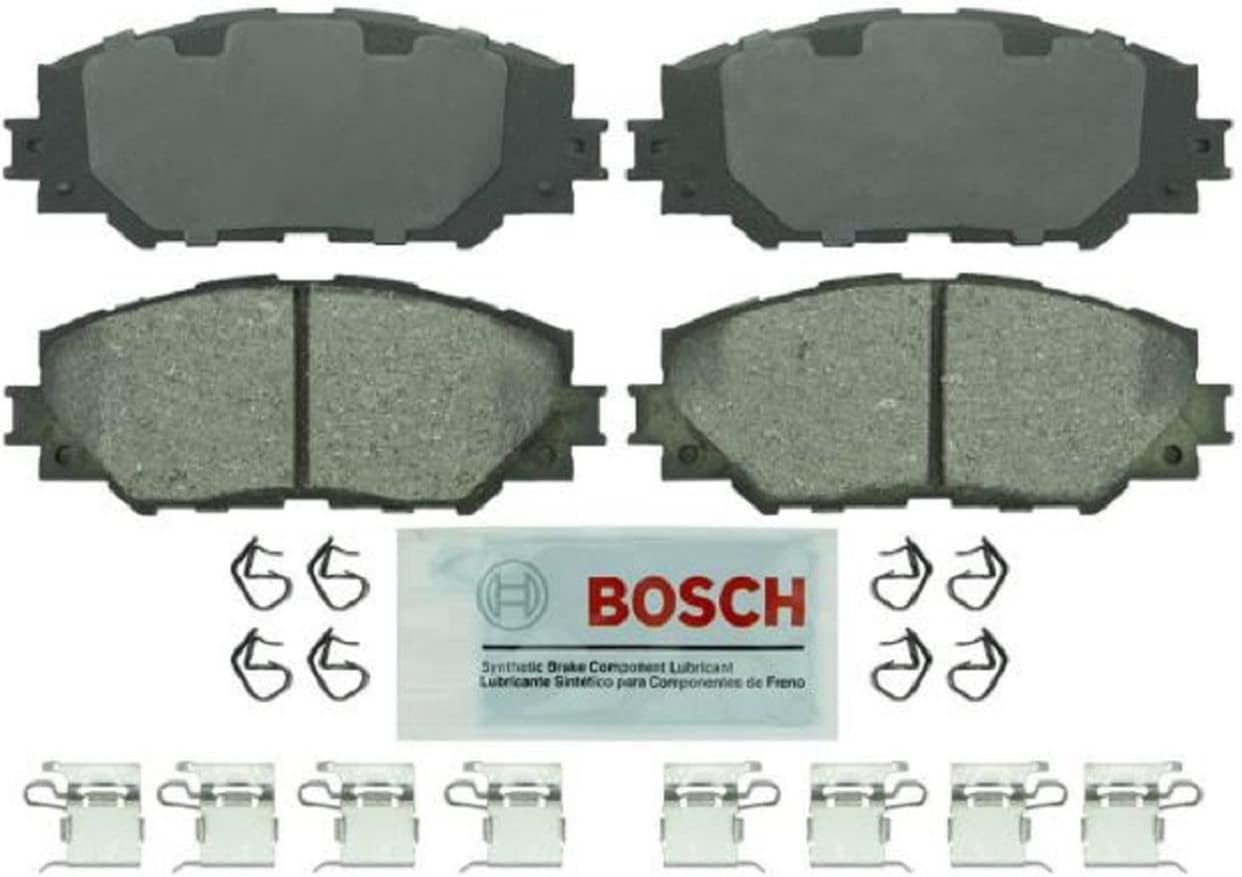
Bosch Blue ceramic front brake pads deliver dependable stopping power with platform-specific friction material designed for select Lexus, Pontiac, Scion, and Toyota vehicles. OE-style shims, slots, and chamfers help promote quiet braking, while the rust-inhibitive coating supports long-lasting performance and cleaner operation. The set includes hardware and synthetic lubricant for easier installation on one axle.

TOVASTY rear brake pads are designed for a wide range of Toyota and Lexus models, delivering dependable braking performance with a carbon ceramic formula. They help reduce brake dust, promote quieter operation, and support consistent stopping power with improved heat resistance for everyday driving confidence.
How to Maintain Speed and Timing During Stops

Consistent speed and timing help the pads heat evenly. For the moderate stops, aim for about 35 mph down to 5 mph. For the firmer stops, aim for about 45 mph down to 5–10 mph. The goal is controlled heat, not panic braking.
Leave enough distance to accelerate back up to speed without rushing. Keep each stop smooth and repeatable. If you overheat the brakes, smell strong burning, or feel the pedal fade, stop the bedding sequence and drive gently until the brakes cool.
Do not hold the brake pedal hard while the truck is stopped immediately after a hot stop. PowerStop warns that holding hot pads against the rotor can leave an imprint, which is one possible cause of brake judder.
Why Cooling Down Your Brakes Matters
Cooling down is part of the bedding process, not an optional extra. After the final hot stop, the pads and rotors need airflow to bring temperatures down gradually. Coasting or driving at a steady speed with minimal braking helps prevent uneven pad deposits and helps the transfer layer settle.
Brembo’s maintenance guidance also notes that new pads and rotors need a bedding period, during which braking should be brief and gradual and drivers should monitor for vibration or noise. That means you should avoid hard towing stops, steep downhill braking, and aggressive driving immediately after the initial bedding drive whenever possible.
The bedding drive creates the transfer layer; the cool-down drive helps keep that layer even.
Mistakes to Avoid When Bedding Brakes
Most bedding problems come from too much heat, too little cooling, or stopping in the wrong place. Avoid these common mistakes:
- Stopping in traffic with hot brakes: Holding the pedal while the brakes are very hot can leave uneven pad deposits.
- Dragging the brake pedal: Lightly riding the brakes adds heat without creating a clean bedding cycle.
- Triggering ABS on purpose: Bedding should be firm and controlled, not a maximum panic stop.
- Bedding on wet or dirty roads: Water, gravel, and dust can reduce consistency and safety.
- Skipping the cool-down: Parking right after the last hot stop can trap heat in one spot.
- Ignoring the manufacturer’s procedure: Some performance, towing, or severe-duty pads require a different sequence.
Signs Your Brakes Are Not Bedding Properly
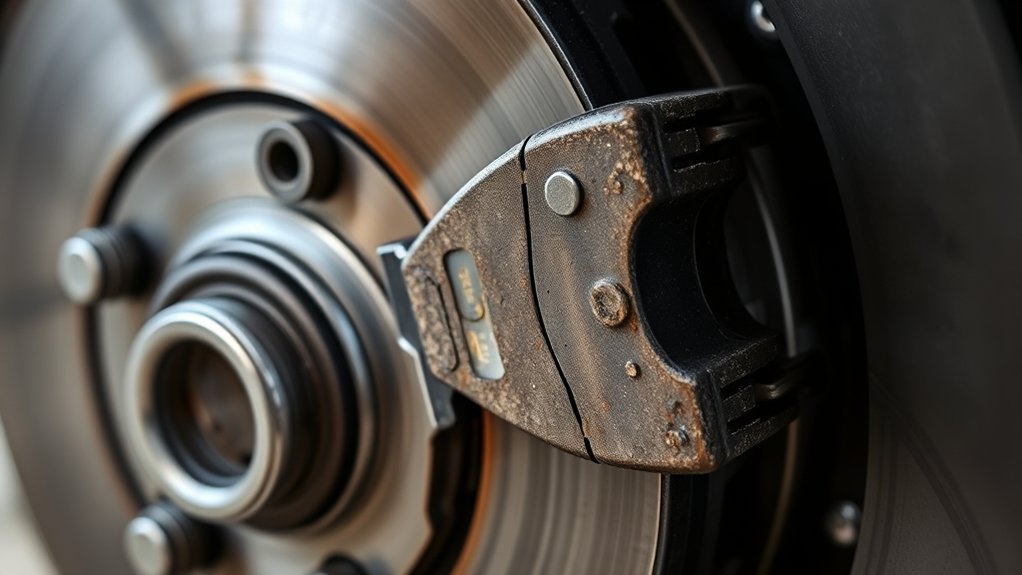
After bedding, your Tacoma should stop smoothly and predictably. Watch for these warning signs:
- Vibration or pulsing: This may mean uneven pad deposits, rotor thickness variation, or hardware issues.
- Pulling to one side: This can point to a sticking caliper, contaminated pad, hose problem, or uneven brake pressure.
- Grinding noise: Grinding is not normal bedding noise and should be inspected right away.
- Soft or sinking brake pedal: This is usually a hydraulic or bleeding issue, not a bedding issue.
- Burning smell that does not fade: Persistent burning may indicate overheating, a dragging caliper, or an installation problem.
- Poor stopping power after cooling: The pads may be glazed, contaminated, or not compatible with your driving use.
Warning: If the brake pedal feels soft, the pedal sinks, brake fluid is leaking, or a brake warning light stays on, do not keep driving. Have the system checked by a qualified technician.
[Products Worth Considering]

These ceramic front brake pads are designed for smooth, quiet braking and dependable stopping power across a range of compatible Toyota and Lexus vehicles. The chamfered, multi-layer construction helps reduce noise and brake dust while supporting stable performance in demanding driving conditions. Built for consistent braking response, they offer confident pedal feel and long-lasting reliability.

This brake bleeder hose kit helps remove old brake fluid and air from motorcycle brake and clutch systems quickly and efficiently. Its one-way check valve prevents air from being drawn back into the system, while the easy-to-connect clips make bleeding simple for routine maintenance. Built for reliable use, it is a practical tool for keeping motorcycle braking performance responsive.

Designed for Toyota Avalon models from 1995 to 1997, this front ceramic brake pads kit delivers dependable stopping power with a quiet, smooth braking feel. The ceramic construction helps reduce brake dust for cleaner wheels while supporting consistent performance and easier maintenance. Built to fit properly with compatible rotors, it offers a practical replacement solution for everyday driving.
Post-Bedding Checks for Your Toyota Tacoma Brakes
Once the brakes have cooled, do a simple check before normal driving:
- Perform a gentle stop test. From a moderate speed, brake lightly and confirm the Tacoma stops straight.
- Listen for abnormal sounds. A little bedding smell can happen, but grinding, scraping, or heavy squealing needs attention.
- Check pedal feel. The pedal should feel firm and consistent, not spongy or sinking.
- Look around the wheels. Check for smoke, fluid, loose hardware, or one wheel that seems much hotter than the others.
- Drive normally at first. Avoid heavy braking for the next few trips unless safety requires it.
If your Tacoma has an electronic parking brake, review the Toyota owner’s manual for the correct parking brake operation. Toyota warns that driving with the parking brake set can overheat brake components, reduce braking performance, and increase wear.
Tips for Safe and Effective Braking After Bedding
After bedding, treat the brakes gently for the next 100–200 miles when possible. Avoid towing heavy loads, repeated mountain descents, or aggressive off-road braking immediately after installing new pads and rotors. Normal city and highway driving is fine as long as the brakes feel consistent.
If you installed towing, off-road, or performance pads, expect them to behave differently from factory-style pads. Some compounds need more heat before they bite well, while others are designed for quiet daily driving. Matching the pad compound to your Tacoma’s use is just as important as bedding it correctly.
Special Note for Parking Brake Shoes and Rear Brake Work
Do not confuse disc brake pad bedding with parking brake shoe bedding. Some Tacoma service information has historically treated parking brake shoe bedding as a separate operation. If you replaced parking brake shoes, rear drums, rear rotors with internal parking brake surfaces, or electronic parking brake components, use Toyota service information or a qualified Toyota technician for the correct procedure.
Toyota makes official repair publications available through its Technical Information System. That is the right source when you need model-year-specific procedures beyond normal pad and rotor bedding.
Frequently Asked Questions
What is a brake bedding procedure?
A brake bedding procedure is a controlled series of stops used after installing new pads or rotors. It heats the pads and rotors in a planned way so a thin, even layer of pad material transfers to the rotor face.
Is brake bedding really necessary on a Toyota Tacoma?
Yes, it is strongly recommended after installing new disc brake pads or rotors. Bedding helps the new friction surfaces mate evenly, improves consistency, and reduces the chance of noise, glazing, and vibration.
What is the 30-30-30 rule for brakes?
The 30-30-30 rule is a generic shop-style phrase, not a universal Toyota Tacoma specification. It usually refers to repeated stops around 30 mph with cooling time afterward. Use the brake manufacturer’s instructions instead of relying on a slogan.
Should I come to a complete stop while bedding Tacoma brakes?
Avoid long complete stops with your foot pressed hard on the pedal while the brakes are very hot, because this can create uneven pad deposits. If traffic or safety requires a stop, stop safely and continue only when conditions are clear.
Can I bed brakes right after replacing pads only?
Yes. Bedding is useful after pad-only replacement, rotor-only replacement, or pad-and-rotor replacement. If old rotors are grooved, glazed, or below specification, bedding new pads on them may not solve vibration or poor stopping.
Why do my new Tacoma brakes smell after bedding?
A light hot-brake smell can be normal during the first bedding cycle. Heavy smoke, fluid odor, a dragging wheel, warning lights, or a pedal that changes feel are not normal and should be inspected.
Conclusion
Properly bedding your Toyota Tacoma brakes is a small step that can make a big difference in how the truck stops. The key is to build heat in a controlled way, avoid sitting still on very hot brakes, and let the brakes cool naturally before regular use. Use the instructions from your brake manufacturer first, and treat any abnormal pedal feel, warning light, pulling, grinding, or leak as a repair issue—not a bedding issue.
Sources
- PowerStop Brake Pad Break-In Procedure — supports avoiding complete stops with hot pads and explains pad transfer to rotors.
- Brembo Parts: Indications and Bedding In — supports gradual braking, bedding period, and monitoring for noise or vibration.
- Wagner Brake: Burnishing Brakes and Bedding Brake Pads — supports the need to break in brake discs, pads, and shoes.
- Toyota 2026 Tacoma Owner’s Manual: Parking Brake — supports Toyota parking brake operation and overheating warnings.
- Toyota Support: Technical Information System — supports using official Toyota service publications for model-specific repair procedures.