Quick Answer
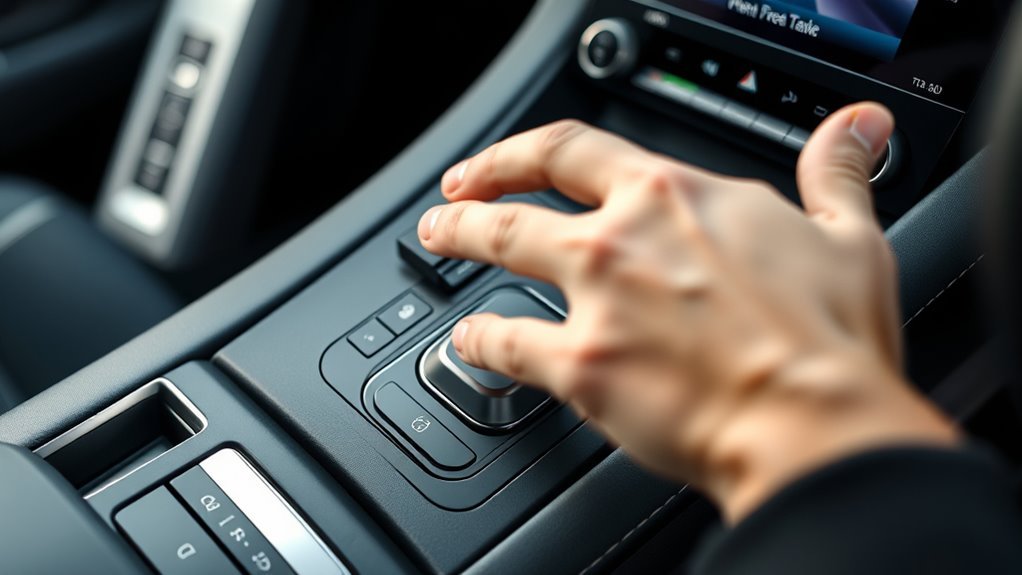
With the GR Supra stationary, pull the electronic parking-brake switch to set the brake. The switch LED and red parking-brake indicator confirm it is applied. To release it manually, switch the car to drive-ready state and press the parking-brake switch. On a manual-transmission Supra, press the brake pedal while releasing it. On an automatic-transmission Supra, Toyota allows release with the brake pedal pressed or with selector position P set. The parking brake also releases automatically when you drive away.
The Toyota Supra electronic parking brake (EPB) is straightforward once you separate its actual functions from features found on other Toyota models. The current U.S./Canada GR Supra instructions describe manual EPB application, automatic release when driving away, and Hill-start Assist Control rather than a separate Brake Hold or Auto Hold function. This guide covers normal operation, safe parking, warning conditions, emergency use, and Toyota’s procedure after a power failure.
Model-year note: Toyota lists multiple 2026 U.S./Canada Supra owner’s manuals for different production periods. Check the manual that matches your vehicle if its equipment or instructions differ. You can find the current documents on Toyota’s 2026 Supra manuals page.
How the Toyota Supra Electronic Parking Brake Works
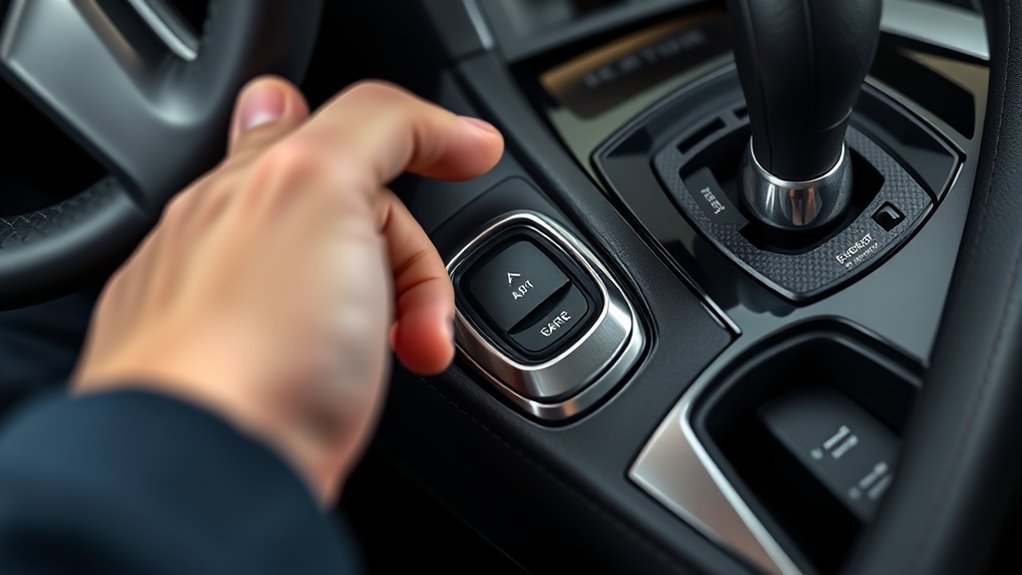
The GR Supra uses an electronic parking brake controlled by the parking-brake switch in the center console. With the vehicle stationary, pull the switch to set the brake. The switch LED illuminates, and the parking-brake indicator in the instrument cluster lights red to confirm the brake is applied.
On an automatic-transmission Supra, selector position P and the parking brake are separate ways of securing the vehicle. Use P and set the parking brake before leaving the car. On a manual-transmission Supra, set the parking brake and use the appropriate gear when parking, especially on a grade.
How Do You Set and Release the Supra EPB?
[Products Worth Considering]

Applicable for Honda Civic 2016-2018

Fitment: Replacement for X5 X6 E70 E71 E72 2008 2009 2010 2011 2012 2013 2014

Fit for Honda HR-V 2016-2021.
To Set the Parking Brake
- Bring the Supra to a complete stop.
- Keep control of the vehicle with the foot brake.
- Pull the electronic parking-brake switch.
- Confirm that the switch LED and red parking-brake indicator illuminate.
To Release the Parking Brake Manually
- Switch on drive-ready state.
- Manual transmission: Press the brake pedal and press the parking-brake switch.
- Automatic transmission: Press the parking-brake switch while the brake pedal is pressed or while selector position P is set.
- Confirm that the switch LED and parking-brake indicator go out.
The GR Supra also has automatic drive-away release. When the conditions for driving away are met and you move off, Toyota states that the parking brake releases automatically.
Does the GR Supra Have Brake Hold?
The 2026 U.S./Canada GR Supra owner’s manual does not describe a separate Brake Hold or Auto Hold function like the system used on some other Toyota models. Instead, the Supra has Hill-start Assist Control to help when starting on an uphill grade.
With Hill-start Assist Control, hold the vehicle with the foot brake, then release the brake and drive off without delay. Toyota states that the system can hold the vehicle for approximately two seconds after the foot brake is released. Depending on vehicle loading and the grade, the car may still roll back slightly.
- Purpose: Helps the driver move off on an uphill grade.
- Hold time: Approximately two seconds after the foot brake is released.
- Not a parking brake: Do not rely on Hill-start Assist to secure a parked vehicle.
- On a grade: Use the parking brake if needed to prevent rollback while starting.
Does the Supra Parking Brake Release Automatically?
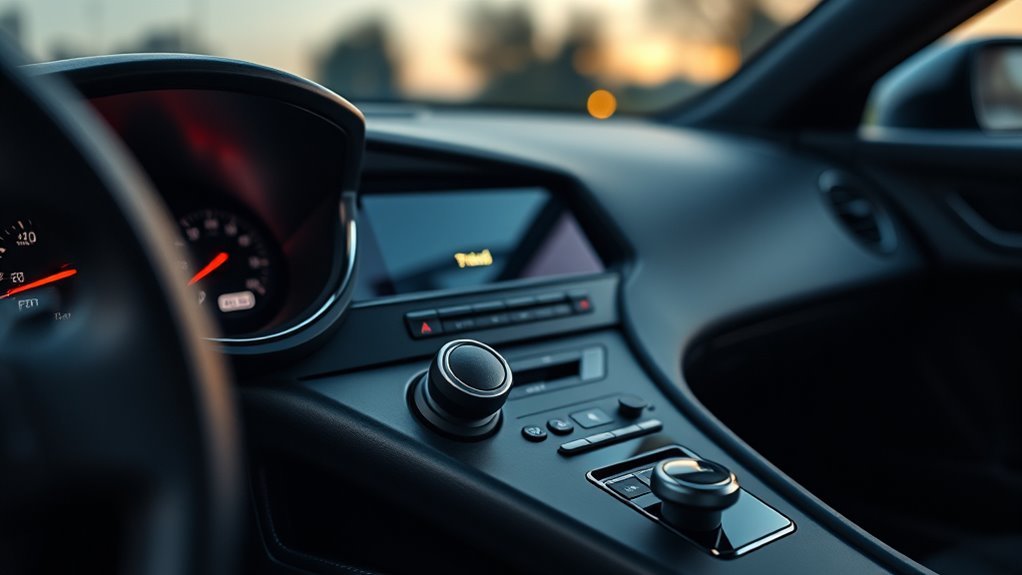
Yes. Toyota states that the GR Supra parking brake releases automatically when you drive away. When it releases, the parking-brake switch LED and instrument-cluster indicator go out.
Automatic release is different from automatic application. The current GR Supra instructions do not describe a selectable setting that automatically applies the EPB every time the transmission is shifted into Park. Set the parking brake with the switch and verify its indicator before leaving the vehicle.
How Should You Park a Toyota Supra Safely?
Use a consistent parking sequence instead of relying on the transmission alone. Keep the foot brake applied until the car is secured, select the correct transmission position or gear, set the parking brake, and verify the red indicator before exiting.
For a manual-transmission Supra on a grade, Toyota instructs the driver to use first gear on an uphill gradient and reverse on a downhill gradient. On a slope, wheel position and a wheel chock can provide additional protection. See the separate guide to parking a Toyota Supra on hills for the full incline-parking procedure.
Recommended Parking Sequence
- Bring the vehicle to a complete stop and keep the foot brake pressed.
- On an automatic, select Park (P). On a manual, use the appropriate gear when parking.
- Pull the electronic parking-brake switch.
- Verify that the red parking-brake indicator illuminates.
- On a grade, position the front wheels appropriately and use a wheel chock when additional security is needed.
- Confirm the vehicle is secure before exiting.
What Should You Do If the Supra EPB Malfunctions?
If the parking brake reports a failure or malfunction, do not assume that the vehicle is securely held. Toyota instructs the driver to secure the vehicle against rolling, such as with a wheel chock. Pay attention to the instrument-cluster message and avoid repeatedly forcing the vehicle to move against a brake that may still be applied.
If the warning remains after normal operation is restored, have the fault diagnosed. A persistent problem can involve the switch, electrical supply, wiring, control system, or brake hardware, so the warning message and diagnostic fault codes matter more than guessing from one symptom. For broader brake-system context, see the GR Supra brake system guide.
[Products Worth Considering]

For VW CC 2009-2010; For VW Passat 2006-2010; For VW Passat CC 2009-2010
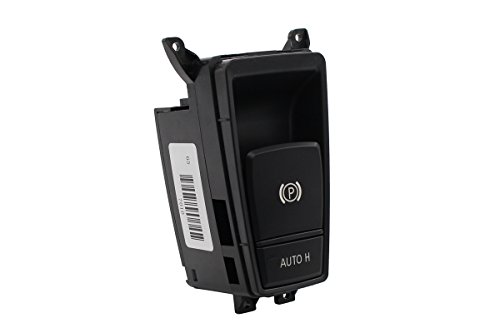
Replace for Part Number:61319148508

Compatible: Compatible with 2015-2016 5 Series F07 F10, 2015-2019 6 Series F12, 2012-2015 7 Series F01 F02 2015-2017 X3 F25, 2015-2018 X4 F26, 2016-2018 X5 F15, 2015-2019 X6 F16
What Should You Do After a Power Failure?
Toyota provides a specific procedure to re-establish parking-brake functionality after a power failure:
- Switch on standby state.
- Pull the parking-brake switch while pressing the brake pedal. On an automatic-transmission Supra, Toyota also permits this step with selector position P set.
- Then press the parking-brake switch.
- Allow several seconds for the process to complete. Operating sounds during the procedure can be normal.
- Confirm that the parking-brake warning indicator is no longer illuminated once the system is ready for operation again.
If the parking brake still does not operate normally, secure the vehicle so it cannot roll and have the system inspected rather than repeatedly cycling or forcing the control.
Can You Use the Supra EPB in an Emergency While Driving?
Yes, but only as an emergency function. Toyota states that pulling and holding the parking-brake switch while the car is moving causes strong braking while the switch remains pulled. A vehicle message appears, and the parking brake is set once vehicle speed falls to approximately 2 mph (3 km/h).
This function is not a substitute for normal braking with the brake pedal. Use the service brakes during normal driving and reserve the parking-brake switch procedure for an emergency in which that function is genuinely needed.
What the Supra EPB Is—and Is Not
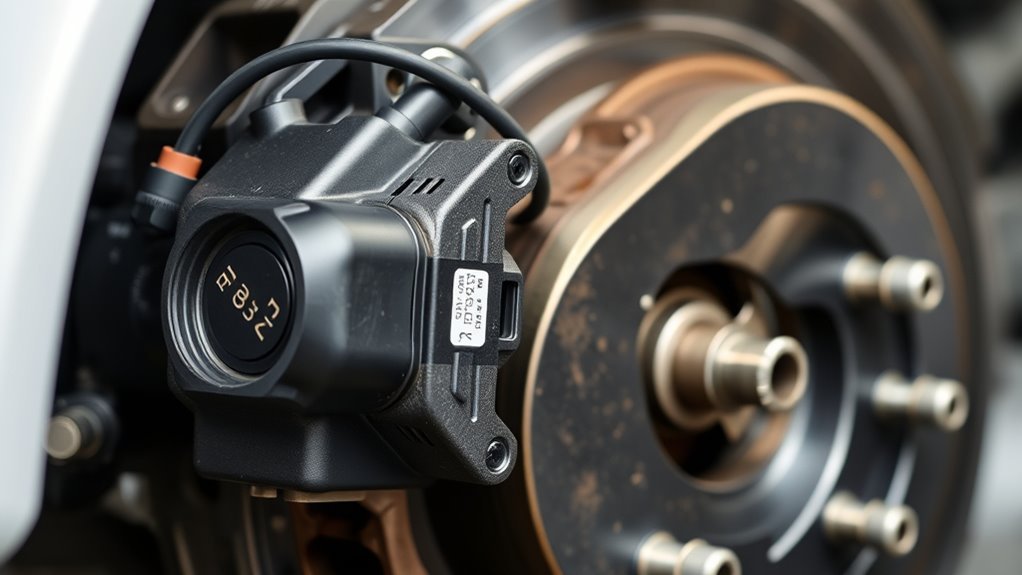
The electronic parking brake is primarily a vehicle-holding system for parking. The center-console switch commands the parking-brake system electronically, while the normal brake pedal remains the primary control for slowing and stopping the car during ordinary driving.
The EPB is also separate from Hill-start Assist Control. Hill-start Assist temporarily helps prevent rollback while moving away on an incline; the parking brake is the system used to secure the vehicle when parked. Keeping those functions separate prevents confusion about which system is actually holding the car.
How Should the Supra EPB Be Maintained?
Do not apply a generic 5,000-mile EPB inspection interval to every GR Supra. Follow the Toyota Warranty & Maintenance Guide that matches your model year and production period for scheduled brake inspections, brake-fluid service, and other maintenance requirements.
Outside the scheduled maintenance plan, investigate an EPB warning message, failure to hold or release, persistent brake drag, or abnormal operation promptly. These symptoms call for diagnosis rather than a routine fluid-level check or an unsupported reset sequence.
[Products Worth Considering]

【Emergency EPB Release for Safe Vehicle Movement】 This universal car motor diagnostic tool helps quickly release the electronic parking brake during sudden power loss or brake failure, making vehicle movement safer and easier in emergency situations. The electronic parking brake tool supports stable EPB operation for workshops and daily maintenance

All-in-One Vehicle Diagnostics: Combines OBD scanning, battery testing, and system analysis. Reads/clears codes, monitors real-time data, Built-in ABS scan, brake motor testing, service mode for accurate fault detection in modern braking systems

All-in-One Motor & Circuit Testing Tool: Quickly diagnose 12V automotive electrical systems with this universal car motor diagnostic tool. Functions as a tester and circuit tester to directly power and test window motors, wiper motors, seat motors, and more—no complex setup required
Frequently Asked Questions
How do you set the Toyota Supra electronic parking brake?
With the Supra stationary, pull the parking-brake switch. The switch LED and the red parking-brake indicator in the instrument cluster illuminate when the brake is set.
Does the Supra electronic parking brake release automatically?
Yes. Toyota states that the parking brake releases automatically when you drive away. You can also release it manually from drive-ready state using the parking-brake switch and the transmission-specific procedure described above.
Does the GR Supra have Brake Hold or Auto Hold?
The 2026 U.S./Canada GR Supra owner’s manual does not describe a separate Brake Hold or Auto Hold function. It instead describes Hill-start Assist Control, which can hold the vehicle for approximately two seconds after the foot brake is released during an uphill start.
What should you do if the Supra parking brake stops working after a power failure?
Switch on standby state, pull the parking-brake switch while pressing the brake pedal or, on an automatic, while selector position P is set, and then press the switch. The procedure can take several seconds. If normal operation does not return, secure the vehicle against rolling and have the system inspected.
Can the Supra electronic parking brake be used while the car is moving?
Toyota provides an emergency braking function: pulling and holding the parking-brake switch while driving produces strong braking. When speed drops to approximately 2 mph (3 km/h), the parking brake is set. This is an emergency function, not a replacement for normal use of the brake pedal.
The key rule is simple: set the Supra’s electronic parking brake with the vehicle stationary and verify the red indicator before leaving the car. Do not assume shifting an automatic into Park has automatically applied the EPB. If a parking-brake malfunction appears, secure the vehicle against rolling and follow Toyota’s documented procedure or have the fault diagnosed.