Yes—the Toyota 2JZ is widely regarded as a durable engine family, but its lifespan depends more on maintenance, age, condition, and modification history than on the badge alone. A documented teardown of a 1999 Lexus SC300 with a 2JZ-GE and 415,000 miles found surprisingly limited internal wear for the mileage. That does not mean every 2JZ will reach 400,000 miles. The naturally aspirated 2JZ-GE is mechanically simpler, while the 2JZ-GTE adds sequential turbochargers, boost-control hardware, and more components that can deteriorate with age. For a high-mileage 2JZ, service history, oil leaks, cooling-system health, timing-belt records, compression, and tuning quality matter more than the odometer alone.
Last updated: September 16, 2026
Evidence note: This guide was refreshed using Toyota’s archived vehicle specifications and maintenance documentation plus a documented 415,000-mile 2JZ-GE teardown. It does not claim that every engine will achieve the same lifespan or that an unverified high-power setup will remain as reliable as a stock engine.
- Best reliability signal: documented maintenance and a healthy cooling system matter more than mileage alone.
- 2JZ-GE advantage: the naturally aspirated version has fewer turbo-specific components to age or fail.
- 2JZ-GTE caution: turbo condition, sequential-system hardware, boost control, fuel delivery, and ECU calibration become increasingly important on modified engines.
- High-mileage buying rule: verify timing service, leaks, cold-start smoke, compression, overheating history, and modification quality before judging an engine by its odometer.
Is the Toyota 2JZ Reliable?
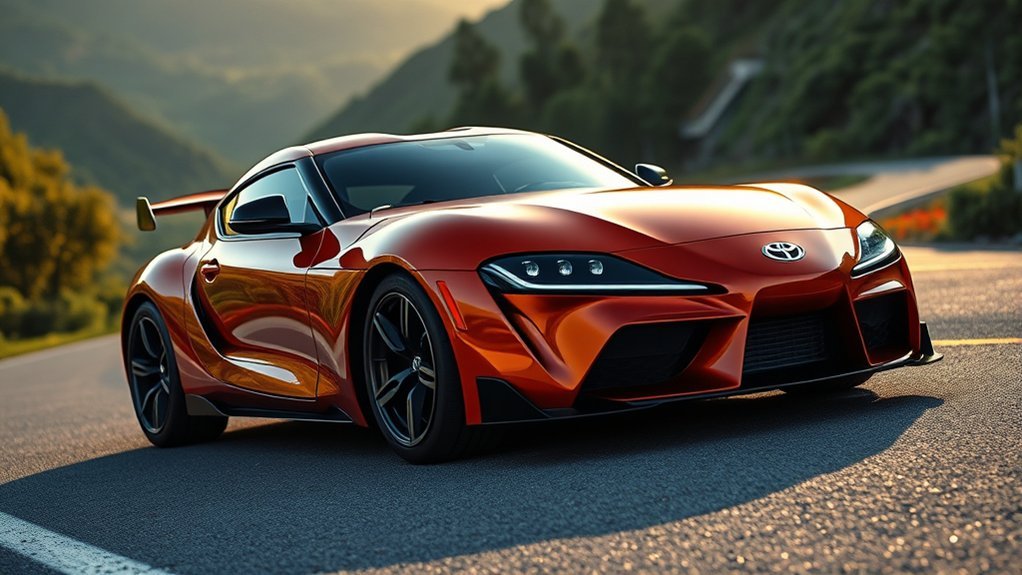
The Toyota 2JZ earned its durability reputation from a strong basic design rather than from being immune to wear. Toyota’s archived specifications identify the 2JZ as a 2,997 cc inline-six, and the performance-oriented 2JZ-GTE combines that architecture with twin turbochargers. Its cast-iron block, forged-steel crankshaft, and robust bottom end provide a strong foundation, but decades of heat cycles, neglected fluids, deteriorating seals, cooling problems, poor tuning, and excessive boost can still shorten engine life.
The most important distinction is between a well-maintained stock engine and a heavily modified one. A stock or near-stock 2JZ with documented service history is a very different reliability proposition from an engine running a large turbo, increased boost, an unknown ECU calibration, or an incomplete fuel-system upgrade.
2JZ-GE vs. 2JZ-GTE Reliability
| Variant | Factory Setup | Reliability Consideration |
|---|---|---|
| 2JZ-GE | Naturally aspirated | Fewer turbo-specific components to age or fail; condition and maintenance still determine longevity |
| 2JZ-GTE | Twin turbo | Strong core engine, but adds turbochargers, boost-control hardware, vacuum plumbing, and greater modification risk |
Neither version should be judged by reputation alone. On a 20- to 30-year-old engine, previous maintenance, overheating history, oil consumption, leaks, compression, and modifications provide more useful information than mileage by itself. For deeper coverage of the turbo engine’s architecture, specifications, and modification considerations, see the site’s 2JZ-GTE engine design and tuning guide.
How High Mileage Affects 2JZ Engine Performance
High mileage does not automatically make a 2JZ a bad engine. A documented 1999 Lexus SC300 2JZ-GE with 415,000 miles was still running well before teardown, and inspection showed much less deterioration than many buyers would expect at that mileage. That example is evidence of what good maintenance can achieve, not a guaranteed lifespan for every 2JZ.
Maintenance Impact on Longevity
Maintenance history is more useful than an arbitrary mileage cutoff. Regular oil and filter changes using the specification required by the exact vehicle help protect bearings, camshafts, rings, and turbocharger lubrication where applicable. Cooling-system maintenance is equally important because repeated overheating can turn an otherwise healthy engine into an expensive repair.
On a high-mileage engine, also inspect ignition components, rubber hoses, vacuum lines, seals, belts, coolant condition, and evidence of previous repairs. If you are evaluating an engine with an unknown history, a compression test and, when appropriate, a leak-down test can reveal problems that an odometer cannot.
What Did a 415,000-Mile 2JZ-GE Look Like Inside?
The documented 415,000-mile teardown provides a useful real-world reference because the engine was dismantled and its internal condition was inspected rather than its durability being judged only from reputation.
| Area Inspected | Observed Condition | What It Shows |
|---|---|---|
| Cylinder bores | Much of the original crosshatching remained, with limited scoring | Cylinder wear can remain controlled even at very high mileage when maintenance is good |
| Cylinder head and camshafts | Minor wear and limited varnish | The valvetrain had aged without severe visible damage |
| Oil pan | Some sludge was present | High mileage still leaves deposits and maintenance evidence |
| Bearings and bottom end | Normal wear for the mileage; otherwise healthy overall | The rotating assembly remained serviceable despite extensive use |
| Pre-teardown operation | Engine reportedly ran well | High odometer mileage alone did not determine operating condition |
The practical lesson is not that every 2JZ will last 415,000 miles. It is that a well-maintained engine can remain healthy far beyond the mileage at which many buyers automatically reject a used car.
High-Mileage 2JZ Buying Checklist
- Start it cold: Watch for blue exhaust smoke, abnormal mechanical noise, difficult starting, or an unstable idle before the engine has warmed up.
- Check the fluids: Look at engine-oil level and condition, coolant condition, and signs that oil and coolant may be mixing.
- Trace leaks from the top down: Inspect the valve-cover, camshaft, crankshaft, VVT-i where applicable, and oil-pan areas rather than judging the leak only by where oil reaches the ground.
- Verify timing-system history: Ask for dated records rather than accepting a verbal claim that the timing belt or related components were replaced.
- Check cooling history: Look for radiator, hose, thermostat, water-pump, coolant-loss, or previous-overheating evidence.
- Test an expensive or unknown engine: Compression and, where appropriate, leak-down testing can reveal cylinder-condition problems that mileage alone cannot.
- Audit modifications: On a turbo or converted engine, identify the turbocharger, boost-control strategy, injectors, fuel system, ECU, calibration, and supporting cooling hardware before assuming the build is reliable.
Essential Maintenance Practices to Extend the Life of Your 2JZ Engine
Start with the maintenance schedule for your exact Toyota or Lexus model, engine variant, market, and operating conditions. The 2JZ appeared in multiple vehicles over many years, so a single universal interval should not be applied to every application.
- Engine oil and filter: Follow the viscosity, specification, and service interval listed for your exact vehicle. Check the level between changes on an older engine, especially if it consumes or leaks oil.
- Timing belt: Verify the maintenance schedule for the exact chassis and engine. Toyota’s 1998 U.S. maintenance schedule lists timing-belt replacement at 90,000 miles or 72 months for the non-turbo Supra. Other 2JZ applications and operating conditions may differ.
- Cooling system: Check the radiator, hoses, water pump, thermostat, coolant level, and evidence of previous overheating. Heat damage can undermine the reliability of an otherwise strong engine.
- Ignition system: Worn spark plugs, coils, wiring, or related components can cause misfires and poor running, especially as the engine ages. For model-specific plug information, see the site’s Supra spark plug specification guide.
- Oil seals and gaskets: Inspect valve-cover, camshaft, crankshaft, and other sealing areas rather than allowing a small leak to become a chronic low-oil condition.
- Modified engines: Treat fuel delivery, boost control, cooling, and ECU calibration as reliability systems, not optional performance accessories.
There is no benefit in adding performance parts to an engine with unresolved oil pressure, cooling, compression, ignition, or timing-system problems. Establish a healthy baseline first.
[Products Worth Considering]

This ignition coil pack and double iridium spark plug set is designed to restore reliable ignition performance for compatible Toyota, Scion, and Lexus 2.5L and 2.7L L4 gas models. It helps improve starting, fuel efficiency, and smooth engine operation while reducing misfires and emissions. Built for direct plug-and-play installation, this kit is a practical replacement for worn ignition components.

This ignition coil and iridium spark plug kit is designed to restore smooth engine performance, reliable starts, and efficient combustion for compatible Toyota models. Built for a precise fit across select Camry, RAV4, Sienna, Highlander, and Venza applications, it helps improve idle stability, fuel economy, and emissions. The kit includes durable replacement parts backed by a one-year unlimited-mileage guarantee for added confidence on the road.

This complete ignition kit includes six direct replacement coil packs and six pre-gapped iridium spark plugs designed for select Toyota and Lexus 3.5L V6 vehicles. It can help address misfires, rough idle, hard starting, hesitation, and check engine light issues caused by worn ignition components while supporting smooth, reliable engine performance. Built for easy installation and backed by testing, warranty coverage, and technical support, it is a convenient tune-up solution.
Common 2JZ Engine Problems and How to Identify Them
The 2JZ’s reputation does not eliminate age-related problems. Most surviving engines are now decades old, so it is important to separate normal ageing from weaknesses created by modifications, overheating, poor tuning, or neglected maintenance.
[Products Worth Considering]

This 2-piece oil control variable valve timing solenoid set is designed to help restore proper VVT operation and engine performance across a wide range of Toyota, Lexus, Scion, and Pontiac applications. Built to meet or exceed OE performance, it uses quality seals for reliable oil control and helps reduce issues caused by improper oil flow. It is a practical replacement choice for maintaining smooth engine timing and dependable drivability.

This ignition coil and spark plug set is designed to restore reliable starting, smooth engine performance, and efficient combustion for compatible Toyota, Lexus, Scion, and Pontiac models. Built with durable materials and engineered to meet or exceed OE design standards, it offers dependable fitment and long-lasting operation. The package includes four ignition coils and four double iridium spark plugs for a complete tune-up solution.

This engine water pump kit is designed to help maintain reliable cooling performance across a wide range of compatible Toyota, Lexus, Scion, and Pontiac vehicles. Built with aluminum and tested for leak-free operation, it offers a direct replacement solution that supports engine efficiency and long-term service life. The kit includes a professional water pump and gasket for a convenient installation-ready repair.
Common Oil Leaks
Older 2JZ engines can develop leaks as rubber seals and gaskets harden through repeated heat cycles. Areas worth inspecting include the valve-cover gaskets, camshaft seals, crankshaft sealing areas, and the oil-pan region.
- Look from the top down: Oil beginning at the valve-cover area can travel down the engine and make a lower leak appear worse than it is.
- Check oil level regularly: A slow leak becomes a durability problem if the engine is repeatedly operated below the correct oil level.
- Clean before diagnosing: Cleaning an oily engine and rechecking it after driving can make the true leak source easier to identify.
Do not replace multiple seals based only on the location of oil under the car. Confirm the source first.
Valve Stem Seal Wear
Valve-stem-seal wear is a recognized ageing issue on 2JZ engines. One useful symptom is blue exhaust smoke after startup, particularly after the engine has been sitting. Increased oil consumption can accompany the smoke. Similar symptoms can also come from other engine problems, so smoke alone does not prove that the valve-stem seals are the only cause.
If oil consumption is significant, inspect the plugs and perform appropriate engine-condition tests before authorizing major work.
2JZ-GTE Turbocharger and Sequential-System Issues
The 2JZ-GTE uses a sequential twin-turbo arrangement, which gives the GTE additional hardware that the naturally aspirated GE does not have. Ageing actuators, control plumbing, turbocharger wear, or modification-related problems can affect how smoothly the second turbo joins the first.
Warning signs include an unexpected loss of boost, abnormal turbo noise, smoke, inconsistent power delivery, or behavior that changed after boost-control or ECU modifications. Some Japanese-market 2JZ-GTE turbochargers used ceramic turbine wheels, which deserve extra caution on engines running higher-than-stock boost or aggressive limiter strategies.
Converting to a larger single turbo is not automatically a reliability upgrade. A conversion changes airflow, fuel demand, heat load, calibration requirements, and power delivery. Reliability depends on how the entire system is engineered and tuned.
Other Age-Related 2JZ Weak Points
Several additional problems deserve inspection because they may not produce the same obvious symptoms as smoke, low compression, or overheating. Specialist 2JZ references commonly flag the timing-belt tensioner arrangement, oil-pump sealing, crank pulley, and the more complicated sequential-turbo hardware as areas that can require attention as engines age.
- Crank pulley / harmonic damper: Inspect an ageing pulley for visible deterioration, wobble, abnormal vibration, or separation rather than assuming the original damper remains healthy indefinitely.
- Oil-pump sealing area: An oil leak at the front of the engine should be diagnosed carefully because front seals and oil-pump-related sealing can become maintenance concerns on older engines.
- Timing-belt tensioner bracket and related hardware: Unusual timing-area noise or questionable previous work deserves inspection before the engine is driven hard.
- VVT-i cam-gear leakage: On applicable later VVT-i engines, inspect the cam-gear area for oil leakage that can spread into the timing area.
- Ageing hoses and control plumbing: On the GTE, hardened or cracked vacuum and boost-control plumbing can cause inconsistent boost behavior even when the core engine remains mechanically healthy.
These are inspection points, not proof that every 2JZ will develop every problem. Diagnose the actual engine before replacing parts.
When Is a 2JZ Head-Gasket Problem Likely?
A head-gasket failure should not be treated as an inevitable stock 2JZ weakness. Risk rises when an engine has overheated, suffered detonation, been poorly tuned, or is operating at substantially higher cylinder pressure than its original configuration.
Possible warning signs include unexplained coolant loss, repeated overheating, combustion pressure entering the cooling system, persistent white exhaust smoke after warm-up, or coolant contamination in the oil. These symptoms can have more than one cause, so testing should come before replacing the gasket.
For a modified engine, the correct gasket, surface preparation, fasteners, torque procedure, cooling system, fuel quality, and tune all influence whether the repair survives.
How Does 2JZ Reliability Compare With Other Toyota Engines?
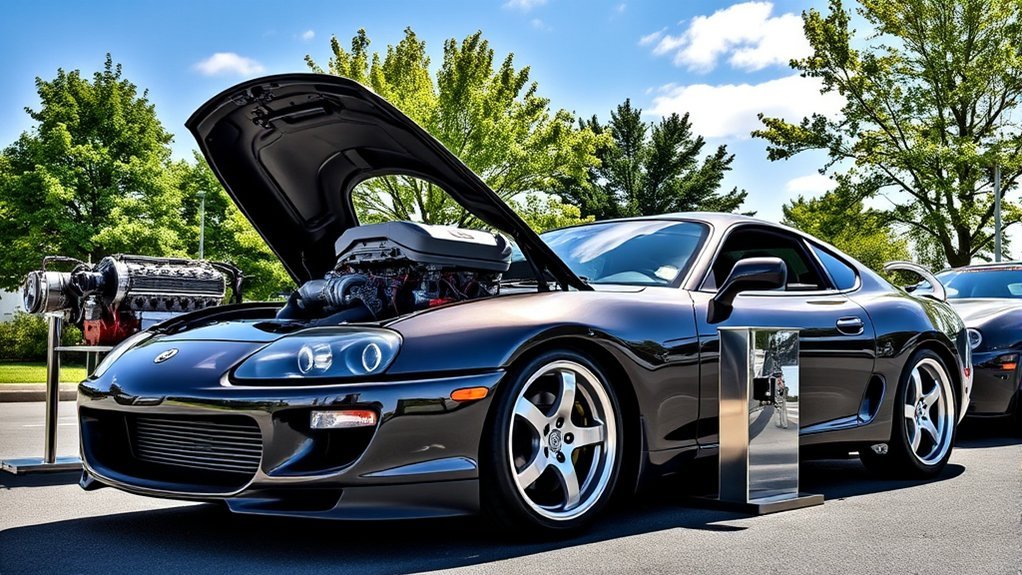
The 2JZ’s special reputation comes from combining durability with unusually strong aftermarket support and substantial performance potential. That does not automatically make it more reliable than every Toyota engine.
Engines such as Toyota’s 1UZ-FE, 2UZ-FE, 3S-GTE, and later 2GR family were designed for different vehicles, loads, operating speeds, and performance goals. A naturally aspirated luxury-car V8 and a turbocharged performance inline-six cannot be ranked fairly by horsepower potential alone.
For a buyer, the more useful comparison is condition versus intended use. A stock, documented 2JZ-GE can make more sense for a long-term daily driver than an unknown high-boost 2JZ-GTE. A properly built GTE can provide far greater performance, but each additional modification increases the importance of calibration, fuel delivery, cooling, and workmanship.
Which Upgrades Actually Help 2JZ Reliability?
There is no universal list of performance parts that every 2JZ needs. The correct reliability work depends on whether the engine is stock, mildly modified, or being built for competition-level output.
- Refresh overdue maintenance first: Address the timing system, cooling system, leaking seals, ignition faults, old hoses, and fluid condition before increasing power.
- Match the fuel system to the actual power goal: Injectors, fuel pump capacity, pressure control, and ECU calibration must work together. An arbitrary horsepower threshold cannot determine the correct parts for every build.
- Control boost and detonation: More boost is not reliable simply because the block is strong. Safe air-fuel ratio, ignition timing, fuel quality, charge temperature, and knock control matter.
- Inspect the factory GTE turbo system: An ageing sequential system or worn turbocharger should be repaired based on its condition rather than replaced only because a single-turbo conversion is popular.
- Reserve major bottom-end changes for builds that need them: Specialist 2JZ builders identify the factory main-cap arrangement as a consideration in very high-output builds around and above the 800-hp range, but that is a build-specific engineering concern rather than a Toyota service limit. Installing billet caps also involves proper machining and assembly; it is not a bolt-on maintenance item.
A conservative, well-calibrated setup on a healthy engine is usually a better reliability strategy than choosing parts according to the highest horsepower number seen on another build.
[Products Worth Considering]

This ignition coil and spark plug kit is designed to help restore smooth starting, consistent ignition performance, and efficient combustion for compatible Toyota and Lexus V6 3.5L vehicles. It includes high-quality ignition coils with durable construction plus double iridium spark plugs for improved stability, longer service life, and better engine response. Built to meet or exceed OE performance, this set supports reliable operation and easy replacement for a complete tune-up.

This professional compression tester kit helps diagnose engine health quickly and accurately in gasoline-powered cars, trucks, ATVs, and small engines. The fluorescent triple-scale gauge improves readability in low light, while the built-in Schrader valve, safety release, and included adapters make testing simple, stable, and reliable.

This professional water pump kit is designed as a direct OE replacement for select Toyota and Lexus 3.5L V6 vehicles, helping restore reliable engine cooling performance. Built to strict quality standards and tested for leak-free operation, it includes the necessary gasket for easier installation and a secure fit. It offers a practical upgrade for drivers seeking dependable cooling system maintenance and long-lasting performance.
The Enduring Legacy of the 2JZ Engine in Performance Cars
The 2JZ-GTE appeared in Toyota’s Aristo in 1991 and became internationally famous when Toyota launched the A80 Supra in 1993. Toyota’s archived Japanese-market specifications list the 1993 Supra’s 2JZ-GTE as a 2,997 cc inline-six producing 280 PS under the Japanese rating convention of the period. Toyota’s U.S. historical material lists the U.S.-market Supra Turbo at 320 horsepower and 315 lb-ft of torque.
Its legacy grew because the core engine could support substantial aftermarket development when paired with the necessary turbocharger, fuel, engine-management, cooling, and drivetrain changes. That tuning potential should not be confused with a guaranteed safe horsepower limit for a stock, decades-old engine.
The 2JZ also appeared in vehicles beyond the Supra, including Toyota and Lexus sedans and coupes. That broader use helped create a large knowledge base for maintenance, swaps, rebuilding, and tuning. Today, the engine remains popular not because it cannot fail, but because a healthy example provides a strong starting point and has extensive specialist support.
Frequently Asked Questions
Is the Toyota 2JZ Reliable?
Yes. A well-maintained Toyota 2JZ can be exceptionally durable, and documented high-mileage examples support its reputation. Reliability still depends on maintenance history, overheating, oil level, age-related leaks, and whether the engine has been modified or poorly tuned.
How Many Miles Can a 2JZ Last?
There is no guaranteed 2JZ lifespan. Well-maintained examples can exceed 200,000 miles, and a documented 1999 Lexus SC300 2JZ-GE was still running well at 415,000 miles before teardown. Treat that as evidence of potential longevity, not a promise that every 2JZ will reach the same mileage.
Is the 2JZ-GE More Reliable Than the 2JZ-GTE?
The 2JZ-GE is mechanically simpler because it does not have the GTE’s turbochargers and boost-control system, so it has fewer turbo-specific components that can age or fail. A stock, properly maintained GTE can also be highly reliable, but its condition and modification history become especially important.
What Are the Most Common 2JZ Problems?
Common age-related concerns include oil leaks, hardened valve-stem seals, old ignition and vacuum components, timing-system wear, and cooling-system deterioration. On applicable VVT-i engines, cam-gear-area oil leakage also deserves inspection. The 2JZ-GTE adds ageing turbochargers, actuators, boost-control plumbing, and sequential-system hardware, while older engines can also require inspection of the crank pulley and front oil-pump or sealing areas.
What Should You Check on a High-Mileage 2JZ?
Check maintenance records, timing-belt history, oil and coolant condition, external leaks, cold-start exhaust smoke, overheating history, ignition performance, and signs of poor modifications. For an expensive purchase or unknown engine, compression and leak-down testing can provide more useful information than mileage alone.
How Often Should a 2JZ Timing Belt Be Replaced?
Use the maintenance schedule for the exact vehicle, engine variant, market, and operating conditions rather than applying one interval to every 2JZ. For example, Toyota’s 1998 U.S. maintenance schedule lists timing-belt replacement at 90,000 miles or 72 months for the non-turbo Supra. Other applications can differ, so verify the schedule for your vehicle.
Conclusion
The Toyota 2JZ deserves its reputation for durability, but the strongest reason to buy or keep one is not an internet claim that it is “bulletproof.” Real evidence shows that a well-maintained 2JZ-GE can remain healthy at exceptionally high mileage, while Toyota’s original specifications confirm the strong foundation that made the 2JZ-GTE a performance icon.
If you own or are considering a 2JZ-powered car, use a simple priority order: verify its history and condition first, complete overdue maintenance second, and increase power only after the engine has a healthy baseline. A carefully maintained stock engine and a carefully engineered performance build can both be dependable, but neither is protected from poor maintenance, overheating, detonation, or bad tuning by the 2JZ name alone.
Sources
- Toyota — 1998 Scheduled Maintenance Guide
- Toyota Motor Corporation — 1991 Aristo Debut
- Toyota Motor Corporation — 1993 All-New Supra Launch
- Toyota USA — Supra: An Icon a Half-Century in the Making
- I Do Cars — 415,000-Mile 2JZ-GE Teardown
- HP Academy — 2JZ-GTE Known Weaknesses and Build Considerations