
When diagnosing wheel bearing noise in your Toyota RAV4, listen for a low, roaring sound that increases with acceleration or changes during turns. Test drive to pinpoint whether the noise comes from the front or rear wheels. If you notice vibrations in the steering wheel or if the vehicle pulls to one side, it’s time to contemplate replacement. Knowing how to remove and install a new bearing is key to fixing the issue effectively, and there’s more to explore.
Identifying Signs of Wheel Bearing Noise
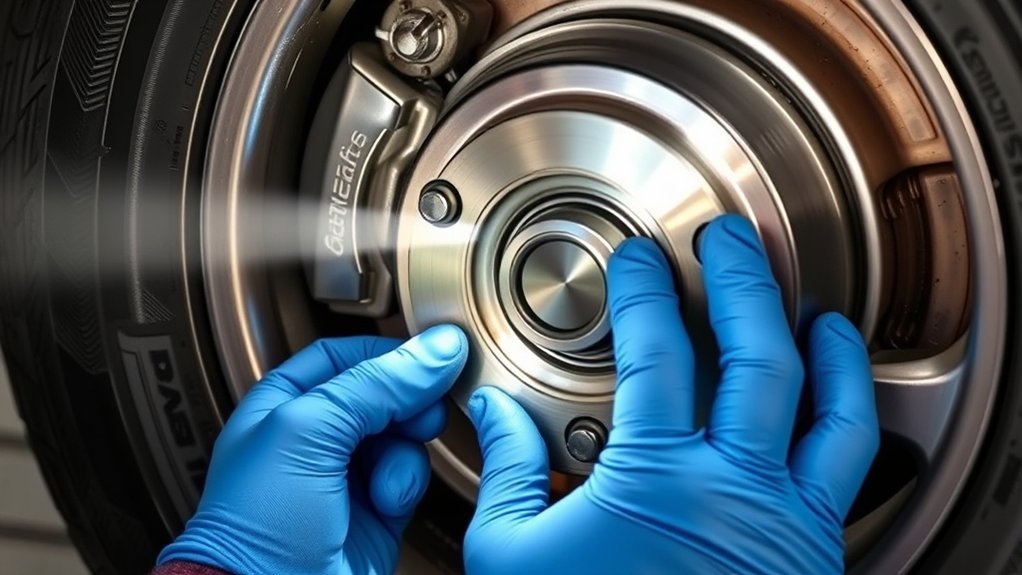
When diagnosing wheel bearing noise in your Toyota RAV4, you’ll often hear a low, roaring sound that increases with acceleration and may become more pronounced during turns. To pinpoint the noise sources, take your RAV4 for a test drive, paying close attention to whether the sound comes from the front or rear wheels. Elevate both wheels on the same axle to compare sounds and check for roughness in the coil spring while spinning the wheel; this can indicate a failing bearing. Additionally, if you notice a vibration in the steering wheel or a grinding sensation, it’s time to act. Utilize diagnostic tools like a stethoscope or a mechanic’s stethoscope to further isolate the issue. Regular inspections and prompt diagnosis can help prevent further damage to your vehicle’s suspension, ensuring you maintain safety and performance on the road.
How to Know When to Replace Your Wheel Bearing?
Determining when to replace your wheel bearing is vital for maintaining your Toyota RAV4’s safety and performance. Here are key indicators to evaluate:
- Noise Assessment: If you hear a roaring or grinding noise that intensifies with speed, it’s a sign of potential wear. If the noise changes when turning, the opposite wheel bearing may be failing.
- Steering Vibration: Noticeable vibrations in the steering wheel or a pull to one side can indicate a bad wheel bearing needing replacement.
- Physical Inspection: Regularly check for roughness or play in the wheel while spinning it. A bad bearing will feel rough or display excess movement.
Keeping an eye on these symptoms can help you gauge your wheel bearing lifespan and prevent further damage, ensuring safe vehicle operation. Don’t ignore these signs; they’re essential for your RAV4’s reliability.
Removing a Wheel Bearing: A Step-by-Step Guide
Removing a wheel bearing from your Toyota RAV4 requires careful attention to detail to guarantee a successful replacement. Start by removing the brake assembly for better access to the wheel bearing. Handle the axle nut with care; using wheel bearing tools, employ a cutoff wheel to weaken the staked area. Always wear safety glasses for protection during this process. Once cut, gently tap the axle with a soft mallet or an air hammer to facilitate its removal from the hub.
Next, clean the backing plate with 80 grit sandpaper to ensure a smooth surface for the new bearing. When installing the new wheel bearing, tighten all bolts by hand first to confirm proper alignment. Finally, stake the axle nut with a chisel to secure it in place, ensuring axle nut safety and preventing any loosening during operation. This meticulous approach is essential for effective wheel bearing replacement.
Install Your New Wheel Bearing Correctly
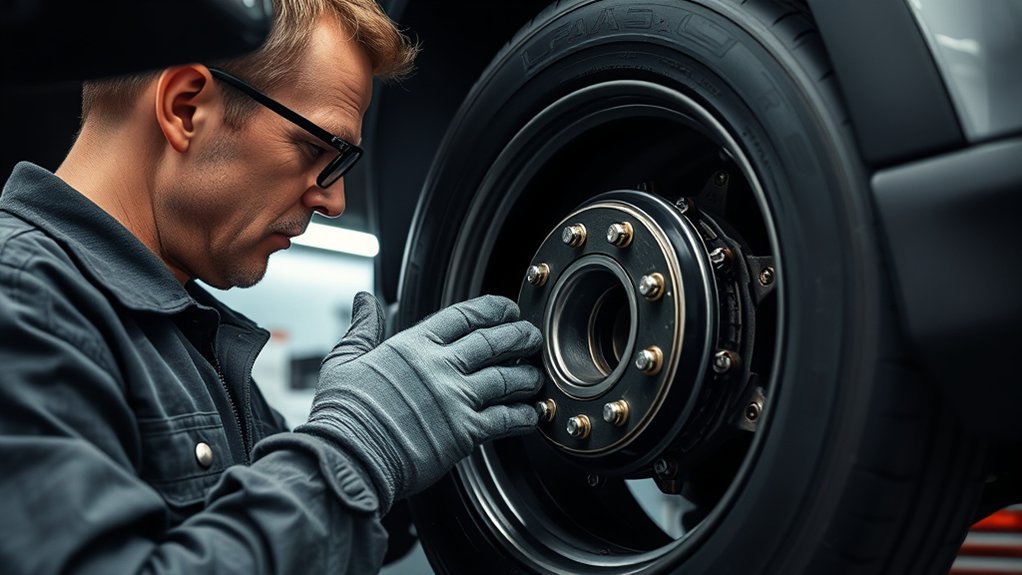
After successfully removing the old wheel bearing, it’s time to install the new one correctly. Follow these installation tips to guarantee proper bearing alignment and a smooth ride:
- Clean the Backing Plate: Use 80 grit sandpaper to clean the backing plate. This promotes better contact and alignment for the new bearing.
- Align and Bolt: Position the new bearing with the backing plate using the first bolt. Start all four bolts by hand to avoid misalignment during tightening.
- Secure the Axle Nut: After installation, stake the axle nut securely by bending it into place with a chisel. This prevents loosening while driving.
Additionally, check that the backing plate has adequate clearance from the rotor to avoid interference. Always use jack stands for safety, and don’t forget to conduct a test drive afterward to confirm the installation’s success.
Top Mistakes to Avoid When Replacing Your Wheel Bearing
When replacing your wheel bearing, it’s essential to avoid common pitfalls that can lead to poor performance or even safety issues. First, always use diagnostic tools to confirm the noisy wheel bearing’s location; failing to properly diagnose the source of the noise can lead to unnecessary replacements. Next, don’t ignore the condition of axle nuts—damaged threads can cause serious problems, so address the stake points on the nut before removal. Make sure to compare the new bearing with the old one; compatibility is vital, so verify design changes and part numbers. Additionally, skip cleaning the backing plate at your peril; use 80 grit sandpaper for a smooth surface, ensuring proper installation. Finally, don’t neglect to stake the axle nut securely. A loose nut can compromise safety, so lock it in place after installation. Avoid these mistakes, and you’ll enhance your wheel bearing replacement experience.
Frequently Asked Questions
What Is the Most Common Issue With the Toyota RAV4?
The most common issues with your Toyota RAV4 include engine problems and suspension issues. These can lead to performance declines, affecting handling and safety. Regular maintenance helps you catch these problems early and guarantees a smoother ride.
Conclusion
In summary, addressing wheel bearing noise in your Toyota RAV4 is essential for safety and performance. Like a well-tuned orchestra, every component must work harmoniously. If you notice signs of wear, don’t wait for the sound of impending doom—act swiftly. By following proper removal and installation steps, you’ll guarantee a smooth ride. Avoid common pitfalls, and you’ll keep your RAV4 running like a dream. Remember, a proactive approach saves time and money in the long run.