Last updated: July 15, 2026
For many late-model U.S.-market Toyota RAV4s, change the engine oil and oil filter every 10,000 miles or 12 months under normal service. Use 5,000 miles or 6 months when most of your driving involves dirt or dusty roads, towing or heavy loading, extensive idling or low-speed use, or repeated trips under five miles in below-freezing weather. Toyota still schedules general maintenance every 5,000 miles or six months, but an oil change is not due at every normal-service visit. Check the maintenance guide for your exact model year and market before setting your schedule.[1][2]
Quick Answer
A late-model RAV4 commonly needs an oil and filter change every 10,000 miles or 12 months under normal driving. Use 5,000 miles or 6 months when the majority of your driving falls under Toyota’s special operating conditions. If the vehicle’s model year, previous service date, or maintenance history is uncertain, verify the manual and arrange service instead of guessing.
Key Takeaways
- Toyota commonly schedules general RAV4 maintenance every 5,000 miles or 6 months, but normal-service oil replacement may occur every 10,000 miles or 12 months.
- The shorter 5,000-mile or 6-month oil interval applies when most driving falls under the special conditions listed for that model.
- Oil viscosity and performance specifications vary by model year, engine, and market. Check the oil-filler cap and owner’s manual before buying or adding oil.
- Do not rely on the dashboard reminder as your only record. Track mileage, elapsed time, oil level, and completed service.
Does Your RAV4 Need Oil at 5,000 or 10,000 Miles?
Use this three-step process to choose the correct Toyota RAV4 oil change interval:
- Find the guide for your exact vehicle. Match the model year, engine, drivetrain, and market. Do not apply a schedule from a different RAV4 generation automatically.
- Apply the majority-driving test. Use the special-condition schedule only when most of your driving matches the listed demanding conditions. Occasional exposure does not automatically place the vehicle on that schedule.
- Use whichever deadline comes first. Do not wait for the mileage limit if the six- or twelve-month time limit arrives first.
If you bought a used RAV4 and do not know when the oil was last changed, check the oil level immediately and arrange an oil and filter change rather than estimating the previous service date.
How Often Does Toyota Recommend Changing RAV4 Oil?

Toyota’s schedule separates a routine maintenance visit from an engine oil change. Many late-model maintenance charts call for service every 5,000 miles or 6 months. Tire rotation, brake inspection, fluid checks, and other items may be due at those visits even when engine oil replacement is not.
Under normal service, the oil and filter row in recent U.S.-market RAV4 maintenance charts commonly calls for replacement every 10,000 miles or 12 months. The exact schedule still depends on the model year and powertrain, so use the chart issued for your vehicle.[1][2]
Note: Oil viscosity is separate from the change interval. Use the grade and certification printed in your owner’s manual. Do not assume that a grade listed for another RAV4 model year or engine is correct for yours.
Older RAV4 models may use different oil grades and shorter schedules. Synthetic oil alone does not authorize a longer interval than Toyota lists. The maintenance guide and owner’s manual remain the controlling sources.
What Is the Normal vs. Special-Condition Schedule?
Match your usual driving pattern to the appropriate schedule. Toyota states that additional special-condition services apply when the majority of your driving occurs under the listed conditions.[1][2]
| Driving Pattern | Typical Oil Change Interval | What It Means |
|---|---|---|
| Mostly normal commuting and highway driving | 10,000 miles or 12 months | Common for many late-model RAV4s when the exact maintenance guide permits it. |
| Towing, car-top carrier use, or heavy loading | 5,000 miles or 6 months | Use this interval when most vehicle use involves these loads. Confirm that your RAV4 is approved for the intended towing setup. |
| Dirt roads or dusty roads | 5,000 miles or 6 months | Dusty operation can also require more frequent engine-air-filter inspection. |
| Extensive idling or low-speed driving for long distances | 5,000 miles or 6 months | Examples include taxi, delivery, police, rideshare, and similar repeated low-speed use. |
| Repeated trips under 5 miles in temperatures below freezing | 5,000 miles or 6 months | Repeated cold short trips may prevent the engine and oil from remaining fully warm for long. |
An occasional dusty road, short winter trip, or heavy load does not automatically require the special-condition schedule all year. Apply the shorter interval when those conditions describe most of your vehicle’s operation.
Does Synthetic Oil Change the RAV4 Interval?
Synthetic oil does not override Toyota’s maintenance chart. It can resist oxidation and temperature-related breakdown better than conventional oil, but it still becomes contaminated and must be replaced at the specified mileage or time limit.
Use the viscosity and performance specification printed in the owner’s manual. Look for the corresponding API or ILSAC certification mark on the container, and avoid choosing oil only because it is cheaper or marketed as suitable for many vehicles.[5]
Warning: Do not substitute a different viscosity based only on online advice. An incorrect oil can affect cold-start flow, operating protection, fuel economy, and warranty-related diagnosis if it contributes to a failure.
[Products Worth Considering]

Castrol GTX Full Synthetic 5W-30 motor oil is designed to deliver maximum engine protection in severe driving conditions. It helps fight wear, control sludge, and resist viscosity breakdown while supporting longer intervals between oil changes. Formulated to meet or exceed key industry and vehicle manufacturer specifications, it offers dependable performance for modern engines.

Castrol EDGE 0W-20 advanced full synthetic motor oil is engineered for drivers seeking strong wear protection, excellent viscosity control, and thermal stability. It delivers superior performance in critical engine areas, including fuel economy, high-temperature protection, sludge control, and wear defense. Designed for extended oil-change intervals, it helps keep modern engines running smoothly under demanding conditions.
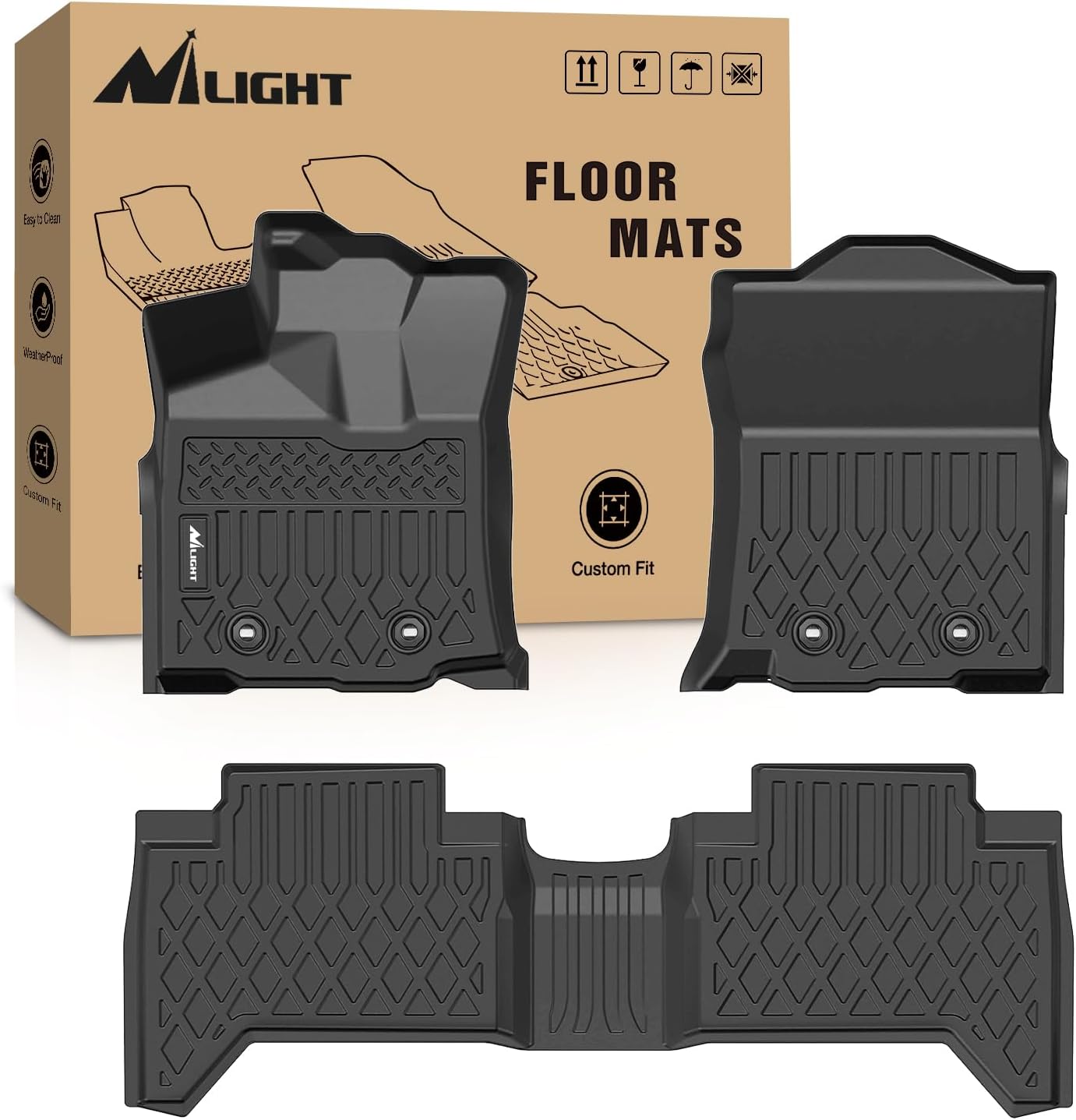
These custom-fit floor mats are designed to match compatible Toyota Tacoma Double Cab models, helping protect your interior from spills, mud, snow, dirt, sand, pet fur, and everyday debris. Made from durable TPE and cut with precision for a tailored fit, they offer dependable coverage and easy cleanup with just soap and water or a quick hose rinse.
Which Driving Conditions Shorten a RAV4 Oil Change Interval?
The shorter interval applies to specific patterns of demanding use, not simply to any city driving or occasional bad weather. Focus on how the RAV4 is used most of the time.
Does Stop-and-Go Driving Count as Special Service?
Ordinary traffic is not automatically enough to trigger a shorter oil interval. Toyota’s listed condition is more specific: extensive idling or prolonged low-speed driving, such as repeated taxi, delivery, police, or similar use.
If that pattern describes most of your driving, use the 5,000-mile or 6-month oil and filter interval unless your exact Toyota guide states otherwise.
Does Cold Weather Shorten the Interval?
Cold weather alone does not necessarily change the schedule. Toyota identifies repeated trips of less than five miles in temperatures below freezing as a special condition.
If your trips are generally longer and the engine regularly reaches normal operating temperature, follow the schedule in your exact maintenance guide rather than shortening it based only on the season.
Do Dirt and Dusty Roads Require Earlier Oil Changes?
Yes, when most driving occurs on dirt or dusty roads, recent Toyota maintenance charts place the oil and filter on the shorter special-condition schedule. The engine air filter may also require more frequent inspection.
Pro Tip: After dusty travel, inspect the engine air-filter housing for a loose seal or heavy debris. Replace the filter according to the maintenance guide or sooner when inspection shows that it is restricted or damaged.
What Signs Mean Your RAV4 Needs Immediate Oil Attention?
A maintenance reminder usually means scheduled service is due. A low-oil-pressure warning can signal an immediate lubrication problem and requires a safe stop. Do not treat those alerts as interchangeable.
What Should You Do When an Oil Message Appears?
Check the exact message or warning symbol in the owner’s manual. If it is a routine maintenance reminder, compare the current mileage and date with your service records. If it is a low-oil-pressure warning, stop in a safe place and shut off the engine as soon as possible.
| Warning Sign | What to Do |
|---|---|
| Maintenance reminder appears | Check mileage, elapsed time, and service records. Complete the maintenance that is due. |
| Low-oil-pressure warning appears | Stop safely, shut off the engine, and do not continue driving until the oil level and pressure concern are addressed. |
| Engine becomes unusually loud or develops ticking sounds | Check the oil level immediately. Do not continue driving if an oil-pressure warning is also present. |
| Burning-oil smell, smoke, or a visible leak | Check the level and arrange an inspection before continued oil loss damages the engine. |
Does Dark Oil Mean It Must Be Changed?
Not by itself. Used engine oil normally becomes darker as it suspends contaminants, so color alone is not a reliable replacement schedule.
Oil that feels gritty, smells strongly burnt, appears thick or sludgy, or looks milky or foamy deserves prompt inspection. If the dipstick shows a low level, add only the correct oil and investigate the cause if the level drops again.
Why Does Toyota’s Maintenance Schedule Matter?
Following the correct schedule supports engine lubrication, fuel economy, reliability, resale documentation, and warranty-related maintenance records. Toyota places responsibility on the owner to complete required maintenance and retain evidence that it was performed.
A warranty claim is not automatically denied only because a particular record is unavailable. However, damage caused by improper or missing maintenance may not be covered. Record the oil-change date, mileage, oil viscosity and specification, filter used, service provider, and receipt.[1]
Choose the interval by matching your exact RAV4 guide to how the vehicle is actually used: commonly 10,000 miles under normal service and 5,000 miles when most driving falls under Toyota’s listed special conditions.
Do RAV4 Hybrid and Plug-In Hybrid Models Need Oil Changes?

Yes. RAV4 Hybrid and Plug-In Hybrid models still contain gasoline engines with engine oil and an oil filter. Electric operation does not eliminate scheduled engine-oil service.
The 2026 RAV4 Hybrid maintenance chart, for example, lists oil and filter replacement at 10,000-mile increments under normal service and at 5,000-mile increments under the listed special conditions.[2]
Hybrid owners should also follow the maintenance chart for the hybrid battery cooling intake filter. That item is separate from engine oil service and should not be overlooked.
How Should You Check RAV4 Oil Level and Condition?
Check the engine oil level regularly and before a long trip. Park on level ground and follow the exact dipstick procedure in your owner’s manual. A common Toyota procedure is to warm the engine, shut it off, wait several minutes, and then check the cleaned and reinserted dipstick.
| Oil Check Result | What It May Mean | Recommended Action |
|---|---|---|
| Below the low mark | Low oil level, a possible leak, or oil consumption | Add the correct oil without overfilling, then inspect for the cause if the level drops again. |
| Between the low and full marks | Normal measurable range | Continue checking it regularly. |
| Above the full mark | Possible overfill or an incorrect reading procedure | Recheck it correctly and have excess oil corrected if the level remains too high. |
| Milky or foamy appearance | Possible moisture or coolant contamination | Arrange diagnosis promptly. |
| Burnt smell, sludge, or visible grit | Possible degradation, contamination, or an overdue service | Change the oil and filter and investigate if the condition returns quickly. |
[Products Worth Considering]

This 6-pack engine oil filter set is designed for Toyota applications and compatible cross-reference part numbers, helping support clean oil flow and dependable engine protection. Built from quality materials and featuring 99% multi-pass efficiency, it is made to help extend engine life and maintain performance between service intervals. The included six filters make it a practical choice for routine maintenance and multiple oil changes.

This cabin air filter combines MERV 13 filtration with activated carbon to help trap fine particles and reduce unwanted odors inside your vehicle. Built with four-layer filtration and OEM-sized fitment, it supports cleaner airflow and straightforward installation for a wide range of compatible Hyundai, Kia, GMC, Chevy, and Saturn models. Replace it on schedule to help maintain fresh, comfortable air for everyday driving.

【Replace Part Number】This oil dipstick replaces: 15301-28031, 1530128031.
Should You Replace the Oil Filter at Every Oil Change?
Yes. Toyota lists the maintenance item as engine oil and oil filter, and its maintenance explanation directs owners to replace the filter while draining and refilling the engine oil at the specified interval.[1][2]
[Products Worth Considering]

GENUINE OEM: Original Toyota/Lexus factory oil filter part number 90915-YZZN1, ensuring perfect fit and optimal performance for your vehicle

Effectively removes contaminants

* 2Pc Oil Filter 04152-YZZA1 * 2PC Drain Plug Washer * Brand: Toyota
Why Does Filter Quality Matter?
Use a filter that meets Toyota’s specifications for your engine. An incorrect or poorly made filter may leak, fit improperly, restrict flow, or provide inadequate filtration. A Toyota Genuine filter or a documented equivalent is the safer choice.
How Often Should the Filter Be Changed?
Replace it whenever the engine oil is changed. A RAV4 on a 10,000-mile oil schedule receives a new filter at that service. A RAV4 on the 5,000-mile special-condition schedule receives a new filter every 5,000 miles.
What Happens When a Filter Is Restricted?
A restricted filter can reduce effective filtration and may force oil through a bypass path, depending on the filter and engine design. Replacing it at every oil change helps prevent captured contaminants from remaining in service for another interval.
Is Changing RAV4 Oil Every 5,000 Miles Too Often?

Changing the oil every 5,000 miles is generally a conservative choice when you use the correct oil and filter. It is also the specified interval when most driving falls under Toyota’s special operating conditions.
If your maintenance guide permits 10,000-mile changes and your driving qualifies as normal service, changing at 5,000 miles is more frequent than required. It may increase maintenance cost and waste usable oil, but it does not justify extending other inspections or ignoring the normal 5,000-mile maintenance visits.
Low-mileage drivers must still follow the time limit. Change the oil by the applicable six- or twelve-month deadline even when the mileage limit has not been reached.
Frequently Asked Questions
Does a Toyota RAV4 need an oil change at 5,000 or 10,000 miles?
Many late-model RAV4s use 10,000 miles or 12 months under normal service. Use 5,000 miles or 6 months when most driving falls under Toyota’s listed special operating conditions. Verify the chart for your exact model year and market.
Why does Toyota schedule maintenance every 5,000 miles if oil is changed every 10,000?
The 5,000-mile visit can include tire rotation, brake inspection, fluid checks, and other maintenance. Under normal service, the oil and filter may be replaced at every second 5,000-mile visit rather than at every visit.
Will a RAV4 tell you when it needs an oil change?
A RAV4 may display a maintenance message, but you should still track mileage and elapsed time. Identify whether the display is a routine reminder or an urgent oil-pressure warning by checking the owner’s manual.
Does a RAV4 Hybrid need oil changes less often?
Not automatically. RAV4 Hybrid and Plug-In Hybrid models still have gasoline engines, engine oil, and oil filters. Follow the normal- or special-condition schedule in the guide for the exact hybrid model.
What oil does a Toyota RAV4 take?
The required viscosity and certification depend on the model year, engine, and market. Check the oil-filler cap and owner’s manual before adding or purchasing oil.
Is it bad to change RAV4 oil every 5,000 miles?
No. A 5,000-mile interval is a conservative choice when the correct oil and filter are used, and it is the specified interval for qualifying special-condition use. It may be more frequent than required for normal-service driving.
Conclusion
For many late-model RAV4s, the normal oil and filter interval is 10,000 miles or 12 months. Use 5,000 miles or 6 months when most driving falls under Toyota’s special operating conditions. Check your exact maintenance guide, confirm the oil specification, replace the filter with every oil change, and record the date and mileage. If the service history is unknown or an oil-pressure warning appears, address the issue promptly rather than waiting for the next scheduled interval.
Sources
- Toyota 2025 RAV4 Warranty & Maintenance Guide — scheduled maintenance timing, normal and special-condition oil intervals, maintenance responsibilities, and maintenance-item explanations.
- Toyota 2026 RAV4 Hybrid Warranty & Maintenance Guide — hybrid oil and filter intervals, special operating conditions, battery cooling intake filter maintenance, and oil-service explanations.
- Toyota Support — Synthetic oil change intervals — general Toyota guidance on synthetic-oil service intervals.
- Toyota 2025 RAV4 Hybrid Owner’s Manual — Maintenance data — model-specific engine-oil selection and maintenance information.
- American Petroleum Institute — Engine oil categories and classifications — API and ILSAC certification-mark context.