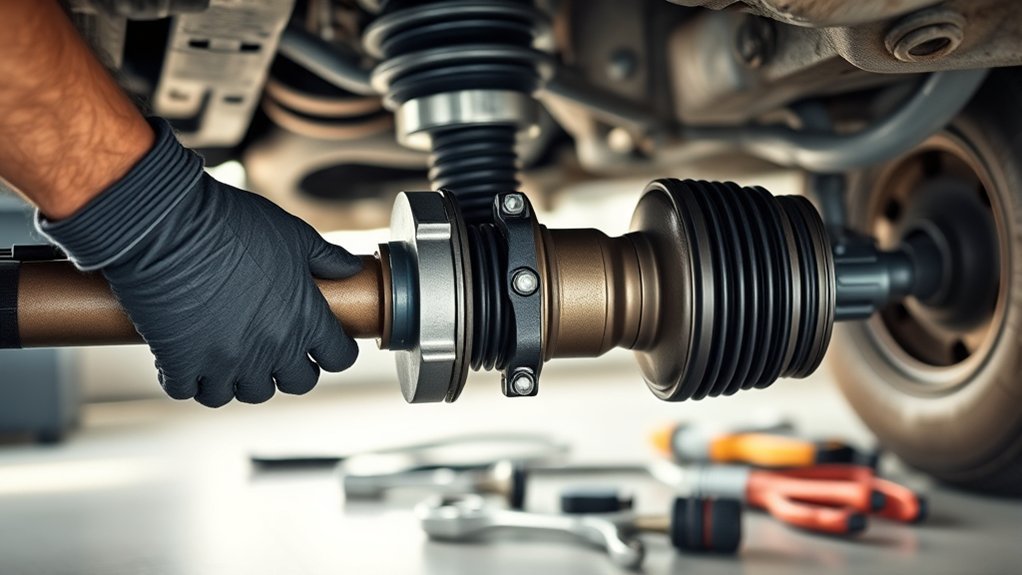
If your Toyota RAV4 is making clicking noises, it could signal CV axle issues, especially during turns. Clicking while turning often points to faults in the outer CV joints. Inspect for grease leaks and any wear on the boots, as this can lead to further damage. Regular maintenance can help prevent performance decline and safety risks. Discover more about the causes, diagnosis, and maintenance tips to keep your vehicle running smoothly.
Why Is Your RAV4 Making Clicking Noises?
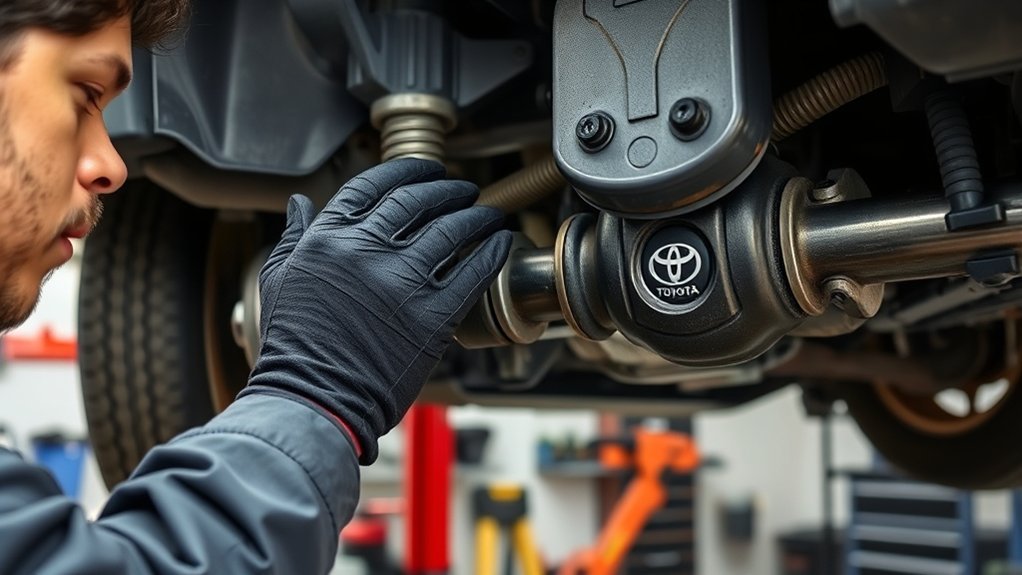
Have you noticed a clicking noise in your Toyota RAV4, especially when you’re turning? This clicking frequency often indicates a problem with the outer CV joint of the affected axle. If the sound occurs while turning left, you’re likely dealing with issues in the left CV axle; right turns suggest the right axle is at fault. The noise patterns can become more pronounced during acceleration, as the load increases on the CV joints. Ignoring these sounds can lead to further damage, impacting your vehicle’s handling and safety. Regular inspections of the CV axle and its components are essential for catching early signs of wear, such as leaking boots or grease buildup. Addressing these issues promptly can help maintain your vehicle’s performance and extend the life of your axles, ensuring you enjoy a smooth, liberated driving experience.
How to Identify Symptoms of a Failing CV Axle?
Recognizing the signs of a failing CV axle is crucial for maintaining your Toyota RAV4’s performance and safety. Pay attention to a clicking noise when turning; this often points to an issue with the outer CV joint on the corresponding side. If you hear clunky noises during acceleration or hard braking, it may indicate inner CV joint defects, which require immediate inspection to avoid further damage. Additionally, look for grease buildup on tires and suspension components; leaking CV axle boots can allow dirt and debris to enter the joint, increasing failure risk. Vibration while driving is another critical symptom, suggesting internal damage that can escalate if ignored. Early detection of these symptoms—such as noises or leaks—enables you to perform repairs like boot replacement and grease refill, preventing more extensive and costly repairs down the line. Stay vigilant to guarantee your RAV4 remains in peak condition.
What Causes Clicking Noises in the CV Axle?
Clicking noises in your CV axle often signal a faulty outer CV joint, especially when turning. If you hear a clicking sound during a left turn, it likely points to the left CV axle, while a right turn indicates issues with the right axle. Worn components in these joints prevent proper engagement, leading to these disruptive sounds.
Faulty Outer CV Joint
When you’re turning and hear a distinct clicking noise, it often signals a faulty outer CV joint. This joint is essential for maintaining power transfer while allowing flexibility during turns. Over time, constant movement and stress can wear out the outer CV joint, leading to lubrication issues that result in failure. If you notice clicking when making sharp turns, it’s likely tied to the side of the affected CV axle—left turns indicate a left CV axle problem, while right turns point to the right. Early detection is key; addressing a faulty outer CV joint can prevent increased vibration and further damage to the entire CV axle assembly, saving you from costly repairs down the line.
Worn Inner CV Joint
A worn inner CV joint can also lead to noticeable clicking noises, especially during acceleration or hard braking. This clicking could signal potential failure and may worsen when turning. Addressing this issue early is essential for your vehicle’s health. Here are some common causes of inner joint wear:
- Excessive Torque: High torque can strain the joint, leading to premature wear.
- Inadequate Lubrication: Lack of proper grease can cause friction and damage.
- Contamination: Dirt and debris infiltrating the joint can accelerate wear.
- Ignoring Symptoms: Overlooking clicking noises can result in complete axle failure and expensive repairs.
Regular inspection and maintenance can aid in your clicking diagnosis, preventing severe issues later.
How the Outer CV Joint Causes Clicking Noises
When you hear clicking noises while turning, it’s often a sign that the outer CV joint is starting to fail. This joint is essential for smooth power transfer and can wear down, causing misalignment and increased friction. Understanding the common causes and the diagnosis process can help you address the issue before it leads to more significant damage.
Common Causes of Clicking
If you hear clicking noises during turns, it often points to a failing outer CV joint. This component transfers power while allowing your wheels to move. The clicking sound typically worsens during sharp turns or acceleration. Here are common causes:
- Worn CV Joint: Over time, wear and tear can misalign components.
- Lack of Lubrication: Insufficient grease leads to increased friction and noise.
- Damaged Boot: A torn protective boot allows dirt and moisture to enter, accelerating wear.
- Improper Installation: If the CV joint isn’t correctly installed, it can lead to premature failure.
Regular CV joint maintenance can help with clicking noise prevention, ensuring smoother performance and enhancing your vehicle’s longevity.
Diagnosis Process Explained
Clicking noises during turns signal potential issues with the outer CV joint, which plays a vital role in power transfer during directional changes. To diagnose the problem, conduct a visual inspection of the outer CV joint. Look for signs of wear, such as cracking or damage to the boot. Pay attention to the clicking sound’s intensity during sharper turns; it often indicates the joint’s inability to handle the angle effectively. Noise analysis is essential here; differentiating between left and right clicking noises can pinpoint the faulty CV axle. Left turn clicking suggests a problem with the left CV axle, while right turn clicking indicates an issue with the right one. Addressing these concerns promptly can prevent more extensive drivetrain repairs.
Step-by-Step Guide to Diagnosing Clicking Noises
To effectively diagnose clicking noises in your Toyota RAV4, start by turning the steering wheel left and right while driving slowly. This will help you determine which side produces the sound. Follow these steps for noise troubleshooting:
- Identify the Side: A clicking noise during left turns usually points to the left outer CV joint, while a similar noise during right turns indicates the right outer CV joint.
- Inspect CV Axle Boots: Check for any signs of leakage or damage on the CV axle boots. A leaking boot can contaminate the joint and worsen noise issues.
- Listen During Acceleration: Pay attention to clunky noises during acceleration or hard braking; this could suggest a defect in the inner CV joint.
- Use Diagnostic Tools: If the clicking persists, consider using a diagnostic tool to pinpoint the exact axle problem, preventing further damage to your drivetrain.
When Should You Inspect Your CV Axle?
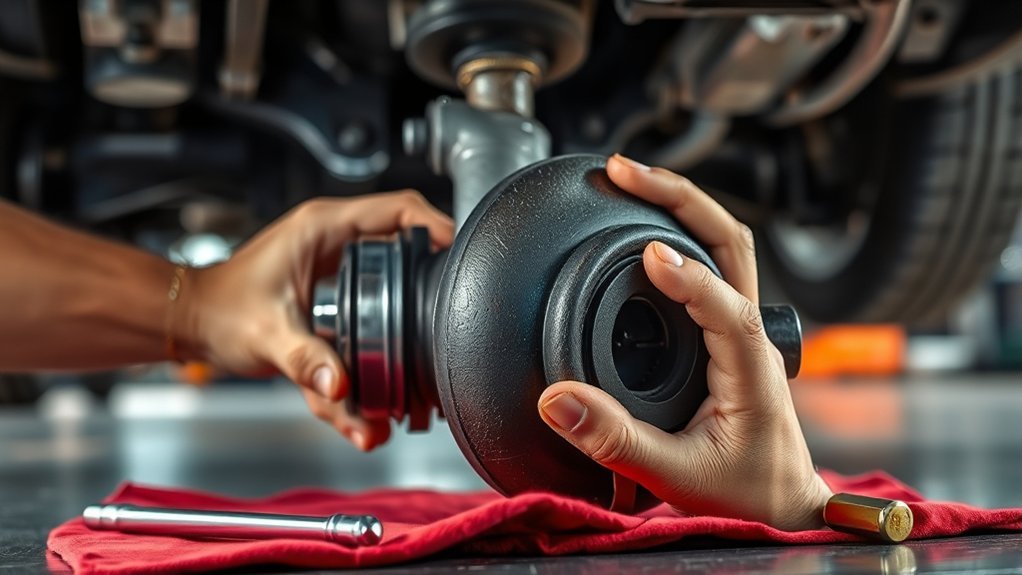
Regular inspections of your CV axle are essential, especially under certain conditions. Staying proactive can save you from costly repairs down the line. Here are key scenarios to evaluate for axle inspection frequency:
| Condition | What to Look For | Action Required |
|---|---|---|
| Clicking noise while turning | Faulty outer CV joint | Inspect immediately |
| Clunky noises during acceleration | Defect in inner CV joint | Schedule an inspection |
| Leaking CV axle boot | Potential contamination and joint damage | Address promptly |
| Vibration while driving | Internal damage to CV joint | Immediate inspection recommended |
| General wear and tear | Regular maintenance needed | Follow CV maintenance tips |
How CV Axle Wear Affects Vehicle Performance
Worn CV axles can greatly reduce handling stability, making your Toyota RAV4 feel less responsive during turns. This deterioration often leads to increased tire wear as the vehicle struggles to maintain proper alignment. Addressing CV axle issues promptly is essential to guarantee peak performance and safety on the road.
Reduced Handling Stability
As the CV axle wears, you may notice a significant decline in handling stability, particularly during turns and maneuvers. This affects your overall driving experience, compromising both steering response and suspension alignment. Here are some key signs to watch for:
- Clicking Noises: Often indicate a failing outer CV joint, reducing traction.
- Vibration: This symptom can destabilize your vehicle, affecting comfort and control.
- Loss of Grease: A leaking CV boot allows dirt to enter, accelerating wear.
- Complete Axle Failure: Ignoring issues can lead to sudden loss of control, increasing accident risks.
Stay vigilant and address CV axle wear to maintain ideal handling stability and guarantee a safer driving experience.
Increased Tire Wear
Neglecting CV axle wear not only compromises handling stability but also accelerates tire wear, impacting overall vehicle performance. A damaged CV axle can lead to misalignment, causing uneven tire wear patterns that drastically reduce tire lifespan. When you hear clicking noises during turns, it’s often a sign of a failing outer CV joint, which, if left unchecked, exacerbates tire degradation. Additionally, vibrations while driving can indicate CV joint damage, resulting in improper tire contact with the road, further increasing wear. Regular inspection of the CV axle and its boots is essential. By addressing these issues proactively, you’ll maintain peak driving performance and preserve your tires, ensuring a smoother, more efficient ride for the long haul.
Repair vs. Replacement of Your CV Axle: What You Need to Know
When deciding between repairing or replacing your CV axle, understanding the extent of the damage is essential. Here are some key considerations:
- Cost Considerations: Repairing usually involves replacing the boot and adding grease, making it a cost-effective solution if caught early.
- Damage Assessment: If the CV joint shows significant wear, replacement of the entire axle is often necessary for safety and reliability.
- Ignoring Symptoms: Don’t overlook clicking noises or vibrations; ignoring them can lead to increased repair costs or even a full axle replacement.
- Professional Inspection: Always get a professional assessment to determine whether repair or replacement is the best course based on the severity of the damage.
Tips for Maintaining Your RAV4’s CV Axles
To maintain your RAV4’s CV axles effectively, regularly inspecting the CV axle boots is essential. Look for any cracks or leaks that could allow dirt in and grease out, leading to joint failure. Establish an inspection frequency that aligns with your driving habits and road conditions. Additionally, guarantee proper wheel alignment and suspension maintenance to reduce stress on your CV axles during turns.
Avoid aggressive driving behaviors, like hard accelerations or sharp turns, which can exacerbate wear on the CV joints. Regularly check for unusual noises, particularly clicking during turns, as these can indicate potential issues that need addressing before they worsen. Finally, keep your RAV4’s tires properly inflated and balanced to minimize vibration and strain on the CV axles during operation. Effective CV axle maintenance will enhance your vehicle’s performance and longevity, ensuring a smoother ride.
Common Mistakes to Avoid in CV Axle Diagnosis
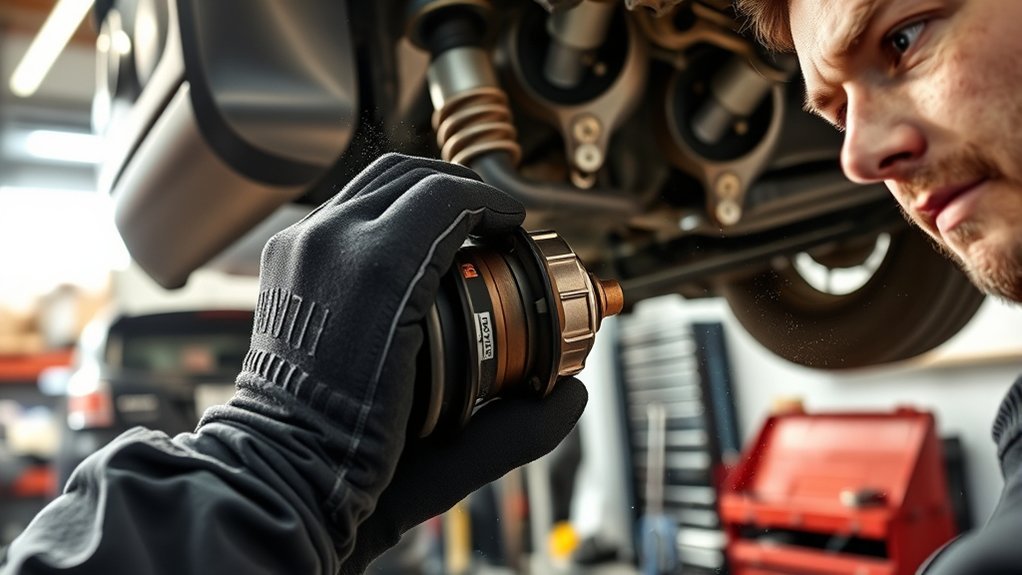
Accurately diagnosing CV axle issues is essential, as common mistakes can lead to unnecessary repairs and expenses. Avoid these pitfalls to guarantee effective diagnosis:
- Misidentifying Noises: Differentiate between clicking during turns and clunky sounds during acceleration. Each indicates a different issue with the CV axle joint.
- Ignoring the Boot Condition: Check the CV axle boot for leaks. A damaged boot can let in debris, complicating repairs.
- Skipping Visual Inspections: Always conduct a thorough visual inspection. Look for wear or grease buildup, as these signs can indicate serious problems.
- Assuming Outer Joint Issues: Don’t assume all clicking comes from the outer CV joint. The inner joint can also be the culprit.
Utilize appropriate diagnostic tools and follow maintenance tips to avoid these mistakes. Your RAV4 will thank you with smoother rides and fewer repairs.
Frequently Asked Questions
How to Tell Which CV Axle Is Clicking?
To identify the clicking CV axle, perform a thorough CV axle inspection while making sharp turns. Listen closely; a left turn’s clicking suggests the left axle, while a right turn indicates the right axle’s issue.
How to Diagnose if a CV Axle Is Bad?
To diagnose a bad CV axle, conduct a visual inspection for leaking boots and listen for noise identification during turns or acceleration. Any clicking sounds or vibrations suggest joint issues that may require replacement.
How Bad Is It to Drive With a Clicking CV Axle?
Driving with a clicking CV axle is like ignoring a ticking time bomb; it compromises safety and handling. Those clicking sounds signal axle maintenance is essential to prevent costly repairs and guarantee smooth, safe driving.
Conclusion
In summary, diagnosing clicking noises from your RAV4’s CV axle is essential for maintaining performance and safety. For example, a driver noticed a clicking sound during sharp turns; upon inspection, the outer CV joint was worn out, leading to a costly roadside breakdown. By addressing these symptoms early, you can avoid more extensive repairs and keep your vehicle running smoothly. Regular maintenance and awareness of warning signs will help guarantee your RAV4 remains reliable on the road.