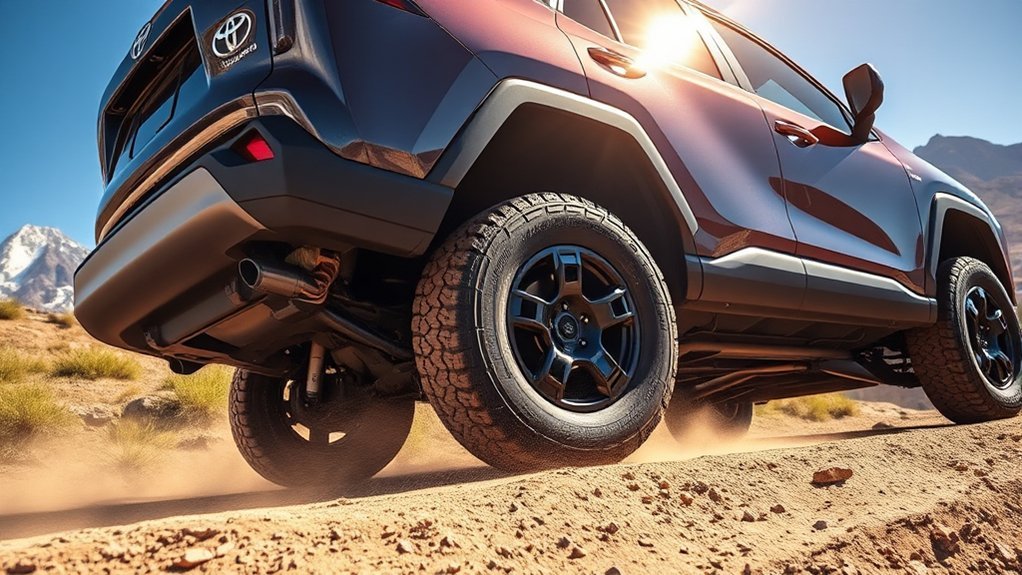
The Toyota RAV4 AWD system utilizes dynamic torque distribution to optimize traction and performance. Typically operating in front-wheel drive, it automatically engages rear wheels when extra grip is needed. With real-time sensor feedback, torque can shift from a 100% front-driven setup to a balanced 50:50 split for improved handling during acceleration and cornering. This innovative system enhances stability in various conditions. Discover how it compares to other systems and impacts your driving experience.
How Does the Toyota RAV4 AWD System Work?
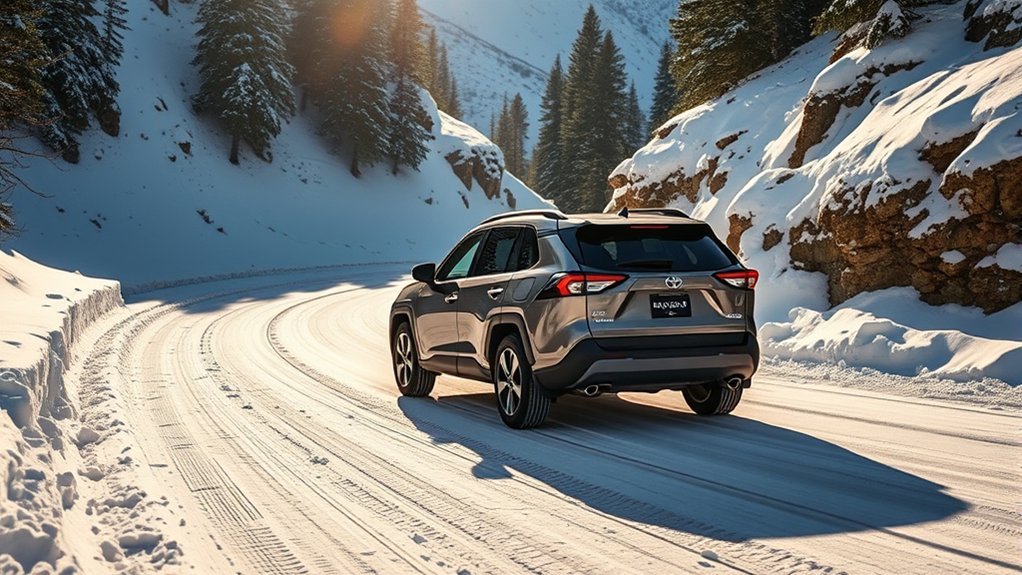
The Toyota RAV4 employs a Dynamic Torque Control AWD system that automatically engages the rear wheels when traction is needed, primarily operating in front-wheel drive to enhance fuel efficiency. This system continuously utilizes sensor feedback from wheel speed, steering angle, and throttle position to optimize torque management between the front and rear wheels. By adjusting torque distribution from 100% front to a 50:50 split, it guarantees enhanced performance during acceleration and cornering.
When conditions demand, such as slippery surfaces or sharp turns, the system swiftly reallocates power to improve traction. Higher trim models, like the Adventure and Limited, offer Dynamic Torque Vectoring AWD, which directs power to individual rear wheels for superior handling. Additionally, the design incorporates dog clutch disconnects, minimizing drag and contributing to overall fuel economy when all-wheel drive isn’t necessary, thereby promoting efficiency without compromising capability.
Key Features of Toyota’s Torque Vectoring AWD System
Toyota’s Torque Vectoring AWD system enhances traction control by independently distributing torque to each rear wheel, ensuring ideal grip during various driving conditions. This precise torque management greatly improves cornering performance, reducing understeer and allowing for sharper turns. With these features, you can expect superior handling and confidence on challenging terrains, especially in higher-trim models.
Enhanced Traction Control
While traversing challenging terrains, enhanced traction control becomes essential for maintaining stability and performance. The Toyota Torque Vectoring AWD system employs two electromagnetic couplers on the rear axle, enabling precise torque distribution to each wheel. This feature markedly boosts snow performance, ensuring you navigate slippery conditions with confidence. Ratchet-type dog clutches disconnect the driveshaft when not needed, reducing drag and enhancing fuel efficiency. Active torque vectoring minimizes reliance on brake-based traction control, delivering more responsive performance in gravel handling and other difficult driving scenarios. By dynamically adjusting torque distribution, the system enhances handling precision and reduces understeer, empowering you to tackle various terrains effortlessly. This design fosters overall driving confidence, whether on-road or off-road.
Improved Cornering Performance
When maneuvering tight corners, enhanced cornering performance becomes essential for maintaining control and stability. The Toyota Dynamic Torque Vectoring AWD system excels in this area by directing power to individual rear wheels, considerably improving cornering grip. This minimizes understeer, allowing you to navigate turns with confidence. Utilizing electromagnetic control couplings, the system makes rapid torque distribution adjustments, ensuring ideal traction in dynamic driving conditions. The absence of traditional differentials simplifies the mechanics, enhancing responsiveness and handling. Models like the RAV4 Adventure and Limited trims showcase this advanced technology, providing you with the stability enhancement you need when cornering. Overall, this innovative system allows for a liberating driving experience, empowering you to tackle sharp turns effectively.
How Dynamic Torque Control Enhances RAV4 Performance?
Dynamic Torque Control greatly enhances RAV4 performance by automatically adjusting torque distribution between the front and rear wheels based on real-time sensor inputs. This sophisticated system primarily operates in front-wheel drive under normal conditions, optimizing fuel efficiency while engaging the rear wheels when additional traction is necessary. During acceleration and cornering, it can shift torque from 10% to 50% to the rear wheels, markedly improving handling and control. The electromagnetic coupling in the rear differential allows for rapid engagement and disengagement, ensuring responsive performance in challenging terrains. This active torque management prioritizes stability and traction, enabling you to confidently navigate inclement weather and off-road situations without sacrificing fuel economy. By leveraging real-time adjustments, the RAV4’s Dynamic Torque Control system not only enhances driving dynamics but also empowers you to embrace diverse driving conditions with assurance and ease.
How Toyota’s Torque Vectoring Stacks Up Against Other AWD Systems?
When comparing Toyota’s Torque Vectoring AWD to other systems, you’ll notice significant performance advantages in traction and handling. Unlike traditional AWD systems that often rely on fixed power distribution, Toyota’s technology dynamically adjusts torque based on real-time conditions. This not only enhances cornering precision but also improves off-road capability and fuel efficiency, setting it apart from competitors like Subaru.
Performance Comparison
While many all-wheel drive systems aim to enhance traction, Toyota’s Dynamic Torque Vectoring AWD stands out for its ability to independently distribute power to each rear wheel. This design greatly improves cornering performance and traction, especially during urban driving. Unlike conventional systems that engage all wheels uniformly, Toyota’s system utilizes electromagnetic couplers for quicker engagement and better response. When compared to Subaru’s Symmetrical AWD, you’ll notice superior handling precision and reduced understeer in aggressive cornering. Although systems like Jeep’s Active Drive II excel off-road, Toyota’s torque vectoring shines on paved surfaces, making it ideal for city conditions. Real-world tests confirm its ability to outperform competitors on slippery terrains, enhancing your driving confidence.
Technology Differences
Toyota’s Torque Vectoring AWD system stands apart from traditional all-wheel drive technologies due to its advanced use of electromagnetic couplers, which allow for real-time power distribution to each rear wheel. This design offers significant torque advantages, enhancing traction and cornering performance, especially on challenging terrains. Unlike standard AWD systems, Toyota employs dog clutch disconnects, reducing parasitic drag and improving fuel efficiency when all-wheel drive isn’t necessary. The system’s superior handling precision minimizes understeer during dynamic driving conditions, enhancing your driving dynamics. Compared to competitors, Toyota’s active torque vectoring provides a more responsive and efficient experience, making it ideal for both recreational driving and off-road adventures. This integration represents a substantial leap in AWD technology.
How AWD Benefits Various Driving Conditions?
All-wheel drive (AWD) systems greatly enhance vehicle performance across various driving conditions by automatically adjusting power distribution between the front and rear wheels. When you’re maneuvering through muddy trails or snowy roads, these systems provide essential traction by continuously monitoring factors like wheel speed and steering angle. This real-time adjustment maximizes torque distribution, improving stability and handling during cornering.
For more challenging terrains, the Multi-Terrain Select feature tailors the vehicle’s performance to conditions such as dirt, mud, or snow, ensuring you maintain control. Furthermore, Dynamic Torque Vectoring AWD directs power to individual rear wheels, enhancing cornering precision and reducing understeer, which is particularly beneficial on twisty roads. In hybrid models, the Electronic On-Demand AWD engages rear-wheel drive instantly when needed, ensuring you get the best traction without sacrificing fuel efficiency. This technology empowers you to tackle diverse environments with confidence.
What You Should Know About RAV4 AWD Fuel Efficiency?
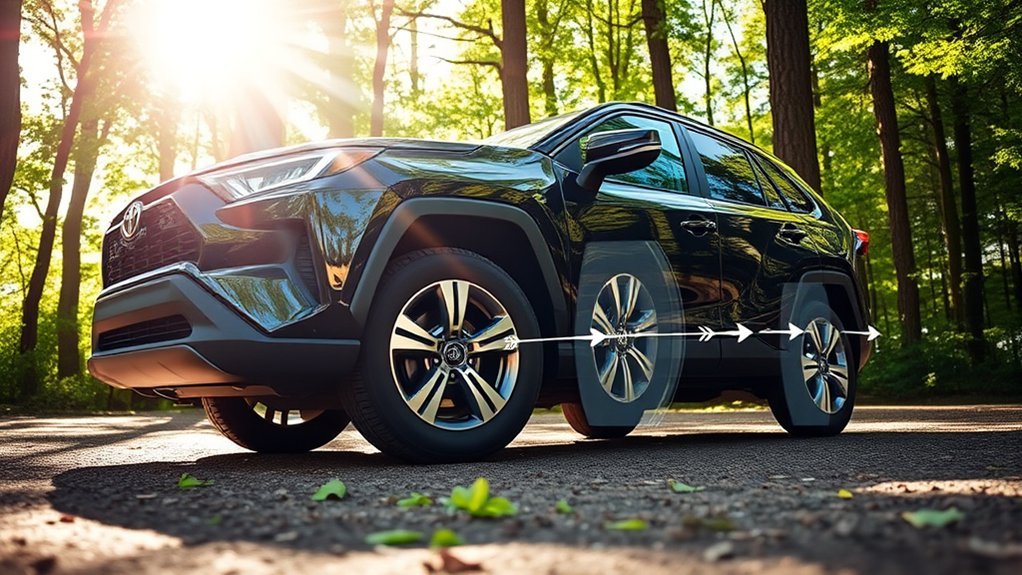
Understanding RAV4 AWD fuel efficiency is essential, especially since the system primarily operates in front-wheel drive to maximize gas mileage. This design enhances fuel economy, engaging the rear wheels only when extra traction is necessary. However, it’s vital to recognize that when the rear wheels engage, you might experience a slight decrease in efficiency—about 3 mpg—due to the always-spinning driveshaft.
If you’re considering the RAV4 Hybrid, you’ll benefit from its Electronic On-Demand AWD system. This innovative approach utilizes an electric motor for the rear wheels, reducing mechanical losses and improving overall fuel efficiency.
Ultimately, your driving habits will greatly influence fuel economy. While AWD enhances traction, it can impact efficiency, especially in traditional AWD models. As a result, understanding how these systems work will empower you to make informed choices about your driving style, maximizing the balance between performance and fuel savings.
User Experiences With RAV4 AWD Performance
Many drivers have shared their experiences with the RAV4’s AWD performance, highlighting its strengths and areas for improvement. User feedback indicates that while the Dynamic Torque Vectoring AWD system excels in providing traction and stability in snowy conditions, it may not outperform competitors like Subaru in severe weather. Here’s what users commonly report:
- Enhanced Traction: Confident handling in moderate snow and slippery conditions.
- Multi-Terrain Select: Positive experiences adapting to dirt, sand, mud, and snow, offering tailored performance.
- Fuel Economy Impact: A noticeable drop of about 3 mpg during normal driving conditions due to the AWD system.
Community discussions emphasize understanding the system’s capabilities and the importance of appropriate tire selection to maximize performance. Overall, while the RAV4’s AWD system has its strengths, user experiences suggest a balanced perspective is essential for potential buyers.
Frequently Asked Questions
What Is All-Wheel Drive Torque Distribution?
All-wheel drive torque distribution optimizes power allocation between front and rear wheels, enhancing drivetrain efficiency. By adjusting torque mechanics based on real-time data, it improves traction and stability across various driving conditions.
How Does Torque Vectoring AWD Work?
When you’re in the driver’s seat, torque vectoring AWD actively manages torque across the drivetrain, optimizing dynamics for enhanced traction. It adjusts power delivery in real-time, ensuring you grip the road like glue, especially on slippery surfaces.
Conclusion
In the world of all-wheel drive, the Toyota RAV4 stands as a sturdy bridge, connecting power and control. Its torque vectoring system acts like a conductor, orchestrating performance across varied terrains. As you navigate through rain-soaked roads or snowy trails, remember that this system adapts seamlessly, enhancing your drive. With fuel efficiency in mind, it’s not just about the journey; it’s about mastering each turn and curve, ensuring you stay in harmony with the road beneath you.