
A Toyota Camry transmission fluid change interval depends on the model year, transmission type, mileage, and how the car is driven. The safest answer is not a single mileage number for every Camry: use your year-specific Toyota Warranty & Maintenance Guide first, then adjust sooner for towing, heavy loading, long idling, hot stop-and-go driving, leaks, rough shifts, or dark, burnt-smelling fluid.
Quick Answer
For many newer Camrys, Toyota lists automatic transmission fluid replacement at 60,000-mile intervals under special operating conditions such as towing, heavy loading, or extensive low-speed/idling use. Under normal driving, follow the owner’s guide and inspect for leaks, but many owners choose a preventive drain-and-fill around 60,000–100,000 miles.
Key Takeaways
- Your exact Camry fluid interval depends on model year, transmission type, and driving conditions.
- Toyota’s newer maintenance guides commonly call for replacing automatic transmission fluid at 60,000 miles only when the car is driven mainly under special operating conditions.
- Dark, burnt-smelling, low, leaking, or contaminated fluid needs attention regardless of mileage.
- A drain-and-fill is usually the safest routine service; a high-pressure flush is not always the best choice for older or neglected transmissions.
- Use the exact Toyota-approved fluid for your transmission, especially Toyota Genuine ATF WS on many late-model Camrys.
How Often Should You Change Camry Transmission Fluid?
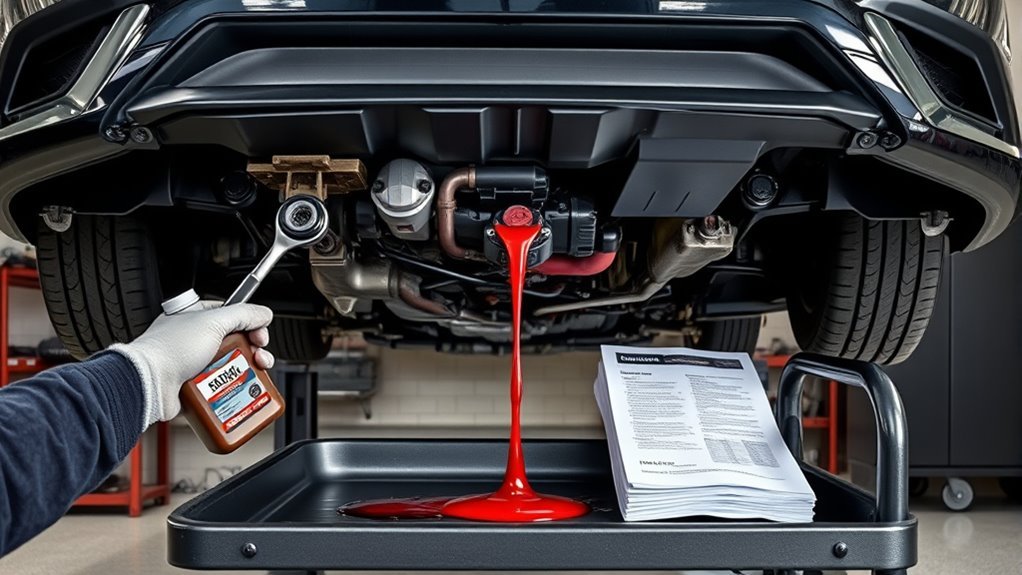
For a Toyota Camry, the best transmission fluid interval is the one listed in the maintenance guide for your exact year and drivetrain. Toyota’s own general advice is that there is no one-size-fits-all transmission fluid interval, so you should follow manufacturer guidance and adjust for use and condition.
For example, the 2024 Toyota Camry Warranty & Maintenance Guide lists automatic transmission fluid replacement at 60,000 miles under special operating conditions such as towing, using a car-top carrier, heavy vehicle loading, or extensive idling/low-speed driving. It also says sealed transmissions should be inspected for leakage and checked by a Toyota dealer if leakage is suspected.
| Driving Condition | Practical Camry Fluid Plan |
|---|---|
| Normal commuting | Follow the year-specific Toyota maintenance guide; inspect for leaks and consider preventive service around 60,000–100,000 miles. |
| Towing, car-top carrier, or heavy loading | Toyota commonly lists automatic transmission fluid replacement at 60,000 miles under these special operating conditions. |
| Taxi, delivery, rideshare, police, or long low-speed/idling use | Service at the severe-use interval in the guide; ask a Toyota-trained technician if 30,000–60,000-mile service makes sense for your use. |
| Unknown service history or high mileage | Inspect first; a gentle drain-and-fill is usually safer than an aggressive flush. |
| Dark, burnt, leaking, or low fluid | Diagnose and service immediately, even if the mileage interval has not arrived. |
Note: “Lifetime” transmission fluid should not be read as “never inspect it.” It usually means the fluid is designed for long service under normal conditions, but leaks, heat, towing, contamination, and severe use can still shorten its life.
Toyota Intervals: And When to Change Sooner
Toyota maintenance schedules vary by model year, market, engine, and drivetrain. That is why the Toyota Owners manual lookup should be your first source before you buy fluid or schedule service.
As a practical rule, change sooner when the transmission has been exposed to more heat and load than a normal commuter car. That includes mountain driving, towing where allowed, stop-and-go traffic in hot weather, heavy passenger/cargo loads, commercial use, and frequent short trips that do not let the car fully stabilize at operating temperature.
| Condition | Recommended Action |
|---|---|
| Normal use, no symptoms | Follow the owner’s guide and inspect for leaks/condition during routine service. |
| Severe use listed by Toyota | Replace fluid at the severe-use interval in your guide, commonly 60,000 miles on many newer Camrys. |
| Fluid smells burnt | Stop guessing; schedule diagnosis and service. |
| Fluid is dark brown or black | Service soon and check for overheating, wear, or delayed maintenance. |
| Transmission slips, delays, or clunks | Do not rely on a fluid change alone; get a diagnostic scan and inspection. |
Keeping records matters. Note the date, mileage, fluid type, amount drained/refilled, and whether the service was a drain-and-fill, pan service, or flush. Those records make the next service decision much easier.
Which Camry Years and Transmissions Need Extra Service
Camry transmission service is not identical across generations. Older models may have a dipstick and simpler level checks. Many newer gas Camrys use sealed automatic transmissions with no dipstick. Hybrid Camrys use an electronically controlled transaxle setup and have their own fluid procedure.
Older Models With Dipstick
Some older Camrys have a transmission dipstick that lets you check fluid level and condition from the engine bay. If your Camry has one, you can inspect the fluid color and smell yourself, then compare the level to the dipstick markings using the procedure in the owner’s manual.
- Inspect the fluid: Healthy automatic transmission fluid is usually red or pinkish-red and clean-looking.
- Watch the smell: A burnt odor points to overheating or degraded fluid.
- Use the correct fluid: Older Toyota transmissions may call for a different fluid than newer ATF WS models, so never guess by generation alone.
Sealed Transmissions Require Service
Many late-model Camrys do not have a traditional transmission dipstick. That does not mean the fluid never needs attention; it means the fluid level is checked through a controlled service procedure, usually with the vehicle level and the transmission fluid at a specified temperature.
| Camry Type | Service Note |
|---|---|
| Older automatic with dipstick | Owner can often inspect fluid level and condition, then follow the manual for service. |
| Newer sealed automatic | No dipstick; level setting usually requires shop procedure and correct fluid temperature. |
| 2018–2024 gas Camry | Uses an 8-speed automatic, not a Direct Shift CVT. |
| 2025 and newer U.S. Camry | Toyota moved the Camry to an exclusively hybrid lineup; follow the hybrid maintenance guide. |
| Hybrid Camry | Uses a hybrid transaxle/eCVT-style system; follow the exact Toyota procedure and fluid specification. |
Warning: Do not add universal transmission fluid to a Camry just because the bottle says it works in “many imports.” The wrong friction characteristics can cause shift issues, overheating, or long-term wear.
How to Check Camry Transmission Fluid Level and Condition
At a Glance
| Time Required | 5–10 minutes for dipstick models; longer for sealed systems |
| Difficulty | Easy for dipstick checks; advanced for sealed transmissions |
| Tools Needed | Clean lint-free rag, gloves, owner’s manual; scan tool/service equipment for sealed systems |
| Cost | Usually free for a dipstick inspection; professional service cost varies by shop, fluid, and procedure |
Park On Level Surface
For Camrys with a dipstick, park on a level surface, set the parking brake, and warm the transmission according to the owner’s manual. Many automatic transmission checks are done with the engine idling, but the exact gear selector position and temperature procedure can vary, so follow the manual for your year.
- Park level and keep the vehicle secure.
- Warm the car as directed in the owner’s manual.
- Cycle through the gears if the manual calls for it, then return to the specified position.
- Check the level only when the procedure says the fluid temperature is correct.
Locate The Dipstick
If your Camry has a transmission dipstick, it is usually toward the rear or side of the engine bay and may have a colored handle. Pull it out, wipe it clean, reinsert it fully, then pull it again to read the level.
If there is no dipstick, do not improvise by pouring fluid into the wrong opening. Sealed Toyota transmissions are checked through a fill/overflow procedure, and the level must be set accurately. Too much or too little fluid can both cause problems.
Assess Fluid Color
Fluid color and smell are quick clues, but they are not a full diagnosis. Healthy fluid is usually clean and red to pinkish-red. Fluid that is dark brown, black, gritty, milky, or burnt-smelling deserves immediate attention.
- Red or pinkish-red: Usually normal if the level is correct and the transmission shifts smoothly.
- Dark brown or burnt: The fluid has likely overheated or degraded; plan service and diagnosis.
- Milky or foamy: Possible coolant contamination, water intrusion, or aeration; get professional help.
- Low level: Look for leaks before simply topping off.
Pro Tip: Take a photo of the dipstick reading and fluid color each time you inspect it. Comparing photos over time helps you spot gradual darkening before symptoms appear.
Drain-and-Fill: Step-by-Step What to Expect
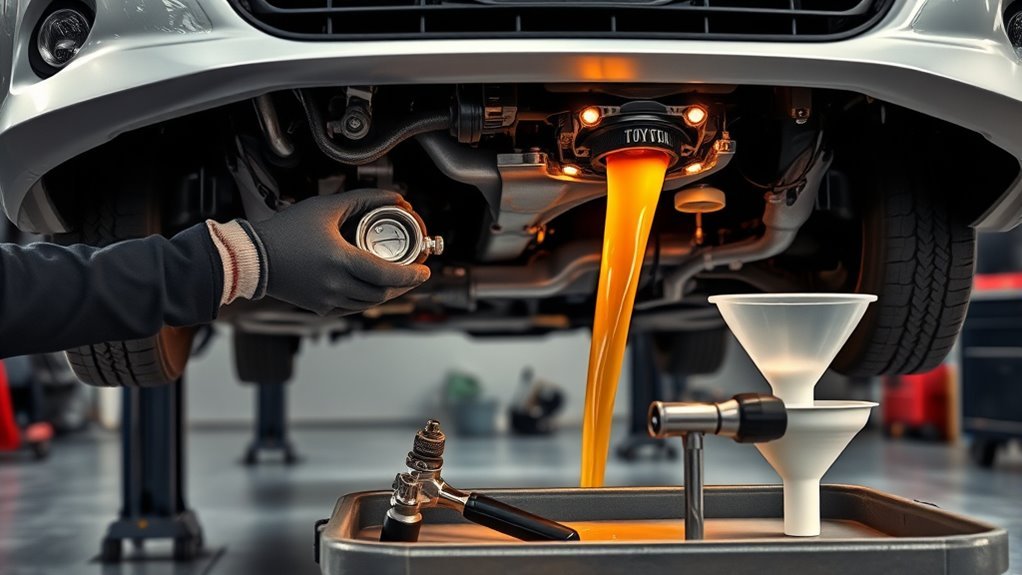
A drain-and-fill replaces only part of the transmission fluid, but it is often the best routine maintenance choice. It refreshes the additive package without forcing solvent or high pressure through an older transmission.
- Confirm the fluid spec: Check your owner’s manual, maintenance guide, or Toyota service information before buying fluid.
- Raise the car safely: The vehicle must be stable and level. Use proper jack stands or a lift.
- Drain the old fluid: Remove the transmission drain plug and catch the fluid in a clean drain pan.
- Measure what came out: Measuring the drained amount gives a useful refill baseline.
- Inspect the fluid: Look for burnt odor, metal debris, or unusually dark fluid.
- Reinstall the drain plug: Use the correct gasket/washer and torque specification.
- Refill with the correct fluid: Use only the fluid specification required for your transmission.
- Set the final level: On sealed transmissions, this usually requires the specified fluid temperature and overflow-level procedure.
- Check for leaks: Run the car, cycle gears as required, inspect underneath, and road-test gently.
Warning: Transmission fluid can be hot enough to burn skin. Wear gloves and eye protection, and do not work under a car supported only by a jack.
A pan/filter service is not always required on every Camry during routine fluid service. Some Toyota transmissions use a screen or strainer rather than a traditional serviceable filter, and pan removal may not be part of the normal procedure. Ask the shop exactly what service they are performing before approving the work.
[Products Worth Considering]

This rear trunk lid weatherstrip is designed to fit select Toyota Camry and RAV4 models, helping restore a secure seal around the trunk area. It supports protection against dust, moisture, and road noise while offering a reliable replacement for worn or damaged factory seals. Made for straightforward installation, it provides a practical fit-and-finish upgrade for everyday driving.

These genuine Toyota oil drain plug gaskets are designed to help maintain a reliable seal during oil changes, reducing the chance of leaks and supporting proper engine maintenance. With an OEM fit and trusted Toyota quality, they are a practical choice for routine service on compatible vehicles. The convenient quantity pack is ideal for keeping multiple maintenance intervals covered.

This flexible oil funnel is designed to make fluid changes cleaner and easier by guiding oil around obstacles like skid plates and crossmembers. Its shape-retaining core and silicone body can be molded for custom positioning, while the heat-resistant, leak-proof design helps prevent spills during draining and filter removal. Reusable and easy to clean, it works well for cars, trucks, motorcycles, and other hard-to-reach fluid fill or drain applications.
Flush vs. Pan/Filter Service: Which to Choose?
The best Camry transmission service depends on fluid condition and service history. A drain-and-fill is simple and controlled. A pan service may allow inspection and cleaning if your transmission design supports it. A machine flush exchanges more fluid, but it is not automatically better.
| Service Type | Best For | Main Caution |
|---|---|---|
| Drain-and-fill | Routine maintenance and preventive fluid refresh | Replaces only part of the total fluid capacity |
| Pan/filter or pan/strainer service | Vehicles where pan removal is recommended or needed for inspection | Not required on every Camry or every service interval |
| Machine flush | Select cases with a known-good transmission and shop-approved procedure | Can be risky on neglected, high-mileage, slipping, or burnt-fluid transmissions |
If your Camry has clean fluid and a consistent service record, a drain-and-fill at the right interval is usually the lowest-risk maintenance path. If the fluid is black, burnt, or full of debris, do not assume a flush will fix the transmission. Get the problem diagnosed first.
A fluid change is maintenance, not a miracle repair. If the transmission is already slipping, clunking, or setting codes, diagnose the fault before choosing a service.
[Products Worth Considering]

This 12-pack oil filter and drain plug washer set is designed for a wide range of Toyota and Scion vehicles, helping support clean oil flow and dependable engine performance. It replaces several common OE part numbers and offers an easy-fit solution for routine maintenance. Built with corrosion-resistant materials and efficient filtration, it helps keep engine contaminants out and supports longer service life.

The GEARWRENCH Professional Bi-Directional Diagnostic Scan Tool brings OE-level diagnostics to your smart device for efficient troubleshooting and repair. It offers full bi-directional control, live actuation testing, live data mapping, freeze frame capture, and support for 23 reset and relearn functions to help technicians complete complex jobs with confidence. With software updates included, broad vehicle coverage, and a two-year warranty, it delivers powerful shop-ready capability without ongoing fees.
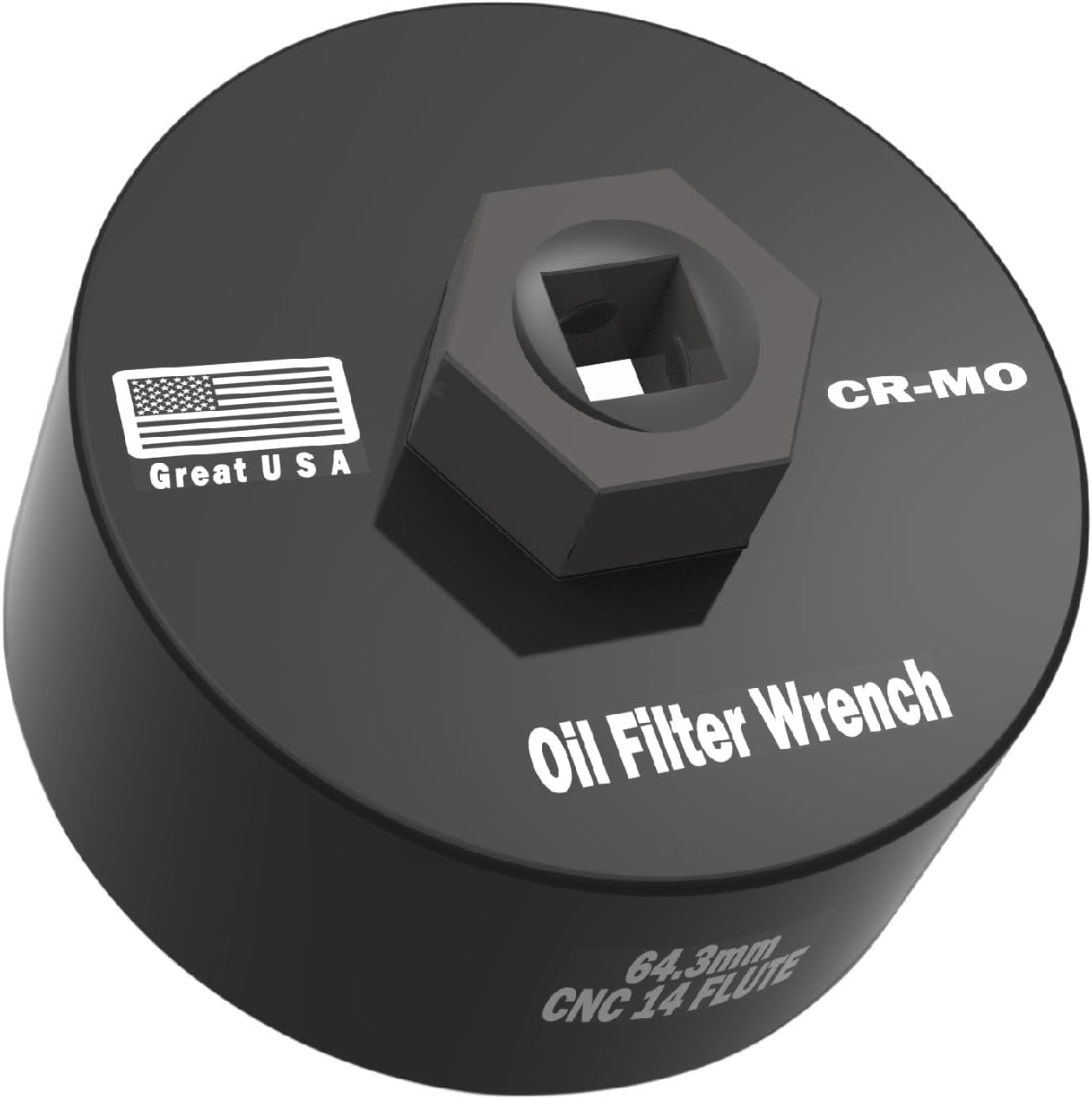
This precision oil filter wrench is designed for Toyota and Lexus cartridge-style filters, delivering a secure 14-flute fit for smooth removal and installation without slipping. Made from hardened chrome-molybdenum steel with a low-profile design, it works well in tight engine spaces and pairs with common drive tools for easier oil changes.
Recommended Transmission Fluids and Compatibility for Camry
Many late-model Toyota Camrys require Toyota Genuine ATF WS. Toyota describes this fluid as Genuine Toyota World Standard Automatic Transmission Fluid designed for smooth shifting, hydraulic performance, and transmission protection in Toyota vehicles.
Older Camrys may require a different Toyota-approved automatic transmission fluid, such as a Dexron-type specification on certain earlier models. Hybrid Camrys also have model-specific transaxle fluid requirements. The point is simple: match the fluid to the transmission, not just the badge on the trunk.
- Late-model automatic Camry: Often Toyota ATF WS, but confirm by VIN/year.
- Older automatic Camry: May require an older Toyota/Dexron-type fluid specification.
- Hybrid Camry: Follow the hybrid owner’s manual and maintenance guide.
- Aftermarket fluid: Use only if the product explicitly states the required Toyota specification and your technician agrees it is appropriate.
Note: Mixing fluid types is a bad shortcut. If you do not know what is already in the transmission, have the fluid identified or serviced by a qualified shop.
[Products Worth Considering]

This NewYall pack of two oil filters is designed for a wide range of Toyota, Lexus, and Scion vehicles from the 2005 to 2014 model years. Each filter includes a gasket seal O-ring element for a proper fit and reliable oil filtration, helping support clean engine oil flow and routine maintenance. It is a practical replacement choice for many popular sedans, SUVs, and hybrids.

This A-Premium cartridge engine oil filter is designed for a wide range of Toyota and Lexus vehicles, helping support cleaner oil flow and dependable engine protection. With high filtration efficiency and included O-rings, it offers a practical replacement solution for routine maintenance. Built for extended service intervals, it is suitable for conventional or synthetic oil applications.

This upgraded engine oil funnel kit makes oil changes cleaner and easier with a spill-proof design, flow control valve, and transparent body for precise filling. Built from durable polycarbonate and equipped with 12 adapters, two 45-degree elbows, and a debris filter, it fits a wide range of vehicles and works well in tight engine spaces. The secure, hands-free setup helps reduce mess while improving control during oil filling and fluid transfers.
Signs Your Camry Transmission Needs Immediate Attention
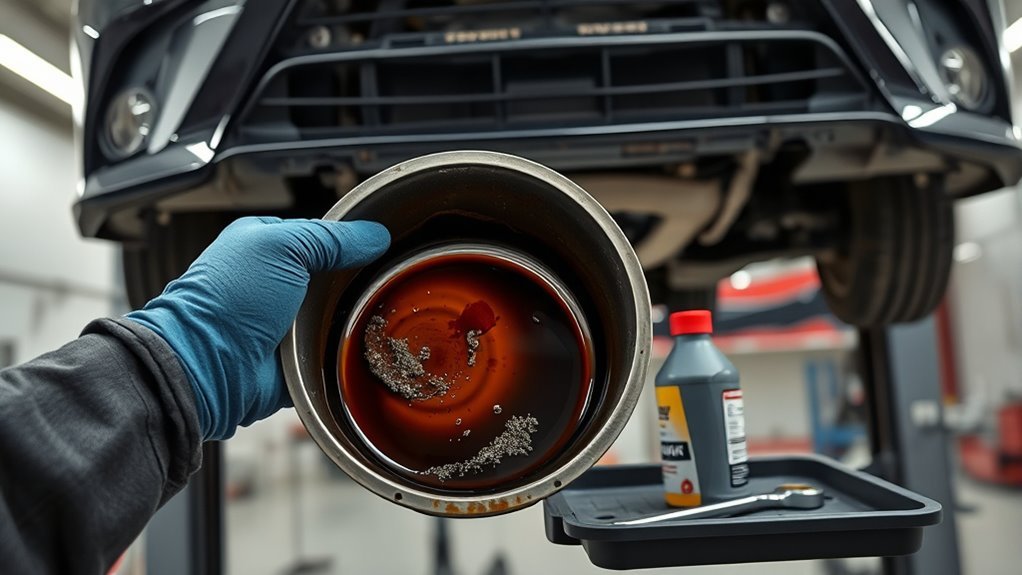
Knowing the right fluid interval helps prevent problems, but you still need to recognize warning signs. Do not keep driving normally if the transmission is slipping, overheating, grinding, leaking, or refusing to engage.
- Gear slippage or flare: Engine RPM rises without matching acceleration, or the transmission feels like it loses grip between gears.
- Delayed engagement: The car hesitates before moving after shifting into Drive or Reverse.
- Grinding, clunking, or harsh shifts: These can point to low fluid, internal wear, software issues, mounts, or driveline problems.
- Burning smell: Hot, burnt fluid is a warning sign of overheating or severe degradation.
- Fluid leaks: Red, pink, or brown fluid under the car should be traced quickly.
- Warning lights: A check engine or transmission-related warning can store diagnostic trouble codes even if the car still drives.
If any of these symptoms appear, check for obvious leaks and schedule a diagnostic inspection. A fluid service may help if the problem is caught early, but mechanical wear, solenoid faults, overheating, or internal clutch damage may need more than fluid.
Camry Transmission Maintenance Checklist and Schedule
Use this checklist to keep the transmission healthy without over-servicing it or guessing. The goal is to combine Toyota’s maintenance schedule with real-world evidence from your fluid, mileage, and driving conditions.
| Task | Frequency |
|---|---|
| Check owner’s manual and maintenance guide | Before every transmission service |
| Inspect for leaks | At each oil change or tire rotation |
| Check fluid color and smell on dipstick models | At each oil change, before long trips, and after heavy use |
| Drain-and-fill service | At the guide’s severe-use interval or around 60,000–100,000 miles as preventive maintenance for normal use |
| Severe-use service | Commonly 60,000 miles on many newer Camrys when Toyota’s listed special operating conditions apply |
| Record service entries | After every inspection, drain-and-fill, flush, or repair |
Your service log should include mileage, date, fluid type, quantity used, shop name, symptoms, and whether the car was used for towing, heavy loading, rideshare, delivery, or extended low-speed driving. That information helps prevent both neglect and unnecessary service.
Frequently Asked Questions
How often do you change transmission fluid on a Toyota Camry?
Check the maintenance guide for your exact year first. Many newer Camry guides list automatic transmission fluid replacement at 60,000 miles when the vehicle is driven mainly under special operating conditions such as towing, heavy loading, or extensive low-speed/idling use. For normal driving, many owners choose preventive service around 60,000–100,000 miles.
How much does it cost to change transmission fluid in a Camry?
Cost depends on the model year, fluid type, location, labor rate, and whether the shop performs a simple drain-and-fill, pan service, or flush. A DIY drain-and-fill costs mainly the price of correct fluid and gaskets, while professional service costs more because sealed transmissions require proper equipment and level-setting procedures.
How long does Toyota automatic transmission fluid last?
It depends on heat, load, mileage, and transmission design. Toyota’s general guidance is to follow the manufacturer maintenance schedule rather than a universal interval. Severe use shortens fluid life, and fluid that is burnt, dark, low, leaking, or contaminated should be addressed immediately.
Does a Toyota Camry have lifetime transmission fluid?
Some sealed transmissions are marketed as long-life or low-maintenance, but that does not mean the fluid can be ignored forever. Toyota still calls for inspection at specified intervals and replacement under certain severe operating conditions on many models.
Is a transmission flush safe for a high-mileage Camry?
Not always. If the Camry has high mileage, unknown service history, slipping, burnt fluid, or heavy debris in the fluid, a gentle drain-and-fill and diagnostic inspection is usually safer than an aggressive flush. Ask the shop why they recommend a flush before approving it.
What transmission fluid does a Toyota Camry use?
Many late-model Camrys use Toyota Genuine ATF WS, but older models and hybrid transaxles can have different requirements. Always confirm the correct fluid by year, engine, transmission, and owner’s manual before buying or adding fluid.
Can I check Camry transmission fluid without a dipstick?
Usually not in the simple driveway-check sense. Sealed Camry transmissions use a fill/overflow procedure that requires the car to be level and the fluid to be at the correct temperature. A Toyota dealer or qualified transmission shop is the safest choice.
Conclusion
Keep Camry transmission care practical: follow the Toyota maintenance guide for your exact model year, shorten the interval when severe-use conditions apply, and inspect fluid condition whenever possible. If your Camry has a dipstick, check level, color, and smell regularly. If it has a sealed transmission, use a qualified shop that knows the Toyota procedure. A timely drain-and-fill with the correct fluid is far cheaper than ignoring heat, leaks, slipping, or burnt fluid until the transmission needs major repair.
Sources
- Toyota: How Often Should You Change Your Transmission Fluid? — supports the guidance that intervals are not one-size-fits-all and should follow manufacturer recommendations.
- 2024 Toyota Camry Warranty & Maintenance Guide — supports severe-use transmission fluid replacement and sealed transmission inspection guidance.
- 2018 Toyota Camry Warranty & Maintenance Guide — supports model-specific Toyota maintenance intervals and severe operating condition notes.
- Toyota Genuine World Standard Automatic Transmission Fluid — supports Toyota ATF WS fluid information.
- Toyota USA Newsroom: 2025 Toyota Camry — supports the note that the 2025 Camry moved to an exclusively hybrid lineup.