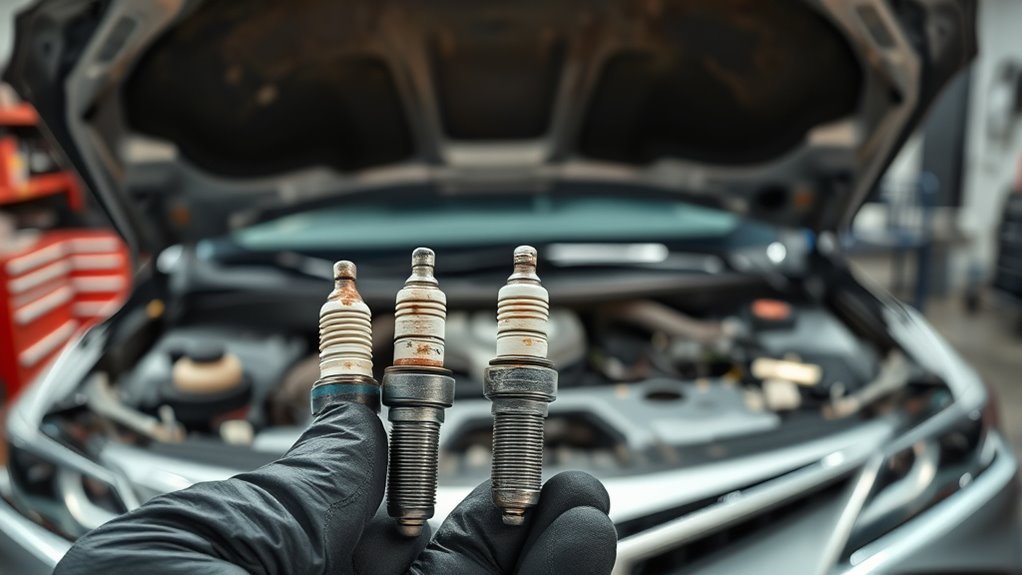
Your Toyota Camry’s spark plug life depends on type and driving: copper lasts ~20–30k miles, platinum about 60–100k, and iridium often exceeds 100k. Inspect plugs around 60k and expect expert-recommended replacement between 50–80k for many drivers, especially with shorter trips, lower-grade fuel, or older ignition systems. Watch for misfires, rough idle, decreased MPG, or a CEL. Keep a service log and proper torque/anti-seize practices, and continue for detailed guidance.
Camry Spark Plug Lifespan (By Type)
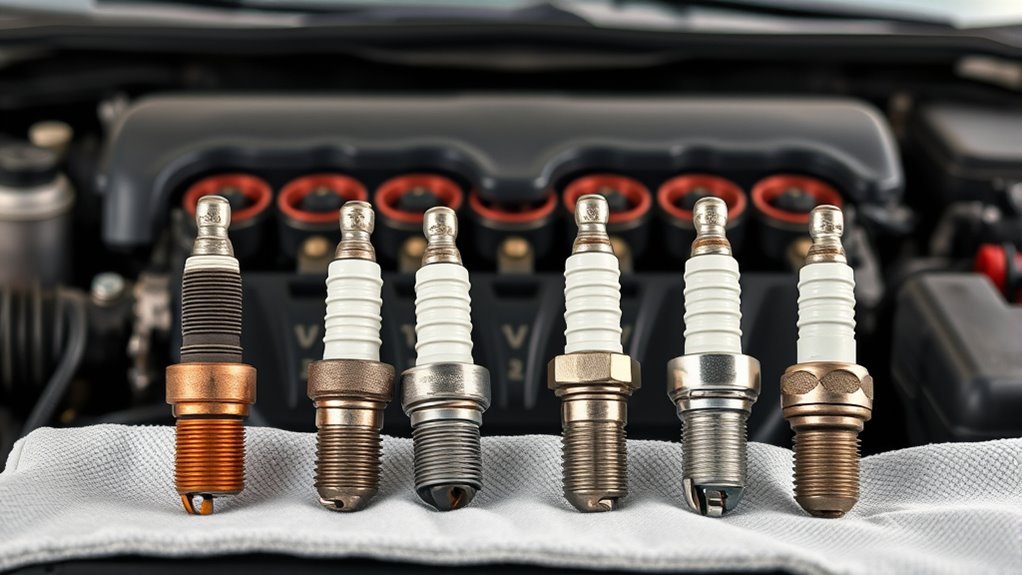
Depending on the plug type you choose, a Camry’s spark plugs will last very differently: copper lasts about 20,000–30,000 miles, platinum typically 60,000–100,000 miles, and iridium often exceeds 100,000 miles. You’ll pick spark plug materials based on durability, cost, and performance needs. Copper gives strong initial conductivity but wears fast—suitable if you’re working on older Camrys or on a tight budget. Platinum balances longevity and cost, making it a pragmatic choice for many drivers seeking reliable intervals without overspending. Iridium delivers the longest life and stable ignition, ideal if you want low-maintenance operation and peak efficiency. Check spark plug compatibility with your Camry’s engine type and ignition system before buying; mismatched plugs can erode gains in lifespan and efficiency. Watch for misfires, sluggish throttle response, and falling fuel economy as practical signals to inspect or replace plugs. Choose deliberately to free yourself from frequent maintenance.
Factory Intervals vs. Real Life: When to Replace Plugs
You’ve seen how plug material affects lifespan, but real-world replacement timing often strays from factory schedules. You’ll balance factory recommendations with expert opinions and your own driving environment. The factory recommends ~120,000 miles, yet experts advise considering earlier swaps — often 50,000–80,000 miles — to preserve power and fuel economy. Inspect plugs at 60,000 miles to spot wear or seizing risk.
- Monitor performance dips: misfire, rough idle, reduced MPG.
- Inspect at 60k intervals; replace sooner if electrodes show erosion.
- Consider oil type and change frequency; synthetics and shorter intervals extend life.
- Favor plugs with proven longevity; check real-world data and expert opinions.
You’re aiming for practical freedom: don’t be chained to optimistic interval claims. Use inspections and performance cues to intervene earlier when needed. That approach keeps the Camry responsive, avoids seized threads, and puts maintenance control back in your hands.
Best Spark Plug Type for Your Camry (Copper vs. Platinum vs. Iridium)
Pick the right plug for your Camry by matching material to engine age, driving habits, and maintenance goals: copper suits older, low-tech engines and budget-conscious owners with 20–30k-mile intervals; platinum offers a mid-range balance at 60–100k miles; iridium delivers the longest life and best heat resistance for modern engines and longer service intervals. You’ll choose copper if you run a vintage or high-revving motor that tolerates frequent service and values raw conductivity at low cost. Platinum fits if you want extended life without premium expense, balancing durability and predictable wear. Opt for iridium when you seek peak performance optimization, superior heat resistance, and intervals beyond 100k miles—ideal for newer Camrys with tighter tolerances. Always verify spark plug compatibility with your engine specs and ignition system; mismatched plugs hurt efficiency and emissions. Make decisions that free you from needless maintenance and lock you into the most efficient, durable configuration for your driving style.
8 Signs Camry Spark Plugs or Ignition Parts Need Replacing
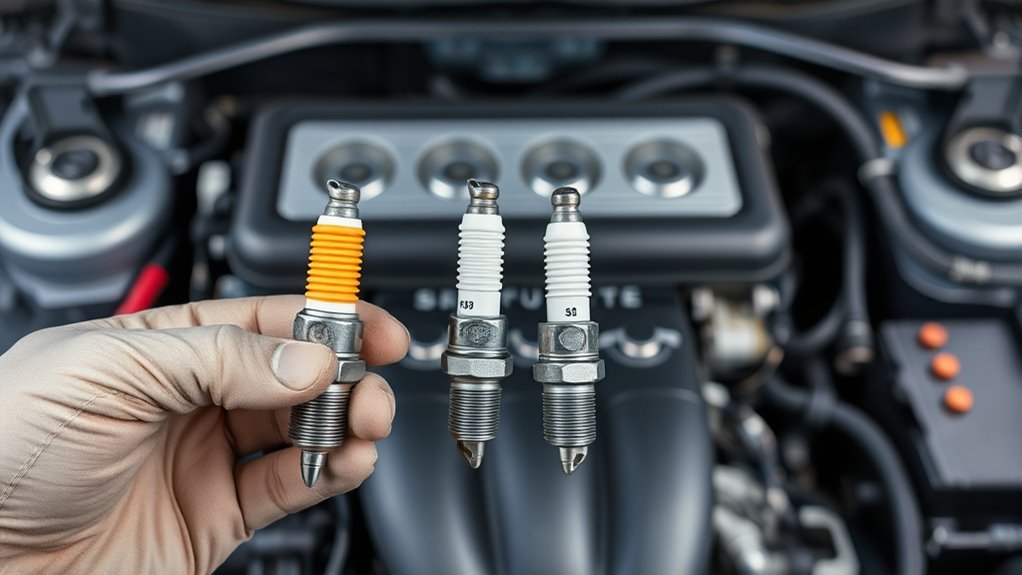
How can you tell when your Camry’s spark plugs or ignition parts are failing? You’ll notice tangible performance losses: reduced power, rough idling, and difficulty starting. Those symptoms often accompany a 20%–30% drop in fuel economy. Visual inspection will confirm issues—cracked insulators, worn electrodes, or carbon buildup on the tips.
- Engine misfiring, sputtering, or sluggish acceleration (misfire symptoms) during load changes
- Check Engine light illumination tied to ignition faults or cylinder misfires
- Visible electrode wear, carbon fouling, or cracked porcelain on removed plugs
- Hard starts, rough idle, or pronounced vibration at low RPMs
Treat these as signs that spark plugs or related ignition components need replacing. Regular inspections, especially around 60K miles, let you replace parts before damage cascades into costly repairs. Act decisively to reclaim control of your vehicle’s performance and efficiency; replacing worn ignition components restores responsiveness and frees you from avoidable breakdowns.
How Fuel, Oil & Driving Habits Change Spark Plug Life
Wondering why some Camry spark plugs outlast others? You control much of that through fuel quality, oil maintenance, and driving habits. Higher-grade gasoline yields cleaner combustion, reducing deposits that lower spark plug efficiency. Low-quality fuel speeds fouling and shortens service life.
You’ll also affect longevity by how you manage oil. Synthetic oils and improved oil separators limit sludge and blow-by, keeping combustion chambers cleaner. If you don’t regularly warm the engine, shorten oil change intervals to prevent degraded oil from promoting deposit formation on plugs.
Your driving habits matter: frequent short trips that never reach full operating temperature cause carbon buildup and reduced spark plug efficiency. Drive longer runs periodically to burn off deposits, and avoid aggressive cold-throttle driving that stresses ignition components.
Taken together, choose quality fuel, maintain oil proactively, and adjust driving patterns. Those deliberate, liberating choices extend plug life, preserve performance, and reduce unnecessary replacements.
Best Spark Plug Brands for Toyota Camry (What to Buy and Avoid)
When you’re choosing spark plugs for a Camry, stick with OEM-spec brands like Denso or NGK for proven fit, heat range, and longevity—Denso’s iridium plugs, for example, can reliably reach about 100,000 miles. You’ll want parts that match Toyota’s specs so the engine runs cleanly and you keep freedom from avoidable service. For practical spark plug comparisons and maintenance tips, focus on material, heat range, and OEM compatibility.
- Denso iridium: long-life, stable gap, cost-effective over time
- NGK: excellent OEM match, consistent performance across models
- Avoid Bosch: not optimized for Toyota, can cause suboptimal combustion
- Buy from dealers or verified suppliers to guarantee correct specs
Inspect plugs per Toyota intervals and replace based on wear, not guesswork. You’ll preserve fuel economy, prevent misfires, and retain control over your vehicle’s reliability. Choose wisely to stay liberated from unnecessary repairs.
DIY vs. Dealer: Cost, Tools, Anti‑Seize & Seizing Prevention
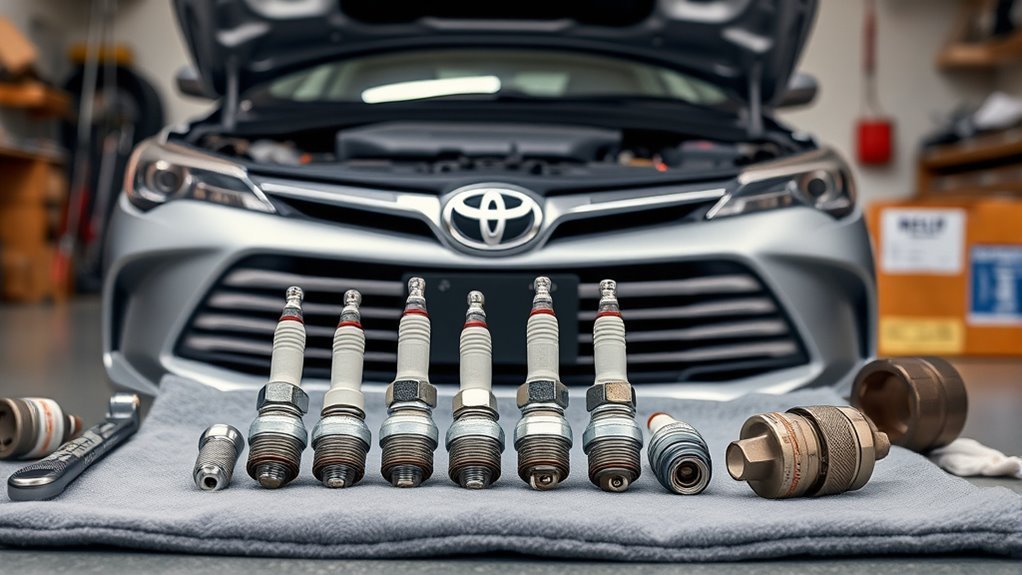
You can save roughly $250–$350 by doing Camry spark plug replacement yourself, buying parts for about $50–$150 versus roughly $400 at a dealer. You’ll need a socket wrench, spark plug socket, torque wrench and anti‑seize compound, and you must follow Toyota’s torque and interval specs (especially for Denso/NGK plugs). If you skip regular 60K‑mile inspections or proper anti‑seize application, plugs can seize and force expensive dealer extraction.
DIY Cost And Tools
One clear benefit of replacing Camry spark plugs yourself is the cost savings: parts typically run $5–$25 each, and doing the job saves roughly $300–$400 in labor compared with dealer service. You control spark plug maintenance and follow concise installation tips to keep the engine reliable. Essential tools are minimal and accessible.
- Socket wrench and spark plug socket
- Torque wrench for correct seating
- Gap gauge to verify electrode gap
- Anti-seize compound for threads (use sparingly)
You’ll gain independence: buy quality plugs, set gaps per spec, torque to the manual, and apply a light film of anti-seize to prevent galling. Inspect at 50K miles to reduce seizing risk. If you prefer certainty, dealer service remains an option for professional assurance.
Dealer Service Vs. Seizing Prevention
Although swapping your Camry’s plugs yourself saves money, preventing thread seizing hinges on correct technique, the right tools, and deciding whether to use anti-seize—choices dealers routinely manage for you. You’ll save roughly on labor by DIY, but dealer expertise includes inspection, torque-controlled installation, and advising maintenance frequency per factory intervals (often ~60K miles), which cuts seizing risk. Anti-seize compound helps in high-heat or older engines; apply sparingly and follow torque specs to avoid over-tightening. If you lack a torque wrench, proper sockets, or experience, you raise the chance of seized threads and costly repairs. Dealers average about $400 including parts, tools, and checks—paying for prevention and peace of mind if you prefer liberated reliability over risky thrift.
Spark Plug Service Checklist: What to Inspect and Record
When inspecting spark plugs every 60,000 miles, focus on wear indicators like heat damage, cracked casings, and carbon fouling that compromise combustion efficiency. You’ll use practical spark plug maintenance tips and spark plug troubleshooting techniques to free your Camry from performance drag. Inspect electrodes, insulators, and threads; note gap erosion and deposits. Check for misfiring symptoms—rough idle, sluggish acceleration—and log occurrences with mileage.
- Record plug type and replacement interval (copper 20–30k mi; platinum/iridium up to 100k mi)
- Note Check Engine light events, codes, and correlated driving conditions
- Measure and record electrode gap, corrosion, and physical damage for each cylinder
- Clean or replace plugs during routine service; document service date and technician
Keep a concise service log you control; it’s a tool for autonomy, preventing neglect and costly repairs. Use the checklist to guide decisions and assert freedom from uncertain maintenance.
Frequently Asked Questions
How Often Should You Change Spark Plugs in a Toyota Camry?
You should change spark plugs typically between 50,000 and 100,000 miles, often around 80,000; Denso iridium can last ~150,000. Use OEM spark plug types, follow maintenance tips, inspect regularly to preserve freedom and reliability.
How Do You Know if Your Spark Plugs Are Bad on a Toyota Camry?
You’ll know by symptom indicators: reduced acceleration, misfiring, rough idling, hard starts, vibrations, and a Check Engine light. Inspect plugs for worn electrodes, cracked insulators, or carbon buildup—performance issues confirm replacement is needed.
Can a Spark Plug Last 200,000 Miles?
No — you shouldn’t expect spark plug longevity of 200,000 miles; high mileage performance degrades. You’ll monitor wear, replace plugs between 50k–100k miles, and avoid risking misfires, poor fuel economy, and engine damage.
Conclusion
In short, keeping your Camry’s spark plugs on a sensible schedule keeps the engine behaving itself and avoids unpleasant surprises. Follow the manufacturer’s baseline, favor quality iridium for longevity, and swap sooner if you spot misfires, rough idle, or poor economy. Use proper torque, anti‑seize sparingly, and log replacements. That way you’ll quietly extend service life, sidestep costly emergencies, and keep performance where it ought to be.