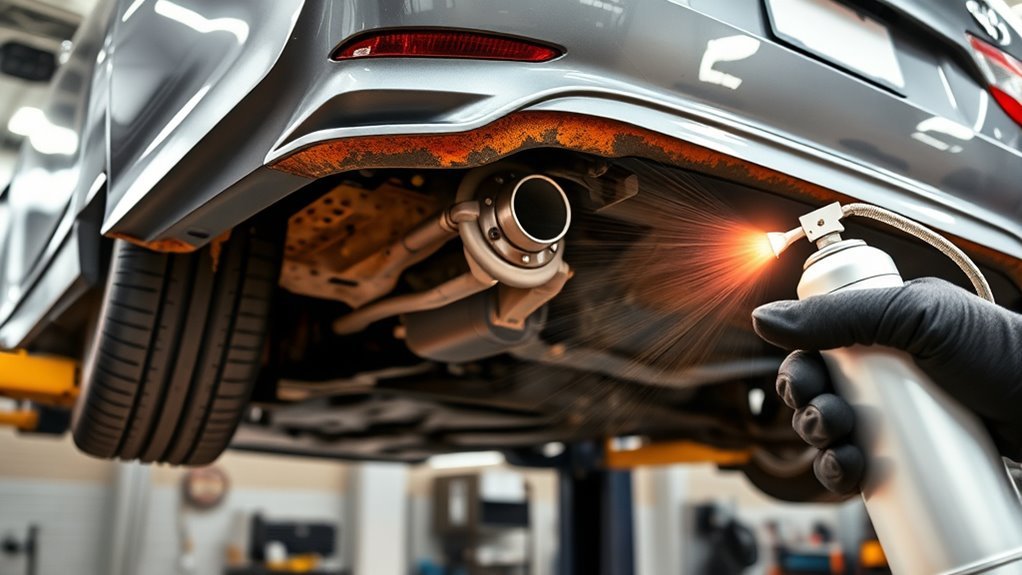
You should prioritize inspecting wheel wells, strut towers and rocker panels, since paint chips and trapped moisture there plus road salt accelerate electrochemical corrosion. Rinse the undercarriage after salt exposure, wash and wax twice yearly, touch up chips promptly, and use oil‑based cavity coatings in winter regions. Probe suspect spots with a flashlight and small tool, document findings, and consider professional deep clean/coating with a guarantee. Keep following for step‑by‑step checks, DIY fixes and service options.
Quick Answer: How to Stop Rust on Your Camry
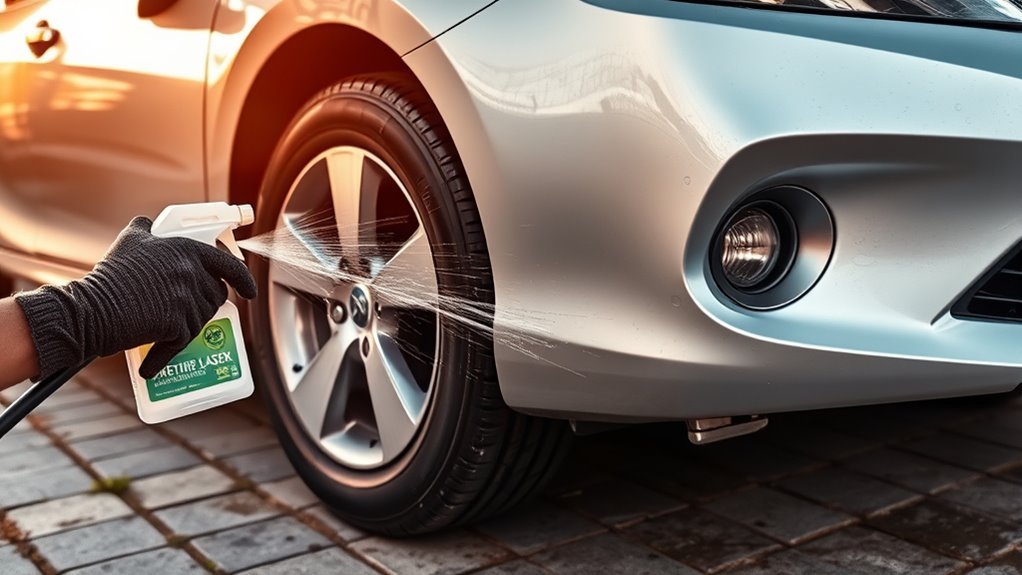
Inspect your Camry’s wheel arches and undercarriage regularly and address paint chips or scratches immediately; these are the primary failure points where salt, moisture, and debris initiate corrosion. You’ll perform systematic visual checks, focusing on fresh chips, drips, or flaking paint, and log locations for repeat inspection. Use targeted cleaning: high-pressure rinses and undercarriage washes remove salt, microscopic metal particles, and contaminants that catalyze oxidation. Apply an annual oil-based undercoating in winter-prone regions to create a sacrificial barrier and reduce electrochemical attack. When available, deploy rust detection technology—ultrasonic thickness gauges or electronic corrosion sensors—to quantify metal loss and justify interventions. Weigh environmental impacts: choose biodegradable cleaners and low-VOC undercoatings to limit runoff toxicity. Act quickly on detected defects: sand to bare metal only when necessary, prime, and seal with corrosion-inhibiting paint. This disciplined regimen preserves structural integrity and keeps you free from avoidable maintenance constraints.
Where Camrys Typically Rust: Wheel Wells, Strut Towers, Rocker Panels
Because moisture, salt, and road debris concentrate in predictable cavities, Camrys most often corrode at the wheel wells, strut towers, and rocker panels — areas where water collects and paint damage exposes bare metal. You should prioritize wheel well maintenance: clean salt and grit, inspect paint edges, and apply oil undercoating annually to block electrochemical attack. Perform strut tower inspection regularly; remove trapped dirt, check for bubbling paint, and treat surface rust before it penetrates. Examine rocker panels closely in winter regions; they hide moisture and accelerate through-rust that compromises sill strength. Early detection preserves structure and frees you from costly repairs.
- You’ll feel empowered when corrosion stops advancing.
- You’ll reclaim control by scheduling routine inspections.
- You’ll prevent structural failure with targeted treatments.
- You’ll save money by catching rust early.
- You’ll extend the car’s life through disciplined maintenance.
Adopt a methodical inspection cadence: wash the undercarriage after salted drives, document findings, and act on any metal exposure immediately.
Why These Areas Corrode: Paint Edges, Trapped Moisture, and Salt
Having identified wheel wells, strut towers, and rocker panels as repeat problem spots, you should understand the mechanisms that let corrosion start and spread: paint edges chip under mechanical stress and expose bare metal, crevices and seams trap moisture so electrochemical cells form, and road salt accelerates anodic dissolution by increasing electrolyte conductivity. You need to focus on paint maintenance to prevent initial exposure: chip repair and edge sealing eliminate anodic sites. Implement moisture control by ensuring drainage paths and using desiccant-compatible cavity waxes so trapped water can’t sustain corrosion cells. Prioritize salt removal after winter drives; salt retained in wheel wells and body seams multiplies ionic conductivity and drives rapid metal loss. Apply seam protection and inspect adhesive bonds where panels meet; a continuous protective barrier breaks the electrochemical circuit. Taken methodically, these interventions give you tactical corrosion prevention that preserves structure, extends service life, and liberates you from avoidable degradation.
Inspect Your Camry for Early Rust Signs: Step‑By‑Step Checklist
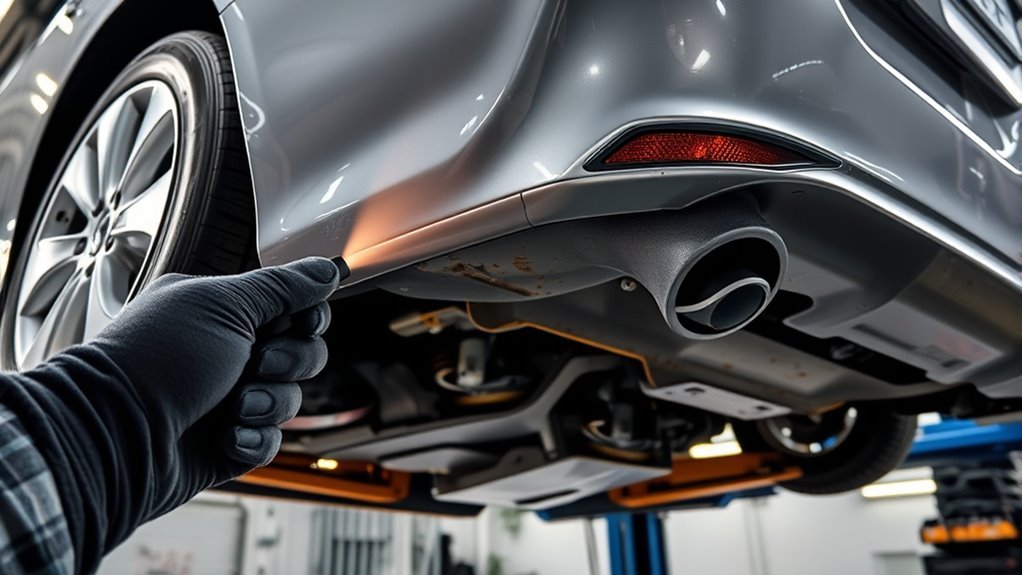
Start by working in good light and with a flashlight—systematically check wheel wells, rear arches, strut towers, under the doors, trunk lid seams, bumper undersides, behind the headlights, and the undercarriage for bubbling paint, surface rust, or trapped dirt and salt. You’ll follow a compact, repeatable rust inspection techniques checklist: look, probe lightly with a plastic pick, tap suspect areas for sound changes, record locations, and schedule treatment. Apply simple moisture detection methods: feel for dampness, use a tissue to reveal salt residue, and note condensation in seams. Focus on liberation from uncertainty—know the exact condition so you can act.
- Feel empowered when you find and document issues early.
- Stay confident knowing routine checks protect value.
- Experience relief by removing doubt about hidden corrosion.
- Gain control through methodical, repeatable steps.
- Celebrate freedom from surprise repairs with ongoing vigilance.
DIY Prevention Today: Washing, Waxing, Undercarriage Rinsing, and Touch‑Ups
Keep a strict, scheduled routine for washing, waxing, undercarriage rinsing, and prompt touch‑ups to minimize corrosion risk on your Camry. You’ll perform diy washing techniques every few weeks, concentrating on lower panels, wheel wells, and door sills to remove salt and grime that accelerate rust. Use two‑bucket washing, pH‑neutral soap, and a soft microfiber to avoid creating new paint defects.
Apply effective waxing methods at least twice yearly: decontaminate with clay, inspect for microchips, then lay a durable paste or synthetic sealant in thin, uniform passes. Rinse the undercarriage and wheel wells after salty exposure; high‑pressure rinses dislodge trapped debris from hidden cavities and suspension components. For scratches and chips, clean, sand, prime, and apply OEM touch‑up paint promptly to restore the corrosion barrier.
Maintain a calendar and log each service. This disciplined, technical regimen preserves structural integrity, frees you from preventable failure, and maximizes your Camry’s longevity.
Oil Undercoating vs. Fluid Film: Pros, Cons, and Recommended Frequency
Alongside regular washing, waxing, and prompt touch‑ups, you should evaluate long‑term cavity protection: oil undercoating and Fluid Film are the two common options for Camry underbodies, each with distinct material properties, application characteristics, and maintenance intervals. You’ll choose oil undercoating for durable, penetrating coverage—ideal for double‑wall panels and older cars—applied annually using targeted application techniques to access seams and cavities. Fluid Film is less viscous, easier to spray into tight spots, but it can wash off faster and often needs more frequent reapplication depending on exposure and washing habits.
- You’ll feel confident when protection endures winter salt and grit.
- You’ll resent weak films that fail mid‑season.
- You’ll appreciate precise methods that liberate you from constant worry.
- You’ll prefer product comparisons that prioritize longevity over convenience.
- You’ll act decisively on annual scheduling for oil and conditional reapplications for Fluid Film.
Select oil for lasting defense; use Fluid Film for touch‑ups and access.
Professional Rust‑Protection Services: Deep Clean, Coatings, and Guarantees

Schedule a professional rust‑protection service when you want a systematic defense against corrosion: you’ll get a methodical deep clean that removes salt, grime, and microscopic metal particulates using targeted cleaning techniques. Technicians assess paint condition, apply specialized agents that neutralize contaminants, then prep surfaces to guarantee adhesion and uniform coverage. You’ll choose among coating types—synthetic polymers, waxes, or oil‑based sprays—selected for permeability, durability, and environmental exposure. Application follows controlled parameters: temperature, film thickness, and access to seams and cavities to seal against moisture intrusion. Many shops back their work with documented guarantees—10‑year or lifetime for new vehicles, 72‑month for used—so you retain recourse if interior corrosion occurs. Investing in professional treatment reduces long‑term repair risk, preserves resale value, and frees you from incremental maintenance cycles. If you want liberation from recurring rust anxiety, this systematic combination of cleaning techniques, appropriate coating types, and contractual guarantees is the pragmatic path.
Fix Small Rust Spots: Sanding, Rust Arrestors, and Paint Touch‑Ups
Start by sanding the rust spot with fine‑grit paper until you remove loose scale and feather the surrounding paint to a smooth edge so the repair blends. You’ll remove corrosion without harming adjacent panels. Apply a rust arrestor to neutralize residual rust; follow product cure times and use a brush or applicator to guarantee full coverage. Once cured, prep the surface, select a matching OEM‑grade touch‑up paint, and apply thin coats until the finish levels. Use rust repair techniques that prioritize containment and adhesion, then finish with clearcoat to seal against moisture.
- You regain control over decay.
- You stop corrosion before it spreads.
- You restore appearance with confidence.
- You protect your investment proactively.
- You reclaim your vehicle’s integrity.
Inspect moisture‑prone zones regularly and repeat the process after severe winters. Use paint selection tips to match color and durability; choose compatible primers and clearcoats for lasting results.
Maintenance Schedule by Climate and Vehicle Age
Because climate and vehicle age change corrosion risk, you should tailor rust‑prevention frequency and techniques to where you drive and how old your Camry is. In heavy‑salt regions, schedule undercarriage washes and focused wheel‑well cleaning every few weeks during winter; inspect strut towers, door seams, and rear wheel arches for paint chips and moisture ingress. Apply oil undercoating annually for cars in cold climates, prioritizing models over ten years or those without double‑wall panels. For vehicles five years and older, perform formal rust inspections at least twice yearly, documenting moisture accumulation and substrate exposure.
In milder climates, adopt a reduced cadence: full exterior wash and inspection every 6–12 months, with spot treatment of chips and seam seal checks. Use this matrix of climate considerations and vehicle age to set preventive measures: winter‑heavy regimen for salt exposure, inspection intensification for aged bodies, and maintenance rollback where environmental risk is low. Follow the schedule methodically to retain structural freedom from corrosion.
How Rust Prevention Affects Camry Lifespan and Resale Value
Although rust can creep up unseen in seam areas and strut towers, regular, targeted rust prevention measurably extends a Camry’s service life by preserving structural metal and corrosion-critical joints. You’ll employ oil undercoating and focused inspections on rear wheel arches and moisture-prone cavities to interrupt electrochemical progress described in corrosion science, slowing substrate loss and maintaining chassis rigidity. Preventive investment is lower than typical repair bills; economically, it’s a calculated liberation from depreciation. Consistent treatment and documented service support resale strategies that command higher offers, since buyers value demonstrable underbody care. You’ll schedule periodic checks and reapplications based on climate and age, catching surface blight before it breaches primed layers.
Targeted rust prevention preserves your Camry’s structure, curbs repair costs, and boosts resale value through documented underbody care.
- You reclaim control over deterioration.
- You convert maintenance into market leverage.
- You avoid sudden structural failures.
- You protect family safety and vehicle integrity.
- You translate care into higher resale value.
Frequently Asked Questions
Do Toyota Cars Need Rustproofing?
Yes—you should consider supplemental rustproofing. You’ll employ rust prevention techniques like annual oil undercoating, prompt paint-chip repair, and targeted inspections; these Toyota maintenance tips preserve structural integrity and liberate you from costly corrosion.
How Long Does Toyota Rust Proofing Last?
About 3–5 years from factory, but you can push it to 10+ with added coatings; don’t worship the myth — use targeted rust proofing effectiveness, yearly inspections, and proven rust prevention techniques to liberate your Camry.
Conclusion
You can stop rust before it starts, spot early corrosion where it hides, treat small pits promptly, and choose professional coatings when needed. You’ll wash and rinse to remove salt, sand and apply arrestor to neutralize corrosion, and seal and paint to restore protection. You’ll inspect regularly, document changes, and adjust schedules by climate and age. You’ll protect resale value, preserve structural integrity, and extend your Camry’s service life.