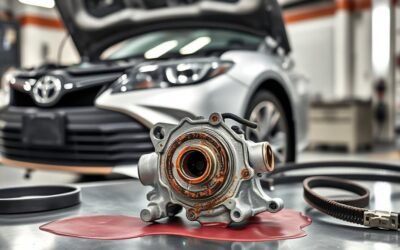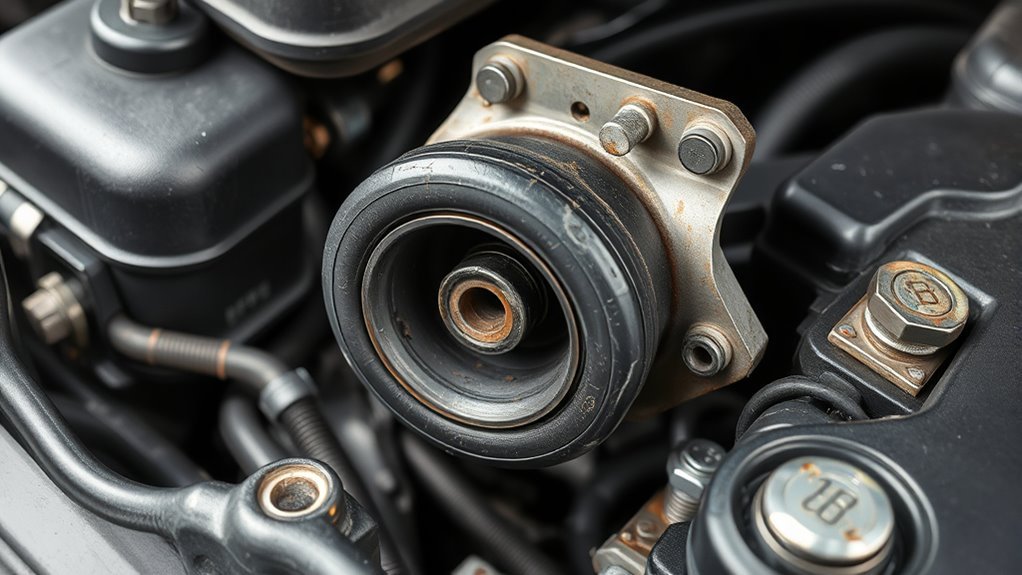
You can expect Camry motor mounts to commonly exceed 100,000 miles, but age, mileage, and driving conditions shorten life; you’ll want replacement if you get excessive vibration, clunks on acceleration or gear changes, visible rubber cracks or sagging, or pronounced engine movement when revving. Inspect mounts every ~15,000 miles and press them to compare travel; replace paired mounts and prefer OEM for fit and balance. Continue for detailed checks, costs, and repair guidance.
How Long Do Camry Motor Mounts Last?
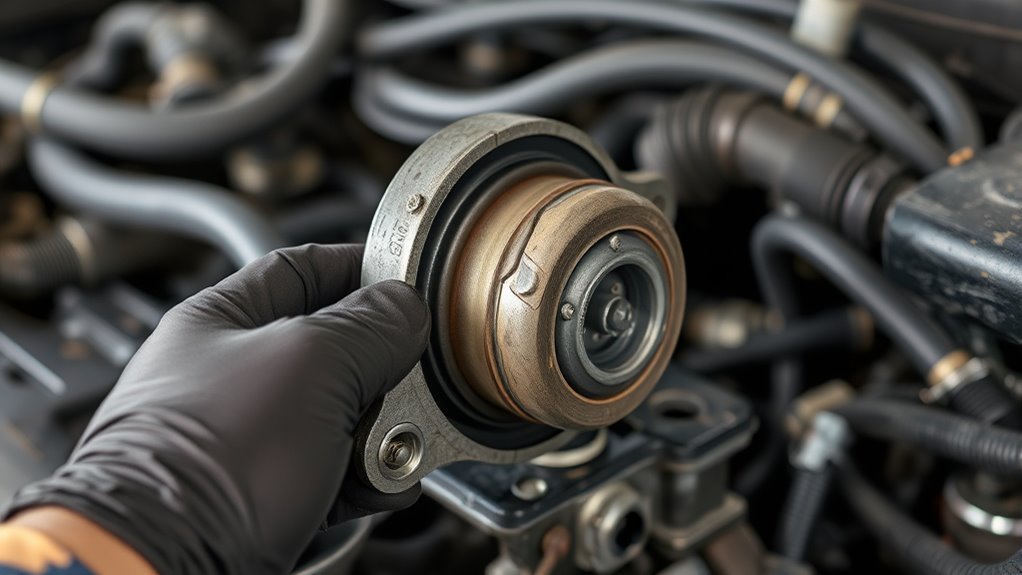
How long will your Camry’s motor mounts last? You can generally expect them to exceed 100,000 miles under normal driving, though some model-specific structural differences can shorten life. You’ll assess lifespan by mileage, age, and inspection findings: if the vehicle is under 15 years and below 100k miles, you usually won’t replace mounts unless wear is evident. Diagnose proactively—routine inspections catch deterioration before alignment or drivetrain stress escalates.
Understand motor mount types when planning service: rubber-isolated mounts offer vibration damping, hydraulic mounts add fluid damping for refinement, and solid or performance mounts trade comfort for rigidity. Match replacement options to your goals—OEM-style hydraulic or rubber mounts restore factory balance; upgraded solid or performance mounts increase control at the expense of comfort. Always consider replacing mounts in pairs to maintain symmetric support and prevent uneven wear. Choose options that free you from repeated fixes and preserve vehicle integrity.
Common Signs Your Camry Motor Mounts Are Failing
Now that you know expected lifespan and replacement options for Camry motor mounts, watch for clear signs of failure so you can act before damage spreads. You’ll notice excessive engine vibration during acceleration or idling — that’s a primary cue in vibration diagnosis and a prompt for immediate mount maintenance. Check for visible cracks or tears in the rubber; deterioration like that demands replacement to prevent cascading damage. A sagging engine or transmission signals loss of support and compromised vehicle stability; don’t ignore uneven ride height or alignment shifts. Clunking or thumping when shifting gears or accelerating indicates the mounts aren’t isolating engine forces, increasing wear on drivetrain components. Finally, if engine movement increases when you rev in neutral, the mounts are likely failing and need prompt attention. Use these diagnostic signs to prioritize repairs, preserve control, and reclaim freedom from breakdowns — act decisively to avoid costlier failures.
Quick Camry Motor Mount Visual and Hands-On Check (5 Steps)
Start by doing a focused rubber inspection: look for cracks, rips, or sagging on each mount that would compromise elasticity. With the engine running, observe for excessive movement and vibration that signal a loss of isolation. Finally, press on the mounts to compare allowed travel against spec—excessive displacement means it’s time to replace.
Visual Rubber Inspection
Want to catch mount issues early? Inspect the rubber for cracks, tears, and sagging—these directly reflect rubber durability and imminent failure. You’ll press on the mount; minimal deflection is normal, but significant flex signals wear. Note any mount sitting lower than its designed position; sagging is a mechanical red flag. Scan for oil leakage around the mount; oil-soaked rubber degrades internal bonding and shortens service life. Maintain a disciplined inspection frequency: every 15,000 miles or during routine service to detect deterioration before it compromises control. Record findings, prioritize replacement when cracks, excess movement, sagging, or oil are present. This focused, hands-on visual check keeps your Camry reliable and preserves your freedom to drive without unexpected breakdowns.
Engine Movement Test
Before you do any hands-on checks, visually inspect each motor mount for cracks, oil saturation, sagging, or separation—these signs guide whether an engine movement test is safe and necessary. Place the vehicle in park, run the engine, and rest your hand on the block while an assistant smoothly revs. Note excessive displacement; more than a quarter-inch shift under moderate pressure or during revs indicates compromised mounts. Press down on the engine with controlled force to quantify movement. Combine your tactile findings with vibration analysis: listen for clunks or abnormal vibrations during acceleration and deceleration. Document sagging or irregular motion. These diagnostic steps assess engine stability and let you decide whether immediate mount replacement is required to reclaim control and prevent downstream damage.
Is That Shake or Clunk Caused by a Bad Motor Mount?
If you feel excessive vibration while the Camry is idling or under acceleration, that’s a primary indicator a motor mount may be compromised. Clunks during gear changes or over bumps point to excessive engine movement from a worn mount. Check the mount rubber for visible cracks or rips—any separation or sagging confirms the need for replacement.
Excessive Vibration While Idling
When your Camry vibrates or clunks at idle, a worn or cracked motor mount is a likely culprit because it lets the engine shift and transmit movement to the chassis; you’ll notice pronounced shaking and occasional thumps when the engine settles. You want freedom from jitter — diagnose by inspecting mounts for cracks, rips, or excessive play. If your Camry’s under 15 years and below 100,000 miles, mounts usually last unless wear appears. Check for vibration causes tied to mount failure and assess idle stability by feeling for movement while the car’s in park. Regular inspections prevent secondary damage and restore a smoother, liberated drive.
| Symptom | Inspection | Action |
|---|---|---|
| Shaking | Visual cracks | Replace |
| Thump | Press test | Reinforce |
Clunks During Gear Changes
You’ve already checked idle vibration; now listen for clunks that show up specifically during gear changes, since motor mounts that allow excessive engine or transmission movement often cause those noises. If you hear a distinct clunk when shifting, suspect mount wear affecting engine alignment and increasing transmission noise. Diagnose systematically: isolate mount play, note RPM/load, and compare behavior in drive vs. neutral.
- Check for lateral or vertical engine shifts under gear load; any sudden movement points to mount failure.
- Record transmission noise timing relative to clutch/torque converter engagement to separate drivetrain issues from mounts.
- If over 100,000 miles or aged, plan pair replacement to restore alignment and prevent unequal stress.
Replace worn mounts promptly to reclaim control and reduce cascading drivetrain damage.
Visible Mount Damage
Visible damage on a motor mount—cracks, rips, or obvious separation—often correlates with the shakes and clunks you’re feeling or hearing. Inspect mounts visually during routine mount maintenance: even small tears in rubber or fluid leaks in hydraulic mounts reduce damping and let the engine move, producing vibration under acceleration or deceleration. If the engine sags or shifts when you apply throttle or change gears, the mount’s load-bearing capacity has degraded and a clunking impact is likely. Track replacement frequency relative to driving conditions; repeated hard launches or worn transmission mounts shorten service life. You should prioritize replacement when visible defects align with increased engine movement or handling changes. Timely action restores control and prevents secondary drivetrain damage.
When to Replace Mounts: Age, Mileage, and Model-Specific Risks
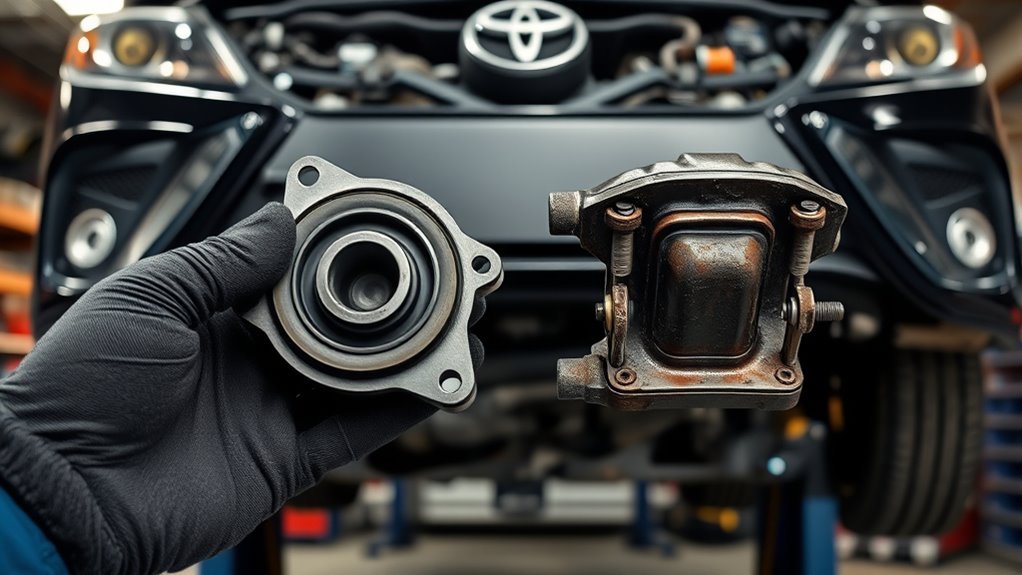
Although mounts often last beyond 100,000 miles, you should consider replacement sooner if you notice excessive vibration, sagging, visible cracks, or unusual engine movement. You’ll track mount longevity against age and symptoms: if your Camry is under 15 years and under 100,000 miles, you usually won’t replace mounts unless diagnostics point to failure. Model considerations matter — some Corolla/Matrix-derived designs and certain Camry variants show earlier wear, so inspect aggressively on those platforms.
Mounts often exceed 100,000 miles, but inspect early for vibration, sagging, cracks, or unusual engine movement.
- Inspect for sagging, excessive movement, and torn rubber during routine service.
- Prioritize replacement when vibration frequencies and engine travel exceed factory tolerances.
- If one mount shows failure signs, evaluate paired mounts for balanced support.
Act decisively to prevent transmission stress and engine misalignment. You want mechanical freedom — not incremental degradation. Use targeted inspections, symptom-driven replacements, and model-aware thresholds to keep the powertrain secure and responsive.
Why Replace Camry Motor Mounts as a Set and Choose OEM Parts
Because each Camry mount shares load and geometry with the others, replacing them as a set keeps the powertrain balanced and prevents the remaining mounts from taking uneven strain that accelerates wear. You’ll preserve motor mount alignment and prevent a single weak link from transmitting extra vibration into the chassis. When mounts age unevenly, you get misaligned loads, premature rubber fatigue, and cascading stress on transmission and subframe attachments.
Choose OEM parts to secure fit, material spec, and torque characteristics that match factory tolerances. OEM advantages include predictable damping rates, verified durability, and reduced risk of fitment-induced noise or failure compared with many aftermarket options. By replacing the set with OEM mounts you maintain designed NVH control, protect related components, and minimize repeat interventions.
If you want reliable freedom from recurring repairs, treat motor mount replacement as a system-level intervention: align, restore factory geometry, and move on with confidence.
What to Expect During Mount Replacement (Steps, Costs, Common Challenges)
Now that you’ve committed to replacing the mounts as a set with OEM parts, expect a hands-on procedure that often requires removing engine covers, supporting the powertrain with a screw jack, and working in tight, sometimes rusted spaces to swap each mount. You’ll follow a methodical sequence: lower load, unbolt old mounts, transfer brackets, fit new mounts, then torque in sequence. Costs typically run $200–$800 depending on parts and labor; OEM parts cost more but last longer.
- Prepare: gather mount replacement tips — penetrating oil, correct sockets, replacement hardware, and an inspection light.
- Procedure: support engine, disconnect connectors (active mounts may have plugs), remove bolts, install mounts loosely, align then torque all bolts after full seating.
- Challenges: expect installation challenges from rusted bolts and limited access; plan extra time and extractor tools.
Work with intent and autonomy; precise steps and disciplined torque sequencing protect the drivetrain and extend component life.
Can I Drive With Bad Mounts? DIY vs. Professional Repair
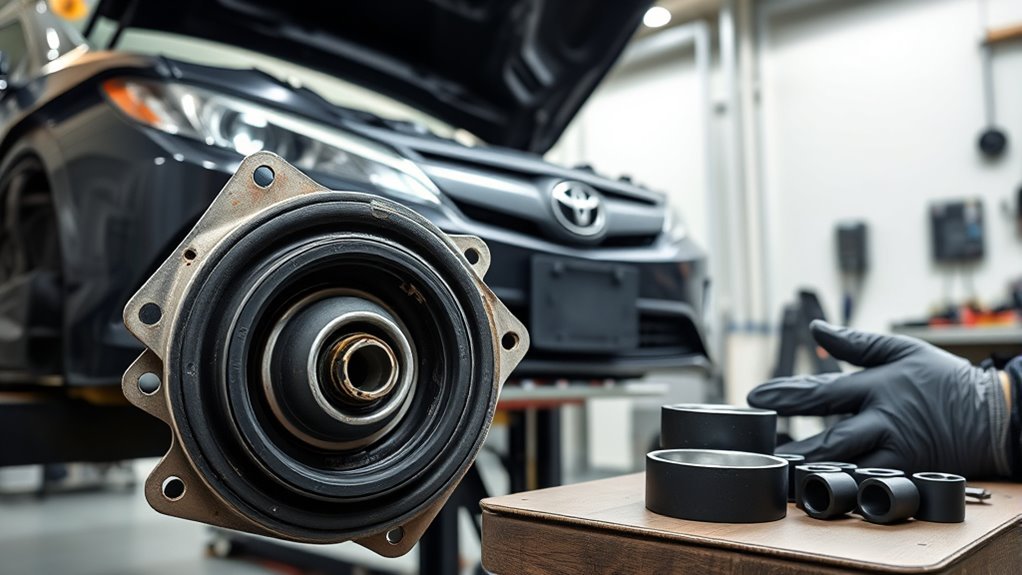
Curious whether you can keep driving with worn motor mounts? You can for short distances at low speed, but you’re trading immediate convenience for escalating risk. Bad mounts amplify vibration, allow excessive engine movement, and cause noises or misalignment that degrade driving safety and can damage the transmission or chassis.
Assess symptoms: visible cracks, pronounced engine shift under throttle, clunks on gear changes. If you see those, stop driving except to a shop. DIY mount maintenance is possible if you have lift access, engine support tools, and torque specs, but limited access and special tools make mistakes likely. You should replace mounts in pairs to avoid uneven wear and restore balanced support.
Professional repair is safer and faster, preserves alignment, and prevents collateral damage. Choose liberation through informed action: prioritize driving safety, document symptoms, and act promptly — short-term risk is manageable, long-term costs and hazards aren’t.
Frequently Asked Questions
How Long Do Camry Motor Mounts Last?
You’ll typically get over 100,000 miles from Camry motor mounts, though materials and vibration impact affect longevity; inspect for wear, replace paired mounts when needed, and stay proactive to free yourself from unexpected failures.
How Much Does It Cost to Replace the Engine Mount on a Toyota Camry?
An ounce of prevention: you’ll face an engine mount replacement cost of roughly $300–$600, with $100–$200 labor; choose OEM parts for durability, expect 2–4 hours work, consider replacing mounts as a set.
Conclusion
Picture your Camry humming down the road; worn motor mounts let the engine sway and thud like a loose box in the trunk. You’ll want clear diagnosis: inspect visually, feel for vibration, listen for clunks, and confirm with a pry test or pro scan. Replace aging mounts in pairs with OEM parts to restore rigid alignment, reduce drivetrain stress, and prevent cascading failures. Don’t delay—drive controlled, not compromised.